
Cleaning a hunting knife is essential for maintaining its effectiveness and longevity. A well-cared-for knife not only performs better but also lasts longer, ensuring that it remains a reliable tool for your outdoor adventures. To properly clean your knife, start by disassembling any parts if applicable, and use warm, soapy water to gently scrub the blade and handle. This article will walk you through the necessary steps and tips to ensure your hunting knife remains in top condition.
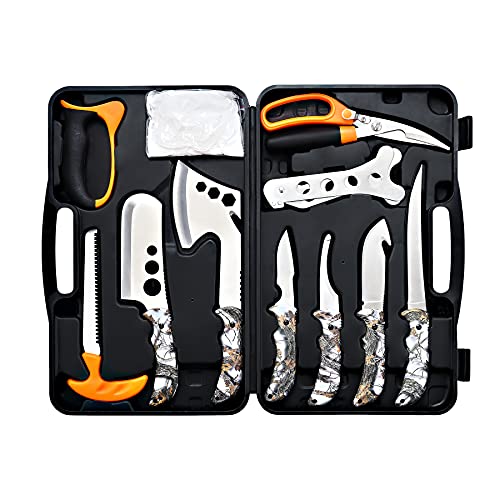

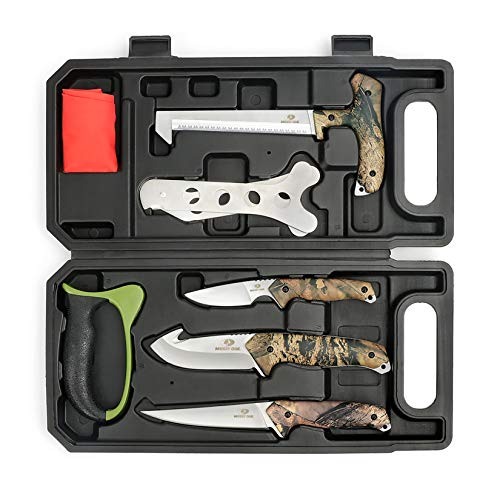

Gather Your Cleaning Supplies

Before you begin the cleaning process, it’s crucial to gather all the necessary supplies to ensure a smooth and efficient cleaning experience. Having everything at hand saves time and makes the process more effective. Here’s what you’ll need:

– Mild soap or dish detergent: This is essential for breaking down dirt, grease, and any biological residues that may be on the knife.
– Soft cloth or sponge: A soft cloth or sponge is ideal for avoiding scratches on the blade and handle while effectively applying the soap and water.
– Warm water: Warm water helps to dissolve soap and dirt more effectively than cold water, making the cleaning process easier.
Disassemble the Knife (if applicable)


Some hunting knives come with detachable parts, such as scales, sheaths, or even multi-tool functionalities. If your knife has such components, it is advisable to disassemble it for a thorough cleaning. Here’s how to proceed:
– Remove any detachable parts: Carefully take off scales, sheaths, or any other removable elements. This ensures that you can clean every part of the knife effectively.
– Check the manufacturer’s guidelines: Different knives may have specific disassembly instructions. Always refer to your knife’s manual to avoid damaging any components during the process.
Clean the Blade

The blade is the most critical part of the hunting knife, and it requires careful cleaning to maintain its sharpness and integrity.
– Use warm, soapy water and a soft cloth: Dampen your cloth or sponge with warm, soapy water. Gently scrub the blade, paying close attention to the cutting edges as well as any nooks and crannies where dirt or blood may accumulate.
– Rinse thoroughly: After scrubbing, rinse the blade under warm running water to remove any soap residue. Be careful not to let water run onto the knife handle if it’s made of wood or another material that could be damaged by moisture.
Top 7 Hunting Knife Brands (2023)
| # | Brand | Material | Blade Length | Price Range |
|---|---|---|---|---|
| 1 | Buck Knives | Stainless Steel | 3.75″ to 8″ | $30 – $200 |
| 2 | Ka-Bar | 1095 Cro-Van | 7″ to 12″ | $50 – $100 |
| 3 | Gerber | High Carbon Stainless | 3″ to 5″ | $25 – $150 |
| 4 | Benchmade | CPM-S30V | 3″ to 4.5″ | $100 – $400 |
| 5 | Cold Steel | AUS-10A | 4″ to 7″ | $45 – $120 |
| 6 | Spyderco | VG-10 | 3″ to 5″ | $60 – $200 |
| 7 | ESEE | 1095 Carbon Steel | 3.5″ to 6″ | $70 – $250 |
Clean the Handle
Once the blade is clean, turn your attention to the handle. The handle can accumulate dirt, moisture, and biological materials, which can affect both grip and hygiene.
– Use a damp sponge to wipe down the handle: Ensure that you use gentle pressure to avoid damaging any materials, especially if the handle is made from wood or has textured surfaces.
– Ensure that no soap residue is left behind: After wiping, it’s crucial to rinse the handle with clean water. Any soap left on the handle can lead to degradation of materials over time.
Dry the Knife Thoroughly
Proper drying is essential to prevent rust and corrosion, which can severely damage your hunting knife.– Use a clean, dry cloth to wipe down all parts: Make sure to dry the blade, handle, and any detachable parts thoroughly. Pay special attention to crevices where moisture may linger.
– Allow the knife to air dry completely: After wiping, leave the knife in a well-ventilated area to dry fully. This step is crucial, especially for knives made with carbon steel, which is prone to rusting.
Apply Protective Lubrication
To maintain your knife’s performance and protect it from moisture and corrosion, consider applying a protective lubricant.
– Consider using a food-safe mineral oil or knife lubricant: Apply a thin layer to the blade and any moving parts. This will not only protect the metal but also ensure that it remains easy to use.
– Avoid over-application: A little goes a long way. Excess oil can attract dirt and debris, negating the benefits of lubrication.
Store the Knife Properly
Proper storage is the final step in the cleaning process and is crucial for maintaining your knife’s condition over time.
– Keep your knife in a dry place: Ideally, store your knife in a sheath or protective case. This further protects it from environmental factors that could lead to rust.
– Avoid storing it in damp environments: Moisture is the enemy of metal. Ensure that the storage area is dry and well-ventilated to keep your knife in optimal condition.
Maintaining your hunting knife through regular cleaning is crucial for its performance and durability. By following these steps, you can ensure that your knife remains sharp and ready for your next adventure. Take the time to clean your knife after each use, and it will serve you well for years to come. A clean knife is not just a tool; it’s a trusted companion in the great outdoors.
Frequently Asked Questions
What is the best way to clean a hunting knife after use?
The best way to clean a hunting knife after use is to first rinse it under warm water to remove any blood, dirt, or debris. Next, use a soft cloth or sponge along with mild soap to gently scrub the blade and handle, avoiding abrasive materials that could scratch the surface. Finally, dry the knife thoroughly to prevent rust and apply a light coat of oil to protect the blade.
How often should I clean my hunting knife?
You should clean your hunting knife after every use to ensure it remains in optimal condition. Regular cleaning prevents the buildup of rust and residue, which can affect the knife’s performance. Additionally, if the knife has been exposed to moisture or harsh conditions, a prompt cleaning is essential to maintain its durability.
Why is it important to properly clean and maintain my hunting knife?
Properly cleaning and maintaining your hunting knife is essential for safety and longevity. A well-maintained knife ensures that it operates effectively, reducing the risk of accidents caused by dull or rusted blades. Regular cleaning also helps to preserve the knife’s value and ensures it remains a reliable tool during your hunting trips.
Which cleaning products are safe to use on a hunting knife?
Safe cleaning products for a hunting knife include mild dish soap, warm water, and a soft cloth or sponge. Avoid using harsh chemicals or abrasive cleaners that can damage the blade’s finish and lead to corrosion. For maintenance, food-grade mineral oil or specialized knife oil can be used to lubricate the blade and prevent rust.
How can I remove rust from my hunting knife?
To remove rust from your hunting knife, start by soaking the affected area in a solution of equal parts vinegar and water for a few minutes. Then, use a soft scrub pad or fine steel wool to gently rub the rust away, being careful not to damage the blade. After cleaning, wash the knife with soap and water, dry thoroughly, and apply a protective oil to prevent future rusting.
References
- https://en.wikipedia.org/wiki/Knife_care
https://en.wikipedia.org/wiki/Knife_care - https://www.sciencedirect.com/topics/agricultural-and-biological-sciences/knife-care
https://www.sciencedirect.com/topics/agricultural-and-biological-sciences/knife-care - Knife | Definition, History, & Facts | Britannica
https://www.britannica.com/topic/knife - https://www.nature.com/articles/s41598-018-37755-1
https://www.nature.com/articles/s41598-018-37755-1 - Google Scholar Google Scholar
https://scholar.google.com/scholar?q=cleaning+hunting+knife - Google Scholar Google Scholar
https://scholar.google.com/scholar?q=knife+maintenance - Google Scholar Google Scholar
https://scholar.google.com/scholar?q=how+to+clean+a+hunting+knife - https://www.cdc.gov/niosh/topics/cuttingtools/default.html
https://www.cdc.gov/niosh/topics/cuttingtools/default.html - https://www.fs.usda.gov/Internet/FSE_DOCUMENTS/stelprdb5301957.pdf
https://www.fs.usda.gov/Internet/FSE_DOCUMENTS/stelprdb5301957.pdf - https://www.nytimes.com/2022/10/24/crosswords/knife-care.html
https://www.nytimes.com/2022/10/24/crosswords/knife-care.html
