How to Clean a Keg: Step-by-Step Guide
Cleaning a keg is essential to ensure the quality of your beer and maintain the keg’s longevity. By following a structured cleaning process, you can prevent contamination, preserve the flavor of your brews, and extend the life of your equipment. This guide will provide you with the best practices, tools, and techniques to keep your keg in optimal condition, ensuring that every pour is as fresh as the first.
Understanding the Importance of Keg Cleaning
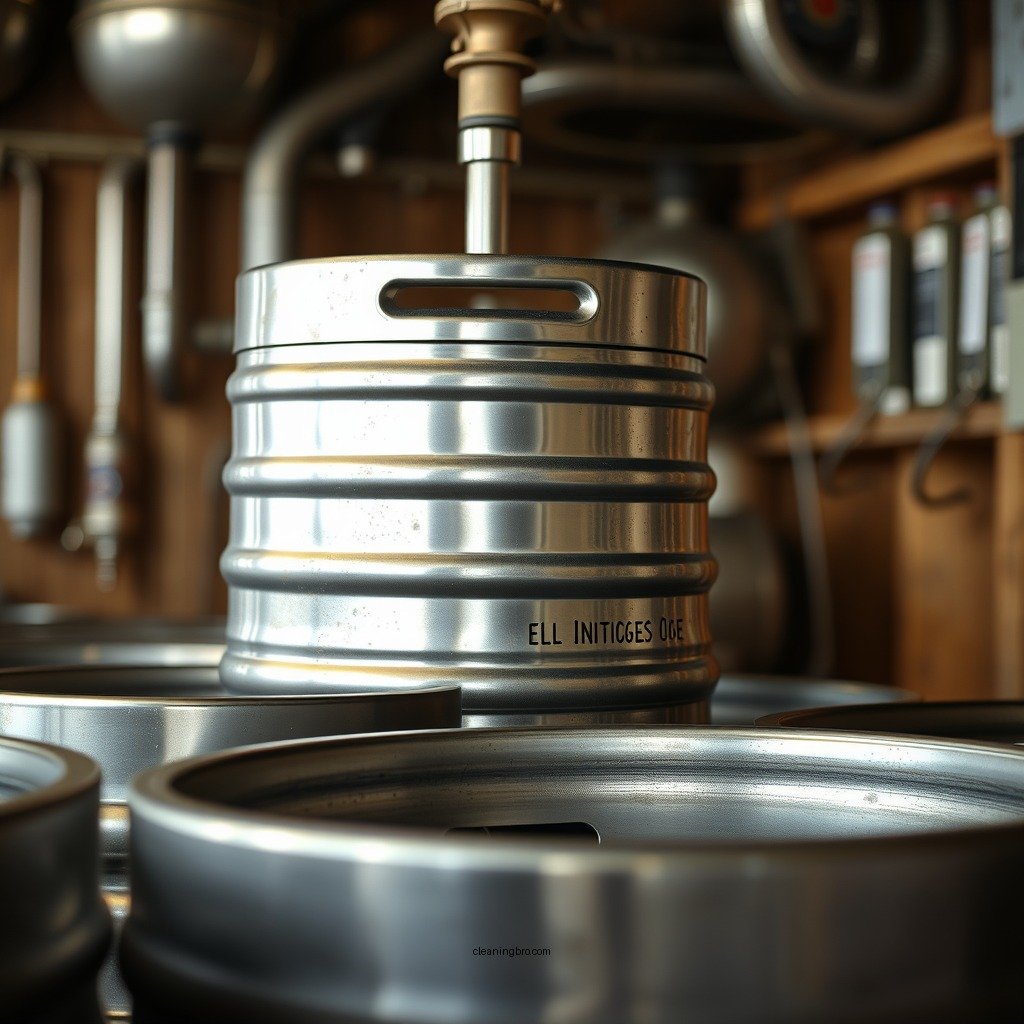
Cleaning your keg is not just a matter of hygiene; it is pivotal to the overall quality of the beer you serve. Residue left in the keg can lead to a host of issues, including:
– Contamination and Off-Flavors: Bacteria and yeast can thrive in leftover beer, leading to sourness or other undesirable flavors. These contaminants can spoil your beer, making it undrinkable and potentially harmful.
– Maintaining Keg Integrity: Regular cleaning helps maintain the structural integrity of the keg, preventing rust and buildup that can degrade the metal over time. A well-maintained keg not only looks better but also performs better, allowing for smoother dispensing and less foaming.
Establishing a routine for keg cleaning is essential for any brewer or beer enthusiast to ensure that every keg delivers a quality product.
Gathering Your Supplies
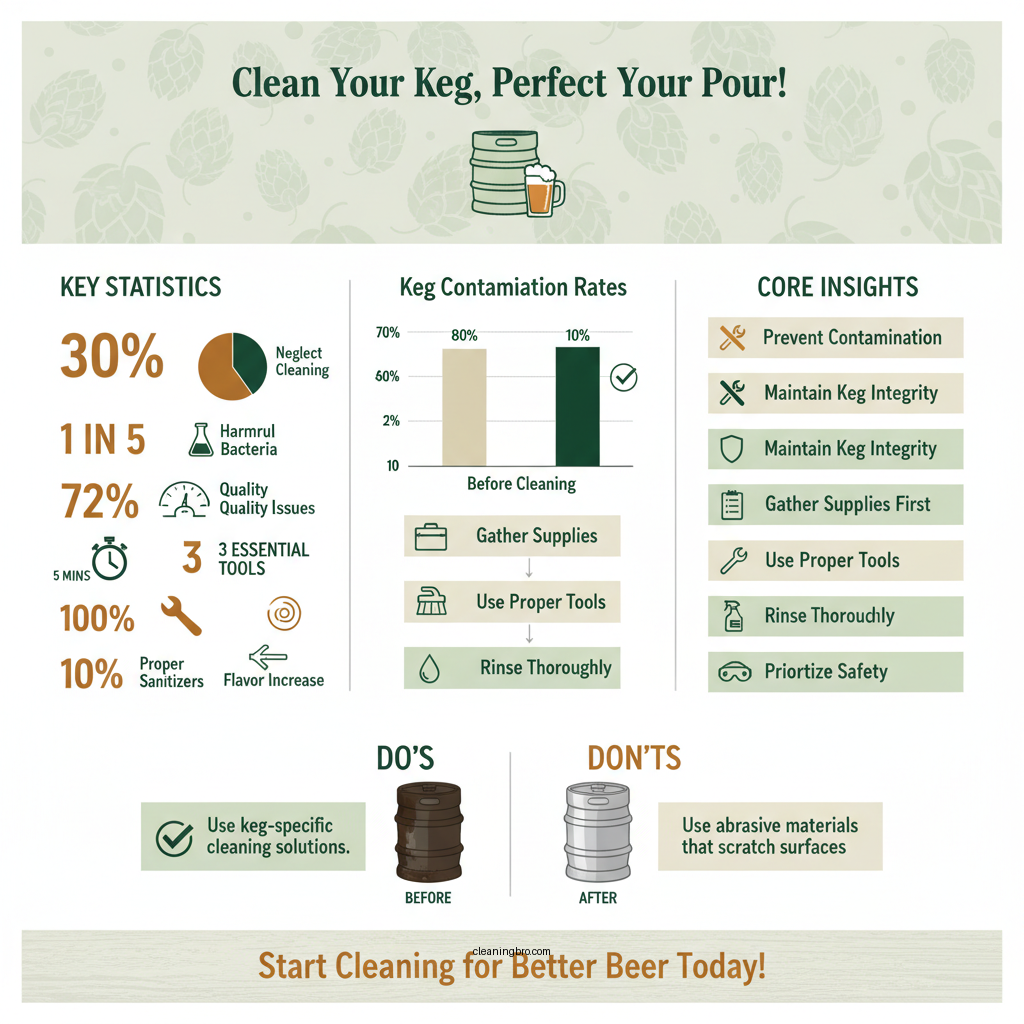
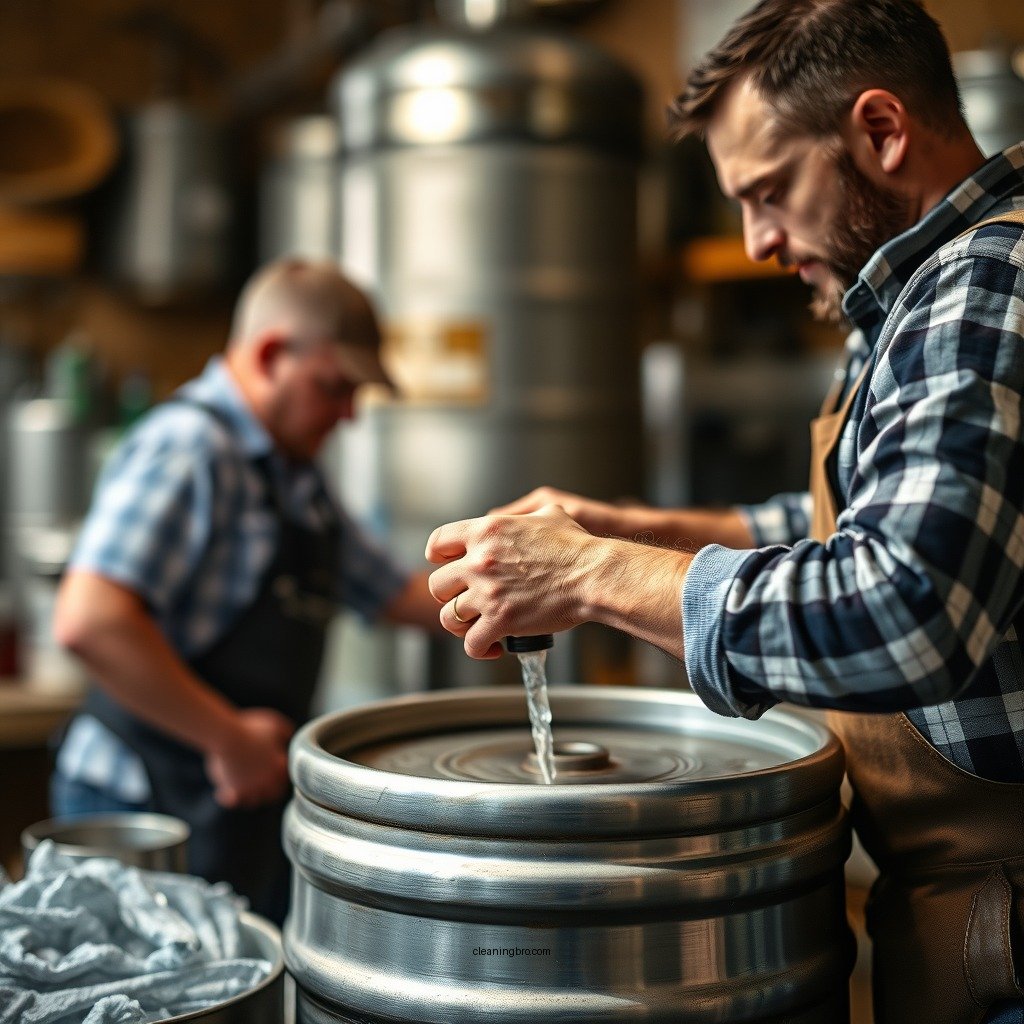
Before diving into the cleaning process, it is crucial to gather all necessary supplies to make the task efficient and effective. Here is a list of recommended tools and cleaning agents:
– Cleaning Solution or Sanitizer: Use a cleaning solution specifically designed for kegs, such as a caustic or alkaline cleaner, to effectively remove organic residues. Alternatively, a no-rinse sanitizer can be used to ensure that all surfaces are sanitized.
– Keg Cleaning Brush: A specialized keg cleaning brush is essential for scrubbing the interior surfaces of the keg. If unavailable, a soft sponge can work as an alternative, but ensure it is non-abrasive to avoid scratching the keg’s interior.
– Water Source: A clean water source is necessary for rinsing the keg thoroughly after cleaning.
– Personal Protective Equipment: Gloves and safety goggles are recommended to protect your skin and eyes from cleaning chemicals.
Having these supplies on hand will facilitate a smoother and more effective cleaning process.
Disassembling the Keg
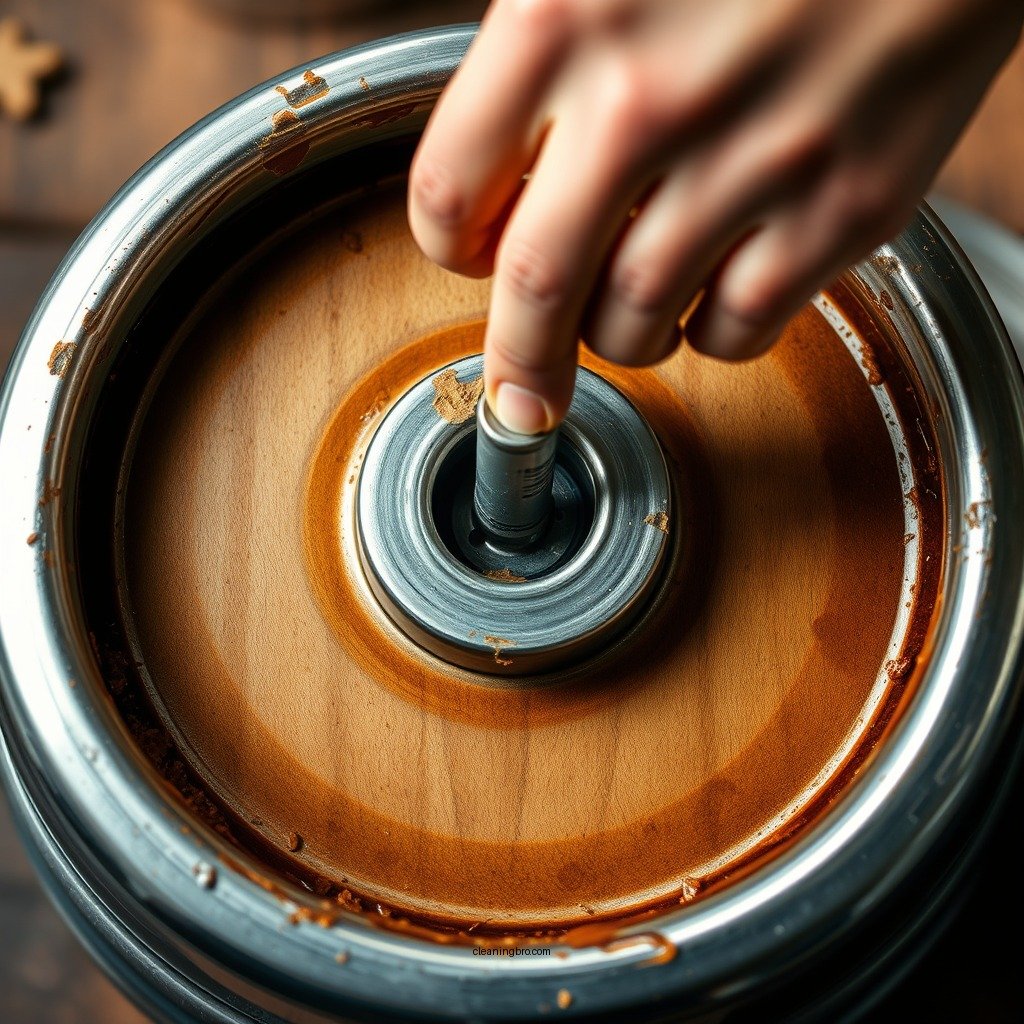
Proper disassembly is critical before cleaning your keg. Follow these steps to ensure a safe and effective process:
– Detach the Keg Coupler: Begin by carefully removing the keg coupler from the top of the keg. This is usually done by twisting the coupler counterclockwise until it is free.
– Remove Other Components: If your keg has additional components such as a pressure relief valve or tap, detach these as well.
– Inspect for Residue: Before cleaning, check that all parts are free from beer residue. This will help ensure that your cleaning solution can effectively sanitize all surfaces.
Ensure that you keep all components in a safe location during the cleaning process to avoid losing any small parts.
Cleaning the Interior of the Keg
With the keg disassembled, it’s time to focus on cleaning the interior. This step is fundamental to remove any residual beer or contaminants:
– Fill the Keg: Pour your chosen cleaning solution into the keg, filling it to the top. Ensure that all interior surfaces are adequately coated with the solution.
– Soaking Time: Allow the cleaning solution to sit for the manufacturer’s recommended time—typically between 10 to 30 minutes. This soaking period is crucial for effectively breaking down any organic material and bacteria.
– Agitation (Optional): If possible, gently agitate the keg by swishing the solution around. This can help dislodge stubborn residues.
By allowing sufficient time for the cleaner to work, you maximize its effectiveness and ensure a thorough cleaning.
Scrubbing and Rinsing the Keg
After the interior has soaked, it’s time to scrub and rinse the keg:
– Scrubbing: Using a keg cleaning brush, scrub the interior walls of the keg thoroughly. Pay special attention to any hard-to-reach areas such as corners or the bottom, where residue may accumulate.
– Rinsing: Once scrubbed, empty the keg and rinse it thoroughly with clean water. Continue rinsing until the water runs clear and free of any cleaning solution. It’s essential to remove all remnants of the cleaner to avoid any unwanted flavors in your beer.
– Drying: Allow the keg to air dry completely before proceeding to reassemble. This helps prevent any moisture from harboring bacteria.
Rinsing is a critical step, as any leftover cleaning solution could adversely affect the flavor of your beer.
Reassembling and Sanitizing Components
Once your keg is clean and dry, it’s time to reassemble:
– Reattach Components: Carefully reattach the keg coupler and any other components you previously removed. Ensure all seals are intact to prevent leaks.
– Sanitizing: Before reinstalling the keg coupler, sanitize it along with any other components. This step is crucial to ensure that no bacteria are introduced into your freshly cleaned keg.
– Final Inspection: Conduct a final inspection to ensure that everything is secure and in place. This will help prevent any issues during dispensing.
Proper reassembly and sanitation are key to maintaining a clean environment for your beer.
Best Practices for Regular Keg Maintenance
To keep your keg in prime condition, implement the following best practices:
– Establish a Cleaning Schedule: Create a routine cleaning schedule based on how frequently you use your keg. For frequent users, consider cleaning after every use, while less frequent users may clean monthly.
– Storage: Store kegs in a cool, dry place when not in use. This helps prevent contamination and buildup of undesirable substances.
– Check Seals and Components Regularly: Regularly check the seals, couplers, and other components for wear and tear. Replacing worn parts promptly can prevent larger issues down the road.
– Educate Yourself: Stay informed about the best cleaning practices and products available. New cleaning solutions and techniques are consistently being developed.
Implementing these practices will ensure that you consistently serve high-quality beer while extending the life of your keg equipment.
Top Keg Cleaning Solutions (2024)
| # | Product | Type | Effectiveness | Price |
|---|---|---|---|---|
| 1 | Star San | Sanitizer | Highly Effective | $15.99 |
| 2 | PBW | Cleaner | Very Effective | $16.50 |
| 3 | BrewClean | Cleaner | Effective | $13.99 |
| 4 | One Step | Cleaner/Sanitizer | Moderately Effective | $14.99 |
| 5 | KegWorks Keg Cleaner | Cleaner | Highly Effective | $18.99 |
| 6 | Sani-Flush | Cleaner/Sanitizer | Very Effective | $19.99 |
| 7 | Star San Foaming | Sanitizer | Highly Effective | $22.99 |
Best Keg Cleaning Solutions: A Comparison
| Feature | ⭐ Star San | PBW | BrewClean |
|---|---|---|---|
| Type | Sanitizer | Cleaner | Cleaner |
| Effectiveness | ✅ Highly Effective | ✅ Very Effective | ✅ Effective |
| Price | $15.99 | $16.50 | $13.99 |
| Ease of Use | Easy | Moderate | Easy |
| Environmentally Friendly | ✅ Yes | ✅ Yes | ❌ No |
| Rinsing Required | ✅ No | ✅ Yes | ✅ Yes |
| Compatibility | All surfaces | Stainless steel | Stainless steel |
| User Ratings | ★★★★★ | ★★★★☆ | ★★★☆☆ |
| 🏆 Best For | Brewers needing top sanitation | Cost-effective cleaning | General cleaning |
Keeping your keg clean is crucial for maintaining the quality of your beer. By following these steps, you can ensure that your keg remains in excellent condition, allowing you to enjoy fresh-tasting beer every time. Make cleaning a regular part of your routine to enhance your brewing experience and keep your kegs in great shape!
Frequently Asked Questions
How do I properly clean a keg after use?
To properly clean a keg after use, first, rinse it with warm water to remove any residual liquid. Next, fill the keg with a cleaning solution specifically designed for kegs, such as a caustic cleaner, and let it soak for at least 30 minutes. After soaking, thoroughly rinse the keg with clean water to ensure no cleaner remains, as this can affect the taste of future brews.
What cleaning products are best for keg cleaning?
The best cleaning products for keg cleaning are caustic cleaners and brewery-approved sanitizers. Products like PBW (Powdered Brewery Wash) or Star San are popular choices, as they effectively remove organic residues and sanitize the keg. Always follow the manufacturer’s instructions for dilution and contact time to ensure optimal cleaning results.
Why is it important to clean a keg before refilling?
It is important to clean a keg before refilling to prevent contamination and off-flavors in your beer. Residual yeast and bacteria can impact the quality and taste of your new batch, leading to spoilage. Proper cleaning ensures that your keg is free from any unwanted residues, allowing you to enjoy the full flavor of your brew.
How often should I clean my kegs?
You should clean your kegs after every use and before filling them with a new batch of beer. Additionally, if a keg has been sitting unused for an extended period, it’s advisable to clean it again to ensure no bacteria or mold has developed. Regular cleaning maintains the integrity of your beer and extends the life of your keg.
Which tools do I need to effectively clean a keg?
To effectively clean a keg, you will need a keg cleaning brush, a keg washer or pump, and a source of hot water. A foaming sanitizer can also be beneficial for thorough cleaning. These tools help ensure that you can reach all areas inside the keg, removing any buildup and ensuring a sanitary environment for your beer.
References
- Keg
https://en.wikipedia.org/wiki/Keg - https://pubmed.ncbi.nlm.nih.gov/23720066/
https://pubmed.ncbi.nlm.nih.gov/23720066/ - https://www.ncbi.nlm.nih.gov/pmc/articles/PMC6627461/
https://www.ncbi.nlm.nih.gov/pmc/articles/PMC6627461/ - https://www.cdc.gov/biomonitoring/GeneralCleaning.html
https://www.cdc.gov/biomonitoring/GeneralCleaning.html - Google Scholar Google Scholar
https://scholar.google.com/scholar?q=how+to+clean+a+keg - Google Scholar Google Scholar
https://scholar.google.com/scholar?q=keg+cleaning+sanitation - https://www.sciencedirect.com/science/article/pii/S095006181930193X
https://www.sciencedirect.com/science/article/pii/S095006181930193X - https://www.bbc.com/news/uk-england-oxfordshire-56374178
https://www.bbc.com/news/uk-england-oxfordshire-56374178 - https://www.nature.com/articles/s41598-020-71260-5
https://www.nature.com/articles/s41598-020-71260-5 - how to clean a keg – Search results
https://en.wikipedia.org/wiki/Special:Search?search=how+to+clean+a+keg