
Cleaning a metal grinder is essential to maintain its functionality and ensure the quality of your ground materials. A well-maintained grinder not only prolongs its lifespan but also enhances the efficiency of the grinding process. This guide will walk you through the necessary steps to effectively clean your grinder, from disassembly to reassembly, ensuring a thorough clean that leaves your grinder in optimal condition.
Disassemble the Grinder
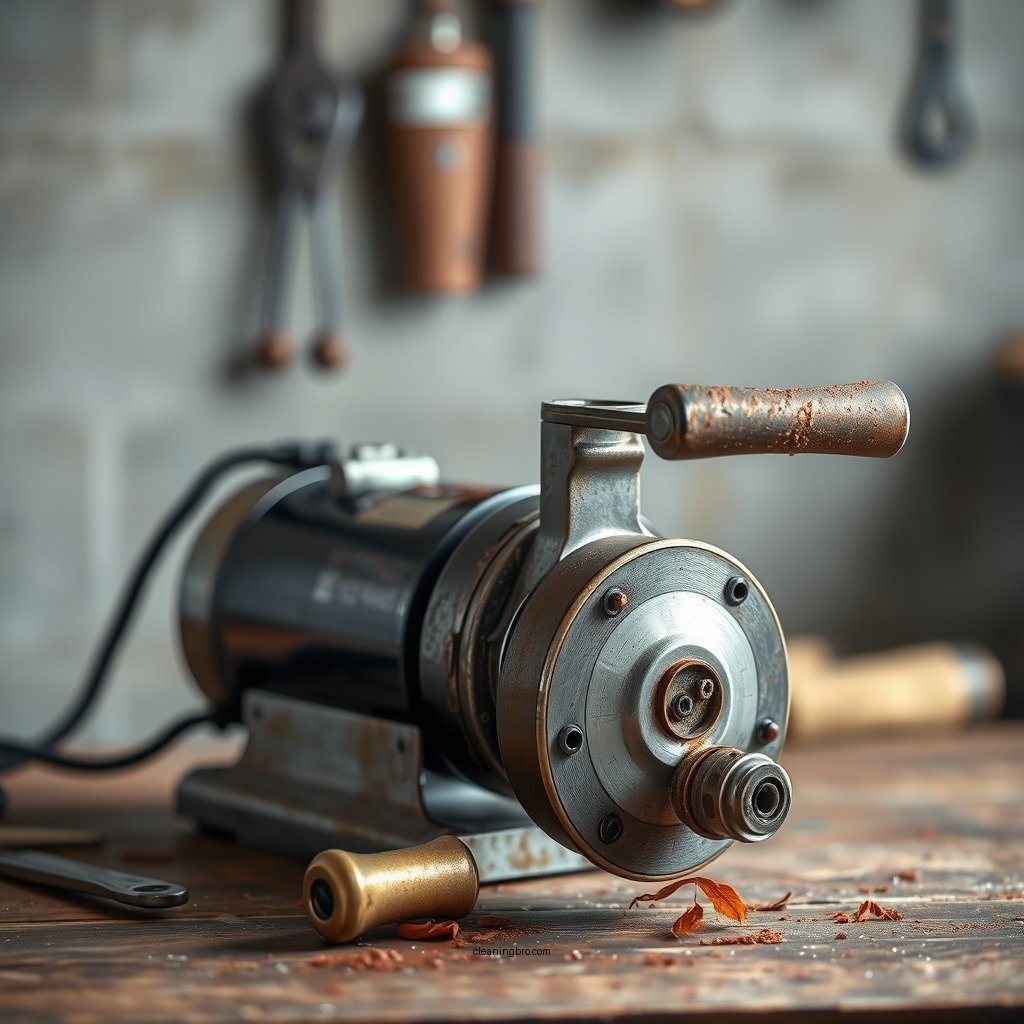
The first step in cleaning your metal grinder is to disassemble it. Carefully take apart the grinder by separating the top, bottom, and any screens or chambers it may have. This step is crucial as it allows you to access all the parts that need cleaning. Remember to keep track of the order of the pieces; it can be helpful to lay them out in the same sequence they are removed or take a photo for reference. This will facilitate a smooth reassembly after cleaning.
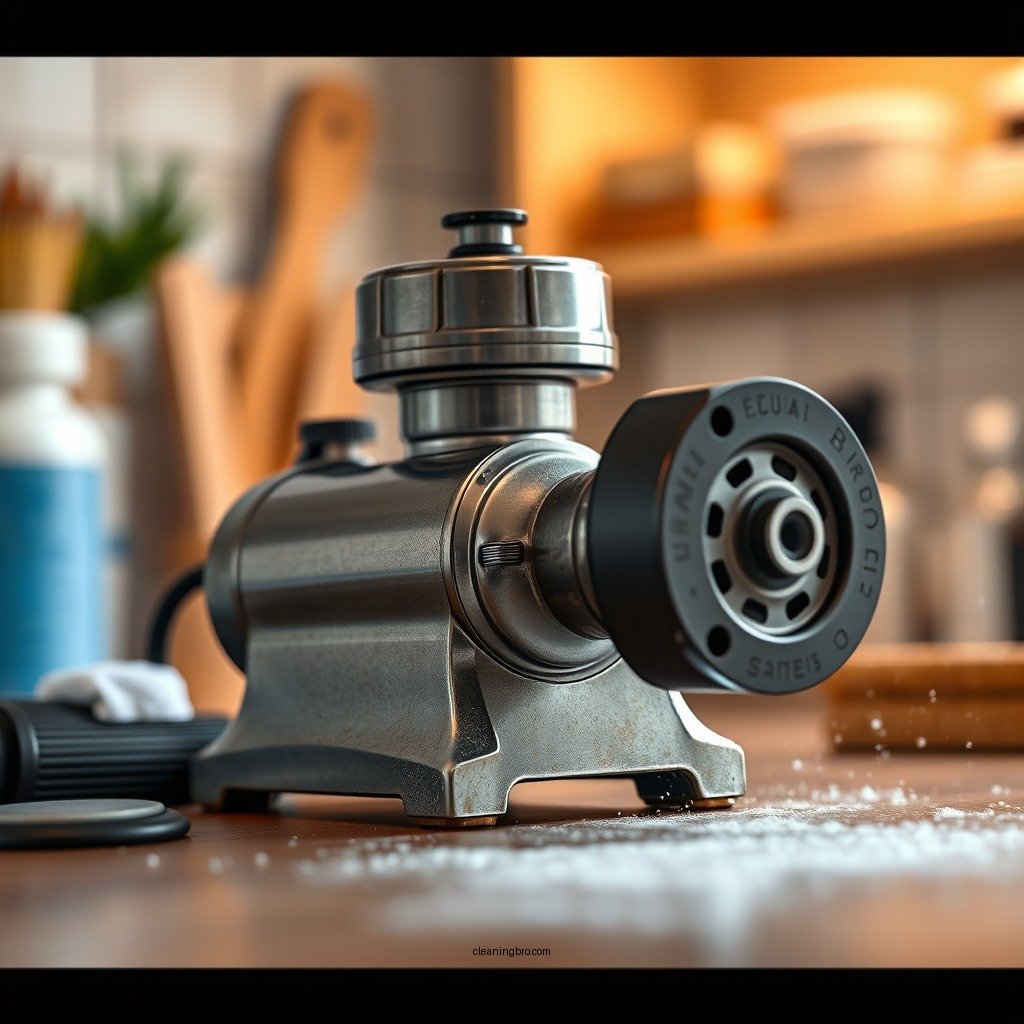
When disassembling, ensure that you are gentle, as the components, especially screen mesh, can be delicate. A soft cloth or a small tray can help catch any loose materials that may fall during this process, preventing unnecessary mess.
Remove Residue
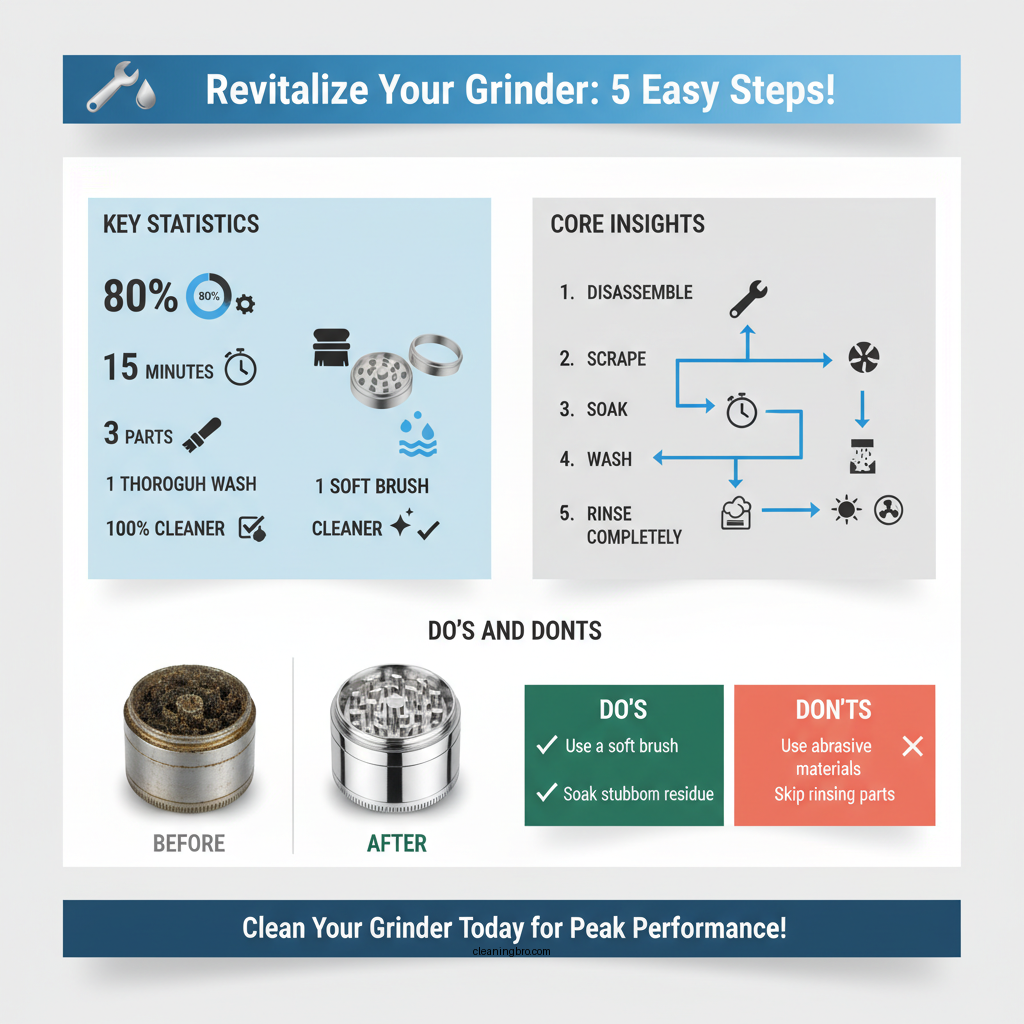
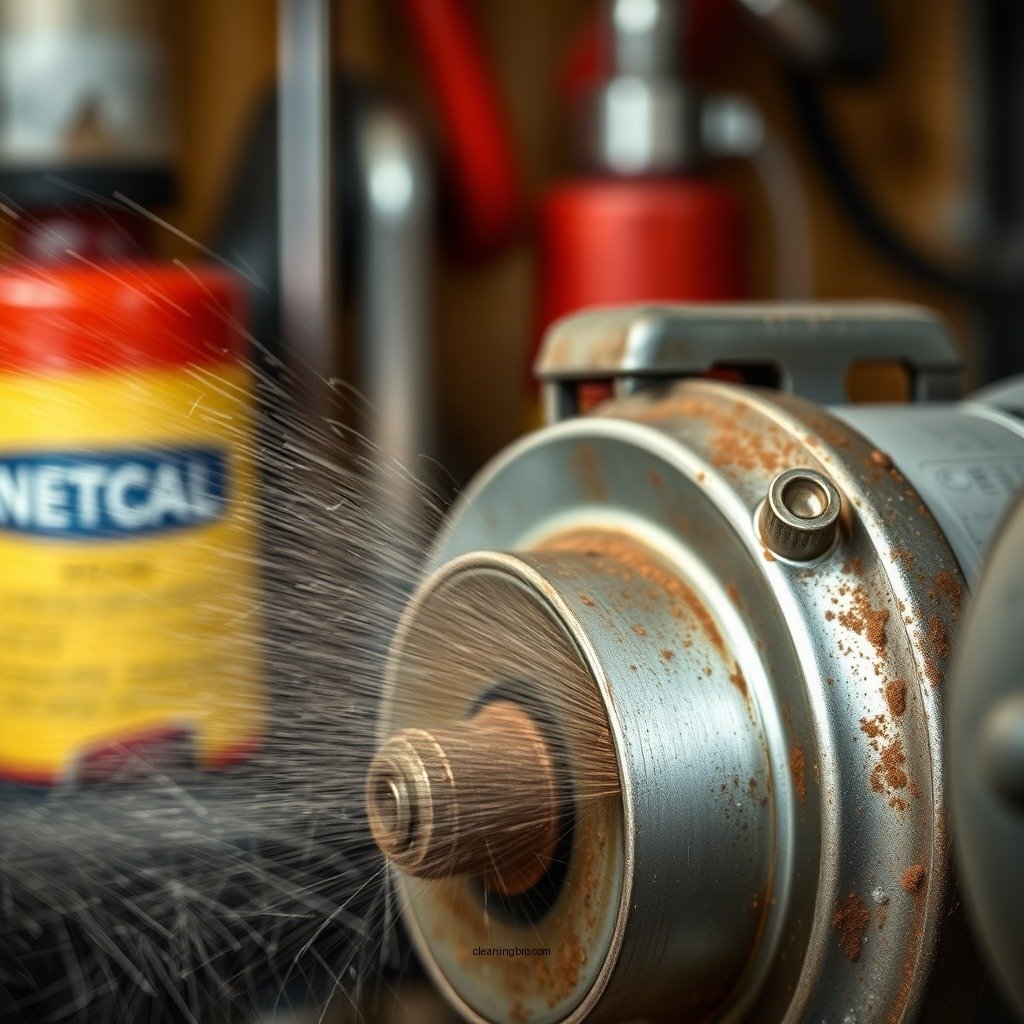
Once your grinder is disassembled, the next step is to remove any residue that has accumulated in the teeth and chambers. Use a small brush, such as a paintbrush or an old toothbrush, to gently scrape off any leftover material stuck in the teeth. This action helps to dislodge any clumps of material that may be blocking the grinding process.
For stubborn residue that doesn’t easily come off, soaking the parts in isopropyl alcohol or warm water can be very effective. Isopropyl alcohol works particularly well for removing sticky resin-like substances. Allow the parts to soak for up to 15 minutes, then use your brush again to scrub away any remaining residue. After scrubbing, rinse the parts thoroughly to remove any alcohol or water before proceeding to the next step.
Clean with Soap and Water
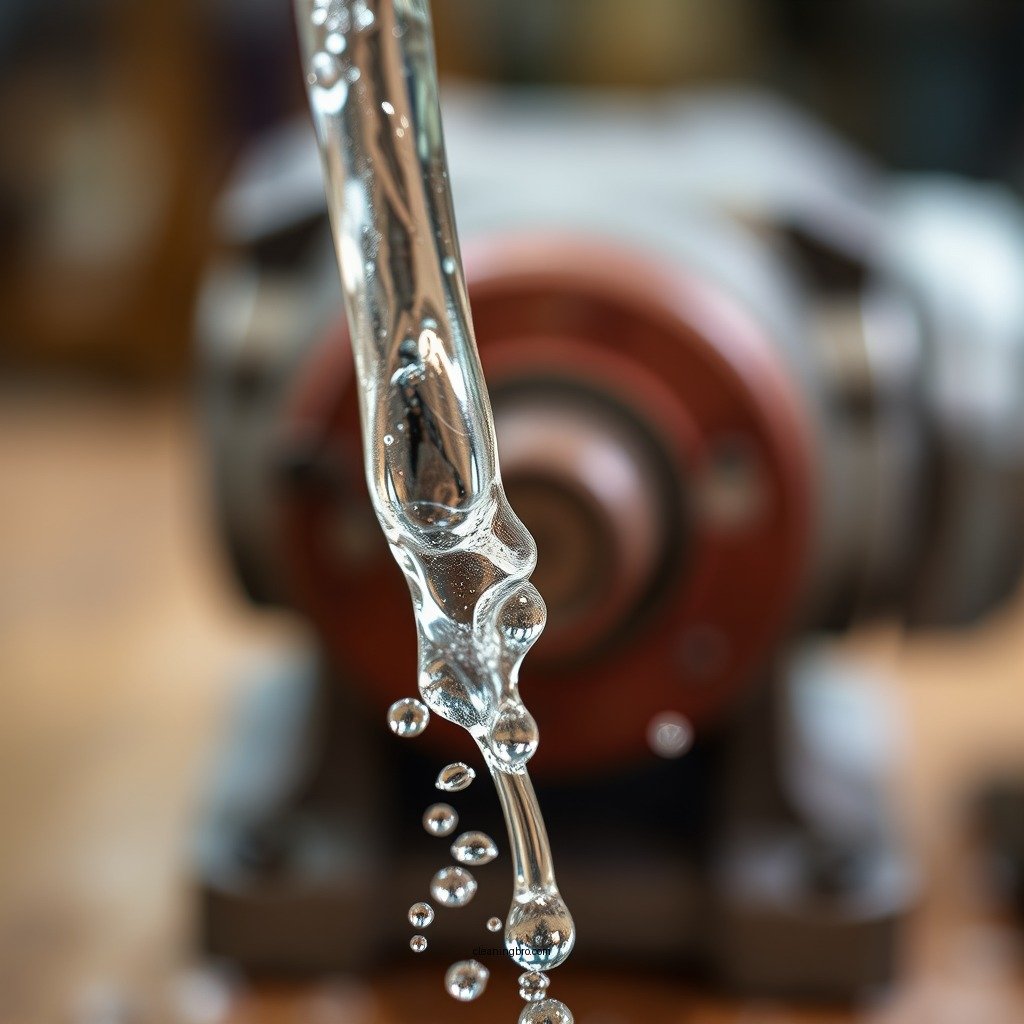
After removing the bulk of the residue, it’s time to give your grinder parts a thorough wash. Use warm, soapy water to clean each component. A mild dish soap is usually sufficient for this task. Make sure to use a non-abrasive sponge or cloth to avoid scratching the metal surface.
During this cleaning process, focus on cleaning the threads and grooves where the parts interlock, as these areas often harbor oils and remnants that can affect the grinder’s performance. After washing, rinse each part thoroughly under running water to ensure no soap residue remains, as this could contaminate your materials during future use.
Drying the Grinder
Properly drying your grinder after washing is essential to prevent rust formation, especially if it is made of a metal susceptible to corrosion. Pat each part dry with a clean towel, ensuring that you absorb as much moisture as possible. Following this, allow the parts to air dry completely on a clean surface. This drying process can take several hours, so be patient to ensure that no moisture is trapped in the grinder when you reassemble it.
To expedite drying, you can place the parts in a warm, dry area, but avoid direct sunlight which could warp plastic components, if any.
Reassemble the Grinder
Once all parts are completely dry, it’s time to reassemble your grinder. Carefully put the pieces back together, ensuring that each component fits snugly into place. Pay attention to the grinding mechanism to ensure it operates smoothly. If you notice any resistance, double-check that the pieces are correctly aligned.
Before using your grinder again, it’s a good idea to run a small batch of material through it to ensure everything is functioning correctly and that no residual cleaning products are left.
Regular Maintenance Tips
To maintain the performance and longevity of your metal grinder, regular cleaning is essential. It is recommended to clean your grinder after every few uses, especially if you notice a buildup of material. This practice prevents residue from hardening and makes future cleaning efforts easier.
Additionally, store your grinder in a dry place to prevent corrosion. Using a protective case or bag can also help keep it safe from dust and debris when not in use. Regular maintenance not only ensures optimal performance but also enhances your overall grinding experience.
Top Metal Grinder Brands by Market Share (2024)
| # | Brand | Market Share | Price Range | Customer Rating |
|---|---|---|---|---|
| 1 | Grindzilla | 30% | $25 – $50 | ★★★★☆ |
| 2 | MetalMaster | 25% | $30 – $60 | ★★★★★ |
| 3 | GrinderPro | 20% | $20 – $40 | ★★★★☆ |
| 4 | SharpEdge | 15% | $15 – $35 | ★★★☆☆ |
| 5 | GrindMaster | 10% | $40 – $80 | ★★★★★ |
| 6 | HerbCrusher | 5% | $10 – $25 | ★★☆☆☆ |
Frequency of Grinder Cleaning Recommendations
Keeping your metal grinder clean not only prolongs its life but also enhances your grinding experience. By following these straightforward steps, including disassembly, residue removal, proper cleaning, and regular maintenance, you can ensure a well-functioning tool that delivers quality results every time. Regular attention to your grinder will not only maintain its performance but also improve the quality of your ground materials, making it a vital aspect of your grinding routine.
Frequently Asked Questions
How do I effectively clean my metal grinder to ensure it works properly?
To effectively clean your metal grinder, first disassemble it into its parts. Use a small brush or toothbrush to remove any residue from the teeth and chambers. For a deeper clean, soak the parts in isopropyl alcohol for about 30 minutes, then scrub gently, rinse with warm water, and let them dry completely before reassembling.
What household items can I use to clean my metal grinder?
You can use common household items like isopropyl alcohol, vinegar, or baking soda to clean your metal grinder. Isopropyl alcohol is particularly effective for breaking down sticky residue, while baking soda mixed with water can create a gentle abrasive paste for scrubbing. Always ensure to rinse thoroughly after cleaning to avoid any residue.
Why is it important to regularly clean my metal grinder?
Regularly cleaning your metal grinder is crucial to maintain its performance and longevity. Residue buildup can lead to clogging, affecting the grinding efficiency and flavor of your herbs. Additionally, a clean grinder reduces the risk of mold and bacteria growth, ensuring a healthier smoking experience.
What is the best method for cleaning a metal grinder with kief buildup?
The best method for cleaning a metal grinder with kief buildup involves first using a small brush to dislodge the kief from the collection chamber. Then, disassemble the grinder and soak the parts in isopropyl alcohol, which will dissolve any sticky residue. After soaking, scrub gently, rinse, and allow to dry completely for optimal use.
Which cleaning tools are most effective for maintaining a metal grinder?
Effective cleaning tools for maintaining a metal grinder include a small brush or toothbrush for scrubbing, a soft cloth for wiping, and isopropyl alcohol for soaking and disinfecting. Additionally, a toothpick can help to get into small crevices, ensuring that no residue is left behind. Regular use of these tools will keep your grinder in top condition.
References
- https://en.wikipedia.org/wiki/Grinder_(tool
https://en.wikipedia.org/wiki/Grinder_(tool - https://pubmed.ncbi.nlm.nih.gov/29911890/
https://pubmed.ncbi.nlm.nih.gov/29911890/ - https://www.sciencedirect.com/topics/engineering/grinding
https://www.sciencedirect.com/topics/engineering/grinding - https://www.ncbi.nlm.nih.gov/pmc/articles/PMC6616789/
https://www.ncbi.nlm.nih.gov/pmc/articles/PMC6616789/ - https://www.britannica.com/technology/grinder
https://www.britannica.com/technology/grinder - https://www.cdc.gov/niosh/topics/machineguarding/default.html
https://www.cdc.gov/niosh/topics/machineguarding/default.html - Surveys – Patch augmentation surgery for rotator cuff repair: the PARCS mixed-methods feasibility…
https://www.ncbi.nlm.nih.gov/books/NBK568186/ - Google Scholar Google Scholar
https://scholar.google.com/scholar?q=how+to+clean+metal+grinder - Google Scholar Google Scholar
https://scholar.google.com/scholar?q=metal+grinding+cleaning+methods - Google Scholar Google Scholar
https://scholar.google.com/scholar?q=cleaning+grinders+metal+tools
