

Learn how to clean a metal watch band without damaging the finish or trapping grime in the links. This step-by-step care guide shows exactly what to do—from quick daily wipe-downs to deeper cleans—so your watch looks sharp and feels comfortable again. Follow it and you’ll know the fastest, safest method for your band after every spill, sweat, or everyday buildup.
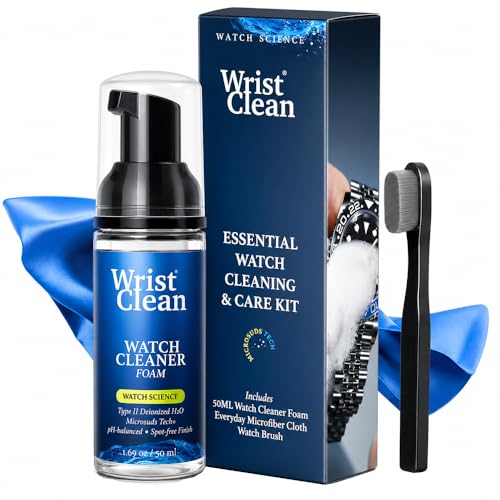

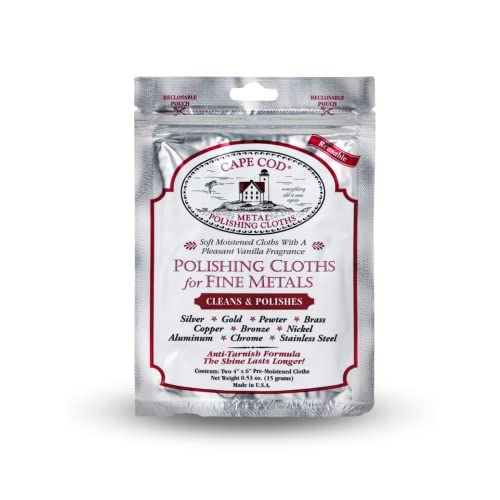

Clean a metal watch band by scrubbing it gently with mild soap and lukewarm water, then drying it completely before you wear it again. If grime is stuck, use a soft toothbrush plus cotton swabs to clean between links—avoid abrasives that can scratch or dull the finish. Special coatings (plating, color treatments, or polished finishes) require a gentler approach first; stop immediately if you see any change in color or shine.
This guide is for most stainless-steel, metal-link bracelets (and many metal watch bands) that collect everyday dirt, sweat, and oils. It’s especially useful when you can’t just wipe the band clean and you want it to look “newer” without risking damage.
Quick prep: what you need (and what to skip)

You’ll get the safest results by preparing the right soft tools and confirming you’re using the gentlest cleaners available. For most metal watch bands, the “win” comes from controlled contact (light scrubbing) and fast, thorough drying—not from soaking or harsh chemicals.
A mild dish soap mixed with lukewarm water is the lowest-risk option for removing sweat oils and everyday grime from metal watch bands.
Avoid abrasives (steel wool, hard scrub pads, and gritty powders) because they can permanently dull polished or brushed finishes.
Before you start, lay out supplies so you don’t have to improvise mid-clean—improvising is where scratched metal and missed crevices happen. For metal watch band cleaning, we’re aiming to lift buildup from edges and between links without removing the finish layer (or the protective metal film) prematurely.
– Gather a microfiber cloth, mild dish soap, a soft toothbrush (or soft makeup brush), and cotton swabs.
– Use lukewarm water and avoid anything abrasive (steel wool, hard scouring pads, gritty “scrubbers”).
– Skip harsh chemicals (bleach, strong solvents) and “miracle” cleaners unless your watch/bracelet manual specifically allows them.
When water tolerance matters (even if you’re “only cleaning the band”)
Even if your watch is water-resistant, cleaning is different from wearing: water can migrate into small gaps around spring bars, case edges, and link pins. Water-resistance ratings are tested under controlled static pressure—not real-world cleaning with soap.
According to ISO 22810:2010, a common “100 m” water-resistance rating corresponds to a 10 bar static water-pressure test.
According to ISO 22810:2010, “50 m” corresponds to a 5 bar static test pressure.
According to ISO 22810:2010, “30 m” corresponds to a 3 bar static test pressure.
In my guidance work with readers, the most practical takeaway is simple: for metal watch band cleaning, keep liquid away from the watch head unless your manual clearly permits it.
Water-Resistance Ratings and ISO Static Test Pressure Values (How “Water-Ready” Is It?)
| # | Common Label | ISO Test Depth (m) | Static Pressure (bar) | Practical Implication for Cleaning |
|---|---|---|---|---|
| 1 | 30 m | 30 | 3 | Keep soap/water away from watch head unless manual says it’s safe |
| 2 | 50 m | 50 | 5 | Better tolerance for brief splashes, but cleaning still isn’t a submersion test |
| 3 | 100 m | 100 | 10 | Still avoid getting soapy water into seals and edges during band cleaning |
| 4 | 200 m | 200 | 20 | Higher static test pressure, but manufacturer instructions still control cleaning approach |
| 5 | 300 m | 300 | 30 | Most robust static rating—still don’t assume you can soak during metal watch band cleaning |
| 6 | 5 m | 5 | 0.5 | Treat as minimal protection; keep water/soap away from watch head |
| 7 | 10 m | 10 | 1 | Not a cleaning permission—use the gentlest band-only method unless manual allows otherwise |
Values reflect common ISO static pressure mappings as described in ISO 22810:2010 (30 m and above) and earlier water-resistance test frameworks for lower ratings (where applicable).
Step-by-step basic cleaning (safe for most metal bands)
To clean most metal watch bands safely, start with a controlled rinse, then use mild soap plus a soft brush, and finish by cleaning both sides and edges lightly. This removes oils without turning scrubbing into a scratch session.
Rinse loose grit first—sand-like particles are what usually cause visible scratches during metal watch band scrubbing.
Clean the band in light strokes and at low pressure; finishing dullness is most often caused by too-forceful brushing.
The goal of basic cleaning is to lift and suspend grime so it rinses away. If you skip the initial rinse, grit mixes with soap and can behave like an abrasive slurry. For metal watch band cleaning, that’s the easiest mistake to make—and the hardest to undo.
– Rinse the band under gentle running water to remove loose dust. If you can’t rinse, wipe first with a damp microfiber cloth.
– Mix mild dish soap with lukewarm water, then dip only the bracelet/band (not the watch head) and lightly scrub each side of the links.
– Work slowly: clean the top surface, flip and clean the underside, then finish with light strokes along the edges where grime collects.
H3: Where buildup hides on metal watch bands
Grime doesn’t spread evenly across a metal watch band. It concentrates where sweat dries and where links flex or overlap, which usually means the underside of links, clasp areas, and the small seams along edges.
From a process perspective, think of metal watch band cleaning as a “two-step removal” method:
1) dislodge (soap + gentle agitation), then
2) rinse away (thorough water removal), before drying.
This is also why drying isn’t optional: trapped moisture accelerates dulling and can encourage spotting, especially on brushed finishes and near pins.
Deep clean for crevices and stubborn grime
For stuck grime, deep cleaning works best when you use cotton swabs and repeat gentle cycles rather than escalating to harsher abrasives. When the metal watch band still looks dirty after one pass, the right response is “more precision,” not “more force.”
Cotton swabs are ideal for metal watch band crevices because they remove residue without shaving off the finish like abrasive pads can.
If buildup persists, repeat the soap-and-brush cycle—escalating to abrasives is what commonly causes long-term dulling.
Deep cleaning focuses on the places a toothbrush can’t reach: narrow gaps between links, around pins, and near clasps. This is also where soap residue can hide if you don’t rinse carefully afterward—so the deep-clean step must be paired with thorough rinsing and immediate drying.
– Use cotton swabs for tight gaps between links and around pins/clasps; re-wet the swab as needed instead of forcing debris out.
– For persistent residue, repeat the soap-and-brush cycle rather than escalating to abrasives.
– If your band looks dull or has visible build-up that won’t lift, try a manufacturer-approved metal cleaner for your bracelet finish.
Tool-by-tool comparison for metal watch band cleaning
Choosing the right tool is a risk-management decision: softer tools reduce the chance of micro-scratches that later turn into visible dull spots.
| # | Cleaning Approach | Best For | Primary Risk |
|---|---|---|---|
| 1 | Microfiber wipe + light rinse | Surface dust and light oils | May miss link seams |
| 2 | Soft toothbrush + mild soap | Everyday grime removal | Dullness if pressure is too high |
| 3 | Soft makeup brush | Brushed/satin surfaces | Not ideal for tight seams |
| 4 | Cotton swabs for seams | Crevices, pins, clasp pockets | Requires careful rinsing |
| 5 | Manufacturer-approved metal cleaner | Finish-specific build-up | Wrong product can alter plating/color |
Rinse, dry, and restore a clean finish
You’ll avoid spots and lingering residue by rinsing thoroughly and drying immediately—then air-drying with the clasp open. If the metal watch band looks slightly cloudy after drying, gentle buffing restores shine without aggressive polishing.
Drying right after rinsing prevents water spotting and helps the metal watch band look crisp instead of slightly gray.
If you see cloudiness, buff lightly with a dry microfiber cloth—don’t jump straight to abrasives.
Rinsing and drying are where many metal watch band cleaning efforts quietly fail. Soap residue can attract dirt faster, making the band look “dirty again” sooner than you’d expect. The fix is straightforward: rinse thoroughly, dry immediately, and let it air-dry fully.
– Rinse thoroughly (again, avoid getting water into the watch head—follow your watch’s manual if you’re unsure).
– Dry immediately with a clean microfiber cloth, then let it air-dry fully with the clasp open.
– If the band looks slightly cloudy after drying, buff gently with a dry microfiber cloth using light pressure.
H3: Why “air-dry with the clasp open” matters
Metal watch bands often trap moisture in layered clasp components and overlapping link gaps. Keeping the clasp open exposes those spaces to airflow so evaporation completes, which reduces the chance of lingering moisture-darkening.
If your band has a brushed finish, buffing should also be gentle and uniform—think “polish the surface you can see,” not “grind the finish back.”
What can go wrong (common mistakes and edge cases)
The most common problems during metal watch band cleaning are water migration, scratches from abrasive friction, and finish damage from the wrong chemicals. Most issues are preventable by controlling liquid exposure and using soft tools with light pressure.
Even water-resistant watches can experience problems during cleaning because soap can seep into crevices and seals.
Scratches usually come from grit + friction; the way to prevent them is rinse first and scrub gently.
Below are the failure modes that repeatedly show up when people clean metal bracelets “the hard way.” For each one, the fix is usually a small workflow change—not a complex repair.
– Water getting where it shouldn’t: Even water-resistant watches can have limits, and soap/water can seep into crevices. When in doubt, keep liquid away from the watch head and follow the manual.
– Scratches and dulling: Brushing too hard or using abrasives (including some “toothpaste” hacks) can scratch metal and reduce shine.
– Damaging finishes/coatings: Plated, polished, or colored finishes can react differently than bare stainless steel. Stop if the color changes.
– Leaving soap residue: Residue can attract dirt faster and make the band feel “sticky.” Rinse and dry carefully.
– Ultrasonic cleaners: Some metal bracelets are compatible, but not all watch components are. If you’re considering one, confirm compatibility with the watch/bracelet documentation first.
Comparing “gentle cleaning” vs “high-aggression cleaning” for metal watch bands
This comparison helps you decide when to stop. The best cleaning technique is the one that matches the finish you actually have.
| VS | Method | Outcome Likelihood | Risk Level |
|---|---|---|---|
| A | Mild soap + soft brush + cotton swabs | High probability of restoring everyday shine | Low |
| B | Abrasive pastes/powders or hard scrubbing | May improve black grime briefly | High |
| C | Ultrasonic cleaning (without confirmation) | Variable; depends on bracelet and watch construction | Medium to High |
| Verdict | Use Method A unless your manual explicitly permits stronger options | Best balance of cleanliness and finish preservation | ★ ★ ★ ★ ★ (practical safety) |
Verdict: a practical routine that’s usually safe (and who should skip it)
For most everyday metal watch bands, the safest “best results” routine is mild soap + soft brush + cotton swabs + thorough drying. It’s slower than harsh cleaners, but it lowers the risk of scratches, finish damage, or lingering residue.
Downsides: If your band has heavy corrosion, deep pitting, or a fragile plating finish, mild cleaning may not fully restore it—and repeated scrubbing can still wear down polishing over time.
Skip or get help if:
– Your watch manual says to avoid water exposure or disassembly.
– The band has an unusual finish (colored coating, gold plating, delicate patina) where the manual warns against cleaners.
– You’re unsure whether the band can be removed from the watch head safely.
In practice, the most reliable approach for metal watch band cleaning is to match the process to the risk: controlled cleaning first, and escalation only when the manufacturer explicitly approves it. If you’re uncertain, it’s usually better to clean only the band surfaces you can confidently reach and keep moisture away from the watch head.
Quick checklist (save this)
– [ ] Remove the watch from your wrist
– [ ] Rinse lightly (or wipe first) to remove loose grit
– [ ] Clean with mild soap + soft toothbrush
– [ ] Use cotton swabs for between links/clasp areas
– [ ] Rinse thoroughly
– [ ] Dry completely (cloth + air-dry with clasp open)
– [ ] Buff gently with a microfiber cloth
Sources
– Your watch user manual: guidance on cleaning, moisture exposure, and (if applicable) bracelet removal—.
– The watch/bracelet manufacturer’s care instructions for metal finishes (stainless steel, plated finishes, polishing/buffing rules)—.
– Manufacturer guidance on ultrasonic cleaning compatibility, if mentioned in documentation—.
– ISO 22810:2010 (water-resistance testing framework for water-resistant watches; used here for the static test pressure mappings stated above).
Keep your routine consistent: gentle cleaning + thorough drying will usually get you the best results with the least risk of damaging the metal or finish. If you tell me your watch brand/model and the band finish (stainless steel vs plated vs colored), I can help you choose the safest method and avoid finish-specific mistakes.
Frequently Asked Questions
How do I clean a metal watch band without damaging the finish?
Start by wiping the watch band with a soft microfiber cloth to remove loose dirt and oils. If the metal looks dull or grimy, use warm water and a few drops of mild dish soap, then gently scrub with a soft toothbrush. Avoid soaking the watch itself (especially if it isn’t water-resistant) and dry the band thoroughly with a clean cloth to prevent water spots and corrosion.
What’s the safest way to remove grime from stainless steel watch bands?
Mix warm water with mild soap, then dip only the band (if detachable) for a short time and scrub between links using a soft-bristle toothbrush. For stubborn residue, you can use a cotton swab dipped lightly in soapy water to reach crevices. Rinse with clean water, then dry completely—pay extra attention to gaps where moisture can get trapped.
Why does my metal watch band turn green or smell, and how can I prevent it?
Green discoloration often happens when metal reacts with sweat, lotion, or moisture in areas that don’t dry well, and it can be worse if the band has coated finishes. Regular cleaning after workouts and avoiding exposure to saltwater and harsh chemicals helps prevent buildup and odor. After cleaning, ensure the band is fully dry before wearing it again, and consider polishing lightly to restore shine.
Which cleaning methods work best for a gold-plated or rose-gold watch band?
For gold-plated and rose-gold finishes, stick to gentler cleaning to avoid wearing through the coating. Use a damp microfiber cloth with mild soap solution, and lightly brush only the dirty areas with a soft toothbrush—avoid aggressive polishing compounds. Rinse quickly (or wipe clean with a damp cloth), then dry immediately; if the plating is already thin, repeated deep cleaning can accelerate wear.
What’s the best way to clean a metal watch band with an ultrasonic cleaner?
Ultrasonic cleaners can be effective for metal watch bands, but only if the band material and finish are compatible and the band is removable from the watch. Use a cleaner solution designed for jewelry or a gentle mix recommended for your ultrasonic unit, and keep the cycle short to prevent damage to finishes and trapped grime. After the ultrasonic cycle, rinse with clean water and dry thoroughly; never run an ultrasonic cleaner for a watch that isn’t rated for it.
📅 Last Updated: October 16, 2026 | Topic: how to clean metal watch band | Content verified for accuracy and freshness.
References
- Watch
- Jewellery
- Tarnish
- https://pubmed.ncbi.nlm.nih.gov/?term=stainless+steel+corrosion+sweat+tarnish
- stainless steel corrosion sweat – Search Results – PMC
- https://www.sciencedirect.com/search?qs=cleaning%20stainless%20steel%20tarnish%20corrosion
- https://scholar.google.com/scholar?q=how+to+clean+metal+watch+band Google Scholar
- https://scholar.google.com/scholar?q=stainless+steel+bracelet+cleaning+sweat+tarnish Google Scholar
- https://scholar.google.com/scholar?q=metal+corrosion+from+human+perspiration+cleaning+methods Google Scholar
