How to Clean a Negative: Step-by-Step Guide
To clean a negative, you need to carefully remove dust, fingerprints, and any other debris without damaging the emulsion. This involves using the right tools and techniques to ensure your negative is preserved while achieving a clean surface. In this article, you’ll learn how to effectively clean your negatives to maintain their quality and longevity.
Understanding the Importance of Negative Cleaning

Cleaning photographic negatives is crucial for preserving the quality of your photographs. Negatives are the foundation of film photography, capturing the original image that will eventually be printed or scanned. Over time, these negatives can accumulate dust, fingerprints, and environmental contaminants, which can significantly affect image clarity once they are developed. Proper cleaning not only helps enhance the quality of your images but also prolongs the lifespan of the negatives themselves, ensuring that your cherished memories remain intact for years to come.
Neglecting to clean your negatives can lead to unwanted artifacts in prints or digital scans, such as spots, lines, and discoloration. Therefore, cleaning your negatives is an essential practice for photographers of all levels, whether you’re dealing with family heirlooms or modern digital photography.
Tools You Will Need

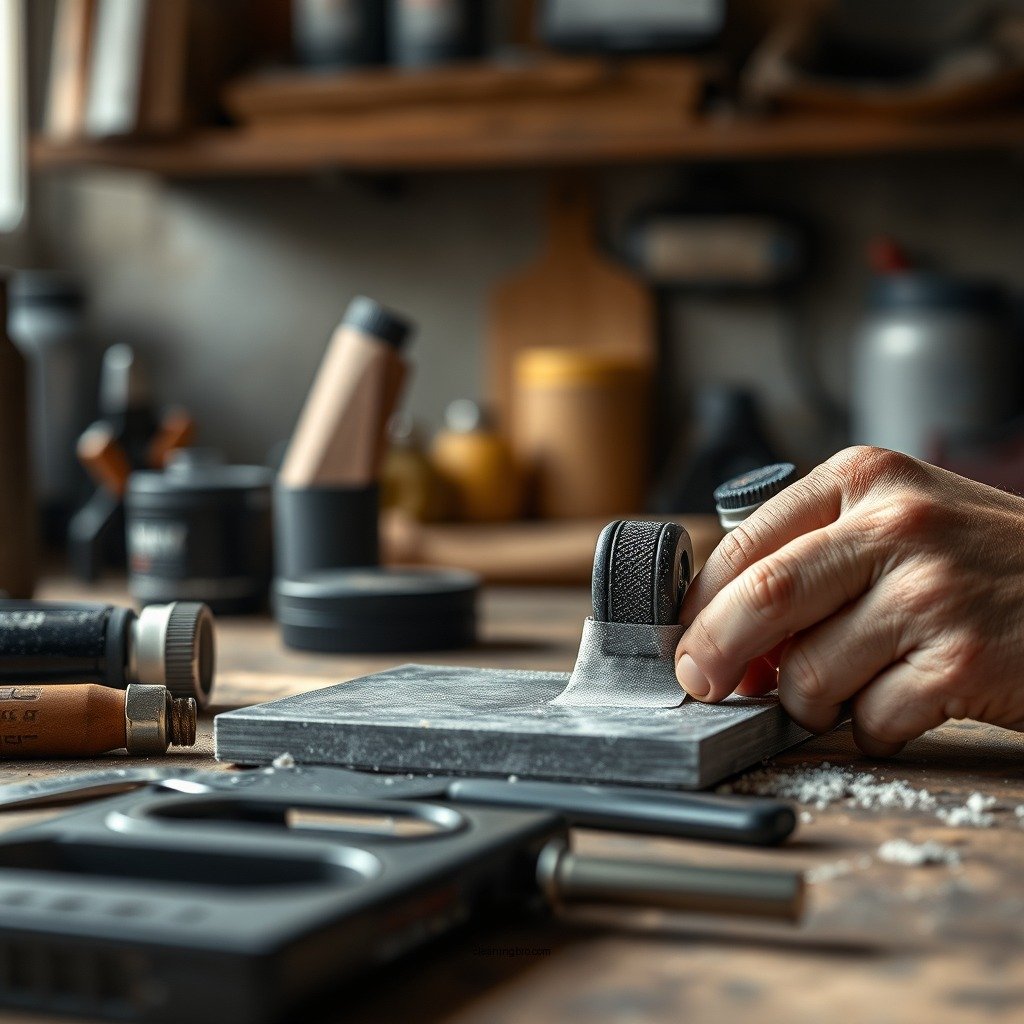
To effectively clean your negatives, it is essential to gather the right tools, ensuring a thorough and safe cleaning process. Here’s a list of recommended tools:
– Soft, Lint-Free Cloths: These are crucial for gently wiping away dust and contaminants without scratching the emulsion of the negative. Microfiber cloths are particularly effective because they trap dust particles without leaving fibers behind.
– Film Cleaning Solutions: Specifically designed for photographic negatives, these solutions can help dissolve oils and grime without damaging the emulsion. Make sure to use products that are pH-neutral and free from harsh chemicals.
– Compressed Air Blower: This tool is ideal for removing loose dust particles before any physical cleaning takes place. It’s important to use a blower rather than a canned air product, as the latter can sometimes spray propellants that can harm the negative.
– Cotton Swabs: For more detailed cleaning, especially in areas where dirt may be lodged, cotton swabs can be very handy. They allow for precision cleaning without risking damage to the negative.
Gathering these tools before you start cleaning will streamline the process and help ensure that your negatives are cleaned effectively and safely.
Preparing Your Workspace
Setting up your workspace is a critical step in the cleaning process. Follow these guidelines to create an optimal environment for cleaning your negatives:
– Choose a Clean, Dust-Free Area: Ideally, this should be a flat surface such as a table or counter that is well-organized and free from clutter. A designated space will minimize the risk of additional dust contamination.
– Ensure Good Lighting: Having bright, consistent lighting is essential for inspecting your negatives properly. Natural light is best, but if that’s not available, a bright LED lamp can help illuminate any dirt or fingerprints on the surface.
– Minimize Distractions: Keep the area quiet and free from interruptions to maintain focus during the cleaning process. This will help prevent accidents that could lead to damage.
Preparing your workspace thoughtfully will set the stage for a successful cleaning session, allowing you to concentrate on the task at hand.
Cleaning Techniques for Negatives
When it comes to cleaning your negatives, employing the right techniques is crucial to avoid damage. Here are the steps to follow:
1. Initial Dust Removal: Begin by using a blower to gently remove loose dust particles. Hold the negative by its edges to avoid touching the emulsion. This step is vital as it prevents scratching when you wipe the surface.
2. Wipe with a Lint-Free Cloth: Dampen a soft, lint-free cloth with the film cleaning solution. Never apply the solution directly to the negative to avoid oversaturation, which can warp the film. Gently wipe the negative in a straight line from one edge to the other, using minimal pressure.
3. Targeted Cleaning: For stubborn spots or fingerprints, use a cotton swab moistened with cleaning solution. Carefully dab the area without rubbing too hard, as this could damage the emulsion.
4. Final Inspection: After cleaning, inspect the negative under good lighting. If any spots remain, repeat the cleaning process as necessary, ensuring you are gentle throughout.
Following these techniques will help ensure that your negatives are cleaned safely and effectively, preserving their quality.
Inspecting the Negative After Cleaning
Once you have completed the cleaning process, it is essential to inspect the negative thoroughly to ensure it has been cleaned properly:
– Check for Remaining Spots or Residues: Hold the negative up to the light and examine it from various angles. Look for any remaining dust, fingerprints, or streaks that may not be immediately visible.
– Use a Magnifying Glass: If necessary, utilize a magnifying glass to inspect the surface closely. This tool can help reveal any fine particles or imperfections that need further attention.
– Test for Clarity: You may also consider scanning a small section of the negative to check for clarity and any artifacts that may have been left behind. This is particularly useful if you plan to print or digitize the negative.
By conducting a thorough inspection, you can be confident that your negatives are clean and ready for preservation or printing.
Storing Clean Negatives Properly
Proper storage of your cleaned negatives is just as important as the cleaning process itself. Here are some best practices for storing your negatives:
– Use Archival Sleeves: Invest in high-quality archival sleeves that are acid-free and designed specifically for photographic negatives. These sleeves protect the negatives from dust, scratches, and environmental damage.
– Labeling: Clearly label each sleeve with the date and any relevant information about the photographs. This will help you keep track of your collection and make retrieval easier in the future.
– Maintain Optimal Environmental Conditions: Store your negatives in a cool, dry place away from direct sunlight. High temperatures and humidity can lead to degradation and fading of the emulsion over time.
– Organize in Binders or Boxes: Consider using binders or archival boxes for organized storage. This keeps your negatives safe and makes it easier to access them when needed.
Implementing these storage techniques will help ensure that your negatives remain in pristine condition, ready for use whenever you need them.
Common Mistakes to Avoid
Cleaning negatives can be a delicate process, and there are several common mistakes that should be avoided to ensure their safety:
– Using Harsh Chemicals: Many household cleaning products contain chemicals that can damage the emulsion of your negatives. Always opt for specially formulated film cleaning solutions to avoid unintentional harm.
– Rubbing Too Hard: It’s imperative to be gentle when cleaning negatives. Excessive pressure can scratch the surface or create micro-abrasions that may not be visible now but can affect image quality later.
– Neglecting to Inspect: Failing to thoroughly inspect the negatives after cleaning can lead to overlooked residues that may affect the final prints. Always take the time to check your work.
– Storing Negatives Improperly: Avoid storing negatives in non-archival materials like plastic sleeves that contain PVC, as these can emit harmful chemicals over time.
By being aware of these common pitfalls, you can avoid damaging your valuable negatives and ensure they remain in excellent condition.
Top 7 Film Cleaning Solutions (2024)
| # | Product | Volume | Price | Effectiveness |
|---|---|---|---|---|
| 1 | FilmRenew | 8 oz | $24.99 | ★ ★ ★ ★ ★ |
| 2 | FilmGuard | 4 oz | $15.99 | ★ ★ ★ ★ ★ |
| 3 | Kodak Cleaning Solution | 16 oz | $30.00 | ★ ★ ★ ★ |
| 4 | Ilford Cleaning Wipes | 20 wipes | $12.99 | ★ ★ ★ ★ |
| 5 | Paterson Cleaning Solution | 250 ml | $18.00 | ★ ★ ★ ★ |
| 6 | Ritz Camera Cleaning Kit | 1 kit | $29.99 | ★ ★ ★ ★ |
| 7 | Clear View Cleaning Solution | 8 oz | $20.00 | ★ ★ ★ ★ |
Film Cleaning Solutions: A Comparison
| Feature | ⭐ FilmRenew | FilmGuard | Kodak Cleaning Solution |
|---|---|---|---|
| Type | Liquid | Liquid | Liquid |
| Volume | 8 oz | 4 oz | 16 oz |
| Price | $24.99 | $15.99 | $30.00 |
| Effectiveness | ★ ★ ★ ★ ★ | ★ ★ ★ ★ ★ | ★ ★ ★ ★ |
| Non-toxic | ✅ | ✅ | ✅ |
| Residue-free | ✅ | ✅ | ✅ |
| Speed of Cleaning | Fast | Moderate | Fast |
| Availability | Widely available | Specialty stores | Widely available |
| User Reviews | Positive | Positive | Mixed |
| 🏆 Best For | General Use | Budget Users | Professional Photographers |
Cleaning your negatives is essential for preserving your photographic memories in the best possible condition. By following these steps and using the right tools, you can ensure that your negatives remain in excellent shape for years to come. Start gathering your supplies today and give your negatives the care they deserve!
Frequently Asked Questions
What is the best way to clean a photographic negative?
The best way to clean a photographic negative is to use a solution of distilled water and a few drops of mild dish soap. Gently wipe the negative with a soft microfiber cloth, working from the center outward to avoid scratches. Rinse with distilled water and let it air dry in a dust-free environment to prevent residue.
How do I remove dust and scratches from my negatives?
To remove dust from your negatives, use a can of compressed air or a soft brush specifically designed for photography to blow or brush away particles. For scratches, consider using a specialized negative repair kit or seek professional restoration services, as DIY methods can sometimes cause further damage.
Why is it important to clean my negatives before scanning?
Cleaning your negatives before scanning is crucial because dust, fingerprints, and scratches can negatively affect image quality and scanning accuracy. A clean negative helps ensure that the scanned image captures the full detail and color of the original photograph, resulting in a higher-quality digital reproduction.
Which cleaning products are safe for photographic negatives?
Safe cleaning products for photographic negatives include distilled water, mild dish soap, and specialized photographic cleaning solutions. Avoid using alcohol or ammonia-based cleaners, as these can damage the emulsion layer of the negative and lead to permanent deterioration.
How often should I clean my negatives to maintain their quality?
You should clean your negatives whenever they appear dusty or dirty, especially before scanning or printing. Additionally, if the negatives have been stored for a long time, it’s a good practice to clean them periodically to prevent buildup of contaminants that could damage the film over time.
References
- Structural analysis of mycobacterial homoserine transacetylases central to methionine biosynthesi…
https://www.nature.com/articles/s41598-019-56722-2 - https://pubmed.ncbi.nlm.nih.gov/29125478/
https://pubmed.ncbi.nlm.nih.gov/29125478/ - https://www.mayoclinic.org/healthy-lifestyle/consumer-health/in-depth/cleaning-tips/art-20044584
https://www.mayoclinic.org/healthy-lifestyle/consumer-health/in-depth/cleaning-tips/art-20044584 - https://www.sciencedirect.com/science/article/abs/pii/S0169534709000639
https://www.sciencedirect.com/science/article/abs/pii/S0169534709000639 - https://www.cdc.gov/niosh/topics/cleaning.html
https://www.cdc.gov/niosh/topics/cleaning.html - Google Scholar Google Scholar
https://scholar.google.com/scholar?q=how+to+clean+a+negative - Google Scholar Google Scholar
https://scholar.google.com/scholar?q=cleaning+film+negatives - Google Scholar Google Scholar
https://scholar.google.com/scholar?q=cleaning+techniques+for+negatives - https://www.britannica.com/technology/photographic-negative
https://www.britannica.com/technology/photographic-negative - how to clean a negative – Search results
https://en.wikipedia.org/wiki/Special:Search?search=how+to+clean+a+negative