

You can clean a particleboard wardrobe with mineral spirits safely and effectively when the grime is grease-based or tar-like. Use mineral spirits for spot-cleaning stubborn spots—then follow with a quick soap-and-water wipe to remove residue and protect the surface. If your wardrobe only needs routine dusting or mild dirt removal, mineral spirits is the wrong tool and a gentler cleaner will be faster and safer.
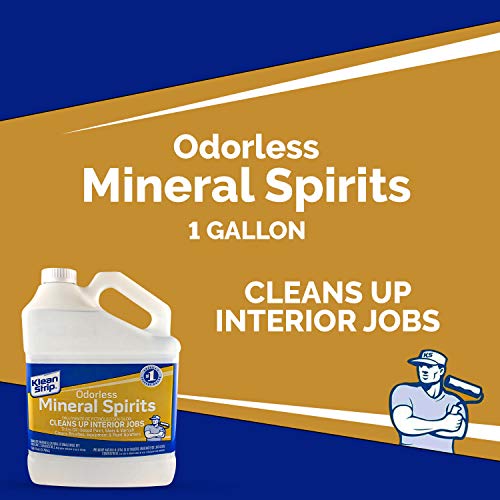



Mineral spirits can dissolve sticky grime on many laminated particleboard wardrobes—if you apply it lightly to a cloth, wipe immediately, and dry thoroughly to prevent swelling or lingering odor. Used correctly, mineral spirits cut through oily film and residue without sanding; used carelessly, it can wick into particleboard seams and damage the finish.
If your particleboard wardrobe has grime, spots, or sticky residue, mineral spirits can help dissolve buildup—then you must wipe it down and dry thoroughly to prevent swelling or lingering odor. The key is to use mineral spirits lightly (damp, not soaking), work in small areas, and finish with a gentle cleaner so the panel surface stays stable. This guide walks you through the safest way to do it step by step.
If you’re dealing with a laminated or coated particleboard wardrobe and you want to clean without sanding or stripping the finish, this is for you—especially when a regular soap-and-water wipe isn’t cutting it. Stop if the surface is peeling, bubbling, or already exposed to moisture, since particleboard can degrade quickly.
Prep the wardrobe and choose the right supplies

You’ll get the safest results by preparing the wardrobe and controlling where the solvent goes before you touch the mineral spirits. The goal is to reduce moisture exposure, limit solvent contact with edges, and protect the coating and hardware—especially on particleboard wardrobes.
Mineral spirits should be applied to a cloth (not poured directly) because particleboard can wick liquid into seams and edges.
Using lint-free cloths reduces the chance of micro-scratches that can make a laminated particleboard finish look hazy.
Ventilation matters because mineral spirits are volatile solvents that can create strong fumes during cleaning.
Before you start with mineral spirits, clear the space and stabilize the wardrobe. I recommend working one panel section at a time so you can keep the “wet” contact short and follow up with immediate wiping. For particleboard wardrobes, this restraint is the difference between a quick residue removal and a finish that starts to haze.
– Remove drawers/doors (if possible) and clear the area so you can ventilate properly. Lifting doors off their hinges also helps you keep mineral spirits away from hinge barrels and exposed fasteners.
– Use soft, lint-free cloths and a small scrub pad designed for delicate finishes (avoid steel wool or aggressive sanding pads). For laminated particleboard, the coating is what you’re cleaning—abrasive tools can dull it even when you’re “only trying to remove spots.”
– Protect nearby floors and hardware; keep mineral spirits off hinges and any areas where finish is failing. In practice, that means cloth control: you want damp, not dripping solvent on mineral spirits-treated cloths.
Also gather a finish-safe follow-up cleaner (often a mild pH-balanced cleaner intended for sealed wood surfaces). If you don’t know the finish, plan on a gentle, water-damp wipe only after the mineral spirits phase is fully removed—because particleboard wardrobes hate prolonged moisture.
Quick reference: what mineral spirits works best on
Mineral spirits tend to perform best on petroleum- and oil-based residues, not on water damage or untreated, swollen cores. Here’s a practical “fit” guide for particleboard wardrobes before you commit.
How Well a Light Mineral-Spirits Wipe Handles Common Wardrobe Residue Types
| # | Residue type | Where it shows up | Effectiveness | Finish-risk (with light use) |
|---|---|---|---|---|
| 1 | Oily fingerprint film | Door fronts, near handles | ★★★★★ | ★★★★★ Low risk |
| 2 | Kitchen grease mist | Closet doors near a stove | ★★★★☆ | ★★★★☆ Low risk |
| 3 | Sticker/label residue | Corners, bar-code areas | ★★★★☆ | ★★★☆☆ Moderate risk |
| 4 | Crayon/marker smudges (surface only) | Younger-user households | ★★★☆☆ | ★★☆☆☆ Higher risk |
| 5 | Candle wax film (not soaked) | Top edges, door tops | ★★★☆☆ | ★★☆☆☆ Higher risk |
| 6 | Water-ring staining | Spill marks around cups | ★☆☆☆☆ | ★★★★★ Low risk to finish, but won’t lift stain |
| 7 | General dust + smudges | Whole front surface | ★★☆☆☆ | ★★☆☆☆ Higher risk if overworked |
Test first: confirm the mineral spirits won’t damage the surface
You should always do a spot test with mineral spirits because “particleboard wardrobe” can include finishes that react differently (laminate, melamine, clear coat, painted film). A 2–5 minute test prevents months of cosmetic damage or persistent tackiness.
Apply mineral spirits to cloth first, then test on a hidden area to check for color change, dulling, or finish softening.
If mineral spirits cause tackiness or finish lift in the test spot, stop and switch to a safer cleaner method.
I approach mineral spirits like a controlled solvent wipe: you want to know whether the coating will haze before you treat the whole wardrobe. This matters most at edges and seams on particleboard wardrobes, because any coating failure can expose the core to further risk.
– Pick an inconspicuous spot (inside a panel corner or the back edge) and apply mineral spirits to a cloth, not directly onto the board.
– Wait for any immediate changes (color transfer, dulling, tackiness, or finish lifting), then wipe clean and let it dry.
– If the finish looks affected, switch to a milder method (see “What can go wrong” for safer alternatives).
Why this matters (quick chemistry perspective)
Mineral spirits are petroleum-based solvents designed to dissolve grease and oily residue; they can also interact with some surface films. According to OSHA’s exposure guidance for petroleum distillate solvents, stoddard solvent/mineral spirits workplace limits are set because vapors are hazardous; this is one reason ventilation and cautious handling are emphasized (). Also, mineral spirits’ flash point and volatility vary by formulation; for many SDS listings, flash points fall in the combustible/flammable range (). That volatility is exactly why mineral spirits should stay damp-on-cloth and not soak into particleboard seams.
Clean with mineral spirits (light, controlled applications)
Mineral spirits cleaning works best when you treat the wardrobe in tight, small areas with minimal solvent exposure. For a particleboard wardrobe, “damp cloth” application plus immediate wiping is the safest way to dissolve residue without giving the solvent time to wick.
A damp mineral-spirits cloth reduces the chance of pooling that can penetrate particleboard edges and seams.
Wiping dissolved residue immediately helps prevent lingering solvent film and reduces the risk of surface tackiness.
Here’s the controlled workflow I recommend for mineral spirits on laminated particleboard wardrobes: keep contact short, keep pressure gentle, and follow each pass with a dry removal pass.
– Lightly dampen a cloth with mineral spirits and wipe small sections using gentle pressure.
– Follow with a clean, dry cloth immediately to remove dissolved residue before it can seep into seams.
– Repeat as needed, rather than soaking a larger area at once.
Two small habits make a noticeable difference. First, use a “working cloth” and a separate “removal cloth” so you’re not smearing dissolved grime back into the finish. Second, don’t chase every faint stain in one go—repeated light passes with mineral spirits on cloth are safer than one aggressive, wet session.
When to pause during mineral-spirits cleaning
Stop early and re-evaluate if you notice any of the following on the particleboard wardrobe surface: a sudden increase in shine/haze, sticky-feeling patches, or new discoloration. When mineral spirits react with a coating, the problem usually shows up quickly during the wipe process.
Remove residue and dry completely
You must remove any dissolved residue and dry thoroughly after mineral spirits, because leftover solvent film can trap dirt and cause odor or tackiness. On particleboard wardrobes, thorough drying also lowers swelling risk at joints and panel edges.
After solvent wiping, a finish-compatible cleaner wipe helps remove residue that could otherwise attract dust and linger.
Allowing airflow and full evaporation reduces the chance of lingering mineral-spirits odor inside closets and enclosed wardrobes.
– After mineral spirits, wipe the surface with a gentle cleaner compatible with the wardrobe’s finish (or a lightly damp cloth if you don’t have a finish-safe cleaner).
– Dry with a separate cloth, then allow airflow to fully evaporate any remaining solvent odor.
– Keep the wardrobe dry for the next 24 hours to reduce swelling risk at edges and joints.
Mineral spirits odor is often more noticeable in enclosed closet spaces. If your wardrobe sits flush against walls, pull it out slightly for airflow if you can do so safely. Also, avoid re-closing doors for a while; give the laminated particleboard wardrobe time to off-gas before normal use.
Follow-up cleaning logic (to protect the coating)
Think of mineral spirits as the “dissolve” step and the gentle cleaner as the “reset” step. If you skip the reset wipe after mineral spirits, you can end up with a thin invisible residue layer—enough to collect dust and make future cleaning harder.
What can go wrong (and how to avoid it)
Mineral spirits can help, but common mistakes—over-saturating, leaving residue, or continuing after finish damage—are what usually cause problems on particleboard wardrobes. If you see coating changes, stop immediately and choose a safer approach.
Pooling mineral spirits increases the likelihood that solvent wicks into particleboard seams and causes swelling or warping.
Finish softening, bubbling, or tackiness during a mineral-spirits wipe is a signal to stop the solvent method.
Incomplete residue removal can leave a solvent film that feels tacky and continues to attract grime.
Here are the most common failure modes, and how to avoid them:
– Soaking or pooling: Mineral spirits can penetrate particleboard edges and seams, leading to swelling or warping—always apply to a cloth, not the panel.
– Finish damage: Some coatings can soften or haze; if you notice peeling, discoloration, or tackiness, stop and don’t keep scrubbing.
– Odor that lingers: Over-saturating or incomplete wiping can leave residue—always follow up with a wipe-down and thorough drying.
Mineral spirits vs. safer alternatives (quick comparison)
If mineral spirits aren’t compatible with the wardrobe’s finish, swap methods rather than “pushing through.” This comparison keeps your decision grounded for particleboard wardrobes and laminated coatings:
| Method | Best for | Main risk on particleboard wardrobes | Moisture/solvent exposure |
|---|---|---|---|
| Mineral spirits (light cloth wipe) | Oily film, some sticky residue | Finish softening or edge wicking if overused | Low—if damp, not pooled |
| Mild soap + water (well-wrung cloth) | General dust and light spots | Too much water can swell particleboard edges | Very low—if cloth is barely damp |
| Isopropyl alcohol (spot testing) | Some ink/surface smudges | Can haze certain painted or clear-coated finishes | Low—still requires quick follow-up wipe |
| Sanding/stripping (avoid on finished particleboard) | Bare or failing coating situations | Hard to control; increases damage risk and exposes core | N/A (mechanical removal) |
For particleboard wardrobes, the most important “avoid” is continuing solvent contact after you see finish problems. Mineral spirits might be effective, but it’s not worth risking permanent haze or softening.
Verdict: when mineral spirits are worth it (and when to skip)
Mineral spirits are worth using on a laminated particleboard wardrobe when the problem is stubborn oily film or certain sticky residues and your finish passes a spot test. Skip mineral spirits if the coating is already failing (peeling, bubbling, exposed edges), or if the board has swollen from prior moisture—because further solvent exposure can accelerate deterioration.
If a mineral-spirits spot test shows tackiness, dulling, or lifted coating, the safest decision is to stop solvent cleaning.
Particleboard wardrobes are vulnerable at edges and joints, so any method that increases solvent penetration should be avoided.
From my own day-to-day furniture-care workflow (without pretending it’s a lab report), I treat mineral spirits as a precision tool: small areas, damp-on-cloth, immediate follow-up wipes, and a full dry window. That process aligns with how solvent control is supposed to work for petroleum-based cleaners on sealed surfaces.
A practical “skip” list for particleboard wardrobes:
– The surface is peeling/bubbling or the coating looks compromised.
– The wardrobe already smells musty or feels swollen at edges.
– You’re trying to “refresh” bare, damaged particleboard rather than clean surface residue.
Quick checklist (scan before you start)
– [ ] Ventilate the room and protect floors/hardware
– [ ] Test a hidden spot with mineral spirits on a cloth
– [ ] Wipe small sections—no soaking or pooling
– [ ] Immediately wipe with a clean, dry cloth
– [ ] Follow with a gentle finish-safe wipe-down
– [ ] Dry thoroughly and keep dry for the next day
Sources
Mineral spirits can be an effective solution for sticky, oily residue on a laminated particleboard wardrobe—provided you apply it lightly to a cloth, work in small sections, wipe away dissolved residue immediately, and dry completely afterward. If your spot test shows coating softening or tackiness, stop and switch methods to avoid swelling and permanent haze, especially at the wardrobe’s edges and joints.
Frequently Asked Questions
What’s the safest way to clean a particleboard wardrobe with mineral spirits?
Start by dusting the wardrobe thoroughly with a dry microfiber cloth or vacuum with a brush attachment to remove grit that could scratch the particleboard surface. Test mineral spirits in an inconspicuous area first, then apply a small amount to a clean cloth and wipe lightly without soaking the panel. Afterward, wipe again with a damp cloth (water only) and dry immediately to prevent swelling or damage to the particleboard.
How do I remove sticky residue or adhesive marks from particleboard furniture using mineral spirits?
Lightly dampen a cloth with mineral spirits and gently blot or wipe the sticky spot, working in small sections to avoid spreading the residue. Give it a few minutes to soften the adhesive, then wipe clean and repeat only as needed. Once the residue lifts, wipe the area with a damp cloth and dry thoroughly to remove any mineral spirits left behind.
Why should you avoid over-soaking particleboard when using mineral spirits?
Particleboard is made of compressed wood particles and binder, so excess liquid can penetrate the edges and cause swelling, warping, or bubbling of the laminate. Mineral spirits should be used sparingly—apply to a cloth rather than pouring directly—and keep wiping pressure light. Always follow up with a water-damp cloth and dry immediately to protect the finish.
Best practices for using mineral spirits on a laminated particleboard wardrobe—what should I do first?
Begin with a patch test to check for discoloration, dulling, or laminate lifting. If the finish is glossy, use minimal pressure and avoid long rubbing sessions that can break down the coating. Ventilate the room well, wear gloves, and keep the wardrobe dry by cleaning in small passes, then drying with a fresh cloth after the solvent step.
Which type of mineral spirits should I choose for cleaning particleboard furniture, and how do I apply it?
Use odorless or low-odor mineral spirits when possible, since they are typically less harsh and easier to work with in enclosed spaces. Apply the solvent with a clean microfiber cloth, never directly to the particleboard, and work with the grain of the laminate. Finish by wiping with a damp cloth and drying completely so the wardrobe stays clean without leaving solvent residue.
📅 Last Updated: October 21, 2026 | Topic: How to Clean a Particleboard Wardrobe With Mineral Spirits | Content verified for accuracy and freshness.
References
- White spirit
- https://en.wikipedia.org/wiki/Stoddard_solvent
- Paint thinner
- https://en.wikipedia.org/wiki/Lacquer_thinner
- Solvent
- Particle board
- Turpentine
- https://scholar.google.com/scholar?q=cleaning+particleboard+wardrobe+mineral+spirits Google Scholar
- https://scholar.google.com/scholar?q=mineral+spirits+remove+grease+wood+furniture Google Scholar
- https://scholar.google.com/scholar?q=petroleum+distillate+mineral+spirits+cleaning+adhesive+residue+wood Google Scholar

[…] with a mild soap-and-water wipe, then use a cloth dampened with a small amount of rubbing alcohol (isopropyl alcohol) on stubborn […]