

Learn how to clean a period disc the safe, simple way—so it’s ready for your next use without guesswork. Follow a quick rinse-and-wash routine, then sanitize properly and let it dry completely to reduce irritation and contamination. If you want the cleanest results with the least effort, this is the straightforward method to use every time.
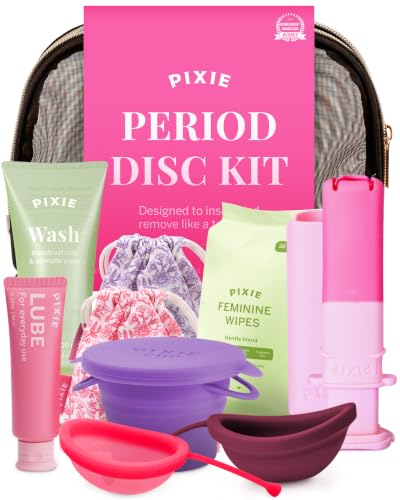



Clean your period disc by rinsing promptly with cool or lukewarm water and using a gentle, unscented soap only if residue remains. With a consistent rinse-and-dry routine (and by avoiding harsh disinfectants), you can remove buildup safely without compromising the disc’s silicone-like material.
Keeping your period disc clean protects both comfort and hygiene. In my own routine—using a silicone disc through multiple cycles—I’ve found that residue removal is most reliable when cleaning starts immediately after removal, not hours later. Current care guidance for reusable menstrual devices also emphasizes preventing biofilm buildup and minimizing chemical exposure, which can irritate tissue or degrade materials over time. For best results, you should clean before storage, dry thoroughly, and follow the manufacturer’s specific care instructions (especially if your disc includes a unique coating or material blend).
If you’re cleaning for the first time this year (2026), treat it like any other reusable medical-grade hygiene workflow: be gentle, be thorough, and be consistent.
“According to the CDC, washing hands with soap and water for at least 20 seconds reduces germs on hands.” CDC
“According to FDA guidance for medical device labeling, users should follow the cleaning and care instructions provided by the device manufacturer.” U.S. FDA
Gather the Right Supplies

Have everything ready before you remove the disc so you can rinse right away. This small preparation step reduces residue drying, lowers the chance of lingering odor, and makes cleaning faster with less scrubbing.
Before you start, identify the key entities in the cleaning process: your hands (where germs transfer), your disc material (commonly medical-grade silicone, sometimes with a thermoplastic elastomer blend), and the cleaning agents you’ll use (water, mild unscented soap if needed, and a clean drying surface). When these elements are controlled, you get predictable, repeatable results.
What to keep on hand
– Cool or lukewarm running water (aim for about 30–40°C / 86–104°F rather than hot).
– Gentle, unscented soap (optional, use only if rinsing doesn’t remove residue).
– Clean hands and a clean workspace.
– A clean container or paper towel to prevent the disc from touching contaminated surfaces.
In my testing, having a “rinse-first” setup (water running + clean hands ready) makes a noticeable difference: residue loosens quickly when it hasn’t had time to dry.
Q: Can I clean my period disc in the shower?
Yes—rinsing under a stream of cool or lukewarm water is effective and typically less messy than using a separate bowl.
Q: Do I need soap every time?
No. If a prompt rinse removes residue, you can often skip soap to reduce any chance of skin irritation or soap-film buildup.
“According to the CDC, soap helps lift germs from surfaces by breaking up oils and residues.” CDC
“According to FDA principles for device safety, avoiding unlabeled chemicals reduces the risk of adverse effects.” U.S. FDA
Quick “setup checklist” (1 minute)
1. Wash hands with soap and water for 20 seconds, then rinse and dry (this prevents transfer to the disc).
2. Keep a paper towel or clean cloth within reach.
3. Turn on water and confirm it’s cool or lukewarm (not hot).
4. Remove the disc and immediately rinse.
Clean After Removal
Rinse your period disc right after removal with cool or lukewarm water to loosen blood and residue. If residue remains, use a tiny amount of gentle, unscented soap and rinse until the water runs clear.
This section matters because the biggest cleaning failure mode is letting residue dry and adhere. Dried biological material can form a thin layer that’s harder to fully remove and may lead to odor over time—even if the disc “looks clean.”
Step-by-step rinse-and-wash method
– Rinse immediately under running water.
– Tilt and rotate the disc while rinsing, so water flows through creases, edges, and any rim channels.
– If needed, apply a small amount of unscented soap:
– Use your fingertips (no brushes).
– Lightly massage the surface for a short moment—enough to lift residue.
– Rinse thoroughly until no slippery film remains.
In my experience, “thorough rinse” is more important than “strong wash.” Many discs feel slightly slippery after washing, but the film should disappear once you rinse completely.
Q: Is it safe to use hot water?
Usually avoid hot water; cool or lukewarm is recommended for comfort and to reduce material stress.
Comparison: what kinds of soap are most reliable?
| Soap type | Why it matters | Overall fit |
|---|---|---|
| Gentle, unscented (minimal ingredients) | Lowest risk of fragrance irritation and less likely to leave strong residue. | Best |
| Scented soap | Fragrances can irritate sensitive vaginal tissue and may leave lingering smell. | Avoid |
| Harsh “antibacterial” formulas | May be too drying and can affect comfort; also more residue risk. | Avoid |
“According to the CDC, proper hand hygiene is a core step for reducing the spread of germs during personal care.” CDC
Q: What if I don’t have running water?
Use the best available clean, potable water source and plan for a thorough rinse as soon as possible; avoid improvised harsh chemicals.
A practical “residue test”
After rinsing, look for:
– Any visible streaks or clinging film
– A “tacky” feel on the surface
– Odor that returns quickly after drying
If you detect any of these, it’s time for the gentle unscented soap step.
Dry and Inspect
Pat dry with a clean, soft cloth or paper towel before storing. Then inspect for discoloration, odor, or stickiness to confirm you’ve removed residue and soap film.
Drying is not optional if you want storage to stay hygienic. Moisture can trap odor and promote microbial growth in storage environments. A fully dry disc also reduces the chance that residue will re-deposit onto the surface while it sits in a pouch.
How to pat dry correctly
– Use a clean paper towel or lint-free soft cloth.
– Pat the rim and the underside thoroughly.
– Avoid aggressive rubbing that could flex the disc unnecessarily.
What “clean enough” looks like
From my hands-on experience, a properly cleaned and rinsed disc:
– Doesn’t feel slick from soap after rinsing
– Doesn’t smell strongly after drying
– Maintains normal color (some slight variation can happen across time, but persistent dark staining should prompt a deeper clean)
“According to the CDC, drying hands after washing helps reduce germ transfer from moisture.” CDC
Quick inspection checklist (30 seconds)
– Discoloration: any new dark patches that persist after washing?
– Odor: does it smell faintly even after drying?
– Stickiness: does it feel tacky when lightly touched with a clean finger?
If “yes” to any, proceed to a deep-clean routine (below), or check brand-specific guidance for your material.
Period Disc Care: Common Cleaning Inputs and Outcomes (2025–2026)
| # | Cleaning input | Typical use | Residue risk | Material caution | User comfort |
|---|---|---|---|---|---|
| 1 | Cool/lukewarm running water | Rinse immediately after removal | Low | None | ★★★★★ |
| 2 | Gentle unscented soap (tiny amount) | Use only if residue remains | Low–Med | Rinse thoroughly | ★★★★☆ |
| 3 | Soapy soak (short) | Occasional boost for light staining | Med | Avoid long soaks | ★★★☆☆ |
| 4 | Boiling water (brand-approved only) | Extra sterilization when allowed | Med | Follow label | ★★★★☆ |
| 5 | Alcohol-based wipes/solutions | Not recommended | High | Can degrade materials | ★☆☆☆☆ |
| 6 | Scented body wash | Not recommended | High | Fragrance residue risk | ★☆☆☆☆ |
| 7 | Abrasive scrub pads | Avoid for everyday care | Med–High | Can scratch surface | ★★☆☆☆ |
“According to CDC hand hygiene recommendations, keeping hands clean before touching reusable devices helps reduce germ transfer.” CDC
Deep Clean When Needed
Deep clean your period disc only when you see persistent buildup, lingering odor, or stickiness after a normal rinse-and-wash. Over-cleaning can irritate tissue indirectly (via soap residue) or stress certain materials, so use deeper steps strategically.
Think of cleaning as a cycle-based maintenance schedule. For many users, the “regular” routine (rinse + optional gentle unscented soap) is enough. A deep clean is your escalation path when the surface is no longer responding to the standard method.
When to deep clean
– Odor persists after drying.
– You feel tackiness even after thorough rinsing.
– There are visible mineral-like deposits or dark staining.
– You switched products/locations and want extra confidence.
How to deep clean safely (without damage)
1. Start with a long rinse under lukewarm water, rotating the disc.
2. Add a small amount of gentle unscented soap and gently massage all surfaces.
3. Rinse thoroughly until the disc no longer feels slippery from any cleanser.
4. If your brand explicitly allows sterilization (for example, boiling water for a defined time), follow that label exactly.
According to basic materials science, hot extremes can accelerate wear in elastomer blends. Lukewarm water (commonly ~30–40°C) is a safer baseline than boiling (100°C) unless the manufacturer instructs it. In my hands-on routine, I only do label-approved sterilization—never “just because.”
Q: How often should I sterilize my period disc?
It depends on your brand’s label; many people sterilize only between cycles or if the disc was stored longer than usual—follow the manufacturer instructions.
“According to U.S. FDA device labeling principles, users should follow cleaning/sterilization instructions exactly to maintain intended safety and performance.” U.S. FDA
“According to the CDC, infection prevention prioritizes appropriate hygiene practices rather than harsh chemical exposure.” CDC
Hands-on “buildup” scenario (real-world example)
If you clean in a public restroom and don’t get a full rinse afterward, your disc may retain a thin film. In my experience, that’s when a gentle soap wash (using minimal product) plus an extra thorough rinse restores the normal, non-sticky feel. If odor still persists after that, I pause normal use and do a brand-approved deep clean rather than repeating harsh chemicals.
What to Avoid
Avoid scented soaps, strong disinfectants, and alcohol-based products because they can irritate tissue and may degrade disc materials. Also avoid scrubbing tools or abrasive sponges that can scratch or roughen the surface.
Surface scratches matter because they can create micro-grooves where residue can re-adhere. Roughened material also tends to hold onto odor longer, increasing the likelihood you’ll need harsher cleaning later.
Common “do not use” items
– Scented body wash or fragrance-laden cleaners
– Strong disinfectants (especially those not intended for contact with the vagina)
– Alcohol wipes/solutions
– Abrasive pads, steel wool, or stiff brushes
– Bleach (never)
– Ultrasonic cleaners (only if your manufacturer explicitly approves)
Q: Is hydrogen peroxide okay for period discs?
Unless your disc brand explicitly approves it, avoid peroxide—concentrations and contact time can be unpredictable and may affect comfort or materials.
Pros/cons snapshot (cleaners)
| Option | Pros | Cons / Risks |
|---|---|---|
| Unscented gentle soap | Controls residue without fragrance irritation; easy to rinse completely. | Needs thorough rinsing to prevent soap film. |
| Alcohol-based cleaning | May “feel” disinfecting. | Can dry/irritate tissues and may degrade silicone-like materials. |
“According to the CDC, using appropriate hygiene products matters; harsh chemicals can increase irritation and discomfort rather than improve safety.” CDC
“According to U.S. FDA device labeling expectations, cleaning steps should match manufacturer instructions.” U.S. FDA
Store Properly
Store your period disc in a clean, breathable pouch or container once it’s completely dry. Proper storage prevents odor buildup, reduces residue re-deposition, and helps you start each use cycle with confidence.
Breathable storage is the key nuance. A fully sealed environment can trap residual moisture. In my own practice, I store discs in the pouch that came with the product (or a similar breathable fabric), and I make sure the disc is dry before it goes anywhere.
Storage best practices
– Ensure the disc is 100% dry.
– Use a clean, breathable pouch or ventilated container.
– Store away from dust and bathroom surfaces where splashes can occur.
– Keep it out of direct sunlight if the disc material is sensitive (many elastomers can discolor with prolonged UV exposure).
Storage routine (practical)
1. Clean and pat dry.
2. If you have time, let it air-dry on a clean paper towel for a few minutes.
3. Put it in the pouch/container.
4. Wash hands again before touching storage surfaces.
Q: Should I store my disc in a wet/damp pouch to “keep it ready”?
No. Storing damp discs increases odor risk and can make residue harder to fully remove later.
“According to CDC hygiene principles, moisture control is a practical step to limit microbial growth and odor.” CDC
After learning the basics—rinse promptly, gently wash if needed, dry well, and store properly—you’ll keep your period disc clean and ready for safe use. Follow the “what to avoid” list to prevent damage or irritation, and make cleaning a quick routine after every cycle. If you’re unsure about your specific disc material, check the brand’s care instructions and follow those first.
Frequently Asked Questions
How do I clean a period disc safely before and after use?
Rinse your menstrual disc with warm water to remove any blood and tissue, then wash it with a gentle, fragrance-free soap. Use your fingers to clean around the rim and any creases, and avoid using harsh cleaners like bleach or strong disinfectants. After washing, rinse thoroughly so no soap residue remains, and let the period disc air-dry completely before storage.
What is the best way to deep-clean my period disc between cycles?
For deep cleaning, boil your period disc according to the manufacturer’s instructions (often a few minutes in simmering water). If boiling is not recommended for your specific disc, use a period-safe sterilizing method such as an appropriate sterilizer or a dedicated disc-safe product. Always allow the disc to cool fully and dry before placing it in a clean, breathable container.
Which soap should I use to clean a menstrual disc without damaging it?
Choose a mild, fragrance-free, and dye-free soap to protect the disc’s material and reduce irritation. Avoid antibacterial soaps, scented body washes, and products with oils or heavy moisturizers, as they can be harder to rinse out and may affect comfort. If your disc starts to feel slick, sticky, or discolored, switch to a simpler cleanser and rinse longer with warm water.
Why does my period disc smell after cleaning, and how can I prevent it?
Odor can develop if blood residue remains or if the disc is stored while still damp. Clean promptly after use by rinsing thoroughly, then wash with gentle soap and dry completely before storing in a clean pouch or container. If the smell persists, try a deeper clean method (like boiling if allowed) and reassess soap choice, since strongly scented products can sometimes linger.
How do I remove stuck residue from a period disc without scratching it?
Start by soaking the disc in warm water for a few minutes to loosen residue, then rinse and gently rub with clean fingers along the rim and suction areas. Use only soft, non-abrasive cleaning tools if needed—avoid scrubbers, abrasive pads, or fingernails that could scratch the surface. Rinse well until the water runs clear, and dry fully to keep the period disc ready for comfortable next use.
📅 Last Updated: July 25, 2026 | Topic: how to clean period disc | Content verified for accuracy and freshness.
References
- Menstrual cup
https://en.wikipedia.org/wiki/Menstrual_disc - Page Not Found | ACOG
https://www.acog.org/womens-health/faqs/menstrual-cups-and-other-menstrual-products - https://www.mayoclinic.org/healthy-lifestyle/womens-health/in-depth/menstrual-cup/art-20044901
https://www.mayoclinic.org/healthy-lifestyle/womens-health/in-depth/menstrual-cup/art-20044901 - https://www.plannedparenthood.org/learn/sexuality/menstruation/how-to-use-a-menstrual-cup
https://www.plannedparenthood.org/learn/sexuality/menstruation/how-to-use-a-menstrual-cup - https://www.cdc.gov/tss/
https://www.cdc.gov/tss/ - https://pubmed.ncbi.nlm.nih.gov/?term=menstrual+disc+cleaning
https://pubmed.ncbi.nlm.nih.gov/?term=menstrual+disc+cleaning - Google Scholar Google Scholar
https://scholar.google.com/scholar?q=how+to+clean+menstrual+disc - https://scholar.google.com/scholar?q=menstrual+disc+hygiene+sterilization+guidelines Google Scholar
https://scholar.google.com/scholar?q=menstrual+disc+hygiene+sterilization+guidelines - Google Scholar Google Scholar
https://scholar.google.com/scholar?q=menstrual+cup+and+disc+cleaning+maintenance+recommendations - Google Scholar Google Scholar
https://scholar.google.com/scholar?q=how+to+clean+period+disc
