How to Clean a Planted Fish Tank: A Step-by-Step Guide
Cleaning a planted fish tank is essential for maintaining the health of both your aquatic plants and fish. By following a structured cleaning routine, you can ensure a thriving ecosystem that minimizes stress and disease while enhancing the overall aesthetic of your aquarium. This article provides a comprehensive, step-by-step guide to effectively cleaning your planted aquarium without disrupting its delicate balance.
Importance of Regular Cleaning
Preparing for the Cleaning Process
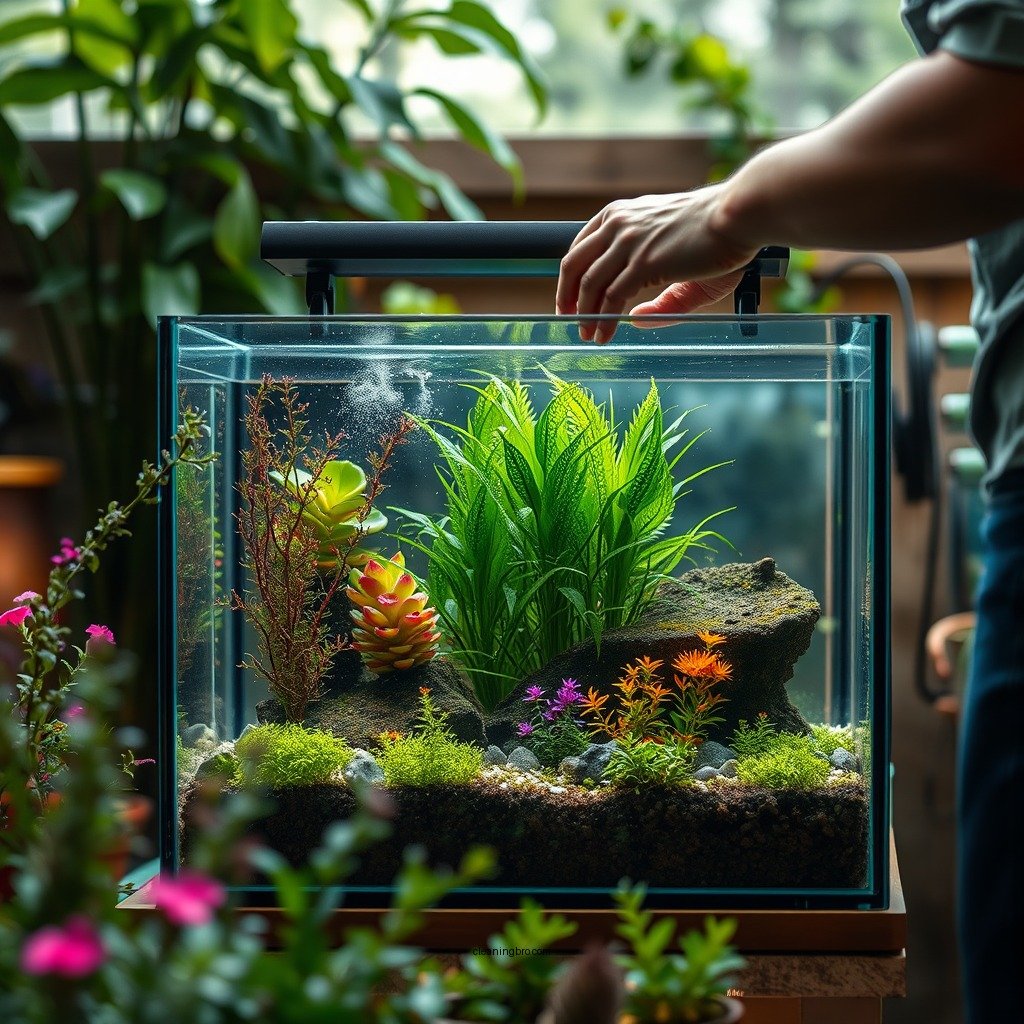
Before diving into the cleaning process, it’s essential to prepare adequately. Start by gathering all necessary supplies:
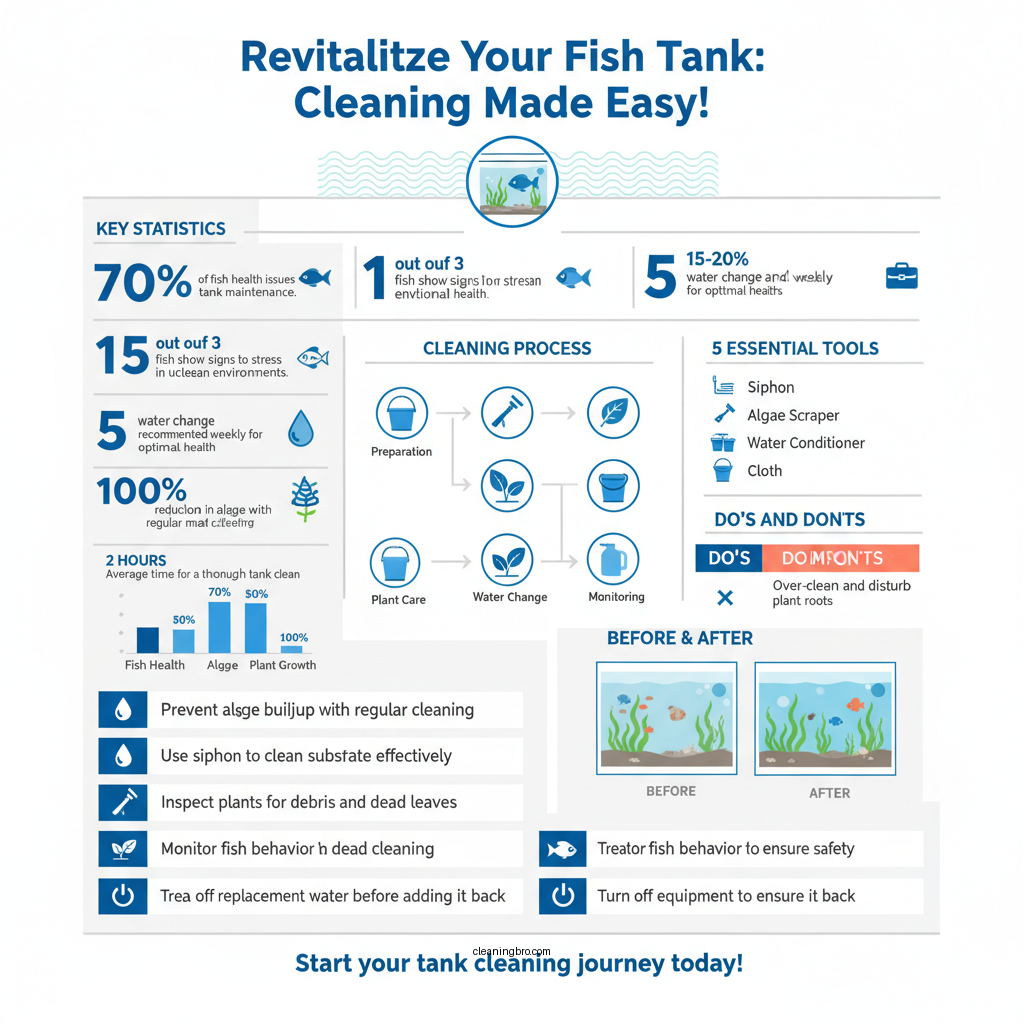
– A siphon (gravel vacuum) for substrate cleaning
– An algae scraper or sponge
– Clean buckets for water changes
– Replacement water that has been treated with a water conditioner
– A soft cloth or paper towels for exterior cleaning
Ensure that you prepare replacement water in advance. It should be treated to remove chlorine and other harmful chemicals typically found in tap water, which can adversely affect your fish and plants. Having everything ready enhances efficiency and reduces the time your fish spend in an unhealthy environment.
Steps to Clean the Tank
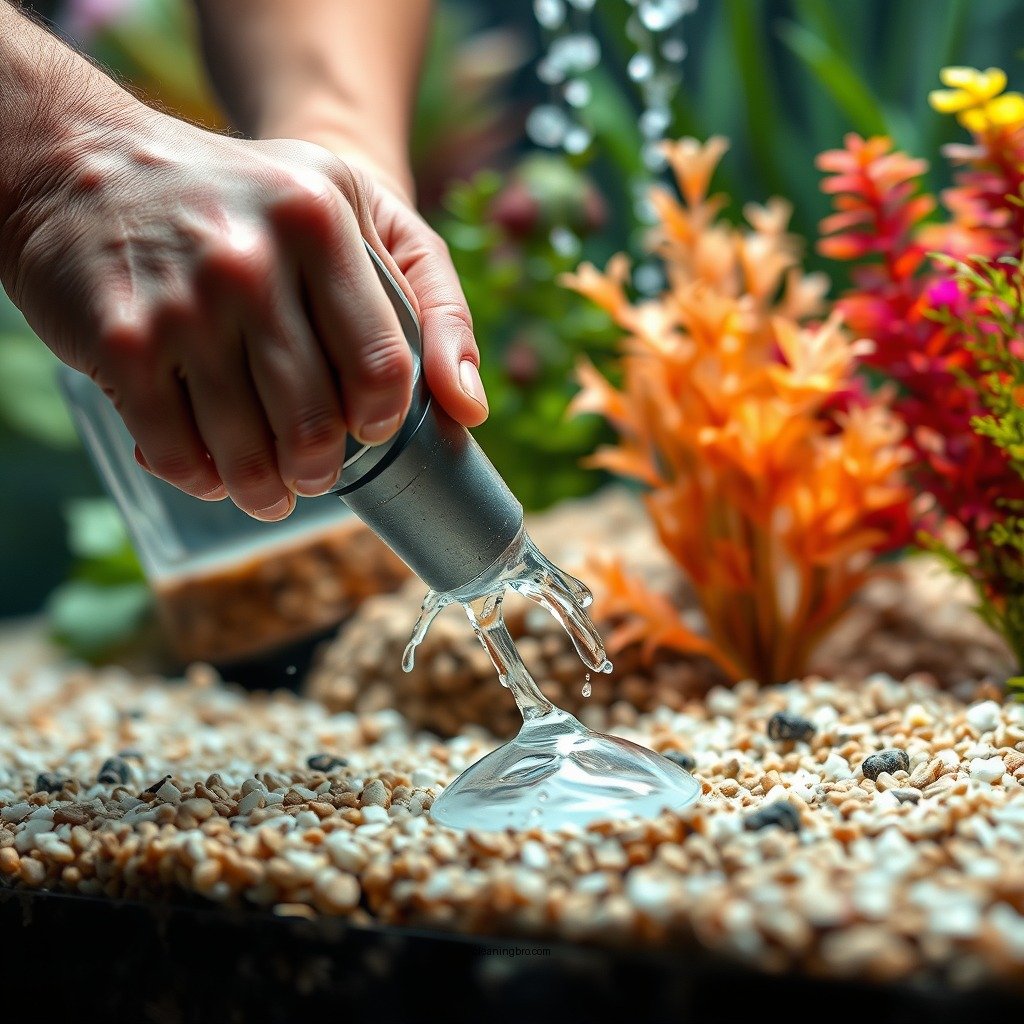
1. Turn Off Equipment: Begin by turning off all electrical equipment in your aquarium, including filters and heaters. This ensures safety and prevents damage during cleaning.
2. Siphon the Substrate: Using a siphon, gently vacuum the substrate to remove debris and waste. Be careful not to disturb plant roots—focus on the areas where waste accumulates while keeping the siphon slightly above the substrate.
3. Inspect Plants and Decorations: As you clean, take a moment to inspect your plants and decorations. Remove any dead leaves or debris that may have accumulated, as these can contribute to poor water quality.
4. Monitor Fish Behavior: Keep an eye on your fish. If they seem agitated or stressed, pause for a moment to let them acclimate to the changes in their environment.
Top 7 Essential Tools for Cleaning Planted Fish Tanks
| # | Tool | Purpose | Recommended Brand |
|---|---|---|---|
| 1 | Siphon | Debris removal | Python |
| 2 | Algae Scraper | Glass cleaning | Mag-Float |
| 3 | Water Conditioner | Water treatment | Seachem Prime |
| 4 | Bucket | Water changes | API |
| 5 | Sponge | Exterior cleaning | Aqueon |
| 6 | Tongs | Plant maintenance | Fluval |
| 7 | Test Kits | Water quality | API |
Cleaning the Glass and Decorations
To maintain the clarity of your aquarium, regularly clean the glass and decorations. An algae scraper or sponge is ideal for cleaning the inside of the glass without scratching it. Begin by gently scraping away any algae buildup, making sure to reach all corners and edges where algae may hide.
For cleaning decorations and rocks, always rinse them in aquarium water, not tap water, as the latter can kill beneficial bacteria that contribute to a healthy ecosystem. Gently scrub any visible algae or debris from these items, and then return them to the tank.
Maintaining the Filter
Your aquarium’s filter is vital for maintaining water quality, so it’s important to check and clean it regularly. Depending on the type of filter you have, the cleaning process may vary. Generally, you should rinse the filter media in tank water during water changes to remove any debris while preserving beneficial bacteria.
Performing Water Changes
Regular water changes are a cornerstone of aquarium maintenance. Aim to change 10-15% of the water weekly to keep optimal water conditions. This practice helps dilute toxins, replenishes essential minerals, and provides fresh water for your fish.
Before adding new water to your tank, treat it with a water conditioner to remove harmful chemicals. Ensure that the temperature and pH of the new water match that of your aquarium to minimize shock to your fish.
Different Water Change Methods: Bucket vs. Python vs. Automatic Systems
| Feature | ⭐ Python Siphon | Bucket Method | Automatic System |
|---|---|---|---|
| Ease of Use | ✅ Simple | ❌ Manual | ✅ Fully automatic |
| Cost | $30 | Free | $200+ |
| Time Required | 15 mins | 30 mins | 5 mins |
| Water Quality | ✅ High | ✅ Variable | ✅ Consistent |
| Flexibility | ✅ Adjustable | ✅ Limited | ❌ Fixed |
| Portability | ✅ Easy to carry | ✅ Bulky | ❌ Stationary |
| Setup | ✅ Quick | ❌ Time-consuming | ✅ Easy |
| Skill Level | ✅ Beginner-friendly | ✅ Basic skills required | ❌ Advanced setup |
| Maintenance | ❌ Regular | ✅ Frequent | ✅ Minimal |
| 🏆 Best For | Ease of use | Budget-conscious users | Automation enthusiasts |
Tips for Keeping the Tank Clean Longer
To extend the intervals between cleaning sessions, consider the following tips:
– Avoid Overfeeding: Overfeeding fish can lead to excess waste and uneaten food, which decomposes and pollutes the water. Feed your fish only what they can consume within a few minutes.
– Introduce Algae-Eating Fish or Invertebrates: Species such as Otocinclus catfish, Amano shrimp, and certain snails can help naturally control algae growth, reducing the burden on you to clean it manually.
– Optimize Plant Selection: Select fast-growing aquatic plants, as they can outcompete algae for nutrients, thus minimizing its growth.
– Regularly Monitor Water Parameters: Keep an eye on ammonia, nitrite, nitrate, and pH levels using test kits. Regular monitoring can help you catch any issues before they escalate.
By implementing these practices, you will not only maintain a clean tank but also create a harmonious environment conducive to the health and growth of your aquatic life.
In conclusion, keeping your planted fish tank clean is essential for the health of your aquatic ecosystem. By following the outlined steps, you can ensure a vibrant environment for your fish and plants. Regular maintenance will simplify the cleaning process and enhance the overall aesthetics of your aquarium. Start implementing these practices today to enjoy a beautiful, thriving aquarium that reflects your dedication to aquatic life.
Frequently Asked Questions
How often should I clean my planted fish tank?
You should aim to clean your planted fish tank every 1 to 2 weeks, depending on the bioload and plant growth. Regular maintenance helps prevent algae buildup and ensures a healthy environment for both fish and plants, while also allowing beneficial bacteria to thrive.
What is the best way to clean the substrate in a planted tank?
The best way to clean the substrate in a planted tank is by using a gravel vacuum during water changes. This tool effectively removes debris and waste without disturbing the plant roots, ensuring that the substrate stays clean and the plants remain healthy.
Why is algae growth a problem in a planted fish tank, and how can I minimize it?
Algae growth can be problematic in a planted fish tank as it competes for nutrients and light, potentially harming your plants and fish. To minimize algae, maintain a balanced lighting schedule, avoid overfeeding, and ensure proper filtration and water circulation.
Which cleaning tools are essential for maintaining a planted fish tank?
Essential cleaning tools for maintaining a planted fish tank include a gravel vacuum, algae scraper, and a soft sponge or cloth for wiping the glass. These tools help you efficiently remove waste, algae, and debris while protecting your plants and fish.
How do I clean the filter in a planted fish tank without harming beneficial bacteria?
To clean the filter in a planted fish tank without harming beneficial bacteria, rinse the filter media in tank water rather than tap water, as this preserves the bacterial colonies. Clean the filter every month or so, ensuring that you only remove a portion of the media to maintain a healthy balance.
References
- Aquarium
https://en.wikipedia.org/wiki/Aquarium - https://www.ncbi.nlm.nih.gov/pmc/articles/PMC6772509/
https://www.ncbi.nlm.nih.gov/pmc/articles/PMC6772509/ - https://www.sciencedirect.com/science/article/pii/S2351978917300352
https://www.sciencedirect.com/science/article/pii/S2351978917300352 - https://www.ncbi.nlm.nih.gov/pmc/articles/PMC7313803/
https://www.ncbi.nlm.nih.gov/pmc/articles/PMC7313803/ - Aquarium | Setup, Fish & Supplies | Britannica
https://www.britannica.com/science/aquarium - https://www.abc.net.au/education/life-in-the-water/cleaning-your-aquarium/12611668
https://www.abc.net.au/education/life-in-the-water/cleaning-your-aquarium/12611668 - Google Scholar Google Scholar
https://scholar.google.com/scholar?q=how+to+clean+planted+fish+tank - Google Scholar Google Scholar
https://scholar.google.com/scholar?q=cleaning+planted+aquarium+maintenance - Google Scholar Google Scholar
https://scholar.google.com/scholar?q=best+practices+for+cleaning+aquariums - https://www.therogerreport.com/cleaning-aquarium-fish-tank-guide/
https://www.therogerreport.com/cleaning-aquarium-fish-tank-guide/