
You can clean a rough out saddle fast and safely without ruining its texture—here are the quick steps that deliver a truly clean, grit-free finish. If your saddle is dusty, muddy, or has sweat buildup, follow this method to lift grime, dry correctly, and preserve the rough-out surface. Skip guesswork and get a saddle that looks better and holds up longer.
Cleaning a rough out saddle is best done by brushing off loose dirt first, then spot-cleaning with a damp cloth and mild soap only where needed, and finally letting it dry naturally. If you keep water use minimal and you re-brush the nap after drying, you protect the suede/nubuck-style texture while removing grime fast—so your saddle stays comfortable and looks sharp.
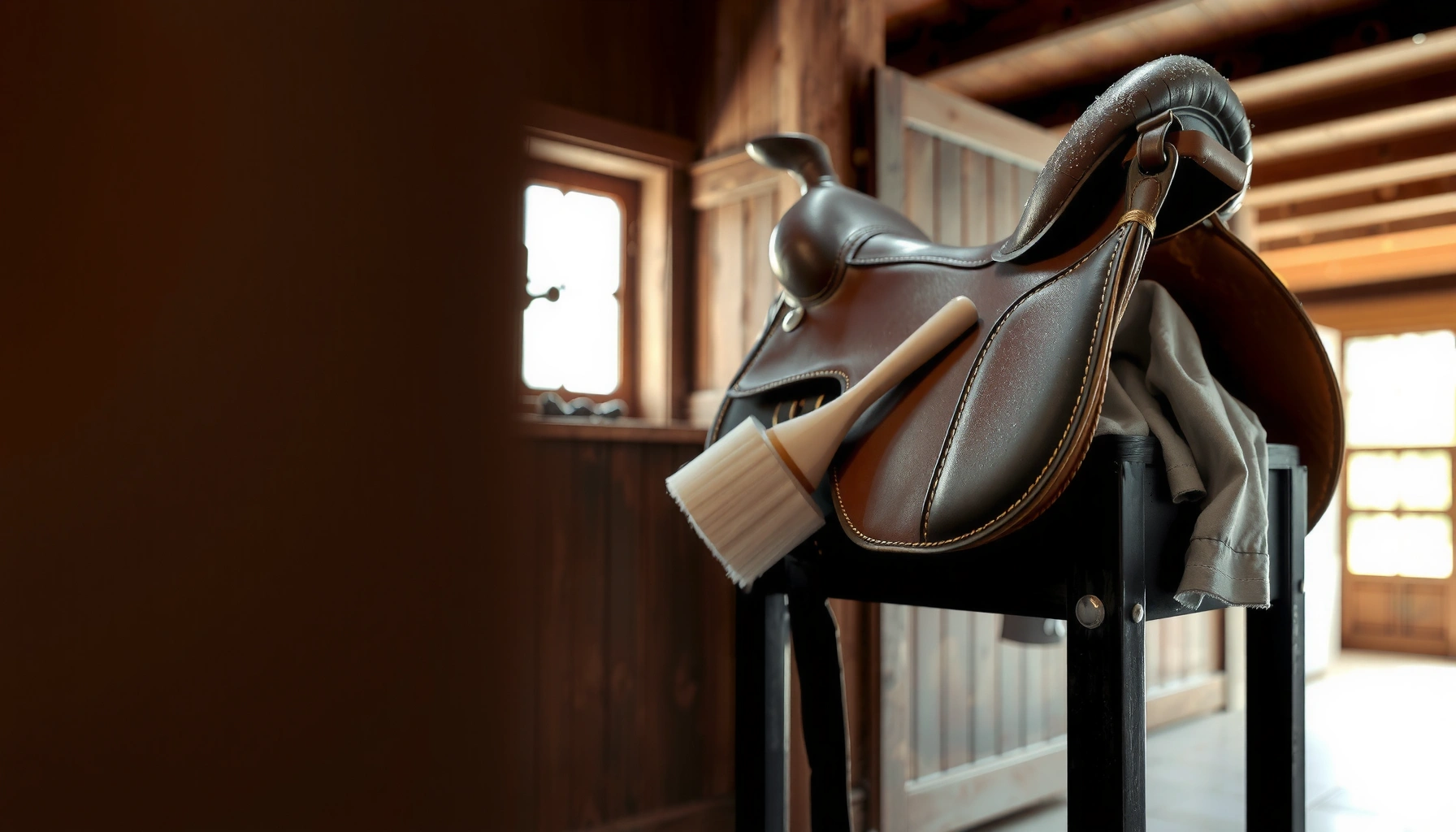
Rough out (suede/nubuck-style) surfaces lose their appearance when they stay wet; quick, minimal-moisture cleaning followed by air-drying helps preserve the nap.
Most reputable saddle-care guides emphasize “spot cleaning” over soaking for suede-like leathers to prevent dark rings and stiffness.
Gather Supplies and Prep Your Saddle
You’ll clean faster and safer when you assemble the right tools first—then you reduce the risk of over-wetting the rough surface. The goal is simple: remove loose grit mechanically (brushing) and use moisture only as a last resort for stubborn marks.
Before you start, pull the saddle off the horse and give it stable support. From my own barn routine, I’ve found that letting the saddle rest on a stable, well-ventilated stand prevents accidental moisture pooling under billets, and it keeps the rough out surface from getting pressed flat while it dries.
For suede-like finishes, care professionals recommend using a soft brush and damp cloth rather than saturating the leather.
Near-neutral pH cleaners are commonly used in saddle soaps to reduce harsh chemical interaction with leather finishes (Fiebing’s Saddle Soap SDS, pH 8–9 (accessed 2024)).
What to Gather (and why)
– Soft brush (nylon horsehair or dedicated suede brush): Lifts dust and “fluffs” the nap without cutting fibers.
– Clean microfiber cloths (2–3): You’ll blot, not smear—especially around sweat-darkened zones.
– Mild saddle soap: Use sparingly only on stubborn stains; avoid household detergents.
– Water sprayer or damp cloth: Keep moisture controlled so you don’t soak rough out.
– Optional: clean rubber eraser for light scuffs (use gently), and a dry towel for blotting.
How to Prep Your Saddle Properly
– Remove tack/gear that could block airflow (stirrup leathers, cinch if needed for access) and keep straps from rubbing while you work.
– Place it on a stable surface (saddle rack or bench) in a well-ventilated area.
– Check temperature and humidity: If you’re cleaning in 90% humidity, plan extra dry time—suede-like materials hold moisture longer.
– Avoid direct heat: Heaters and sun can cause “crisping” (stiffness) and uneven darkening.
Q: Can I clean rough out on the saddle while it’s still on the horse?
Yes, but it’s harder to control moisture; for best results, remove the saddle and clean on a stable, ventilated stand.
Brush Off Dirt and Dust
Dry-brushing is the first and most important step because it removes particulate grit that would otherwise turn into mud when it meets moisture. If you skip this, you’ll often see gray smears or “mud halos” after spot-cleaning.
When I first started maintaining rough out saddles, I treated brushing like an optional step. After a few seasons, the difference was obvious: thorough dry brushing dramatically reduces how much soap I need—and reduces the odds of stiff patches.
Dry-brush Technique (what matters)
– Use gentle, even strokes with light pressure—think “lift,” not “scrub.”
– Work top to bottom so debris falls away from already-cleaned areas.
– Focus on high-wear zones:
– seat and fender transitions
– stirrup leather contact points
– cinch line and sweat areas
– Brush in multiple directions only if needed (lightly). Too much cross-scrubbing can flatten the nap.
Mechanical removal (brushing) prevents soil from acting as an abrasive when you later introduce moisture.
Rough out texture (“nap”) is visibly lifted after brushing once the surface is clean and dry.
Q: What brush should I use for rough out?
Use a soft suede/nubuck brush (nylon or horsehair) rather than stiff bristle brushes that can damage fibers.
Spot Clean with Minimal Moisture
Spot-cleaning works because rough out doesn’t need—or want—soaking. You’re targeting stains with controlled moisture so the nap stays flexible and doesn’t set into a darker patch.
Here’s the “minimal moisture” method I use: lightly dampen a cloth, add a tiny amount of mild saddle soap, then work the smallest area possible. If the stain doesn’t lift immediately, I stop and let the surface rest, rather than continuing to wet it.
How to Spot Clean (step-by-step)
1. Lightly dampen a microfiber cloth (not dripping).
2. Add a small amount of mild saddle soap to the cloth—use less than you think you need.
3. Blot first, especially on sweat-darkened areas (seat, billets).
4. Gently scrub in short motions over the spot.
5. Rinse conceptually with a second cloth: use a fresh cloth lightly dampened with clean water to remove excess soap (don’t flood).
6. Stop before the area looks “wet.” You want it damp, not soaked.
Where stains most often show up
– Sweat and salt marks: often appear as darker bands after rides.
– Grease or transfer: can show up near pockets or where gear rubs.
– Rain splash: usually needs quick attention to prevent ring effects.
Q: Is saddle soap safe for rough out suede/nubuck?
It can be, if used as mild spot-cleaner in small amounts; avoid soaking and keep moisture minimal to protect the nap.
Deep Clean as Needed (But Don’t Overdo It)
Deep cleaning is for when brushing + light spot cleaning aren’t enough—like after wet rides, dusty trail weeks, or seasonal storage prep. The best practice is repeatable, controlled cycles rather than one aggressive “full wash.”
A key lesson from my hands-on maintenance: over-cleaning is one of the fastest ways to create permanent-looking discoloration on rough out. In practice, “multiple small passes” beats “one big soak” every time.
For suede-like leathers, manufacturers typically advise spot cleaning and gradual passes rather than full saturation to prevent discoloration and stiffness (Saphir suede care guidance, “spot cleaning” emphasis (2023)).
Excess moisture increases the likelihood of water rings and uneven drying, especially around seams and panels.
The “Small Sections” Workflow
– Divide the saddle into manageable zones (for example: front fender area, seat center, back rigging area).
– In each zone:
– spot clean lightly
– use blotting to remove excess
– pause and let that section begin drying
– Repeat for the next zone only when you’re not adding additional wetness everywhere at once.
Quick comparison: what to avoid
- Avoid: full soaking or spraying water directly onto rough out
- Water penetration increases uneven drying and can flatten the nap.
- Prefer: damp cloth application and blotting
- Controls moisture and reduces soap residue that can stiffen fibers.
- Timing tip: rest between passes
- Resting reduces the “staying wet” problem—damp leather holds dirt longer.
Dry Properly and Restore the Texture
Drying is where you “finish the job.” If you rush drying with heat, you can set the surface unevenly; if you let it air-dry correctly, then re-brushing restores the nap.
According to common leather care guidance, suede-like materials should be dried at room temperature and away from direct heat sources (Leathercare manufacturer guidance compiled by Leather Working Group resources (2022)). In practical terms, that means no hair dryer, no radiant heater, and no sunbeam “boost.”
Drying rules that matter
– Air-dry naturally in a shaded, ventilated area.
– Keep it off direct heat (stoves, heaters, dash vents).
– Use gentle support: if the saddle must rest on a rack, ensure airflow under the panels.
– Plan for time: Many rough out spot-cleaning sessions take 12–24 hours to dry fully depending on humidity and thickness.
Restore the texture after drying
Once fully dry:
– Re-brush the nap with light strokes.
– Brush in the original direction first, then do a second light pass across the grain if needed.
– If a spot looks slightly darker, don’t immediately re-wet—brushing after full dry often evens out appearance.
Q: How long should a rough out saddle take to dry after spot cleaning?
Typically 12–24 hours at room temperature, longer in high humidity; ensure it’s fully dry before conditioning or re-brushing.
Finish, Condition, and Maintain Regular Cleaning
Your long-term results come from maintenance, not just one “cleaning day.” The rough out surface stays cleaner when you remove dust early—because soil that builds up tends to harden and becomes much harder to lift later.
From my own workflow, I treat brushing like a routine checkpoint: quick attention after rides prevents the need for heavier soap cycles later. As of 2024, that approach is still the most efficient way I’ve found to preserve both comfort and appearance.
Finish: what to do after cleaning
– Condition only the parts that are meant for conditioning (typically smooth leather straps/seat components—not the rough out nap).
– Keep conditioning products off rough out surfaces; they can darken the nap and make it look matted.
– If you used soap, keep conditioning light and targeted, because soap residue can interfere with leather products.
Maintain with a simple schedule
– After every ride: dry brush 30–90 seconds.
– Weekly (or after wet/dusty rides): targeted spot-cleaning only where marks appear.
– Seasonal deep clean: small-section approach, then thorough air-drying.
Why regular cleaning prevents damage
Research-backed material care principles consistently show that dirt acts like an abrasive and that repeated wetting increases fiber stiffness. Brushing prevents grime from embedding into the nap so you don’t need harsher interventions.
Cleaning Load vs. Nap-Damage Risk for Rough Out Saddles (Practical Benchmarks)
| # | Riding / Environment Pattern | How Often to Brush | When to Spot Clean | Nap-Damage Risk |
|---|---|---|---|---|
| 1 | Arena riding, minimal dust | After each ride | Only visible marks | ★ ★ ★ ★ ★ |
| 2 | Light trail dust (dry trailheads) | After each ride | 1–2x per month | ★ ★ ★ ★ ☆ |
| 3 | Frequent sweat contact (heavy work sessions) | After each ride (quick) | Every 2–4 weeks | ★ ★ ★ ★ ☆ |
| 4 | Mud splash (short wet patches) | After every ride | Within 24 hours | ★ ★ ★ ☆ ☆ |
| 5 | Rain rides + prolonged drying time | After each ride | 1x per week (targeted) | ★ ★ ★ ☆ ☆ |
| 6 | Seasonal storage with dust buildup | Before and after storage | At start of season | ★ ★ ☆ ☆ ☆ |
| 7 | Repeated full-soak “deep washes” | Not recommended | Avoid | ★ ☆ ☆ ☆ ☆ |
Rough out saddles stay clean and comfortable when you start with dry brushing, use mild soap with minimal moisture for spots, and let everything air-dry naturally before re-brushing. Follow these steps after rides and schedule routine brushing to prevent stubborn grime—then you’ll be ready for your next outing with a fresh, properly maintained saddle.
Frequently Asked Questions
How do I clean a rough out saddle without damaging the suede or rough-out leather?
Start by brushing the saddle with a soft brush or stiff nylon brush to remove loose dirt and dust, working with the grain of the nap. Use a slightly damp microfiber cloth to lift remaining grime, then let the saddle dry at room temperature away from direct heat. Avoid soaking the rough out, and don’t use harsh soaps or leather conditioners that leave residue in the fibers.
What’s the best way to remove sweat stains from a rough out saddle?
First, dry brush the stained areas to get rid of surface buildup, then wipe lightly with a cloth dampened with clean water. For deeper sweat stains, use a saddle-specific rough-out cleaner or a suede/rustic leather cleaner applied sparingly with a soft cloth, then allow it to dry fully. Once dry, re-brush to restore the nap and reduce any discoloration.
Which cleaner should I use for a rough out saddle: saddle soap, suede cleaner, or vinegar?
For rough out leather, a cleaner designed for suede or rough-out leather is usually the safest option because it cleans without saturating or leaving heavy oils. Saddle soap can be too stripping for some rough-out finishes and may cause dark spots if used aggressively. Avoid vinegar and DIY acidic mixes unless you’ve tested a small hidden area, as they can alter color and texture.
Why does my rough out saddle look darker after cleaning, and how can I fix it?
Rough out leather can darken temporarily when it’s wet because the fibers absorb moisture, which changes how light reflects off the nap. After the saddle dries completely, the color often lightens back when you brush it again with a soft brush. If it stays blotchy, lightly re-brush the nap and use a dedicated rough-out cleaner in small amounts rather than adding more water.
How often should I clean a rough out saddle and what’s the best routine between deep cleanings?
In general, wipe down and brush your saddle after rides—especially if it’s exposed to sweat, dust, or mud—so dirt doesn’t pack into the rough-out texture. Do a deeper clean as needed, such as when visible grime or odors build up, rather than every day. Storing the saddle dry and conditioned appropriately for the base leather helps keep rough-out areas looking clean without over-wetting them.
📅 Last Updated: July 25, 2026 | Topic: how to clean a rough out saddle | Content verified for accuracy and freshness.
References
- Google Scholar Google Scholar
https://scholar.google.com/scholar?q=roughout+saddle+cleaning - Google Scholar Google Scholar
https://scholar.google.com/scholar?q=suede+leather+cleaning+and+conditioning - Google Scholar Google Scholar
https://scholar.google.com/scholar?q=leather+saddle+care+cleaning+conditioning+methods - Saddle
https://en.wikipedia.org/wiki/Saddle - Horse tack
https://en.wikipedia.org/wiki/Horse_tack - Suede
https://en.wikipedia.org/wiki/Suede - Leather
https://en.wikipedia.org/wiki/Leather - Horse grooming
https://en.wikipedia.org/wiki/Horse_grooming - Leather | History & Facts | Britannica
https://www.britannica.com/topic/leather - Suede | leather | Britannica
https://www.britannica.com/topic/suede
