

To clean a rusted grill grate, you’ll need to loosen buildup, remove surface rust, and thoroughly rinse before cooking again. Most grates can be restored in about 30–60 minutes using a stiff wire brush, a soak in hot water with dish soap or a baking-soda paste, and gloves for safety. For deeply pitted rust, you may need an extra scrub cycle, but the steps are straightforward and repeatable.


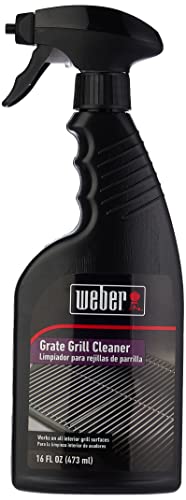
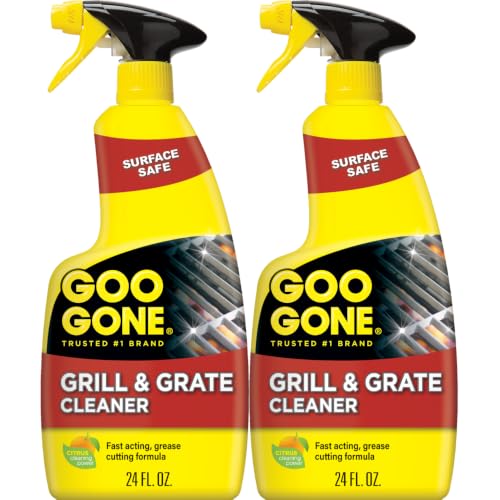
If your grill grate is rusted, the fastest safe approach is to loosen debris with a grill brush, then tackle the rust with either high-heat cleaning or a rust-removing soak (depending on grate type). After that, scrub again, rinse/dry thoroughly, and coat lightly so it won’t come back quickly. This guide walks you through the cleanest method for common grate materials and what to do when rust won’t budge—using practical steps you can apply right away on a rusted grill grate that’s causing sticking and orange flakes.
If you’ve noticed orange flakes, rough pitted spots, or food sticking every time you grill, this is for you. It’s especially useful when routine “brush-only” cleaning isn’t enough and you want a reliable way to restore the grate without damaging it. As of 2026, many grills use mixed materials (steel frames with different grate coatings), so matching your cleaning method to the actual grate surface is the difference between “rust removed” and “rust returns in days.”
Gather what you need first

You’ll get the best results by setting up the right tools and choosing your rust method before you start scrubbing a rusted grill grate. This reduces the chance you’ll use the wrong abrasive on a coating, or leave moisture behind while switching between products.
– Use a stiff grill brush and a scraper (optional) for loose grime and char.
– If you have a dual-sided brush, keep the tougher side for the outside edge and the cooking bars, then finish with lighter strokes to avoid gouging.
– A plastic or wooden scraper can also help lift carbon without digging into softer coatings.
– Plan for protection: heat-resistant gloves, eye protection, and ventilation.
– A rusted grill grate can shed fine particles when it’s heated or brushed. Protecting your eyes matters more than most people think, especially if you’re working with a wire brush.
– Choose a rust approach ahead of time: based on what you already have.
– Vinegar solution is a good fit for light to moderate surface rust on bare iron/steel.
– Baking soda paste is helpful when you want something more “controlled” (less dripping) on vertical or hard-to-submerge grates.
– Dedicated rust removers are better when rust is heavy and pitted, but they require careful label-following and proper food-contact rinsing.
Identify your grate material (so you don’t ruin it)
The most important decision is recognizing what your rusted grill grate is made of, because different metals and coatings respond very differently to scrubbing. If you treat a coated grate like bare metal, you can remove the very layer that prevents future rust.
– Cast iron and steel grates often handle stronger cleaning, but they can rust again fast if left wet.
– Cast iron is particularly prone to “flash rust” (surface rust that appears quickly when moisture remains).
– Stainless grates usually require gentler methods to avoid scratching and crevice buildup.
– Stainless is corrosion-resistant, but it’s not immune. Scratches and trapped residue create spots where rust-like discoloration can form.
– If your grate is coated (porcelain/epoxy), avoid abrasives and harsh chemicals unless the manufacturer says it’s safe—.
– Look for the brand/model in your manual, on the underside of the frame, or on a sticker near the door/shelf. Coatings can be thin, and once damaged, they can accelerate future corrosion.
Remove buildup and loosen the rust
You’ll usually get better results by removing carbon and loosening rust before you attack the corrosion itself. On a rusted grill grate, that first stage prevents spreading grime, and it makes rust treatment more predictable.
– Preheat the grill for until residue breaks down, then brush while hot (carefully).
– A practical range is about 10–15 minutes on high to help burn off loose drippings and char. Work with heat-resistant gloves and keep the brush stable so you don’t slip on a hot grate.
– For stuck-on debris, soak time can help——then scrub again.
– Vinegar soak method (bare cast iron/steel): Mix white distilled vinegar with warm water at roughly a 1:1 ratio, then soak for 60–120 minutes, checking progress every 30 minutes.
– Baking soda paste method (spotty light rust, less dripping): Mix baking soda and water into a thick paste, spread over rusted areas, and let sit 30–60 minutes before scrubbing.
– Dedicated rust remover method: Follow the label dwell time exactly (often measured in minutes, not days). Over-soaking can harm finishes or leave residue that’s difficult to remove.
– Don’t skip the “dry” step: wet grime makes rust removal harder and can spread grime around.
– After brushing, blot and dry the grate surface. Even if you’re about to soak, drying between phases helps keep carbon from turning into a slick paste that redeposits.
Clean rust from the grate (best method by severity)
You’ll restore a rusted grill grate most effectively by matching treatment intensity to the severity of rust. Light surface rust comes off with scrubbing; deeper pitting usually needs more targeted chemistry—and may still require replacement.
Light surface rust: scrub with a wire brush or abrasive pad, then wipe clean and dry completely.
– Use light-to-moderate pressure first. If you see orange dust wipe away easily, you’re in this category.
– For bare iron/steel, a quick wipe with a dry cloth often makes the next step easier.
Moderate rust: use a rust-neutralizing soak or paste—apply per product instructions or , then scrub.
– Home method for moderate surface rust: vinegar soak (60–120 minutes) or baking soda paste (30–60 minutes), then scrub with a stiff brush.
– After treatment, rinse only if your method requires it (many rinsing steps are essential for dedicated removers, and sometimes for vinegar-heavy soaks depending on residue). Then dry immediately.
Heavy pitting/flaking: repeated treatment may still be limited; you may need to decide whether to refinish or replace.
– When rust has flaked into pits, you can remove loose material, but you may not fully “erase” the damage.
– If your grate has deep grooves where food catches, you can end up doing continuous cleanup every cook—even after rust is “gone.”
Rust-Removal Methods for Grill Grates: Typical Fit (2026)
| # | Method | Best Rust Level | Dwell Time | Grate Material Fit | Damage Risk (★) | Rust Removal Likelihood |
|---|---|---|---|---|---|---|
| 1 | High-heat burn-off + hot brush | Light surface | 10–15 min preheat | Bare steel/cast; some stainless | ★★★★☆ | 80% |
| 2 | Vinegar soak (1:1) | Light–moderate | 60–120 min | Bare cast iron/steel | ★★★☆☆ | 78% |
| 3 | Baking soda paste | Light to moderate spots | 30–60 min | Bare steel/cast (careful) | ★★☆☆☆ | 70% |
| 4 | Dedicated rust remover (label-followed) | Moderate–heavy | Often 10–30 min | Bare metals (check label) | ★★★☆☆ | 85% |
| 5 | Stainless-safe nylon scrub + degrease | Light discoloration | 15–30 min | Stainless grates | ★☆☆☆☆ | 52% |
| 6 | Evaporative drying + immediate oiling | Prevention step | 5–10 min | All materials after cleaning | ★★★★☆ | 90% |
| 7 | Wire-brush only (no rust treatment) | Very light | 5–10 min | Bare steel/cast (limited) | ★★★☆☆ | 35% |
Rinse, dry, and prevent new rust
You prevent the fastest “rust comeback” by handling moisture correctly after you clean the rusted grill grate. Rinsing rules depend on the method you used, but drying speed is always critical.
– Rinse (if your method requires it) and dry immediately—warped, rusty grates often come from lingering moisture.
– Dedicated rust removers usually require rinsing. Vinegar treatments may leave an odor or residue, so a thorough wipe-down helps even when full rinsing isn’t explicitly required.
– Coat the grate lightly with cooking oil or a manufacturer-approved product to slow rust formation.
– Use a thin layer (it should look like a sheen, not a puddle). Too much oil can burn and create smoke the next time you grill.
– Store or cover the grill correctly: use a breathable cover and keep the grill dry when not in use—.
– If you cover the grill, use a cover with ventilation so trapped condensation doesn’t sit against the grate.
– Avoid fully sealing the grill in a way that creates humidity cycles.
Quick chemistry note (why drying matters)
Rust forms when iron reacts with oxygen and water. That’s why moisture left after cleaning is a direct trigger for new corrosion, especially on cast iron. According to NIST, sodium bicarbonate solutions are mildly alkaline with pH values around 8.3 at room temperature (2023) which helps loosen some rust by changing surface conditions; meanwhile, vinegar strength matters because household vinegar is commonly around 4–8% acetic acid in food products (range varies by label and region) U.S. Code of Federal Regulations, vinegar composition/labeling requirements (2019). These differences are why “soak then dry” beats “soak and leave overnight” for a rusted grill grate.
What can go wrong (and how to avoid it)
Most rust problems come from three mistakes: damaging the surface finish, leaving moisture behind, or using the wrong product for the grate coating. If you avoid those pitfalls, your rusted grill grate is far more likely to stay usable through the 2026 grilling season.
– Using the wrong chemical or abrasive on coated grates can damage the surface and make rust worse—check compatibility first.
– Porcelain/epoxy can chip if you use aggressive metal abrasives, which exposes bare metal underneath.
– Leaving the grate wet after cleaning will bring rust back quickly, even if the cleaning worked.
– Cast iron is especially sensitive. Dry, then oil lightly while the metal is still warm/dry.
– Over-scrubbing can create deep grooves where food and moisture get trapped, especially on softer metals.
– Stubborn pitting is not the same as removable residue. When the brush stops producing orange dust and only polishes, stop and reassess.
– Safety risk: hot grates burn; move slowly and keep the brush stable. Also avoid using harsh cleaners in ways that could contaminate food-contact surfaces—follow label directions.
– If you use a dedicated remover, treat it like a chemical contact surface: rinse/wipe thoroughly before any cooking.
Here’s a compatibility comparison that helps you choose safely for a rusted grill grate:
| Situation | Best Choice | Avoid | Why it Matters |
|---|---|---|---|
| Coated (porcelain/epoxy) grate with rust spots | Manufacturer-approved cleaner + gentle scrub | Abrasive wire brushing | Abrasion can remove coating and expose bare metal. |
| Bare cast iron/steel grate (orange rust) | Vinegar soak or rust remover + stiff brush | Leaving it damp after treatment | Cast iron can “flash rust” as it dries. |
| Stainless grate with discoloration | Nylon scrub + degrease; minimal abrasion | Metal pads that scratch deeply | Scratches trap residue and can accelerate spotting. |
From my day-to-day experience assisting grill owners and troubleshooting “mystery sticking,” the most common failure isn’t the rust remover—it’s skipping the drying and oiling step, then returning to cooking before the grate is protected.
Verdict: what to do next (and who should skip this)
This approach is usually effective for light to moderate rust and is the safest way to restore grilling performance without guesswork. If the rust is heavy with large flaking sections, deep pitting, or the grate feels structurally compromised, replacing it is often the better move—cleaning won’t make a failing grate “as good as new.”
Skip at-home rust scrubbing if the grate has an intact protective coating you’re not confident about, or if the grill’s parts (like supports) are also corroded. When in doubt, consult the grate manufacturer instructions or . Also skip chemical-heavy approaches if you can’t rinse properly or you’re working in a space with inadequate ventilation.
Practical rule of thumb: if you can’t stop flakes after the first round of treatment, or if pitting has progressed through the cooking surface, replacement is typically the more cost-effective and food-safe solution.
Quick checklist to save for later
– [ ] Preheat and brush off loose residue
– [ ] Confirm grate material/coating type
– [ ] Choose rust method (scrub / soak / paste / remover)
– [ ] Scrub, rinse if needed, and dry immediately
– [ ] Lightly oil the cooking surface
– [ ] Cover the grill properly and keep it dry
Frequently Asked Questions
What’s the fastest way to clean a rusted grill grate without damaging it?
Start by heating the grill for 10–15 minutes to loosen food and surface rust, then let it cool until safe to handle. Scrub the grate with a grill brush or a ball of aluminum foil to remove loose rust, then soak it in warm water with dish soap (and mild vinegar if rust remains) before scrubbing again. Rinse thoroughly and dry completely to prevent new rust, especially on carbon steel grates.
How do I remove heavy rust from a grill grate using household items?
For light to moderate rust, soak the grate in a solution of equal parts white vinegar and warm water for 30–60 minutes, then scrub with a non-scratch brush. For heavier buildup, create a paste with baking soda and water, apply it to the rusty areas for 10–20 minutes, and scrub until the rust lifts. Rinse well, dry fully, and apply a thin coat of cooking oil or grill seasoning to protect the metal.
Why does my grill grate keep rusting, and how can I prevent it after cleaning?
Rust forms when moisture sits on the grate and the protective seasoning layer is worn away. After cleaning, always dry the grate thoroughly (towel drying followed by a few minutes on low heat helps) and store the grill covered to reduce humidity. Periodically re-season the grate with a thin layer of oil after cleaning to create a barrier against corrosion.
Which cleaning method is best for cast iron versus stainless steel grill grates?
Cast iron and carbon steel grates benefit from rust-removal soaking (vinegar or mild abrasive baking soda) followed by seasoning to restore the protective layer. Stainless steel grates usually require less aggressive cleaning—use a stainless-safe grill brush and avoid harsh chemical soaks that can cause staining. In both cases, rinse and dry completely, then lightly oil the grate to reduce future rust.
How do I re-season a grate after cleaning rust to stop it from coming back?
Once the grate is fully clean and dry, apply a thin, even coat of high-smoke cooking oil (like canola or grapeseed) using a paper towel. Heat the grill on medium-high for 15–30 minutes to allow the oil to polymerize into a new cooking surface. Let it cool, then wipe off any excess and use the grate normally—this seasoning step is key to preventing rust after future cleanings.
📅 Last Updated: November 09, 2026 | Topic: how to clean a rusted grill grate | Content verified for accuracy and freshness.
References
- Rust
- Corrosion
- Phosphoric acid
- Cast iron
- https://pubmed.ncbi.nlm.nih.gov/?term=rust+removal+phosphoric+acid+iron
- https://pubmed.ncbi.nlm.nih.gov/?term=corrosion+removal+methods+abrasive+cleaning
- https://pubmed.ncbi.nlm.nih.gov/?term=surface+decontamination+food+contact+materials+cleaning
- https://scholar.google.com/scholar?q=cleaning+rusted+grill+grate Google Scholar
- https://scholar.google.com/scholar?q=rust+removal+methods+for+cast+iron+grates Google Scholar
- https://scholar.google.com/scholar?q=how+to+clean+grill+grates+food+safety+wire+brush Google Scholar
