
How to Clean a Serpentine Belt: A Simple Guide
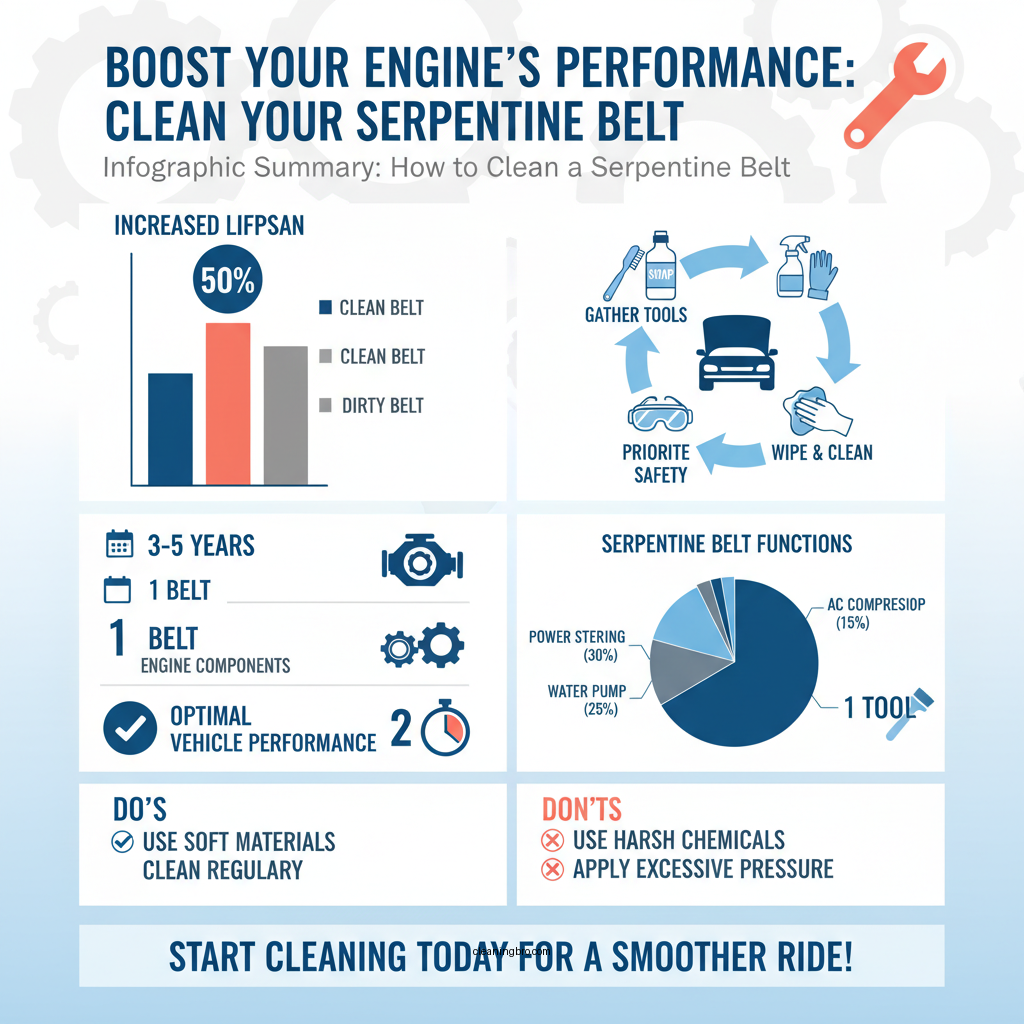
Cleaning a serpentine belt is straightforward and can enhance its longevity and performance. This process helps remove dirt, debris, and any residue that may cause wear or noise. Regular cleaning not only improves the belt’s efficiency but also prevents potential issues that could lead to costly repairs. In this guide, you’ll learn the best methods for effectively cleaning your serpentine belt to keep your vehicle running smoothly.
Understanding the Serpentine Belt
The serpentine belt is an essential component of your vehicle’s engine system. It is responsible for powering multiple engine components, including the alternator, power steering pump, water pump, and air conditioning compressor. Unlike older vehicles that used multiple belts for these functions, most modern vehicles utilize a single serpentine belt due to its efficiency and space-saving design.
Tools and Materials Needed
Before you start the cleaning process, ensure you have the following tools and materials readily available:
– Soft brush or cloth for cleaning: A soft brush or microfiber cloth is essential to avoid damaging the belt during the cleaning process.
– Mild soap or belt cleaner: Use a mild soap solution or a specialized belt cleaner to effectively remove grime without harming the rubber material of the belt.
– Water and a spray bottle: A spray bottle filled with water makes it easier to apply the cleaning solution without soaking the belt.
– Safety goggles and gloves for protection: Always prioritize safety by wearing gloves to protect your hands and goggles to shield your eyes from any debris.
Step-by-Step Cleaning Process

Cleaning a serpentine belt involves a few straightforward steps:
– Step 1: Safely access the serpentine belt by opening the hood and removing any obstructions that may block your view of the engine. This may include plastic covers or other engine components. Always ensure the engine is cool before starting.
– Step 2: Use a soft brush or cloth to gently wipe the belt surface, removing any dirt and grime. Be careful not to apply too much pressure, as excessive force can damage the belt. If necessary, lightly spray the belt with your cleaning solution to help dissolve stubborn residue.
– Step 3: After cleaning, inspect the belt for any signs of wear or damage. This is a crucial step as it allows you to address any potential issues before they lead to failure.
Top 7 Common Serpentine Belt Issues and Their Causes
| # | Issue | Cause | Symptoms |
|---|---|---|---|
| 1 | Cracking | Age or heat exposure | Squeaking noise |
| 2 | Fraying | Improper installation | Visible wear |
| 3 | Glazing | Overheating | Slipping |
| 4 | Misalignment | Worn pulleys | Uneven wear |
| 5 | Loosening | Wear on tensioner | Belt slippage |
| 6 | Contamination | Fluids or dirt | Noise and vibration |
| 7 | Belt Stretch | Extended use | Increased noise |
Inspecting the Belt for Damage
After cleaning, it’s essential to inspect the serpentine belt for any signs of damage. A thorough inspection should include looking for:
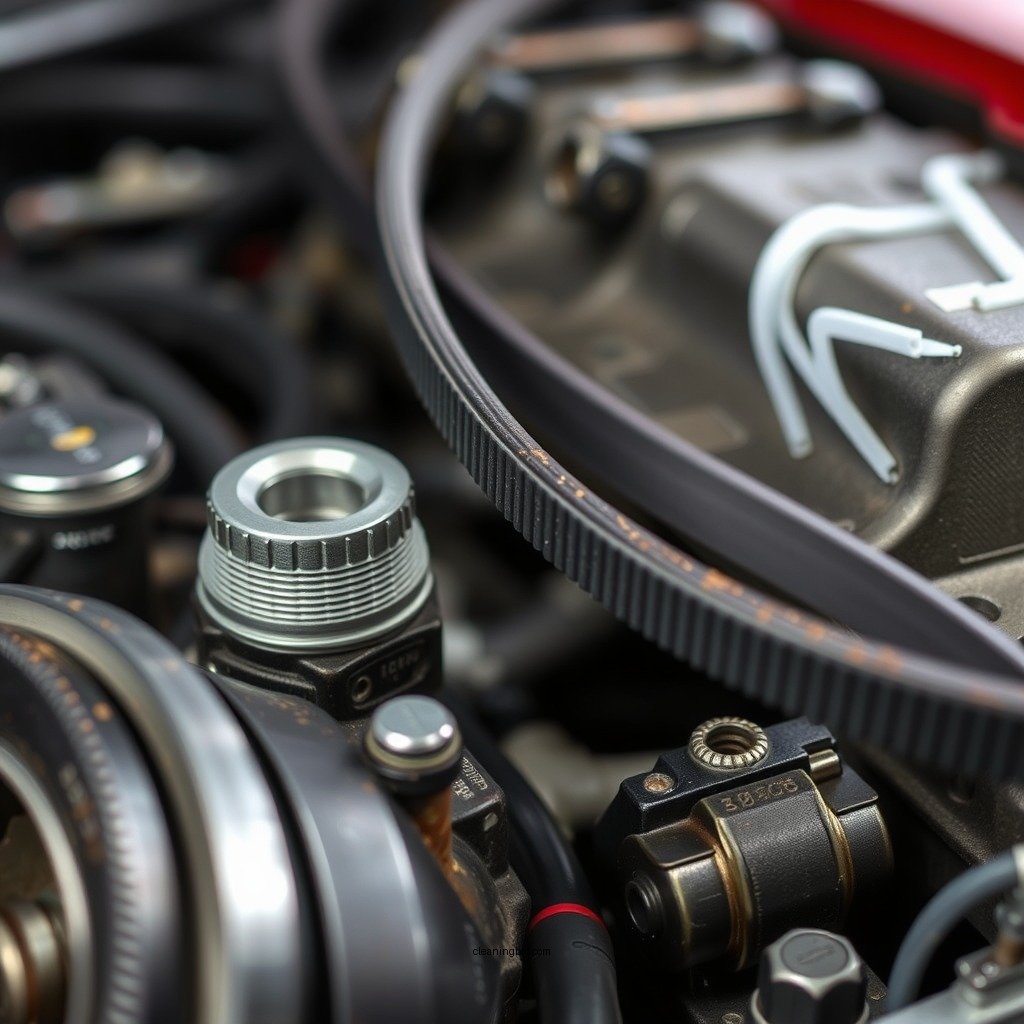
– Cracks: Small fissures or fraying on the surface of the belt can indicate age or wear.
– Glazing: A shiny appearance on the belt surface suggests that it has been overheating, which can lead to slipping.
– Frays or Shreds: Visible wear patterns can indicate that the belt is nearing the end of its lifespan.
Regular inspections during the cleaning process can help catch issues early, allowing for proactive maintenance that can prevent unexpected breakdowns.
Tips for Maintaining a Clean Serpentine Belt
To keep your serpentine belt in optimal condition, consider the following maintenance tips:
1. Avoid harsh chemicals: Using harsh chemicals or solvents can deteriorate the rubber of the belt, leading to premature wear. Stick with mild soaps or dedicated belt cleaners.
2. Set a cleaning schedule: Regular cleaning intervals can vary, but aim for every six months or as needed based on driving conditions. If you frequently drive in dusty or dirty environments, more frequent cleaning may be necessary.
3. Check tension regularly: Ensure that the tension of the belt is within manufacturer specifications. An overly loose or tight belt can lead to wear and potential failure.
4. Monitor engine components: Keep an eye on the components the belt drives. If any of these components are malfunctioning, they can adversely affect the serpentine belt’s condition.
Signs That Your Serpentine Belt Needs Replacement
Even with proper maintenance, serpentine belts have a finite lifespan. Here are some signs that your serpentine belt may need replacement:
– Squeaking or squealing noises: If you hear unusual noises coming from the engine area, it could indicate that the belt is slipping or worn out.
– Visible wear patterns or cracks: If you notice any signs of damage during your inspection, it’s crucial to replace the belt as soon as possible.
– Loss of power steering or other components: If you experience a sudden loss of power steering or other functions powered by the serpentine belt, it may have failed entirely.
Best Serpentine Belt Cleaners: A Comparative Analysis
| Feature | ⭐ Cleaner A | Cleaner B | Cleaner C |
|---|---|---|---|
| Price | $12.99 | $9.99 | $15.99 |
| Application Method | Spray | Wipe | Spray |
| Drying Time | Quick | Moderate | Quick |
| Eco-friendly | ✅ | ❌ | ✅ |
| Available Sizes | 12 oz, 24 oz | 8 oz | 16 oz |
| Safe for Belts | ✅ | ✅ | ❌ |
| Residue After Use | No residue | Some residue | No residue |
| User Ratings | ★★★★☆ | ★★★☆☆ | ★★★★★ |
| 🏆 Best For | Eco-conscious users | Budget-conscious buyers | Premium users |
By following these simple cleaning steps and maintenance tips, you can help extend the life of your serpentine belt and ensure your engine runs efficiently. Regular inspections, proper cleaning methods, and awareness of signs that indicate the need for replacement are crucial aspects of maintaining the serpentine belt’s functionality. Remember to take action today to keep your vehicle in top shape!
Frequently Asked Questions
How can I effectively clean a serpentine belt?
To clean a serpentine belt, you can use a soft cloth or a brush to remove dirt and debris. It’s recommended to use a mild soap solution or a dedicated belt cleaner, avoiding any oil-based products that could degrade the rubber. Ensure the belt is dry before reinstallation to prevent slippage or damage.
Why is it important to clean my serpentine belt?
Cleaning your serpentine belt is essential because it helps maintain optimal performance and prolongs its lifespan. Dirt and grime can cause slipping, leading to issues with the connected components like the alternator and water pump. Regular maintenance, including cleaning, ensures the belt operates smoothly and reduces the risk of premature wear.
What products are best for cleaning a serpentine belt?
The best products for cleaning a serpentine belt include non-oil-based cleaners specifically designed for rubber components. Look for belt-specific cleaning agents or mild dish soap mixed with water. Avoid harsh chemicals or solvents, as they can deteriorate the rubber material of the belt.
How often should I clean my serpentine belt?
It’s advisable to clean your serpentine belt every few months or during routine maintenance checks. If you notice excessive dirt buildup, squeaking noises, or slipping, it’s a good idea to clean it immediately. Regular inspections can help catch any potential issues early, ensuring the longevity of your serpentine belt.
Which signs indicate that my serpentine belt needs cleaning or replacement?
Signs that your serpentine belt may need cleaning include visible dirt buildup, squeaking or squealing noises, and poor functioning of accessories like the alternator or power steering. If you notice cracks or fraying along the belt, it’s time for a replacement rather than just cleaning. Regularly inspecting the belt can help identify these issues early on.
References
- Serpentine belt
https://en.wikipedia.org/wiki/Serpentine_belt - https://www.sciencedirect.com/topics/engineering/serpentine-belt
https://www.sciencedirect.com/topics/engineering/serpentine-belt - Google Scholar Google Scholar
https://scholar.google.com/scholar?q=how+to+clean+a+serpentine+belt - https://www.britannica.com/science/serpentine-belt
https://www.britannica.com/science/serpentine-belt - autobest.co.uk – autobest Resources and Information.
https://www.autobest.co.uk/serpentine-belt-maintenance/ - Google Scholar Google Scholar
https://scholar.google.com/scholar?q=serpentine+belt+maintenance - https://www.enginebuildermag.com/2021/03/what-you-need-to-know-about-serpentine-belts/
https://www.enginebuildermag.com/2021/03/what-you-need-to-know-about-serpentine-belts/ - https://www.cdc.gov/niosh/topics/machineguarding/serpentinebelts.html
https://www.cdc.gov/niosh/topics/machineguarding/serpentinebelts.html - https://www.nytimes.com/2021/04/05/automobiles/serpentine-belt-repair.html
https://www.nytimes.com/2021/04/05/automobiles/serpentine-belt-repair.html - how to clean a serpentine belt – Search results
https://en.wikipedia.org/wiki/Special:Search?search=how+to+clean+a+serpentine+belt