
To clean a stained pool liner, start by identifying the type of stain and using appropriate cleaning solutions and techniques. This article will guide you through various effective methods to remove stains and maintain your pool liner’s appearance, ensuring a clean and inviting swimming environment.
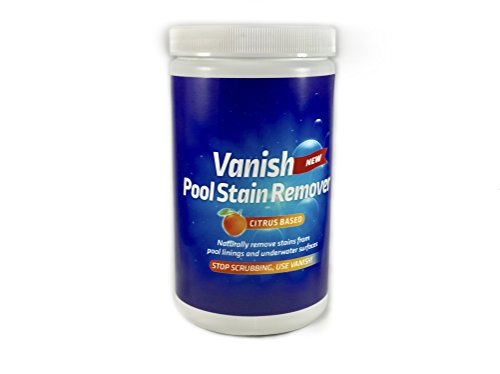



Understanding Pool Liner Stains

Pool liner stains can be broadly categorized into two types: organic and inorganic. Organic stains typically stem from natural sources such as algae growth, leaves, and other organic debris that can accumulate in the pool. These stains are often green or brown and can be effectively treated with chlorine-based cleaners or algaecides. In contrast, inorganic stains arise from mineral deposits, metals, or chemical reactions, leading to rust or discoloration that can often appear as blue, gray, or even black patches.

It is crucial to address these stains promptly. Allowing them to sit too long can result in permanent damage to the pool liner, affecting its aesthetic appeal and potentially shortening its lifespan. Regular monitoring and cleaning will help maintain the integrity of the liner, keeping your pool safe and enjoyable.
Essential Cleaning Supplies


Before diving into the cleaning process, it’s important to gather the necessary tools and cleaning agents. Key supplies include:
– Soft brush: A brush with soft bristles is essential to avoid scratching the liner while scrubbing away stains.
– Pool vacuum: A vacuum helps remove debris and dirt from the pool floor, preventing further staining.
– Cleaning agents: You can use household items like baking soda or specialized pool cleaners designed for specific stains. For organic stains, chlorinated cleaners work wonders, while for inorganic stains, products containing ascorbic acid or dedicated metal removers are recommended.
When selecting cleaning agents, consider eco-friendly options to protect your pool environment and avoid harmful chemicals that may disrupt the water balance.
Step-by-Step Cleaning Process

1. Assess the situation: Start by determining the extent of staining and whether draining the pool is necessary. If stains are severe or widespread, draining may be required for a thorough cleaning.
2. Drain the pool (if necessary): If you decide to drain the pool, ensure you follow local regulations for water disposal. Always check local guidelines, as improper disposal can harm the environment.
3. Scrub the liner: Using a soft brush, gently scrub the stained area with an appropriate cleaning solution tailored to the type of stain. For organic stains, a chlorine-based cleaner works well, while baking soda can help with lighter stains.
4. Vacuum the pool: After scrubbing, use the vacuum to remove any debris and particles released during the cleaning process. This step helps prevent new stains from forming.
5. Rinse thoroughly: If using chemical cleaners, ensure to rinse the liner thoroughly with clean water to remove any residual chemicals.
📋 DATA
Common Pool Liner Stains and Cleaning Solutions
| # | Stain Type | Appearance | Recommended Cleaner |
|---|---|---|---|
| 1 | Algae | Green or Brown | Chlorine-based Cleaner |
| 2 | Leaves | Brownish Streaks | Baking Soda |
| 3 | Iron | Rusty Brown | Ascorbic Acid |
| 4 | Copper | Blue/Green Stains | Metal Remover |
| 5 | Calcium | White Scaling | Muriatic Acid |
| 6 | Oils | Dark Film | Oil Remover |
| 7 | Debris | Varied | Chlorine Shock |
Dealing with Stubborn Stains
For tough stains that resist standard cleaning methods, you may need to use stronger solutions. For instance, a diluted mixture of muriatic acid can be effective for tough mineral stains. However, it is imperative to apply it cautiously, as muriatic acid is corrosive and can damage your pool liner if misused. Always wear protective gear and follow the manufacturer’s instructions precisely.
Alternatively, consider exploring commercial products designed specifically for tough stain removal. These products often contain a blend of cleaning agents tailored for specific types of stains. When using any commercial cleaner, be sure to adhere to the recommended guidelines and perform a spot test to avoid damage to the liner.
Maintaining a Stain-Free Pool Liner
Preventing stains from forming is just as crucial as cleaning them. Regularly testing and balancing your pool water chemistry can help prevent the buildup of stains. Ensure that pH, alkalinity, and calcium hardness levels are within the recommended ranges, as imbalances can lead to stains and other water quality issues.
Implementing a routine cleaning schedule is also essential. Regular vacuuming and brushing, alongside shock treatments, will help keep your pool liner looking pristine. Consider using a pool cover when the pool is not in use to minimize debris accumulation and reduce sunlight exposure, which can contribute to algae growth.
🔀 COMPARISON
Top 3 Pool Cleaning Products for Stains
| Feature | ⭐ Pool Magic | Stain Away | Clean & Clear |
|---|---|---|---|
| Price | $29.99 | $24.99 | $19.99 |
| Type | Liquid | Granular | Powder |
| Stain Removal | ✅ Excellent | ✅ Good | ✅ Fair |
| Ease of Use | ✅ Simple | Moderate | Complicated |
| Eco-Friendly | ✅ Yes | ✅ Yes | ❌ No |
| Time to Work | 1-2 hours | 2-3 hours | 3-4 hours |
| Suitable for | All Stains | Mineral Stains | General Use |
| Safety | Safe | Moderate | Caution |
| User Ratings | ★★★★☆ | ★★★☆☆ | ★★☆☆☆ |
| 🏆 Best For | All Pool Types | Mineral Stain Issues | General Maintenance |
Tips for Preventing Future Stains
Preventative care is essential for maintaining a stain-free pool liner. Here are some effective strategies:
– Cover the pool: Using a pool cover when the pool is not in use minimizes debris accumulation and reduces sunlight exposure, which can promote algae growth.
– Install a water softener: If you live in an area with hard water, consider installing a water softener to reduce mineral buildup. This will help prevent inorganic stains caused by calcium and metals.
– Regular cleaning routine: Incorporate regular vacuuming and brushing into your pool maintenance routine to remove any debris before it can settle and stain the liner.
– Monitor water chemistry: Regular testing and balancing of pH, alkalinity, and calcium hardness levels will help maintain water quality and prevent staining.
By implementing these preventative measures, you can significantly reduce the likelihood of future stains, ensuring your pool liner remains in excellent condition.
In conclusion, maintaining a clean and stain-free pool liner is vital for both the aesthetics and longevity of your pool. By understanding the types of stains, using the right cleaning supplies, and following a regular maintenance schedule, you can effectively manage stains and enjoy a beautiful swimming environment. Start applying these methods today to ensure your pool remains a refreshing oasis for years to come.
Frequently Asked Questions
What are the best methods to clean a stained pool liner?
The best methods to clean a stained pool liner include using a mixture of baking soda and water to scrub the stained areas, applying a specialized pool liner cleaner, or using a diluted solution of muriatic acid for tougher stains. Always test a small, inconspicuous area first to ensure it doesn’t damage the liner. Regular maintenance and cleaning can help prevent future stains.
How can I remove tough stains from my vinyl pool liner?
To remove tough stains from a vinyl pool liner, start by draining the pool to expose the liner fully. Use a soft scrub brush with a mixture of water and a non-abrasive cleaner or a commercial vinyl liner cleaner specifically designed for tough stains. For persistent stains, consider using a diluted solution of muriatic acid, but ensure you follow safety precautions and manufacturer’s guidelines.
Why is my pool liner stained, and how can I prevent it?
Pool liners can become stained due to a variety of factors, including algae growth, metal deposits, and chemical imbalances in the water. To prevent staining, maintain proper chemical levels, regularly brush the liner, and ensure that your filtration system is functioning effectively. Additionally, using a pool cover when not in use can help reduce contaminants that cause staining.
Which cleaning products are safe for vinyl pool liners?
Safe cleaning products for vinyl pool liners include non-abrasive cleaners specifically formulated for vinyl, baking soda, and diluted bleach solutions when used responsibly. Avoid any harsh chemicals, such as those containing ammonia or acid, as they can damage the liner material. Always read product labels to ensure compatibility with vinyl surfaces.
How often should I clean my pool liner to prevent stains?
You should clean your pool liner at least once a month to prevent stains and buildup of contaminants. Regular maintenance, including brushing the liner and checking chemical levels, can help keep stains at bay. During peak swimming season or after heavy use, consider increasing the frequency of cleaning to maintain a pristine appearance.
References
- Swimming pool
https://www.wikipedia.org/wiki/Swimming_pool - https://www.sciencedirect.com/topics/earth-and-planetary-sciences/pool-liner
https://www.sciencedirect.com/topics/earth-and-planetary-sciences/pool-liner - Swimming pool | sports | Britannica
https://www.britannica.com/science/swimming-pool - https://www.ncbi.nlm.nih.gov/pmc/articles/PMC7022360/
https://www.ncbi.nlm.nih.gov/pmc/articles/PMC7022360/ - Purdue Extension Health and Human Sciences
https://www.purdue.edu/hhs/extension/cleaning-and-maintaining-your-swimming-pool-liner.html - https://www.extension.umn.edu/environment/cleaning-swimming-pool-liners/
https://www.extension.umn.edu/environment/cleaning-swimming-pool-liners/ - Google Scholar Google Scholar
https://scholar.google.com/scholar?q=how+to+clean+a+stained+pool+liner - Google Scholar Google Scholar
https://scholar.google.com/scholar?q=pool+maintenance+best+practices - Google Scholar Google Scholar
https://scholar.google.com/scholar?q=cleaning+pool+liners+stains - https://www.cdc.gov/healthywater/swimming/pools/maintenance.html
https://www.cdc.gov/healthywater/swimming/pools/maintenance.html
