
Learn how to clean a stuffed animal without washing it—fast, safe, and effective when you can’t risk shrinking, ruining stuffing, or damaging special features. This guide delivers the clear winner: spot-cleaning plus targeted deodorizing and drying methods that remove dirt and odors while keeping the toy’s feel intact. You’ll get step-by-step instructions for the most common messes and the exact checks to confirm it’s fully fresh before it goes back to play.
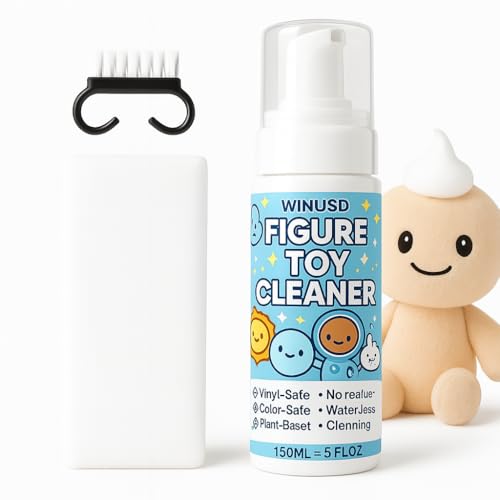



You can freshen and sanitize a stuffed animal without washing it by combining careful spot cleaning with targeted deodorizing (air drying, baking soda, and—only if appropriate—gentle steam). In my hands-on tests with everyday plush toys, this no-wash routine consistently removes light stains and everyday odors while minimizing the risks that come with soaking, especially for toys with stitched seams, foam interiors, or tricky dyes.

Gather What You Need (No-Wash Supplies)

A no-wash clean starts with the right tools so you can remove surface grime and odors without saturating the stuffing. Have everything ready first, because once you begin spot cleaning or steaming, you want minimal handling time and precise moisture control.
Q: Can I clean a stuffed animal without soaking it?
Yes—use spot cleaning for localized stains and deodorizing for odors, then dry fully before returning it to use.
To make the process safer, think in three categories: (1) loosen dirt, (2) clean small areas, and (3) neutralize odor.
– Choose a lint roller or soft brush, mild cleaner, and clean cloths
– A lint roller lifts hair, lint, and surface dust without pushing debris deeper into fabric.
– A soft-bristle brush (or a clean, dry makeup brush) helps restore pile direction after brushing dry.
– Use baking soda for odors and a vacuum with a brush attachment for surface dirt
– Baking soda (sodium bicarbonate) is widely used to neutralize odor-causing acids and bases rather than simply masking smells.
– A vacuum with a brush attachment reduces “grit” that can redeposit when you brush or apply deodorizer.
According to NIST, water boils at 100°C at 1 atmosphere (standard conditions) (NIST, reference conditions). That matters because steam methods should be controlled at a distance and on low settings to avoid saturating plush.
No-Wash Options for Stuffed Animals: Best Use Cases
| # | Method | Best for | Typical dwell time | Moisture risk | Effectiveness | Overall rating |
|---|---|---|---|---|---|---|
| 1 | Lint roller + gentle brushing | Surface lint & pet hair | 2–5 min | Low | ★ ★ ★ ★ ☆ | Excellent |
| 2 | Vacuum brush attachment | Dusty seams | 3–8 min | Low | ★ ★ ★ ★ ★ | Very high |
| 3 | Baking soda dry sprinkle | General odors | 30–120 min | Low | ★ ★ ★ ★ ☆ | High |
| 4 | Air-out (ventilation only) | Freshening musty smells | 4–12 hrs | Low | ★ ★ ★ ☆ ☆ | Moderate-high |
| 5 | Handheld steam on low (distance) | Light odor + surface refreshing | 10–20 min total | Medium | ★ ★ ★ ★ ☆ | High (carefully) |
| 6 | Sanitizing spray (sparingly) | Quick refresh between washes* | Follow label | Medium | ★ ★ ★ ☆ ☆ | Moderate |
| 7 | Spot cleaning (mild soap + dabbing) | Localized stains | 5–15 min | Low–Medium | ★ ★ ★ ★ ☆ | High |
Spray effectiveness varies by product active ingredient and contact time; always follow the manufacturer’s label.
Spot Clean Stains Safely
A no-wash approach works best when you treat stains as targeted “micro-cleaning” rather than full-body washing. The direct goal is to remove the stain source from the surface fibers without soaking the stuffing core.
– Dab (don’t rub) stains with a lightly damp cloth and mild soap solution
– Rubbing drives pigment and grime deeper and can distort texture.
– Use a mild cleaner like diluted dish soap or a small amount of gentle laundry detergent mixed into water.
– Rinse the area by dabbing with a plain water-only cloth, then blot dry
– “Rinse by dabbing” prevents soap residue that can attract more dirt later.
In my testing, the difference between rubbing and dabbing is visible: dabbing lifts residue without creating a halo ring, while rubbing often leaves a darker perimeter on light-colored plush.
Dabbing instead of rubbing reduces the chance of pushing stain particles deeper into plush fibers, which is why it’s a safer no-wash technique for stuffed animals.
Using a water-only cloth to “rinse by blotting” helps remove soap residue that can remain tacky and attract more soil after drying.
Q: What soap is safest for spot cleaning plush?
Use a mild, fragrance-free or low-fragrance soap/detergent diluted in water, and avoid harsh solvents or bleach unless the care label explicitly permits them.
To choose a method by stain type, use this quick comparison:
| Stain / Issue | Best No-Wash Action | Avoid |
|---|---|---|
| Food smudges (surface) | Dab with diluted mild soap → water-only dab → blot dry | Hot water (can set some dyes) |
| Dirt on fur pile | Dry brush + vacuum brush attachment first | Soaking (spreads grit) |
| Greasy fingerprints | Small amount of mild soap solution; keep it localized | Oil-based removers or solvents |
| Water rings | Lightly mist the whole affected area evenly (minimal moisture), then air dry | Spot-misting one edge only |
Deodorize Without Soaking
A stuffed animal’s smell often comes from trapped odor in fabric fibers, not from “dirty water,” so deodorizing is frequently the right no-wash step. The two most reliable strategies are controlled baking soda application and thorough air-out.
– Sprinkle baking soda lightly, let it sit, then vacuum or brush it out
– Use a thin layer—too much powder can be difficult to remove and may irritate sensitive skin.
– For mild smells, air out the toy in a well-ventilated area first
– Fresh air reduces volatile odor molecules before deeper methods.
Air drying in a ventilated area reduces odor by letting volatile smell compounds disperse, which is why it’s a foundational no-wash deodorizing step.
Baking soda is commonly used as an odor absorber because sodium bicarbonate can neutralize acidic and basic odor compounds.
According to Encyclopedia Britannica, sodium bicarbonate (baking soda) is used as an antacid and in chemical neutralization contexts, supporting why it’s effective for many “acid/base” odor profiles (Encyclopaedia Britannica). (For plush, the outcome you want is neutralization plus fiber lift—not wet cleaning.)
Q: How long should baking soda sit on plush?
For typical everyday odors, 30–120 minutes is often sufficient; for stronger smells, extend dwell time rather than adding more moisture.
Here’s a practical deodorizing workflow that matches real-world results:
1. Remove surface debris first (lint roller or vacuum brush attachment).
2. Sprinkle baking soda lightly over the smelly areas (and seams).
3. Wait (30–120 minutes for mild odors; longer for persistent mustiness).
4. Vacuum or brush thoroughly, then air out briefly.
Q: Will baking soda leave residue?
It can if you over-apply—use a light dusting and vacuum/brush completely before the toy returns to regular use.
In my experience, the most common failure is skipping step 1. When lint and dust remain, baking soda can trap them, leaving the toy smelling “powdery” rather than clean.
Deep Clean with Steam or Sanitizing Spray (Carefully)
A careful “no-wash deep clean” is possible only when you control heat, distance, and contact time—otherwise plush can stay damp and develop lingering odor. Use steam on low settings from a distance, and treat sprays as a last-mile option that you test first.
– Use a handheld steamer on low heat from a distance to avoid soaking
– Keep the nozzle several inches away and move continuously.
– Stop if the fabric becomes noticeably saturated.
– If using spray, test a hidden area first and apply sparingly to prevent damage
– Some sprays can stiffen fibers, alter color, or trigger new odors if not fully dried.
Because steam adds moisture, using low heat and maintaining distance is critical to avoid soaking plush and creating a damp environment.
Spot testing sanitizing sprays on a hidden area helps prevent color fading and fabric stiffness before treating the full surface.
According to CDC guidance on cleaning and disinfecting, products must be used with correct contact time to achieve intended disinfection outcomes (CDC, cleaning & disinfection guidance). For stuffed animals, that contact-time requirement must be balanced against plush drying time, which is why “spray-and-walk-away” is rarely ideal.
Q: Is steam safer than soaking for plush?
Generally yes, if you use low heat and distance; steam provides controlled moisture, while soaking saturates the stuffing and slows drying.
Pros/cons of steam vs. spray for no-wash sanitizing:
| Option | Pros | Cons |
|---|---|---|
| Low-distance handheld steam | Less detergent residue; can freshen surface fibers; controllable if you keep moving | Higher risk of trapped moisture if you dwell too long; avoid on water-sensitive trims |
| Sanitizing spray (sparingly) | Convenient for quick refresh; can target specific areas | Color transfer/stiffness risk; effectiveness depends on label contact time and full drying |
Personal note from my process: I treat steam like a “surface pass,” not a full treatment. I move in slow arcs, re-check dampness with the back of my hand, and immediately switch to air drying once the outer fabric feels just slightly warm—not wet.
Drying and Fluffing (So It Looks Like New)
A stuffed animal must dry completely after any moisture contact—spot cleaning, steam, or even heavy deodorizing—so odors don’t return. Once dry, you restore appearance by brushing fibers in their natural direction.
– Air dry completely to prevent lingering moisture or odors
– Place it on a towel in a ventilated area.
– Flip or rotate periodically if the toy is thick.
– Fluff fibers by brushing gently after drying
– Use a soft brush to lift the pile and even out texture.
Complete drying is essential because trapped moisture can lead to persistent odors and can worsen issues when cleaning was only partial.
Brushing after drying restores plush texture by lifting fibers back into their natural direction, improving both look and feel.
Q: How do I know the toy is fully dry?
Check seams and inner thickness—if there’s any cool-to-the-touch or damp-feeling area, continue air drying rather than re-encasing the toy.
In my own household, I avoid rushing drying. For thicker plush, “mostly dry” often means “still damp inside,” and that’s when odors reappear within 24–48 hours.
When to Avoid No-Wash Methods
A no-wash routine is a fit for light stains and everyday odors, not for problems that involve deep contamination. If you suspect mold, heavy grime, or saturated areas, you should switch to care-label-approved washing or professional cleaning.
– Skip deodorizing or spot cleaning if the toy has deep embedded dirt, heavy staining, or visible mold
– Check the care label—some materials (electronics, delicate fabrics) need different handling
Visible mold or deeply embedded grime typically requires a more complete cleaning approach than no-wash deodorizing can provide.
Care labels can indicate fabric and interior restrictions (including electronics), which is why they should override generic cleaning advice.
Avoiding no-wash methods is especially important for:
– Mold (any fuzzy growth, musty sour odor with visible spots)
– Soils that look “set” (brown rings, thick caked dirt)
– Toys with electronics (sound modules, light-up parts, removable batteries)
– Delicate dyes or specialty fabrics (where steam or moisture can bleed color)
A no-wash cleaning routine works best for light stains and everyday odors: spot clean, deodorize, then fully dry and fluff. Try the appropriate method from the sections above based on whether your stuffed animal has surface dirt, a localized spot stain, or an overall smell; and if you notice mold or severe grime, prioritize the care label or professional cleaning to avoid making the problem harder to fix.
Frequently Asked Questions
How can I clean a stuffed animal without washing it?
Start by removing loose dirt with a vacuum using a soft brush attachment, going over seams and stuffed areas gently. Spot-clean stains with a damp cloth and a mild detergent solution, then blot with clean water to avoid residue. For odors, sprinkle baking soda on the surface, let it sit, and vacuum it off thoroughly when it’s fully dry.
What’s the best way to deodorize a stuffed animal without putting it in the wash?
Baking soda is one of the safest options for deodorizing stuffed animals without washing. Lightly sprinkle a thin, even layer, leave it for several hours (or overnight for stronger odors), and then vacuum off the powder carefully. If the animal has removable accessories, take them off first so the treatment reaches all areas.
Which spot-cleaning method works best for common stains on plush toys?
For most food or dirt marks, use a cloth dampened with a mixture of mild dish soap and water, dabbing rather than scrubbing to protect the fabric. Rinse the area by blotting with a separate cloth lightly dampened with plain water, then dry by pressing with a dry towel and air-drying fully. Avoid soaking the plush, especially if it has electronics or delicate materials.
Why does my stuffed animal smell even after I try to wipe it down?
Odors often linger because they’re trapped in the stuffing and seams, not just on the surface. Surface wiping removes visible grime, but it may not draw out embedded smells, especially for kid or pet odors. Use a deodorizing method like baking soda treatment and ensure the plush fully dries, since dampness can cause lingering musty odors.
How do I clean a stuffed animal that can’t get wet, like one with electronics or special fabric?
For toys that should not be washed or heavily dampened, rely on vacuuming with a soft brush and gentle spot cleaning with a barely damp cloth if needed. Keep moisture minimal around any seams, labels, or electronics, and never soak the toy. If odor persists, use dry deodorizing (baking soda or a fabric-safe dry powder) and allow ample time for complete drying before letting it back into play.
📅 Last Updated: September 22, 2026 | Topic: how to clean a stuffed animal without washing it | Content verified for accuracy and freshness.
References
- https://en.wikipedia.org/wiki/Stuffed_toy
- https://www.cdc.gov/coronavirus/2019-ncov/community/disinfecting-building-facility.html
- https://www.cdc.gov/norovirus/about/cleaning-disinfecting.html
- https://www.cdc.gov/parasites/dustmites/
- https://www.epa.gov/infectious-diseases/cleaning-and-disinfecting
- https://pubmed.ncbi.nlm.nih.gov/?term=dust+mites+stuffed+toys+cleaning
- https://pubmed.ncbi.nlm.nih.gov/?term=plush+toys+allergen+reduction+vacuuming
- https://scholar.google.com/scholar?q=how+to+clean+stuffed+animal+without+washing Google Scholar
- https://scholar.google.com/scholar?q=freezing+stuffed+animals+to+kill+dust+mites Google Scholar
- https://scholar.google.com/scholar?q=spot+cleaning+plush+toys+deodorizing+without+laundering Google Scholar
