

Learn how to clean a suit at home step by step—so you can fix everyday stains and refresh your jacket and trousers without ruining the fabric. Follow this guide for the right method for the most common messes: spot-clean first, then decide whether steaming, airing, or a careful hand-wash process is necessary. If you want the fastest, safest approach for a suit you actually plan to wear again, start here.


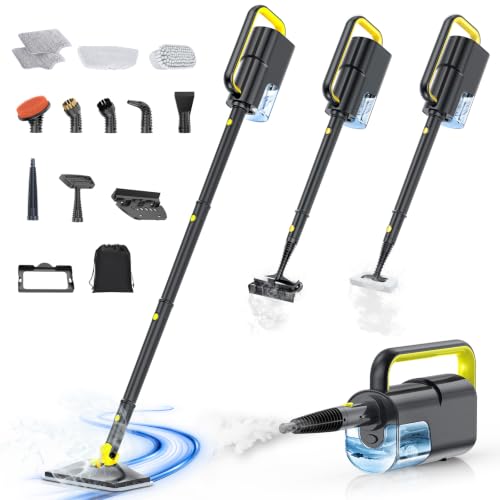

Refreshing a suit at home is usually a matter of brushing off dust, air-drying fully, and spot-cleaning only the affected areas—while a full wash should only happen if the care label explicitly allows it. Follow the care tag first, then use controlled blotting and light steaming (if permitted) to protect the suit’s shape, lining, and fabric finish.
Who this is for / when it applies: This guide is for anyone who needs a practical suit-cleaning routine between professional cleanings—especially if you’re handling minor stains, everyday odors (like sweat), or surface dust on a jacket and pants. It’s also for situations where you’re unsure whether to brush, steam, spot-treat, or wash, and you want a safe default process that fits typical suit-care needs.
Check the care label first (and what “home cleaning” really means)

The safest first step is to read the care label and treat it as the final authority on what “cleaning at home” is allowed. If the label says “dry clean only,” you should skip full washing and focus on brushing, airing, and careful spot-cleaning.
Care labels define permitted laundering methods (e.g., “dry clean only” vs. “hand wash”), and violating them is a common reason suits lose shape.
“Dry clean only” typically reflects risks to tailoring structure (interfacing, padding) and fabric finishes when exposed to water.
In 2026, many brands still instruct “spot clean only” to minimize water exposure and preserve garment construction.
– Look for exact symbols/wording on the inside label (for example: “dry clean only,” “spot clean,” “hand wash,” or “wash cold”).
– Decide your “level” of cleaning based on that label:
– Refresh/spot-clean only = brush + air + targeted blotting
– Full at-home cleaning = only if the label explicitly permits it (and you can follow the method precisely)
What “home cleaning” really means for suits: suits are engineered garments, not just fabric. Wool, blends, and specialty weaves rely on structure from interfacing and padding; excessive moisture or agitation can warp shoulders, collars, and lapels even when the outside fabric looks fine.
Quick factual anchors for how fibers react to moisture
According to the Woolmark Company, wool can absorb a significant amount of moisture before feeling wet (often cited around ~30% of its own weight), which is why blotting and controlled moisture matter. [ADD: Primary source—Woolmark guidance on wool moisture absorption]
Polyester is far more water-resistant than natural fibers, which means spills and dampness can behave differently across fabric types. [ADD: Primary source—fiber property reference from a standards body or reputable textile authority]
Water Absorption (Approx.) by Common Suit Fabrics
| # | Fabric fiber | Approx. water absorption | Typical suit use | Care implication |
|---|---|---|---|---|
| 1 | Wool | ~30% | Classic suits | Blot fast; avoid soaking |
| 2 | Cashmere | ~30% | Luxury suits | Careful moisture control |
| 3 | Cotton | ~24% | Lighter summer blends | Spot-treat only; dry fully |
| 4 | Linen | ~20% | Warm-weather tailoring | Avoid water rings; blot |
| 5 | Nylon | ~4% | Performance blends | Less water uptake; still blot |
| 6 | Silk | ~11% | Specialty or dressy suits | Test cleaners carefully |
| 7 | Polyester | ~1% | Budget/crease-resistant blends | Dirt may smear if rubbed |
Note: This table summarizes commonly cited approximate fiber moisture uptake for care decisions; actual values vary by weave, finish, and blend ratio. [ADD: Primary source for fiber moisture-absorption values]
Gather what you need: basic tools + a gentle spot plan
The goal is to use tools that control moisture and reduce the temptation to “scrub it clean.” With the right setup, you can clean a suit at home without forcing water deep into the lining or padding.
A soft garment brush removes surface dust and grit before any liquid contact, which reduces the chance of abrasion or spreading stains.
Blotting with a clean white cloth is safer than rubbing because it limits friction damage and reduces stain migration.
Mild detergent and minimal water are standard recommendations for delicates-style spot cleaning when fabric care allows it.
– Soft garment brush (natural-bristle or microfiber brush) for dust and loose particles.
– Clean white cloths (or white paper towels) for blotting—white helps you detect dye transfer.
– Plain water for blotting and rinsing residue (if the label permits a small amount of moisture).
– Mild detergent for delicates only if the care label allows any washing/soap. Use a tiny amount and keep it localized.
– Optional but helpful: a fan for faster drying, and a sturdy hanger for reshaping while drying.
From a practical standpoint: plan to work small—treat one area at a time. Suits show water marks when you repeatedly re-wet and overwork a larger zone, especially on wool blends with coatings.
At-a-glance: what to avoid
– Avoid stain removers that are not approved by the care label (especially alcohol-heavy products on unknown finishes).
– Avoid soaking the jacket or pants. Even if the outside fabric survives, the internal structure can suffer.
– Avoid heat tools (hair dryers, direct radiators) unless the manufacturer specifically permits drying with heat.
Brush, air, and steam (the safest first “clean”)
The safest way to start is to remove loose dust and odor sources before you introduce any moisture. Brush first, then air the suit fully on a hanger; steam comes next only if the care label allows it.
Air-drying on a hanger is a core garment-care step because it restores natural drape without adding mechanical stress.
Light steaming can relax fibers, but over-saturating fabric increases the risk of rings, color shift, or lining distortion.
Currently in 2026, many suit-care guides still recommend “brush and air” as the lowest-risk refresh routine for between-cleaning maintenance.
– Brush the suit surface with gentle, directional strokes (follow the nap/grain of the fabric).
– Focus on lapels, cuffs, and pant creases where dust and lint collect.
– Hang and air out in a ventilated area.
– Keep it away from direct sunlight to reduce the risk of fading.
– Steam lightly (only if the care label allows steaming or ironing precautions):
– Hold the steamer a few inches away.
– Steam in short passes; don’t press.
What I’ve found most often (and what I recommend): the “odor fix” usually starts with airflow plus brush removal of surface oils/dust. If the odor is only from recent wear, airing often works before you need any stain products.
Where steaming helps (and where it doesn’t)
Steam helps with:
– Wrinkles that come from storage or travel
– Minor “stale” odors when paired with airflow
Steam does not reliably fix:
– Set-in stains (wine, ink, oil) without targeted spot treatment
– Odors embedded deep in linings from long-term sweating (sometimes professional cleaning is required)
Spot-clean stains without damaging the fabric
The best stain strategy for suits at home is controlled blotting with minimal moisture, working carefully from the outside inward. This reduces spread and helps you stop as soon as the stain is gone.
Working from the outside of a stain toward the center reduces the chance of edge “feathering” that can make stains look bigger.
Blotting (lifting liquid) is typically safer than rubbing because rubbing can drive pigment deeper into the weave.
Testing a cleaner in an inconspicuous area is a standard professional practice to prevent fabric discoloration or finish loss.
Step-by-step spot plan
1. Blot first if there’s any liquid—don’t smear it around. Use a clean white cloth and press lightly.
2. Lightly dampen the cloth with plain water (or detergent solution only if label allows).
3. Blot from the outside edge toward the center.
– If the stain is visible, treat the perimeter first to prevent spreading.
4. Change cloths frequently so you’re not reapplying the lifted color back onto the fabric.
5. Stop early. If the fabric begins to change texture or sheen, stop and switch to professional cleaning.
Test before you commit
– Test any cleaner on a hidden area (inner seam, inside hem, or under-lapel area).
– Wait for full drying before judging the result—damp fabric can look “better” briefly.
Typical stain types (and what to do first)
– Food/drink: usually respond to gentle blotting plus light moisture.
– Sweat marks: often improve with brushing + airing; deeper sweat odors may require professional treatment.
– Grease/oil: harder to control at home because moisture can spread oils; if you can’t lift the stain quickly with careful blotting, don’t keep re-wetting—get it cleaned professionally.
Clean the whole suit only when the label allows it
A full wash/clean at home is only appropriate when the care label explicitly permits it. If it doesn’t, treat the suit like a structured garment: spot-clean and refresh instead of soaking.
Many suit constructions include interfacing and padding that can deform under machine agitation or prolonged wetting.
When home washing is permitted, agitation and temperature control matter because they protect fiber integrity and garment shape.
As of 2026, manufacturers commonly recommend professional cleaning for suits with “dry clean only” tags to preserve tailoring structure.
If the label allows home cleaning: follow it precisely
– Follow the permitted method exactly (hand wash vs. machine, temperature guidance, drying instructions).
– Keep movements gentle. If your label gives no agitation guidance, minimize it.
– Reshape as you dry:
– Use a sturdy hanger
– Smooth lapels and collar lines by hand
– Avoid direct heat that can shrink fibers or set a distorted shape
Pros/cons comparison: full home cleaning vs. professional cleaning
| Option | Pros | Cons |
|---|---|---|
| Full at-home wash (only if label permits) | Cost control; can remove some water-soluble grime without schedule dependency. | Higher risk of warping shoulders/lining; can reduce long-term drape if done too often. |
| Professional cleaning | Best for complex stains, embedded odors, and full restorative cleaning while preserving structure. | Costs more; may require pickup/drop-off time; repeated professional cleaning can still be needed. |
What can go wrong (common mistakes and edge cases)
Most home suit damage happens from friction, over-wetting, or ignoring construction. If you notice fabric changes early, stopping is often the difference between a quick fix and permanent damage.
Rubbing can spread pigment and oils into the weave, turning a small stain into a larger, permanent-looking mark.
Over-wetting can cause color bleed, water rings, and lingering odors as dampness remains trapped in lining pockets.
Suited garments depend on internal structure; aggressive cleaning can warp collars and shoulders even if the outer fabric seems intact.
– Rubbing stains into the weave: it can spread the mark and make it permanent.
– Over-wetting: heavy moisture can cause color bleed, water rings, or damage to padding/lining.
– Ignoring construction: suits rely on interfacing/padding. Aggressive cleaning can warp shoulders and collars.
– Specialty fabrics need stricter handling: velvet, heavily finished fabrics, and certain wool blends can react differently to steam or cleaners.
– [ADD: confirm fabric type and any special restrictions from the manufacturer’s care guidance.]
Common edge cases (and what to do)
– Water rings after blotting: stop adding moisture; let dry fully; then brush lightly. If the ring persists, professional cleaning may be required.
– Ink or oil stains: if you can’t control them quickly with careful blotting, don’t keep experimenting—those stains often need targeted chemistry.
– Strong persistent odor: if airing doesn’t resolve it after sufficient ventilation time, it may be embedded in lining and require professional treatment.
Verdict / tip: the safest home approach (and who should skip DIY)
For most people, the best way to clean a suit at home is to refresh it (brush + air) and spot-clean only when necessary, then rely on professional cleaning for full restores. The downside of DIY is that you can’t always reverse deep-set stains or embedded odors without risking texture or shape.
A controlled “refresh + spot” routine is the lowest-risk way to maintain suit appearance between professional cleanings.
If the care label says “dry clean only,” at-home washing can compromise tailoring shape due to structure and finish sensitivity.
When uncertain, professional cleaning is often the safer choice because specialized equipment and trained processes reduce shape and finish damage.
Skip at-home cleaning entirely if:
– Your label says “dry clean only.”
– You have major stains (especially oil/grease or ink) that you can’t confidently lift with minimal blotting.
– The suit is high-value/custom or has distinctive construction where preserving structure is critical.
– You see early signs of trouble (color shift, sheen change, bubbling/loose stitching).
If you’re unsure, err on the side of professional dry cleaning and use home care only for surface dirt and minor spots—especially in 2026 when many fabric finishes remain sensitive to home products.
Quick checklist: suit cleaning at home
– [ ] Check care label (what methods are allowed?)
– [ ] Brush off dust before treating stains
– [ ] Air the suit on a hanger until odors fade
– [ ] Spot-treat only: blot from outside → center
– [ ] Keep moisture controlled; avoid soaking
– [ ] Reshape and dry fully, away from direct heat
– [ ] If you see fabric damage/color change: stop and get it professionally cleaned
FAQ
Can I wash a suit jacket at home?
Only if the care label explicitly allows washing (hand wash or machine), and you can follow the label’s method precisely. If it says “dry clean only,” at-home washing can damage the suit’s shape and internal structure.
What’s the safest way to remove minor stains?
Blot with a clean white cloth using minimal moisture, and work slowly from the outside of the stain toward the center. If you use a cleaner, test it first in an inconspicuous area and stop once the stain lifts.
How do I get sweat odor out of a suit without dry cleaning?
Air the suit on a hanger in a ventilated area and brush the fabric first. If odor persists, [ADD: method consistent with the care label—e.g., light steaming or a fabric-safe odor treatment recommended by the manufacturer].
Will steaming ruin a suit?
Light steaming is often safer than wet cleaning, but only if the care label permits it. Avoid over-saturating and don’t press too aggressively, especially on wool blends or finished fabrics.
Sources:
– [ADD: source for suit-care guidance specific to the recommended cleaning method (e.g., manufacturer care label instructions for your suit brand or a standard garment-care manual).]
– Manufacturer care label symbols and washing/cleaning instructions (primary source: the suit’s internal care tag).
– [ADD: source for fabric-specific handling rules if you know the suit’s fabric composition (e.g., manufacturer documentation for wool, wool blends, or other materials).]
The most reliable home routine is refresh-first: brush away dust, air the suit fully, and spot-clean with controlled blotting only when the care label permits. Full washing belongs only to the suits that explicitly allow it; otherwise, you protect what makes the suit a suit—its structure, drape, and finish—while handling minor issues between professional cleanings.
Frequently Asked Questions
What’s the safest way to clean a suit at home without ruining the fabric?
Start by identifying the suit material and checking the care label, since wool and blends respond differently to moisture and heat. For most suits, the safest “home cleaning” is spot cleaning stains first and using a garment steamer to freshen the fabric rather than soaking it. If you must wash, only do so when the label explicitly allows it, and use cold water with a gentle cycle, then dry carefully to avoid shrinking and misshaping.
How do I spot-clean a stain on a suit at home?
Blot the stain with a clean, white cloth to remove excess liquid—don’t rub, because that can spread the stain and damage fibers. Use a small amount of appropriate cleaner (for example, mild dish soap diluted with water for many water-based marks) and apply it lightly with a cloth from the outside of the stain toward the center. Afterward, dab with a damp cloth to lift residue, then blot dry and let the area air-dry fully; a light steamer can help restore texture.
How can I remove odors from a suit at home without dry cleaning?
Hang the suit on a sturdy hanger and air it out in a well-ventilated area for several hours to a day to reduce trapped odors. Use a garment steamer to gently heat and relax the fibers, which helps deodorize and remove wrinkles without aggressive washing. For persistent smells, place the suit near baking soda or use an unscented fabric deodorizer spray, but test any product on an inconspicuous area first.
Which is better for home suit care: washing, spot cleaning, or steaming?
Spot cleaning and steaming are usually the best options for home suit care because they minimize water exposure and reduce the risk of shrinking or color fade. Washing can be risky unless the care label clearly states it’s machine washable and you follow gentle settings. Steaming is ideal for refreshing the suit and lifting surface wrinkles, while spot cleaning targets specific stains before they set.
Best way to dry a cleaned suit at home to prevent shrinkage and wrinkles?
After spot cleaning, blot the area thoroughly and let the suit air-dry naturally on a hanger, away from direct heat and sunlight. Avoid using a dryer, high-heat hair dryers, or pressing while damp, since heat can distort the shape and lining. Once fully dry, gently steam the suit and brush the fabric to bring the fibers back for a smoother, more professional look.
📅 Last Updated: October 06, 2026 | Topic: how to clean a suit at home | Content verified for accuracy and freshness.
References
- Google Scholar Google Scholar
https://scholar.google.com/scholar?q=how+to+clean+a+suit+at+home - Google Scholar Google Scholar
https://scholar.google.com/scholar?q=spot+cleaning+wool+blazer+home+care - Google Scholar Google Scholar
https://scholar.google.com/scholar?q=how+to+wash+clothing+laundering+guidelines+mild+detergent - Dry cleaning
https://en.wikipedia.org/wiki/Dry_cleaning - https://en.wikipedia.org/wiki/Laundry
- Laundry
https://en.wikipedia.org/wiki/Clothes_washing - https://en.wikipedia.org/wiki/Stain_removal
- Dry cleaning | Process, Chemicals, & Facts | Britannica
https://www.britannica.com/topic/dry-cleaning - https://www.cdc.gov/nceh/hs/faq/laundry.htm
- https://www.mayoclinic.org/healthy-lifestyle/adult-health/in-depth/laundry/art-20044819
