

You can clean a toilet without a toilet brush—using everyday supplies and a fast, effective step-by-step method that tackles grime and stains. This guide shows exactly what to use, where to apply it, and how long to let it work for a noticeably cleaner bowl. If you need results without buying or locating a brush, follow these easy steps and you’ll finish in minutes.
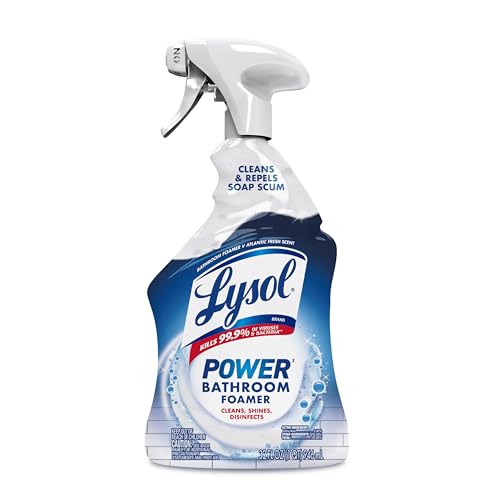



You can clean a toilet effectively without a toilet brush by using disposable, toilet-safe tools (wipes, paper towels, or a toilet-only sponge) plus a strong, properly matched cleaner (disinfectant or a toilet bowl descaler). The key is contact time: apply cleaner under the rim, let it dwell as the label directs, then wipe/scrub and flush.
If you’re out of toilet brushes—or you’d rather avoid using the same bristly tool repeatedly—this brush-free approach is for you. It’s also useful for quick cleanups, smaller bathrooms, or situations where storing extra tools is annoying.
Prep the bathroom and protect yourself

You clean more safely (and more thoroughly) when you prepare the bathroom before touching any cleaner. Ventilation and glove use aren’t optional, because toilet cleaners commonly include corrosive or disinfecting chemicals that can irritate skin and lungs.
According to the U.S. CDC, disinfectants should be used according to the product label, including protective measures and required contact times.
According to the U.S. Environmental Protection Agency (EPA), antimicrobial products are performance-tested on label directions; deviating from those directions can reduce effectiveness.
– Ventilate the area and wear gloves to avoid irritation from cleaners. If you have a bathroom fan, run it during cleaning.
– Keep the lid closed while cleaning (especially if you’re using splash-heavy methods). Closing the lid helps reduce aerosol spread during wiping and flushing.
– Gather supplies: toilet-safe cleaner, disposable wipes/paper towels, and/or a sponge you can designate for toilets only. If you choose a reusable sponge, plan to disinfect it afterward (or replace it).
What to use as your “no-brush” scrubbing tools
Pick tools that won’t scratch finishes and that you can safely discard:
– Disposable toilet wipes (flushability varies—check packaging)
– Paper towels (ideal for rings and residue removal)
– Non-scratch cleaning pads labeled safe for toilets/bathroom surfaces
– A sponge reserved for toilets only (rinse/disinfect afterward)
Choose a cleaner that matches the mess
You’ll get the best results when the cleaner type matches the stain source: grime/odor versus mineral scale. In practice, toilet bowls often need either a disinfectant for biology and odor control or an acid-based descaler for mineral rings.
According to the EPA, disinfectant effectiveness depends on using the product as directed, including dwell/contact time.
According to the U.S. CDC, diluted household bleach solutions are commonly used for disinfection, with specific dilution guidance based on starting bleach strength.
According to the American Cleaning Institute, cleaning and disinfection are distinct steps—removing soil improves disinfectant performance.
– For general buildup and odor: use a toilet bowl cleaner or disinfectant labeled for toilet use.
– For hard mineral rings: use a descaler/acid-based toilet cleaner (follow label directions). Mineral rings are typically scale (calcium/lime deposits) that respond to acids.
– Avoid mixing products—especially bleach with acids or other cleaners. Mixing can create dangerous fumes and reduce effectiveness.
Quick comparison: disinfectant vs. descaler (so you don’t “fight the stain”)
Use this quick rule: if it looks chalky, crusty, or scaly, reach for a descaler. If it’s mostly dark staining and odor, a disinfecting toilet cleaner is usually the better first move.
| Cleaner Type | Best For | What to Watch |
|---|---|---|
| Toilet disinfectant / bowl cleaner | Odor, general grime, light staining | Requires correct contact time on the label |
| Acid-based descaler (toilet ring remover) | Mineral rings and scale | Avoid mixing with bleach or other chemicals |
Bleach-to-Disinfecting Mix Guide (Target: ~0.1% Sodium Hypochlorite)
| # | Household Bleach Strength | To Make 1 Gallon | Estimated Disinfecting Strength | Practical Confidence |
|---|---|---|---|---|
| 1 | 3.0% sodium hypochlorite | 4/5 cup (≈ 1.6 Tbsp) | ~0.10% (~1000 ppm) | ★★★☆☆ |
| 2 | 3.5% sodium hypochlorite | 2/3 cup (≈ 1.3 Tbsp) | ~0.10% (~1000 ppm) | ★★★★☆ |
| 3 | 4.0% sodium hypochlorite | 1/2 cup (≈ 1.0 Tbsp) | ~0.10% (~1000 ppm) | ★★★★☆ |
| 4 | 5.0% sodium hypochlorite | 3/10 cup (≈ 0.6 Tbsp) | ~0.10% (~1000 ppm) | ★★★★★ |
| 5 | 5.25% sodium hypochlorite | 1/3 cup (≈ 1.33 Tbsp) | ~0.10% (~1000 ppm) | ★★★★★ |
| 6 | 6.0% sodium hypochlorite | ~1/3 cup (≈ 0.56 Tbsp) | ~0.10% (~1000 ppm) | ★★★★☆ |
| 7 | 8.0% sodium hypochlorite | ~1/5 cup (≈ 0.4 Tbsp) | ~0.10% (~1000 ppm) | ★★★☆☆ |
> If you’re using a ready-to-use toilet descaler/disinfectant product (not mixing bleach at home), you can ignore the table and follow the product label’s dwell time.
Clean the bowl (no brush method)
You can clean the toilet bowl without a brush by using toilet-safe cleaner plus disposable wipes/paper towels to lift residue. Apply cleaner correctly under the rim first, then let it sit before you wipe—this is where ring removal happens.
According to the EPA, disinfectants must remain on the surface for the label’s specified contact (dwell) time to achieve expected microbial kill.
According to the U.S. CDC, cleaning removal of visible soil improves the performance of disinfectants on hard, nonporous surfaces.
According to manufacturer labeling practice for toilet cleaners, acid descalers work best when allowed to sit on mineral deposits for the instructed duration.
– Apply cleaner under the rim first, then to the rest of the bowl, focusing on stained areas. The underside of the rim is where water flow leaves biofilm and residue.
– Let it dwell per the product label (timing matters for rings). Don’t rush to wiping—most “ring failures” happen because dwell time was too short.
– Wipe and scrub using one of these brush-free options:
– Disposable toilet wipes: press/hold briefly on stains, then wipe away.
– Paper towels or non-scratch pads: use tongs/holders if needed to protect hands.
– A sponge reserved for toilets only: rinse and disinfect afterward (or replace).
A practical brush-free workflow (what we recommend following)
1. Close lid, put gloves on, start ventilation.
2. Pour or spray cleaner under rim.
3. Apply to stained surfaces inside bowl.
4. Wait the label dwell time.
5. Wipe top-to-bottom to avoid spreading residue into already-clean areas.
6. Flush, then do a final wipe where splatter lands.
Tackle the rim, under-edge, and tough rings
You remove toilet rings without a brush by using better access tools (folded towels/wipes) and controlled dwell time—not by scrubbing indefinitely. Mineral rings often need repeated cleaner contact rather than more mechanical force.
According to descaler product labeling, mineral scale removal depends on allowing the acid to react for the instructed dwell time before wiping or flushing.
According to the CDC, scrubbing with disinfectants can be part of cleaning, but effectiveness still depends on maintaining sufficient contact time.
– Use folded towels/wipes to reach under the rim where buildup hides. Unfolding once increases reach; folding tightly helps you “seat” the wipe against the curve.
– For stubborn spots, apply a second round of cleaner and give it more dwell time (don’t keep scrubbing endlessly). If the ring remains after the correct dwell time, it may be heavier scale or a different stain type.
– After wiping, flush and immediately do a final wipe-down to remove loosened residue. This prevents “re-depositing” material onto the bowl wall.
If the ring doesn’t budge after dwell time
At that point, don’t keep attacking with the same product. Switch to a true descaler (acid-based) if you used a disinfectant first, or vice versa. If you still see scale, consider repeating with the descaler and ensuring complete coverage under the rim.
Deal with the surrounding toilet area (and avoid re-contamination)
You prevent “undoing” your work by treating the bowl and the seat/base as separate contamination zones. In brush-free cleaning, residue on wipes and towels can spread quickly, so workflow matters as much as the cleaner.
According to the CDC, hygiene measures and correct disinfectant use reduce the risk of spreading contamination from high-touch areas.
According to cleaning guidance from recognized public health organizations, using separate cleaning tools for toilet bowls versus seats reduces cross-contamination.
– Clean the outside surfaces (seat, lid, base) with disinfecting wipes or a cleaner on a cloth. Use a toilet-rated disinfectant when possible.
– Use separate cloths/paper towels for the bowl vs. the seat/base to avoid spreading germs.
– Throw away disposable items right away; if using sponges, fully disinfect them afterward or replace them.
Pros/cons of brush-free cleaning (quick reality check)
– Pros
– Less messy storage (no brush heads collecting grime)
– Easy for quick cleanups
– Disposable tools reduce “tool maintenance” in small bathrooms
– Cons
– Less efficient for heavy, long-neglected buildup
– More waste (paper towels/wipes)
– Reusable sponges must be disinfected or replaced to avoid spreading
What can go wrong (and how to prevent it)
You’ll avoid most brush-free toilet-cleaning failures by matching dwell time, using the right chemical, and preventing cross-contamination. Many problems look like “the cleaner didn’t work,” but they’re usually process issues.
According to EPA guidance, disinfectants require proper surface coverage and contact time to work as intended.
According to the CDC, mixing cleaning chemicals can create harmful fumes; disinfectants should not be combined with other products.
– Insufficient dwell time: Many toilet stains lift only after the cleaner sits—check the label.
– Using the wrong tool: Scratchy materials can damage finishes (especially on older toilets or certain plastics). Choose non-scratch wipes/pads.
– Cross-contamination: If you use the same wipes/towels for the bowl and then the seat, you’ll undo your work. Keep tool separation strict.
– Product mixing: Bleach + acid/descaler combinations can create dangerous fumes—never mix cleaners.
– Thin stains vs. mineral rings: If it doesn’t improve after the correct cleaner dwell time, it may be scale that needs a true descaler.
A note on bleach dilution (safety and accuracy)
If you use bleach solutions, follow CDC guidance rather than guessing. For example, according to CDC guidance for disinfection, a commonly cited approach targets approximately 0.1% sodium hypochlorite (about 1000 ppm) and emphasizes preparing/discarding solutions appropriately. Always follow your bleach label and the CDC document you’re using.
Verdict: when this works, downsides, and who should skip it
This brush-free method works best for routine cleaning, light-to-moderate buildup, and many ring issues—provided you use the correct cleaner type and allow proper dwell time. The method is also ideal when you want to avoid repeatedly using the same bristly toilet brush.
That said, wiping tools can be less efficient than a brush for heavy buildup, and you’ll likely use more disposable items. Skip this approach (or add extra caution) if you have severe, long-neglected mineral scale that hasn’t responded to descaler dwell time, or if you can’t safely handle cleaners/gloves and would rather rely on a dedicated tool designed for scrubbing.
Quick checklist (save this)
– [ ] Gloves on, ventilation on
– [ ] Toilet-safe cleaner chosen (descaler for rings)
– [ ] Cleaner applied under rim first
– [ ] Wait for label dwell time
– [ ] Wipe/scrub with disposable towels/wipes or a toilet-only sponge
– [ ] Flush, then final wipe-down
– [ ] Clean/disinfect tools; discard disposables
FAQ
Can I clean a toilet without a brush using just paper towels?
Yes for light messes, but for rings or heavy buildup you’ll usually need an appropriate toilet cleaner and enough dwell time before wiping.
What’s the safest alternative to a toilet brush?
Disposable toilet wipes or non-scratch disposable pads are usually the least messy and easiest to discard after use.
How do I remove a toilet ring without scrubbing for a long time?
Use a descaler/appropriate ring remover, apply it under the rim and onto the ring area, then let it sit as directed before wiping away.
Is it okay to reuse a sponge for toilet cleaning?
You can reuse only if it’s dedicated to toilet use and you disinfect it thoroughly afterward—otherwise replace it to avoid spreading contamination.
Sources
– U.S. Environmental Protection Agency (EPA) — label-use and contact-time guidance for EPA-registered disinfectants (disinfection effectiveness depends on following directions).
– U.S. Centers for Disease Control and Prevention (CDC) — cleaning/disinfection practices, chemical safety guidance, and disinfectant dilution principles for bleach (when dilution is appropriate).
– American Cleaning Institute — general principles distinguishing cleaning (soil removal) from disinfection (microbial kill), and why soil removal improves results.
Frequently Asked Questions
What can I use to clean a toilet without a toilet brush?
You can use disposable cleaning tools like a sponge, microfiber cloth, or a toilet-safe scrub pad, along with chemical cleaners designed for toilets. For hard-to-reach grime, paper towels or a brush alternative like a bent microfiber mop head can work well if it’s sturdy. Avoid using tools you can’t sanitize afterward, and never use the same cloth in the kitchen without proper washing.
How do I deep-clean a toilet bowl without using a toilet brush?
Start by applying a toilet bowl cleaner around the rim and under the bowl edge, letting it sit for 5–15 minutes so it can break down mineral buildup and stains. Use a toilet-safe sponge or cloth to wipe the bowl interior in sections, re-wetting as needed. For stubborn spots, repeat the cleaner application and use a damp baking-soda paste to lift residue before wiping again.
How can I remove toilet ring stains without a toilet brush?
Make a paste using baking soda and a little hydrogen peroxide or water, then apply it directly to the toilet ring area. Let it sit for 20–60 minutes to loosen stains, then wipe with paper towels or a dedicated microfiber cloth. If the stain remains, repeat with toilet bowl cleaner and concentrate on the ring under the waterline where mineral deposits form.
Why does my toilet bowl get dirty so fast even after cleaning?
Toilets often get dirty quickly due to mineral deposits from hard water, ongoing buildup in hard-to-see areas under the rim, and improper cleaning habits that leave residue behind. If you only wipe the bowl surface without using an effective cleaner and letting it dwell, grime returns faster. Using a toilet cleaner that targets limescale and bacteria—and letting it sit before wiping—helps reduce recurring buildup.
Which toilet cleaning method works best if I don’t have a brush?
The best no-brush approach is a dwell-time cleaner plus wipe-based scrubbing: apply toilet bowl cleaner, let it work, then wipe with a sponge, microfiber cloth, or paper towels. For deeper grime, combine this with a baking-soda or peroxide paste for stain lifting, then finish with a thorough wipe and flush. Always handle with gloves, ventilate the area, and avoid mixing cleaners that could create harmful fumes.
📅 Last Updated: October 06, 2026 | Topic: how to clean a toilet without a toilet brush | Content verified for accuracy and freshness.
References
- https://www.cdc.gov/hygiene/cleaning-disinfection/index.html
- https://www.cdc.gov/coronavirus/2019-ncov/community/disinfecting-building-facility.html
- https://www.epa.gov/coronavirus/cleaning-and-disinfecting-your-home
- https://www.epa.gov/coronavirus/cleaning-and-disinfecting-your-facility
- https://www.epa.gov/coronavirus/using-disinfectants-effectively
- Disinfectant
https://en.wikipedia.org/wiki/Disinfection - https://pubmed.ncbi.nlm.nih.gov/?term=toilet+disinfection+cleaning
- Google Scholar Google Scholar
https://scholar.google.com/scholar?q=cleaning+toilet+without+toilet+brush - Google Scholar Google Scholar
https://scholar.google.com/scholar?q=toilet+disinfection+wipe+method+environmental+surface - Google Scholar Google Scholar
https://scholar.google.com/scholar?q=household+bathroom+cleaning+disinfection+techniques+without+brush

[…] keep moisture away from ports and openings. Then let the disinfectant sit for the wipe’s labeled contact time and fully air-dry before you use the speaker […]