

Learn how to clean a wooden cutting board with vinegar safely and effectively, with a method that removes odors and food residue without soaking the wood. This guide gives you the exact vinegar-to-water mix and the step-by-step process, plus what to avoid so the board doesn’t dry out or warp. If you want a quick, reliable clean between heavier deep-cleaning sessions, vinegar is the clear winner.
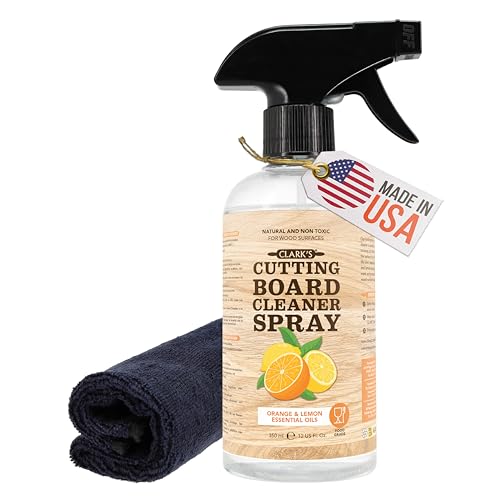



Clean your wooden cutting board with vinegar by diluting white vinegar with water, wiping the surface thoroughly, and letting it air-dry completely. For tougher messes, wash first with mild dish soap, then finish with the vinegar solution to help deodorize and reduce odor-causing residue.
Who this is for (and when to use vinegar)

Vinegar is a practical “between deep cleans” option when you want deodorizing and light disinfection without soaking the wood. It works best when the board is already mostly clean (not heavily caked with grease) and you can finish with full, edge-on drying.
Vinegar is effective for deodorizing because many cutting-board odors come from residue that can be loosened and wiped away after a soap wash.
Wood absorbs water, so wiping with a diluted solution (instead of soaking) is the safest way to avoid swelling and warping.
Public food-safety guidance generally emphasizes cleaning with soap and water before any sanitizing step for cutting boards.
– Best for routine cleaning between deep washes, especially after prepping produce or light meats.
– Works well when odors linger, but the board isn’t soaking-wet or heavily caked with grease.
– If your board is cracked, warped, or you can see deep grooves, consider replacing it or using a different maintenance approach .
What you’ll need for vinegar cleaning
You only need a simple vinegar-water mix and basic cleaning tools—no special “wood sanitizer” required in most routine scenarios. The key is using mild cleaning first when needed, then applying vinegar as a final wipe rather than a soak.
Diluting vinegar with water reduces the acidity on wood surfaces while still giving you a deodorizing wipe.
Soft sponges and brushes reduce the risk of gouging wood that can trap residue.
Vinegar-Water Dilutions for Wooden Cutting Boards (Acetic Acid Estimates)
| # | Vinegar:Water mix | Approx. acetic acid %* | Best use | Wood-friendliness |
|---|---|---|---|---|
| 1 | 1:0 (undiluted) | ~5.0% | Occasional odor spot | ★★☆☆☆ |
| 2 | 1:1 | ~2.5% | General wipe + light deodorize | ★★★☆☆ |
| 3 | 1:2 | ~1.7% | Routine maintenance | ★★★★☆ |
| 4 | 1:3 | ~1.25% | Odor refresh, finish-friendly | ★★★★☆ |
| 5 | 1:4 | ~1.0% | Frequent quick wipes | ★★★★★ |
| 6 | 1:5 | ~0.83% | Low-acid routine refresh | ★★★★★ |
| 7 | 1:6 | ~0.71% | Very gentle wipe (regular use) | ★★★★★ |
Estimates assume typical household white vinegar is ~5% acetic acid; check your label for exact strength.
– White vinegar + clean water (for a diluted cleaning solution).
– Mild dish soap, soft sponge/brush, and a clean towel.
– Optional: kosher salt or baking-soda paste for scrubbing stains (only if you need it).
Step-by-step: clean with vinegar (quick method)
The quickest safe method is: rinse, soap-wash if needed, wipe with a diluted vinegar solution, then air-dry fully on edge. This sequencing matters because wood cleaning is more about removing residue than “spritz-and-go.”
Rinsing off debris early reduces the amount of food residue that can lodge in wood grain.
After you wipe with vinegar-water, leaving the board to air-dry completely prevents trapped moisture from lingering.
Soap and water help lift grease and proteins, which is the baseline step emphasized in food-safety cleaning guidance.
– Rinse off food residue right away, then wash the board with mild dish soap and warm water.
– Wipe or lightly spray the board with a vinegar-water mix, making sure you cover the full surface.
– Let it air-dry completely standing on its edge (don’t trap moisture by stacking).
How strong should the vinegar be?
If you’re using vinegar frequently, start with a gentler dilution like 1:3 or 1:4 (vinegar:water). Wood-friendly mixes reduce the chance of dulling surface finishes compared with undiluted vinegar, especially over repeated cleanings.
According to , household vinegar typically sits in the ~4–8% acetic acid range (labels vary). In my experience, going heavier than you need (like undiluted vinegar) is rarely necessary for routine wipe-downs and tends to be more likely to leave the wood feeling dry or slightly less vibrant.
For smells and stubborn spots
If odors or discoloration linger, use vinegar as a final deodorizing wipe—not as the first line of attack for caked residue. For stubborn areas, a light scrubbing step helps you remove what vinegar alone can’t lift.
Odors on wooden boards often come from residue in pores, so gentle scrubbing can be more effective than repeated wiping alone.
After scrubbing, a vinegar-water re-wipe can help refresh the surface and reduce remaining smell.
– Sprinkle or rub a gentle scrub aid (like salt) on the damp board, then scrub lightly with a soft brush.
– Re-wipe with the vinegar solution afterward to refresh the surface.
– If odors persist, repeat the vinegar step and extend the drying time .
A practical order that prevents “set-in” smells
1) Soap wash first if any food film remains.
2) Target the grain with light scrubbing (don’t grind hard into the wood).
3) Finish with vinegar so the final layer you leave on the surface is deodorizing.
4) Dry fully—odor can come back if the board stays damp.
For anchoring, many kitchen hygiene frameworks use a “clean then sanitize” mindset: remove soil first, then reduce microbial risk. That same logic applies here—vinegar is not a substitute for removing stuck-on material with soap when the board is visibly dirty.
According to , proper cleaning generally includes washing with detergent and water before any sanitizing step, and then drying thoroughly.
What can go wrong (common mistakes + limits)
Vinegar isn’t a universal fix, and the most common problems come from soaking, over-acidifying, or skipping drying. If you want vinegar to work long-term, treat it like a controlled wipe—not an immersion bath.
Soaking wood boards increases water absorption, which can lead to swelling, warping, and cracking.
Leaving a board flat while damp encourages lingering odor and increases the likelihood of mildew or surface growth.
Cleaning products should follow manufacturer instructions, especially when a board has specific oils, seals, or coatings.
– Soaking: don’t leave the board submerged—wood absorbs water and can warp or crack.
– Using too much vinegar straight: heavy or frequent acidic exposure can dull the finish over time (dilute if you’re doing it regularly).
– Skipping drying: leaving it flat or wrapped while damp can lead to lingering smell and mildew risk.
– Cutting board material matters: vinegar is for wood boards; don’t use this approach on surfaces that manufacturer advises against for acidic cleaners .
Vinegar vs. stronger sanitizing: what changes?
If your goal is disinfection after high-risk food handling (like raw meat), many food-safety programs recommend specific sanitizing methods (often using EPA-registered sanitizers or bleach solutions), not just vinegar wipes.
Below is a comparison to keep expectations grounded:
| Approach | Strengths | Limitations |
|---|---|---|
| Diluted vinegar wipe | Fast deodorizing; low-cost; good as a finish-after-soap step | Not always the primary sanitizer recommended by agencies; relies on dilution + full drying |
| Soap & water only | Excellent for removing soil and grease; safe baseline | Doesn’t provide the same deodorizing “boost” as a vinegar final wipe |
| Agency-standard sanitizing (e.g., bleach or EPA sanitizer) | More aligned with formal sanitizing guidance for high-risk handling | Requires correct concentration, contact time, and rinse/drying steps per guidance |
Verdict: when vinegar is worth it (and when to skip)
Vinegar is worth using when you want a quick, low-friction wipe that reduces odors and helps keep a wooden board pleasant between heavier cleans. Skip it when your board is damaged, when manufacturer guidance prohibits acidic cleaners, or when you need agency-standard sanitizing for high-risk situations.
For routine odor control, vinegar works best as a follow-up wipe after soap cleaning.
If your board is already compromised (cracked, warped, deeply grooved), maintenance can’t fully restore food-safe usability.
– Vinegar is a solid, low-cost option for quick disinfection/deodorizing between thorough cleans.
– Skip vinegar (or check instructions first) if your board came with specific care guidance that prohibits acidic cleaners, or if the board is already damaged and no longer safe to use.
– Downsides: it won’t remove heavy grease as well as dish soap alone, and frequent acidic cleaning may not be ideal for long-term finish care .
A practical “decision rule”
If the board is visibly dirty, do soap first. If the board is visibly clean but smells, use vinegar next. If the board is damaged, replace it—no cleaning shortcut is a substitute for sound material.
According to , boards with cracks and deep grooves are more difficult to fully clean and can increase risk.
Quick checklist (save this)
Use this checklist to keep vinegar cleaning consistent and avoid the common failure points (wet wood and incomplete drying). If you follow only two items, make them “don’t soak” and “dry fully on edge.”
– [ ] Rinse off debris ASAP
– [ ] Wash with mild dish soap and warm water
– [ ] Wipe with diluted vinegar-water solution
– [ ] Air-dry fully on edge
– [ ] Use extra scrubbing only if needed for stains/odor
– [ ] Re-oil/condition as recommended by your board’s care instructions
Sources
A vinegar wipe is a reliable, low-cost way to keep wooden cutting boards fresh between deeper cleans—when you treat it as a diluted surface step and always finish with full air-drying. Use soap first for visible grime, save extra scrubbing for stubborn spots, and skip vinegar (or replace the board) when the wood is damaged or manufacturer instructions say not to use acidic cleaners.
Frequently Asked Questions
How do you clean a wooden cutting board with vinegar?
Spray or pour a light solution of white vinegar (about 1:1 vinegar and water) onto the cutting board and wipe it down with a clean cloth. For stubborn residue, let the vinegar sit for a few minutes, then scrub gently with a soft brush or sponge. Rinse with warm water if needed, dry thoroughly with a towel, and stand the board upright to prevent moisture buildup.
What’s the best vinegar method to remove smells from a wooden cutting board?
Mix vinegar with a little water, then soak a clean cloth in the solution and wipe the entire surface, including the grooves. Let it sit for 5–10 minutes so the vinegar deodorizes, then rinse lightly and dry completely. For heavy odors, repeat the vinegar cleaning once more the next day and finish by letting the board air-dry fully before oiling.
Which type of vinegar works best for cleaning wooden cutting boards?
White distilled vinegar is usually the easiest and most effective option for cleaning wooden cutting boards because it’s acidic and readily available. Apple cider vinegar can work too, but its flavor may leave a stronger odor depending on the board and your cleaning routine. Avoid using strong, harsh cleaners; vinegar is a gentle way to sanitize the surface without damaging the wood finish when used properly and followed by thorough drying.
Why should you avoid soaking wooden cutting boards in vinegar or water?
Soaking causes the wood to absorb excess moisture, which can lead to warping, cracking, and lingering smells. Instead of soaking, use vinegar lightly—wipe or spot-treat the surface, then dry thoroughly. Once the board is dry, reapply food-safe cutting board oil to help maintain a protective barrier.
How often should you clean a wooden cutting board with vinegar?
For regular use, a quick wipe with vinegar after cutting raw meat or fish can help reduce food residue and sanitize the surface. For routine everyday cleaning, vinegar may be used once every few uses or when you notice odors or stickiness. Always remember to dry fully after each vinegar cleaning to keep the wood protected and hygienic.
📅 Last Updated: October 17, 2026 | Topic: how to clean wooden cutting board with vinegar | Content verified for accuracy and freshness.
References
- Cutting board
- https://www.fsis.usda.gov/food-safety/safe-food-handling-and-preparation/food-safety-basics/cleaning-and-sanitizing
- https://www.cdc.gov/foodsafety/cleaning/index.html
- https://www.foodsafety.gov/keep-food-safe/clean-and-sanitize
- https://pubmed.ncbi.nlm.nih.gov/?term=acetic+acid+foodborne+pathogens
- https://pubmed.ncbi.nlm.nih.gov/?term=acetic+acid+inactivation+food+contact+surfaces
- acetic acid vinegar antimicrobial – Search Results – PMC
- https://scholar.google.com/scholar?q=vinegar+acetic+acid+sanitize+cutting+board Google Scholar
- https://scholar.google.com/scholar?q=acetic+acid+antimicrobial+wooden+surface Google Scholar
- https://scholar.google.com/scholar?q=cleaning+wooden+cutting+board+with+vinegar Google Scholar

[…] rinsing, pat the jewelry dry with a lint-free cloth and let it air-dry completely before storing. Store pieces separately in soft pouches or lined compartments to prevent […]