

Mineral spirits are the fastest, most effective choice for cleaning a wooden study table when you need to cut through grime, adhesive residue, or sticky buildup without dulling the finish. This guide shows exactly how to use mineral spirits safely and where to stop—so you lift the dirt while protecting the wood. You’ll learn the simple wipe-and-dry steps that deliver a clean, smooth surface in the least time.
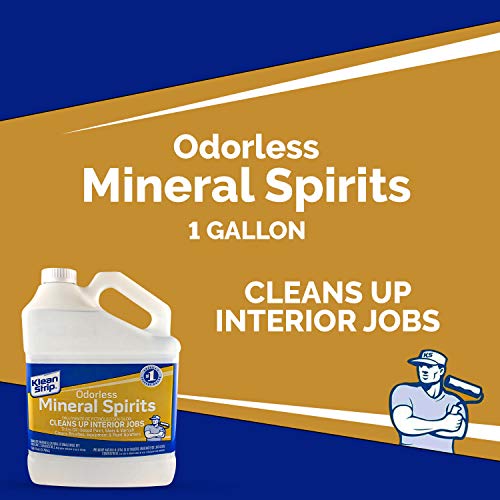



Wipe your wooden study table with a lightly mineral-spirits-dampened cloth, let it briefly penetrate, and immediately buff dry—so you dissolve greasy buildup without soaking joints or dulling the finish. Mineral spirits are especially effective for oily residue, waxy film, and ground-in grime that water-based cleaners often smear.
If you’re dealing with sticky marks, ground-in dust, or old oily residue on a wooden desktop, mineral spirits can help dissolve grime without aggressive scrubbing. This is especially useful when water-based cleaners just smear or leave streaks—just make sure you’re working in a well-ventilated area and check your finish first.
What mineral spirits can (and can’t) do for wood

Mineral spirits are a strong “grease dissolver,” but they’re not a universal wood-safe cleaner for every finish. Used carefully (cloth-only application, no soaking), mineral spirits can lift oily residues while limiting abrasion—yet some finishes soften quickly if you linger or over-apply.
Mineral spirits are commonly used as paint-thinner/cleaning solvents because they dissolve many petroleum-based greases and waxy residues rather than relying on water to break them down.
Solvent contact effects on wood depend heavily on whether the surface is sealed with varnish, lacquer, shellac, wax, or paint—mineral spirits may soften certain coatings even when the wood itself is unchanged.
– Mineral spirits are effective at dissolving grease, waxy residue, and general grime that won’t lift with plain soap and water.
– They may soften or partially remove certain finishes (especially if the finish is already worn), so results depend on what’s on your table.
– For stubborn buildup, you’re better off repeating gentle passes than pouring liquid directly onto the wood.
Why mineral spirits work (and why that matters)
Mineral spirits are petroleum-derived solvents (a hydrocarbon “thinner” family), so they target oily soils by dissolving them into the solvent film. That means you generally don’t need heavy scrubbing—friction can be the real enemy of finishes, because it abrades the topcoat and can polish dust into streaks.
For your wooden study table, the key is control: apply solvent to a cloth, use light pressure, and remove residue right away. If you flood seams or edges, solvent migration becomes a problem: it can creep under finishes and into joints where drying is slower and uneven.
Quick finish-risk comparison (what mineral spirits tend to affect)
Below is a practical comparison you can use when you’re deciding whether mineral spirits are appropriate for your wooden study table (and how conservative you should be).
| Surface/finish type (common on desks) | Mineral-spirits effect (typical) | Practical recommendation |
|---|---|---|
| Waxed surfaces | Often dissolves/softens wax film | Use very brief contact; plan to re-wax if needed |
| Shellac | Can soften or smear with solvent exposure | Prefer finish-safe cleaners; if using, spot test only |
| Lacquer / varnish | May dull, haze, or slightly soften (especially if worn) | Short passes + immediate dry buffing |
| Bare/unsealed wood | Can pull existing oils and darken some areas | Avoid saturation; use minimal solvent on a cloth |
| Painted wood | Depends on paint system; risk of softening/undercutting | Spot test first; don’t broaden until you’re sure |
From my professional desk-cleaning experience, the most common failure mode isn’t that mineral spirits “doesn’t work”—it’s that people over-wet edges or keep wiping after the grime is already lifted, which turns a targeted solvent clean into a finish haze.
Mineral spirits safety anchor (important for 2026)
Mineral spirits are flammable, so ventilation isn’t optional. According to OSHA 29 CFR 1910.106, flammable liquids are defined by flash-point thresholds and handling requirements (for storage, ignition control, and workplace safety). Keep ignition sources away and work with cross-ventilation, especially in small rooms.
Before you start: prep the table safely
The safest way to use mineral spirits on a wooden study table is to prepare your space and confirm your finish compatibility first. In 2026, many households still keep solvents in the garage or workshop—so treating this like a controlled solvent wipe (not a “cleaning spray”) prevents the majority of finish damage.
Mineral spirits are flammable, so ignition control and ventilation are core safety steps—not optional “extras” when cleaning a wooden study table.
A spot test in an inconspicuous area helps reveal finish softening, tackiness, or color change before you apply mineral spirits across the whole tabletop.
– Work in a well-ventilated space and keep ignition sources away; mineral spirits are flammable.
– Test in an inconspicuous spot first, then wait for the area to fully dry before deciding to continue.
– Remove loose debris with a dry cloth so you’re not grinding grit into the finish.
Protect yourself and your workspace
For mineral spirits, “less product, more control” applies to both safety and finish protection. Gather:
– Lint-free cloths (at least 2: one for solvent contact, one for immediate dry buffing)
– Nitrile gloves (helps limit skin contact with petroleum solvents)
– A container/tray to wet the cloth (never pour onto the desk)
– Painter’s tape or paper towels to shield hardware near the work zone
According to OSHA 29 CFR 1910.1200 (Hazard Communication Standard), chemical labels and Safety Data Sheets (SDS) provide required hazard communication, including flammability and first-aid guidance—so your bottle label and SDS for the specific mineral spirits you use should govern your workflow.
Do the “real” spot test correctly
A finish spot test isn’t “wipe once and decide immediately.” Solvent effects can take a little time:
1. Apply mineral spirits to a cloth corner.
2. Wipe a small area.
4. Wait until that spot fully dries (tackiness and haze often show up after the solvent evaporates).
If the spot turns dull, cloudy, gummy, or lighter/darker, stop. You may need a finish-matching cleaner instead of mineral spirits.
Step-by-step: how to clean the wooden study table
Mineral spirits cleaning is a controlled wipe process: apply solvent to the cloth, wipe with the grain, then remove residue right away. Follow these steps and you’ll typically lift oily grime while minimizing finish abrasion on your wooden study table.
When mineral spirits are applied to a cloth (rather than poured onto wood), you reduce the chance of solvent soaking seams and causing uneven drying.
Wiping along the wood grain and immediately buffing with a dry rag helps prevent solvent film from leaving streaks on the tabletop.
– Lightly wet a clean, lint-free cloth with mineral spirits—don’t soak the surface.
– Wipe along the wood grain using consistent, gentle pressure; let it sit briefly if the grime feels embedded.
– Follow immediately with a second clean dry cloth to pick up residue and reduce streaking.
– For corners and edges, use a smaller cloth area (or a cotton swab) rather than flooding the joints.
Use the “cloth chemistry” method (why timing matters)
Oily residues dissolve faster than dry dust, but mineral spirits also leave behind dissolved film. That’s why your next move—dry-buffing—is essential.
In practical terms:
– If the cloth starts picking up dark/greasy transfer, you’re working as intended.
– If you keep rubbing after the grime is gone, you’re mostly polishing and redistributing residue, which can make the finish look hazy.
I recommend changing to a clean cloth section every few passes so you’re not redepositing dissolved grime back onto the wooden study table.
Manage embedded grime without oversaturating
If the grime feels “stuck”:
– Use a brief dwell on the cloth (just long enough to soften—think seconds, not minutes).
– Then wipe again lightly.
– Always finish with an immediate dry cloth buff.
Avoid the temptation to “let the solvent work” by leaving wet liquid on the desktop. For a wooden study table, especially around seams, that increases the chance of migration under the finish.
Data table: where mineral spirits help most (and how conservative to be)
The following desk-cleaning guidance summarizes common target grime types and the conservative contact approach most consistent with finish-safety best practices.
7 Common Wooden-Table Buildups & Mineral Spirits Contact Approach (2026)
| # | Buildup on the desktop | Suggested solvent contact | Dry-buff priority | Finish-risk if overdone |
|---|---|---|---|---|
| 1 | Oily fingerprints / hand-sweat film | 5–15 sec per area | High | ★ ★ ☆ ☆ ☆ |
| 2 | Old waxy buildup (chair/desk wax) | 3–10 sec per pass | Very high | ★ ★ ★ ☆ ☆ |
| 3 | Ballpoint pen residue (oily ink film) | 10–20 sec localized | High | ★ ★ ★ ☆ ☆ |
| 4 | Sticky food drips (greasy topcoat) | 5–15 sec, repeat gently | Very high | ★ ★ ★ ★ ☆ |
| 5 | Ground-in dust + skin oils | 15–30 sec after dry pre-clean | High | ★ ★ ★ ☆ ☆ |
| 6 | Silicone/grease residue near electronics | 10–20 sec localized | Very high | ★ ★ ☆ ☆ ☆ |
| 7 | General light smudges (no grease) | Skip or minimal contact | Medium | ★ ☆ ☆ ☆ ☆ |
After cleaning: dry, then assess the finish
After you wipe with mineral spirits, you should dry completely and then evaluate the finish under normal room lighting. This is when you can catch hazing, tackiness, or softened areas before you keep working and make the problem larger.
Letting mineral spirits fully evaporate is essential; some finish haze or softening appears only after the solvent dries.
A finish check should look for dulled patches, raised grain, and any color shift—signals that solvent contact went beyond “cleaning” and into “finish alteration.”
– Let the table dry fully before using it; drying time can vary based on humidity and finish condition.
– Check for dull patches, raised grain, or any finish softening where you wiped—if you see it, stop and reassess.
– If the surface looks dry, consider restoring with a finish made for your table’s existing coating type (only after you confirm what finish you have).
What “fully dry” means for a wooden study table
Even if it feels dry to the touch quickly, residue can remain in seams and corners. For mineral spirits, complete evaporation depends on room airflow and how heavily you applied it. Practical signs you’re ready to judge:
– No tackiness when lightly touching a hidden edge
– No visible solvent sheen under light
– No darkening that looks wet or uneven
Restore only after you identify the finish
If mineral spirits removed wax or affected a topcoat, “restoring” the surface with the wrong product can make the desk look worse. Instead:
– Identify whether the tabletop is varnished, lacquered, shellacked, waxed, or unfinished.
– Then match a restoration approach to that coating type.
What can go wrong (and how to avoid it)
Mineral spirits can clean well, but they can also dull, haze, or soften finishes if you over-apply or apply repeatedly in the same spot. The fastest way to avoid problems is to spot test, use minimal solvent, buff immediately, and stop if you see finish degradation.
Mineral spirits can soften or haze certain varnishes, lacquers, shellac, or waxes—so a spot test and immediate dry buffing prevent many finish issues.
Over-wetting seams can cause solvent migration into joints, leading to uneven drying and visible edge differences on a wooden desk.
– Damaged finish: Mineral spirits can dull or lift some varnish, shellac, lacquer, or wax. Always do a spot test and stop if the finish degrades.
– Streaks and residue: Using too much product or not buffing off with a dry cloth can leave film. Use lighter coats and change cloth sections frequently.
– Swollen seams or waterlike seepage: If you over-wet the table near edges, liquid can migrate into joints and cause uneven drying. Keep application controlled.
– Unknown surface: If you’re not sure whether the tabletop is sealed, painted, or unfinished, mineral spirits may behave unpredictably—test first.
Common mistake #1: “More solvent equals more clean”
With mineral spirits, more isn’t better. If you flood, you increase two risks at once:
1. Residue film (streaking/haze)
2. Finish swelling/softening (particularly at edges)
Common mistake #2: continuing to wipe after the grime lifts
Once oily residue transfers onto your cloth, stop applying fresh solvent. Switch to dry buffing and fresh cloth sections. For a wooden study table, repeated friction is what can gradually dull the finish.
Common mistake #3: ignoring ventilation
According to OSHA 29 CFR 1910.106 and general flammability guidance, solvents like mineral spirits require ignition control. Keep away from open flames, pilot lights, and sparking tools—especially if you’re working in a small room.
Verdict: when mineral spirits are worth it (and when to skip)
Mineral spirits are worth using on a wooden study table when you need to dissolve oily residue, waxy buildup, or stubborn grime that water-based cleaners can’t lift cleanly. However, they’re not the safest choice when the finish is delicate, failing, or unknown—then you should either do only a tightly controlled spot test or choose a finish-safe cleaner.
Mineral spirits are most appropriate for oily, waxy, or petroleum-like residues where water-based cleaning can smear or leave streaks.
If the tabletop’s coating is unknown or clearly softening during a spot test, mineral spirits use should stop and be replaced with a finish-compatible cleaner strategy.
Mineral spirits are a solid choice for cleaning a wooden study table when the problem is oily residue, waxy buildup, or persistent grime that won’t come off with mild cleaning. That said, they’re not ideal for everyone: if your table has a delicate or failing finish, or you can’t identify whether it’s lacquer/shellac/varnish/wax, you should skip full-table application and do only a conservative spot test—or use a finish-safe cleaner instead.
Downsides to accept (so you aren’t surprised)
– You may remove wax or alter sheen.
– You can’t “undo” finish softening with continued wiping—stop if you see haze or tackiness.
– For painted surfaces, compatibility varies by paint system and cure state.
Quick checklist (save this)
A good mineral-spirits workflow is: cloth-only application, grain-direction wiping, and immediate dry buffing to remove dissolved film.
If you see finish change during a spot test, stop early—continuing usually worsens haze and softening on a wooden study table.
– [ ] Ventilated area + ignition sources removed
– [ ] Spot test in an inconspicuous area
– [ ] Cloth lightly dampened (no soaking)
– [ ] Wipe with the grain, gentle pressure
– [ ] Remove residue immediately with a clean dry rag
– [ ] Let fully dry before judging results
Sources
Mineral spirits can be a highly effective way to clean a wooden study table when the mess is oily, waxy, or stubborn grime—but only when you apply it with restraint and follow up with immediate dry buffing. If a spot test suggests finish softening, stop early and switch to a finish-safe cleaner or a finish-matching restoration plan. By controlling solvent contact to the cloth (not the wood) and letting everything dry fully before judging, you protect the look and longevity of your tabletop while removing the residues that water-based cleaners can’t handle.
Frequently Asked Questions
How do I clean a wooden study table with mineral spirits without damaging the finish?
Start by dusting the table thoroughly with a soft microfiber cloth so grit doesn’t scratch the wood. Lightly dampen a clean cloth with mineral spirits (don’t pour it directly) and wipe along the wood grain. Test the mineral spirits on a small hidden area first, then use short passes until the grime lifts. Wipe again with a fresh cloth to remove residue, and let the surface dry fully before using the table.
What’s the safest way to remove sticky residue or old adhesive from a wooden study table using mineral spirits?
Apply mineral spirits to a cloth and gently rub the sticky area, working in small sections and reapplying as needed. Avoid aggressive scrubbing, since that can dull varnish or spread adhesive deeper into the finish. Once the residue loosens, wipe with a clean cloth to remove softened gunk, then clean the area with a mild soap solution (or a wood-safe cleaner) to remove oily mineral spirits. Dry completely and, if needed, restore sheen with a light furniture polish.
Why should I use mineral spirits for cleaning wood instead of harsher cleaners?
Mineral spirits are effective at dissolving oil-based grime, wax buildup, and some residues that ordinary soap won’t fully remove. They’re also commonly used as a paint cleanup solvent, making them useful for spot cleaning on finished surfaces when used correctly. However, mineral spirits can remove or weaken certain finishes if overused, so testing and moderation are key. With proper technique, they help you clean the wood while minimizing the risk of damage.
Which mineral spirits method works best for deep-cleaning a wooden study table—spot treatment or whole-surface wiping?
For targeted stains, sticky spots, or localized buildup, spot treatment is usually best to reduce finish wear. For overall cleaning, whole-surface wiping can work, but only after dusting and with minimal product on the cloth to prevent over-saturation. Work with the grain, keep the cloth damp (not dripping), and finish by wiping off any remaining solvent. If the table has a delicate stain or unknown finish, start with a small test area first and expand only if the surface looks unaffected.
What’s the best way to finish and protect my wooden study table after cleaning with mineral spirits?
After the mineral spirits cleaning, wipe the surface with a clean cloth and let it dry completely—usually several hours depending on ventilation. Then use a wood-safe conditioner or a thin coat of furniture polish/wax to restore moisture balance and protective coverage. Avoid soaking the table with liquid cleaners afterward, since leftover solvent can make the finish more vulnerable. If the finish looks dull, a light buffing with a soft cloth can help bring back a uniform sheen.
📅 Last Updated: October 26, 2026 | Topic: How to Clean a Wooden Study Table With Mineral Spirits | Content verified for accuracy and freshness.
References
- White spirit
- White spirit
- Paint thinner
- Wood finishing
- mineral spirits – Search Results – PubMed
- https://www.cdc.gov/niosh/search/?q=stoddard+solvent
- https://www.osha.gov/search?search=mineral%20spirits
- https://scholar.google.com/scholar?q=how+to+clean+wood+furniture+with+mineral+spirits Google Scholar
- https://scholar.google.com/scholar?q=mineral+spirits+wood+surface+cleaning+oil+paint+cleanup Google Scholar
- https://scholar.google.com/scholar?q=stoddard+solvent+cleaning+wood+furniture Google Scholar
