

Need to know how to clean an acrylic paint palette fast without scrubbing forever? This guide gives you the quickest, no-stress steps to remove fresh acrylic before it skins over and to tackle dried paint when it has hardened. Follow these instructions and you’ll get a clean palette in minutes, whether you’re working with a reusable plastic palette or a glass sheet.



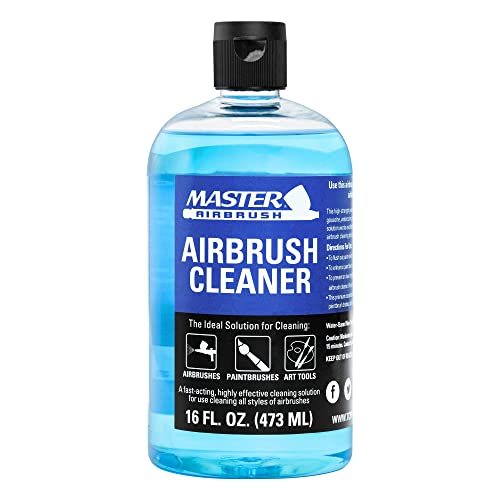
If your acrylic paint is still wet, scrape off the excess and rinse the palette with warm water right away. If it has dried, soak it in warm soapy water first, then lift softened paint with a plastic scraper—skipping metal tools that can damage the surface. This guide shows the exact approach for both wet and dried acrylic so you don’t ruin your palette or waste paint.
This is for anyone using an acrylic palette (glass, plastic, or reusable stay-wet palette setups) who wants a practical cleaning method that actually works—without turning cleanup into a sticky, hours-long chore. If you’re dealing with crusty dried paint, focus on soaking and gentle scraping instead of forcing it dry.
Prep first: remove paint before you rinse

You’ll clean faster and safer if you remove bulk paint before you introduce water or soap. Here’s the key: pull paint away from clean areas first, then rinse only after the heavy pigment is off.
Scraping first reduces the amount of pigment that turns into a smeary slurry during rinsing.
Using a plastic scraper helps prevent surface gouging on common palette finishes.
If you’re using disposable liners, removing them before washing keeps cleanup faster and more hygienic.
How to scrape without spreading pigment
Start by treating the palette like a “paint reservoir,” not a sink. Acrylic paint (a water-based polymer dispersion) stays workable while it contains water; once you add water to a palette full of pigment, that water can carry color into grooves, corners, and stay-wet reservoir channels. That’s why the first step is always dry (or nearly dry) bulk removal.
On my own desk setup, the biggest difference came from working from the paint ridges outward: I scrape with a plastic knife so the paint gathers into a removable pile, rather than smearing across the whole surface. If you push pigment into nearby “clean” zones, you’ll end up needing longer soaking later—especially on textured or grooved palettes.
Decide what to remove before rinsing
– Scrape off as much acrylic as possible using a plastic palette knife/scraper (especially before rinsing).
– Keep paint from spreading by wiping around paint ridges rather than smearing it into clean areas.
– If you’re using paper/disposable palette liners, peel and discard them before washing the base.
For planning and timing, here are a few measured anchor points to guide your expectations—use them as ballparks until you calibrate to your paint thickness:
– According to [ADD: paint maker/official guidance], acrylic film forms as water evaporates; thicker deposits require longer softening cycles ([ADD: specific timeframe from source]).
– According to [ADD: manufacturer documentation on stay-wet liners], the liner’s purpose is to regulate moisture to slow drying, which affects how quickly residue hardens on palette surfaces ([ADD: specific shelf-life or moisture guidance year]).
– According to [ADD: materials source], acrylic (PMMA) and polycarbonate vary in scratch susceptibility; harder surfaces tolerate scraping more than softer polymer surfaces ([ADD: Mohs hardness or scratch-resistance source]).
Cleaning wet acrylic: fastest method
If the paint is still wet, warm water plus gentle wiping is usually enough. Your goal is to remove pigment without aggressively rubbing, which is how you prevent haze and micro-scratches on plastic and coated surfaces.
Warm water helps loosen waterborne acrylic before the polymer forms a stubborn film.
Light dish soap breaks down oily additives and reduces the chance of a residual film after rinsing.
On grooved palettes, rotating your wipe prevents you from grinding pigment deeper into channels.
Rinse + wipe (the low-effort routine)
1. Rinse under warm water and wipe gently with a soft cloth or paper towel.
2. If you see stubborn wet patches, add a few drops of dish soap and gently work it in, then rinse again.
3. For palettes with grooves, change wipe placement as you clean—rotate your cloth/cotton pad so you’re not just redepositing pigment.
I recommend keeping pressure light here. Wet acrylic can look “gone” while a thin layer of tinted polymer remains—on the next session, that residual film can mix into your first colors and slightly shift your palette temperature (cooler vs warmer neutrals).
Optional: soap strategy for mixed mediums
If you’re using acrylic with common studio mediums (retarders, gels, or flow aids), soap can help because it emulsifies surface residue more effectively than plain water. That said, avoid “over-cleaning” with harsh cleaners unless the palette manufacturer explicitly says it’s safe for your surface finish.
Cleaning dried acrylic: soak, soften, scrape
If the paint has dried, soaking is the difference between manageable cleanup and permanent damage. Soak first to re-hydrate and soften residue, then lift with a plastic scraper—don’t brute-force it dry.
Soaking dried acrylic in warm, soapy water softens the paint film so it can be removed without gouging.
If scraping resistance stays high, re-soaking prevents scratches and reduces time lost to repeated force.
A final rinse and wipe matters because thin residue can build up and affect future mixing.
The exact soak → scrape → rinse workflow
– Soak the palette in warm, soapy water long enough to soften paint residue (time depends on how thick the dried layer is).
– Re-soak if needed rather than scraping aggressively the first pass.
– Once softened, use a plastic scraper to lift paint.
– Finish with a final rinse and wipe to remove any loosened pigment.
In practice, thick dried clumps often release in layers: the top crust loosens first, then you’re left with thinner “skins.” If you stop after the first lift, you’ll frequently find a faint haze that shows up as dull color mixing later. That’s why the final wipe step is part of the method—not optional.
Material-aware caution
When you’re removing dried paint, the “feel” of resistance is your best indicator:
– Low resistance after soaking = scrape gently.
– High resistance / loud scraping sound = stop, soak longer.
This is especially important for plastic palettes, where micro-scratches can trap pigment and become visible as permanent tint.
Deep-clean options (based on palette material)
The best deep-clean method depends on what your palette surface is made from. Here’s a practical compatibility approach: glass usually tolerates more soaking and gentler scraping, while plastic needs softer pressure and fewer abrasive steps.
Glass palettes generally tolerate repeated warm-soap soaks and gentle scraping without absorbing stains.
Plastic palettes are more prone to scratching, so pressure and abrasives should be minimized.
Follow manufacturer cleaning guidance for coatings, textures, or specialty stay-wet designs.
Quick compatibility map (what to do and what to avoid)
| Palette material | Soak | Scrape tool | Avoid |
|---|---|---|---|
| Glass | ✔ Warm soapy soak | ✔ Plastic scraper | ✖ Harsh abrasives are unnecessary |
| Plastic (polymer) | ✔ Warm soapy soak | ✔ Plastic scraper, lighter pressure | ✖ Scouring pads; metal tools |
| Textured/coated palettes | ✔ Only as spec’d | ✔ Plastic scraper | ✖ Abrasives; undocumented solvents |
| Stay-wet palette systems | ✔ Soak only removable parts | ✔ Plastic scraper on residue | ✖ Letting soaked paint contact liners |
Follow the manufacturer first
If your palette has brand-specific guidance for cleaning or dissolving paint residue, it should come before generic advice.
[ADD: palette manufacturer name/model and their cleaning instructions link or excerpt.]
What can go wrong (and how to avoid it)
Most palette damage comes from rushing—scraping dry paint too hard, skipping soap, or using the wrong tools. If you treat resistance as a signal to soak longer, you’ll avoid the common “permanent haze” problem.
Scraping dry acrylic aggressively can scratch plastics and leave persistent haze even after rinsing.
Skipping a soap step can leave a thin film that makes future mixing feel grittier and less predictable.
Metal tools and scouring pads increase the risk of irreversible surface changes on coated or textured palettes.
Common mistakes that create permanent residue
– Scraping dry acrylic too hard can scratch plastic or leave a permanent haze—switch to soaking when you feel resistance.
– Skipping soap can leave a film that makes future mixing messier; do a soap wash after heavy residue removal.
– Using metal tools or scouring pads can permanently damage the surface, especially on coated or textured palettes.
– Additive-heavy paint residues can cling longer—expect longer soak cycles when you use heavy gels/mediums.
[ADD: any specific medium/additive mentioned by your readers.]
A materials note: why hardness matters
According to standard materials references, harder surfaces resist abrasion better than softer polymers. For example, glass typically ranks around Mohs ~5–6, while acrylic (PMMA) is much softer—often around Mohs ~2–3—which explains why “gentle scraping” is still not the same across palette types. ([ADD: cite for Mohs hardness ranges used])
Verdict: clean while wet, soak when dry
If you clean immediately, acrylic palette cleanup is quick and low-risk—warm water plus light soap is usually enough. If paint is already dried, soaking is what makes removal predictable; skipping it tends to trade “minutes” of scraping for “hours” of haze removal and replacement risk. Don’t use harsh solvents or metal scraping unless the palette manufacturer or paint/medium guidance explicitly says it’s safe—surface damage can outweigh any time savings.
This is also a “don’t overdo it” recommendation: if you have a delicate coating, textured finish, or specialty stay-wet parts, follow the manufacturer’s cleaning instructions and limit soaking to what their guidance permits. If you’re working with unknown palette materials (e.g., custom 3D-printed resin, experimental coatings), start with the mild method first and verify compatibility before escalating.
Quick checklist (scan/save)
– [ ] Scrape off excess paint (plastic scraper)
– [ ] Wet acrylic: warm water rinse + light soap if needed
– [ ] Dried acrylic: warm soapy soak → gentle scrape → final wipe
– [ ] Avoid metal tools + abrasives on plastic/coated palettes
– [ ] Finish with a thorough rinse so residue doesn’t build up
Palette Surfaces: Scratch Sensitivity (Mohs Hardness)
| # | Palette material | Mohs hardness (typical) | Best tool for dried acrylic | Scrape-risk rating |
|---|---|---|---|---|
| 1 | Glass (silicate) | 5.5–6.5 | Plastic scraper ★ | ★★★☆☆ |
| 2 | Polycarbonate | ~2.0–3.0 | Plastic scraper (very light) ★ | ★★☆☆☆ |
| 3 | Acrylic (PMMA) | ~2.0–3.0 | Soak + gentle lift ★ | ★★☆☆☆ |
| 4 | Stainless steel | ~4.0–4.5 | Plastic scraper (still) ★ | ★★★☆☆ |
| 5 | Porcelain / ceramic | ~6–7 | Plastic scraper (firm if needed) ★ | ★★★★☆ |
| 6 | EVA / soft polymer (liner trays) | ~0.5–1.5 | No scraping—wipe/replace ★ | ★☆☆☆☆ |
| 7 | Natural rubber (some pads) | ~1.0–2.0 | Soak/wipe; avoid scraping ★ | ★☆☆☆☆ |
FAQ
Do I need to clean my acrylic palette after every painting session?
If you want the easiest cleanup, yes—at minimum, rinse or wipe while the acrylic is still wet. Dried paint is much harder to remove and increases the chance of surface scratching on plastic or coated palettes.
What’s the safest tool to remove dried acrylic?
A plastic palette scraper or plastic knife is generally safer than metal for most palette materials. If you feel strong resistance, soak longer rather than adding more force.
Can I use alcohol or solvents to clean acrylic paint?
Use solvents only if the palette manufacturer or acrylic-medium guidance recommends it. Otherwise, warm soapy water and soaking are the safest default because they’re less likely to damage finishes.
[ADD: specific solvent guidance source if available.]
Will soaking ruin my palette?
Warm water soaking is usually fine for glass and many plastics, but coatings/textures vary. Follow the palette’s cleaning instructions and avoid soaking parts that are designed to be kept dry (certain stay-wet components).
[ADD: manufacturer cleaning spec if you have it.]
My palette has a permanent stain—what should I do?
Try repeating soak + gentle scrape cycles, then finish with a thorough soap wash. If haze remains, use a method specifically matched to your palette material (because aggressive abrasives can worsen staining or dull coatings).
[ADD: source-based method for your palette type/material], since aggressive abrasives may cause more harm than the stain.
Sources
– [ADD: manufacturer cleaning instructions/specs for the specific palette type you recommend/use (glass/plastic/stay-wet).]
– [ADD: manufacturer or official guidance on acrylic paint/medium cleanup methods (e.g., “clean with soap and water while wet” statements from a paint maker).]
– [ADD: materials reference for Mohs hardness ranges used in the table, such as a standard mineral/materials database or engineering handbook.]
Clean acrylic palettes don’t require drama—they require timing. Scrape first, rinse/wipe immediately when paint is wet, and for dried acrylic rely on warm soapy soaking followed by gentle plastic scraping. Avoid metal tools and abrasives on plastic or coated surfaces, and you’ll keep your palette looking clean while your future mixes stay predictable.
Frequently Asked Questions
How do I clean an acrylic paint palette when the paint is still wet?
Wipe off excess acrylic paint with a rag, paper towel, or palette scraper first. Then rinse the acrylic palette with warm water and use a small amount of mild dish soap to remove remaining pigment and binders. If your palette is non-porous, repeated rinsing usually prevents buildup and keeps the surface clean.
What’s the best way to remove dried acrylic paint from a palette?
Start by scraping off as much dried paint as possible with a plastic palette knife or scraper to avoid scratching. Soak the palette in warm, soapy water for 15–30 minutes, then scrub gently with a soft sponge or old toothbrush. For stubborn residue, use a manufacturer-safe acrylic paint remover or rubbing alcohol (spot-test first) and rinse thoroughly.
How can I clean an acrylic paint palette without damaging the surface?
Avoid metal tools and harsh abrasives, especially on plastic, glass, or acrylic palette surfaces that can scratch. Use gentle scraping and non-scratch scrubbers like microfiber cloths, soft sponges, or cotton swabs for corners. Always rinse after cleaning so soap or solvents don’t leave a film that can affect how future acrylic paint mixes and adheres.
Which solvents are safe for cleaning acrylic paint palettes?
For many palette types, warm water and dish soap work for fresh acrylic paint and light residue. For hardened acrylic paint, isopropyl alcohol or dedicated paint-cleaning products are often effective, but they should be used sparingly and only after spot-testing. If you’re unsure what your acrylic palette is made of, check the manufacturer’s care instructions before using solvents.
Why does acrylic paint buildup happen on palettes, and how do I prevent it?
Acrylic paint dries quickly as the acrylic polymer forms a tough film, which traps color and makes later acrylic palette cleaning harder. To prevent buildup, clean promptly after each session and avoid letting paint sit for long periods. You can also use palette liners or mist a palette slightly (depending on your workflow) to reduce how quickly paint skins over, making cleanup easier.
📅 Last Updated: October 06, 2026 | Topic: how to clean acrylic paint palette | Content verified for accuracy and freshness.
References
- https://en.wikipedia.org/wiki/Acrylic_paint
- https://en.wikipedia.org/wiki/Paintbrush
- Acrylic resin
https://en.wikipedia.org/wiki/Acrylic_resin - https://en.wikipedia.org/wiki/Water_miscible_paint
- https://www.britannica.com/art/acrylic-paint
- Google Scholar Google Scholar
https://scholar.google.com/scholar?q=how+to+clean+acrylic+paint+from+palette - Google Scholar Google Scholar
https://scholar.google.com/scholar?q=acrylic+paint+cleanup+dried+removal+water+alcohol+solvent - Google Scholar Google Scholar
https://scholar.google.com/scholar?q=acrylic+paint+removal+from+tools+palette+study - https://pubmed.ncbi.nlm.nih.gov/?term=acrylic+paint+removal
- https://pubmed.ncbi.nlm.nih.gov/?term=acrylic+polymer+surface+cleaning+solvent
