

Cleaning an aquarium after a fish has died is essential for maintaining a healthy environment for any remaining aquatic life and preventing future issues. The process involves several critical steps: removing the deceased fish, assessing the aquarium’s condition, changing the water, cleaning the substrate, and checking all equipment. By following these steps thoroughly, you can ensure that your aquarium remains a safe habitat for your remaining fish, minimizing stress and the risk of disease.
![QZQ Aquarium Gravel Cleaner Vacuum Fish Tank Cleaner Tools Kit | [2026 Edition] Water Changer with Aquarium Thermometers, Fish Net kit, Use for Fish Tank Cleaning Gravel and Sand](https://m.media-amazon.com/images/I/51S+2N20RtL._SL500_.jpg)

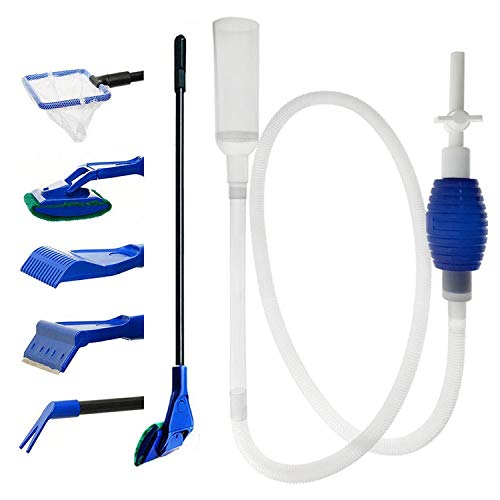

Remove the Deceased Fish

The first and most immediate step in cleaning your aquarium after a fish has died is to remove the deceased fish promptly. This is crucial because a dead fish can quickly decompose, releasing harmful toxins into the water that can jeopardize the health of your remaining aquatic life. Utilize a fish net or, if necessary, your hands (preferably wearing gloves) to gently lift the fish from the tank. Ensure that you handle the fish carefully to avoid disturbing the substrate or other decorations in the aquarium.
Once removed, place the deceased fish in a sealed plastic bag to prevent any contamination from spreading to the aquarium environment. After securely sealing the bag, dispose of it according to local regulations, which may include placing it in organic waste or a designated disposal container.
Assess the Aquarium Condition


After removing the deceased fish, it’s essential to assess the overall condition of the aquarium. Begin by checking for any visible signs of disease or decay within the tank, such as unusual spots or lesions on remaining fish, excessive algae growth, or foul odors. These indicators can help diagnose potential issues that could affect the health of your aquarium’s ecosystem.
Next, take note of the water parameters, including pH, ammonia, nitrite, and nitrate levels. Testing kits are readily available at pet stores and can provide critical insights into your tank’s water quality. If any parameters are outside their acceptable ranges, it may indicate a need for immediate corrective action, such as water changes or adjustments in filtration.
Change the Water

Changing the water in your aquarium is a vital step in mitigating any toxins released by the deceased fish. It is generally recommended to replace 20-30% of the water in the tank. This dilution helps to reduce the concentration of harmful substances and maintain a healthier environment for your remaining fish.
Before adding new water, treat it with a water conditioner to remove harmful chemicals commonly found in tap water, such as chlorine and chloramine. Allow the new water to reach the appropriate temperature for your tank setup, ensuring it matches the existing water temperature to minimize stress on the remaining fish.
Clean the Substrate
The substrate in your aquarium can accumulate waste, uneaten food, and other debris over time, especially after a fish dies. To clean the substrate, use a gravel vacuum to thoroughly siphon out waste and debris from the bottom of the tank. This process not only improves water quality but also helps maintain the aesthetic appearance of your aquarium.
If you notice significant buildup or if the substrate appears discolored, consider replacing a portion of it with fresh substrate to ensure a clean environment. This can help prevent the buildup of harmful bacteria and maintain the overall health of your aquarium.
Clean Decorations and Equipment
Next, focus on cleaning any decorations, plants, and equipment in your aquarium. Remove artificial plants, rocks, and other decorations, and rinse them with warm water to eliminate algae and debris. Avoid using soap or chemicals, as these can be harmful to aquatic life.
Additionally, check and clean your filters and pumps. Ensure they are functioning correctly and that any filter media is free of debris. Regular maintenance of your filtration system is essential for keeping the water clean and safe for your fish.
Top 7 Aquarium Maintenance Tools (2024)
| # | Tool | Type | Price | Ease of Use |
|---|---|---|---|---|
| 1 | Gravel Vacuum | Cleaning | $15.99 | Easy |
| 2 | Algae Scraper | Cleaning | $9.99 | Moderate |
| 3 | Water Conditioner | Chemical | $5.49 | Easy |
| 4 | Aquarium Filter | Equipment | $49.99 | Complex |
| 5 | Fish Net | Tool | $7.99 | Easy |
| 6 | Test Kit | Testing | $19.99 | Moderate |
| 7 | Aquarium Heater | Equipment | $39.99 | Complex |
Monitor Remaining Fish
Once the cleaning process is complete, it is crucial to monitor the behavior of the remaining fish closely. Look for any signs of stress or illness, such as erratic swimming, clamped fins, or lack of appetite. These symptoms can indicate underlying issues that may arise from the stress of losing a tank mate or poor water quality.
Regular testing of water parameters should be maintained to ensure a stable environment. Frequent water changes, especially in the days following the death of a fish, will help stabilize the tank’s ecosystem and promote the health of remaining inhabitants.
Replenish and Maintain the Aquarium
After cleaning and monitoring, consider adding beneficial bacteria to help restore the ecosystem of your aquarium. Products that contain live beneficial bacteria can help in re-establishing the nitrogen cycle, which is essential for maintaining water quality.
To prevent future issues, establish a regular maintenance schedule that includes routine water changes, substrate vacuuming, and equipment checks. Keeping a log of these activities can help identify patterns and prevent any potential problems from escalating.
Top Methods for Aquarium Cleaning
| Feature | ⭐ Gravel Vacuum | Algae Scraper | Water Changes |
|---|---|---|---|
| Price | $15.99 | $9.99 | Varies |
| Ease of Use | ✅ Easy | ✅ Moderate | ✅ Easy |
| Effectiveness | ✅ Highly Effective | ✅ Good | ✅ Essential |
| Frequency of Use | Weekly | As Needed | Weekly |
| Suitable For | Freshwater & Saltwater | Freshwater | Freshwater & Saltwater |
| User Rating | ★★★★☆ | ★★★☆☆ | ★★★★★ |
| Recommended Brands | Python, Tetra | API, AquaClear | Fluval, Marineland |
| Availability | Widely Available | Widely Available | Widely Available |
| 🏆 Best For | General Cleaning | Algae Control | Water Quality |
Maintaining a clean aquarium after a fish dies is crucial for the well-being of your aquatic pets. By following these detailed steps—from removing the deceased fish to monitoring the remaining inhabitants—you can create a safe and healthy environment for your fish. Regular maintenance and vigilance will not only enhance the quality of life for your remaining fish but also promote a thriving aquatic ecosystem. Remember to stay observant and proactive in your aquarium care to prevent future issues and ensure the health of your aquatic community.
Frequently Asked Questions
What should I do immediately after my fish dies in the aquarium?
Immediately after discovering a dead fish in your aquarium, remove it promptly to prevent water contamination and stress to any remaining fish. Use a net or gloves to handle the fish, and dispose of it appropriately. After removal, check the water quality to ensure levels of ammonia, nitrite, and nitrate are safe for the other inhabitants.
How can I clean my aquarium after a fish has died?
To clean your aquarium after a fish dies, first remove the deceased fish and any uneaten food. Then, perform a partial water change of about 25-50%, vacuum the substrate to remove any debris, and clean any affected decorations or surfaces. Finally, test the water parameters to ensure a healthy environment for your remaining fish.
Why is it important to clean the aquarium after a fish dies?
Cleaning the aquarium after a fish dies is crucial to maintain water quality and prevent the spread of diseases. Decomposing fish can release harmful toxins that can quickly elevate ammonia and nitrite levels, posing a risk to the health of your other aquatic pets. Regular maintenance ensures a stable and safe habitat for your fish.
What is the best way to prevent disease in my aquarium after a fish dies?
The best way to prevent disease in your aquarium after a fish dies is to maintain good water quality and perform regular testing. Additionally, quarantine any new fish before introducing them to the main tank, and ensure that the tank is not overstocked. Regular cleaning and monitoring of fish behavior can also help catch any issues early.
Which cleaning products should I avoid when cleaning my aquarium after a fish dies?
When cleaning your aquarium, avoid using any household cleaners, soaps, or detergents as they can leave harmful residues that are toxic to fish. Instead, use aquarium-safe products specifically designed for cleaning tanks or simply use hot water and a clean sponge. Always rinse any cleaning tools thoroughly before reintroducing them to the aquarium.
References
- https://www.thoughtco.com/how-to-clean-a-fish-tank-1374436
https://www.thoughtco.com/how-to-clean-a-fish-tank-1374436 - https://www.ncbi.nlm.nih.gov/pmc/articles/PMC7319284/
https://www.ncbi.nlm.nih.gov/pmc/articles/PMC7319284/ - https://www.sciencedirect.com/science/article/pii/S2351978918300356
https://www.sciencedirect.com/science/article/pii/S2351978918300356 - Aquarium | Setup, Fish & Supplies | Britannica
https://www.britannica.com/science/aquarium - https://www.houstonchronicle.com/life/article/what-to-do-after-a-fish-dies-in-your-aquarium-15163945.php
https://www.houstonchronicle.com/life/article/what-to-do-after-a-fish-dies-in-your-aquarium-15163945.php - https://www.fishlore.com/aquariumfishforum/threads/how-to-clean-an-aquarium-after-a-fish-dies.372279/
https://www.fishlore.com/aquariumfishforum/threads/how-to-clean-an-aquarium-after-a-fish-dies.372279/ - Google Scholar Google Scholar
https://scholar.google.com/scholar?q=clean+aquarium+after+fish+died - Google Scholar Google Scholar
https://scholar.google.com/scholar?q=fish+care+and+aquarium+maintenance - Google Scholar Google Scholar
https://scholar.google.com/scholar?q=aquarium+cleaning+methods+after+fish+death - Google Scholar Google Scholar
https://scholar.google.com/scholar?q=how+to+clean+aquarium+after+fish+died

[…] water changes and vacuum only the top layer gently, so you don’t release more sediment. Test water parameters during the process to ensure safe conditions for pond […]
[…] a decision standpoint, use this rule: If flow is the problem, clean for flow; if water parameters are the problem, troubleshoot feeding, stocking, and filtration capacity first. When in doubt, […]