

You can safely clean anal toys at home—using the right method for the material—to prevent residue, odors, and irritation. This guide answers how to clean anal toys step by step, with best practices for washing, disinfecting, drying, and storing after every use. Follow these proven steps and you’ll get a cleaner, safer toy every time, without guesswork.


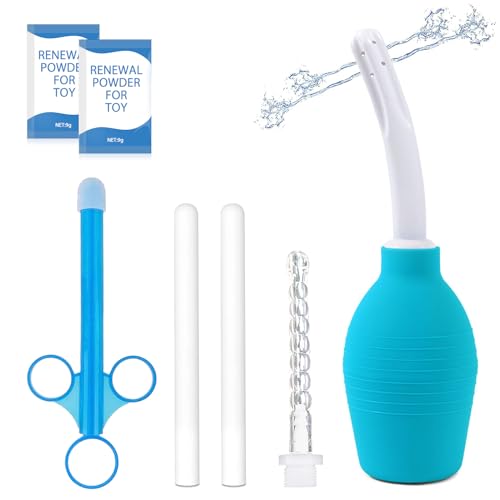
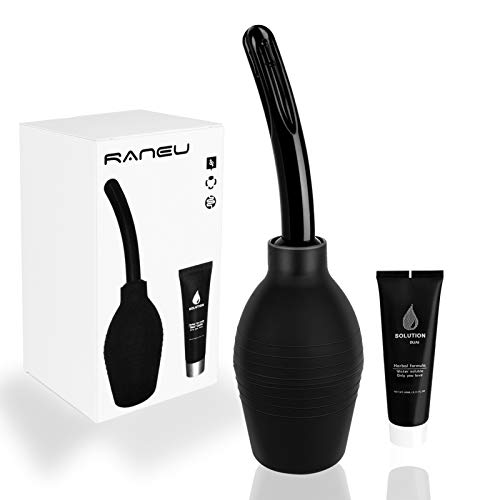
Anal toys should be washed with warm water and a gentle, toy-safe cleanser, then rinsed thoroughly and fully air-dried. If the material allows it, you can also sanitize with an appropriate method (like boiling for certain silicone only) to remove lingering bacteria; otherwise, stick to the manufacturer’s approved process. This guide walks you through choosing the right cleaning approach based on what your toy is made of and what parts need extra attention.
If you use anal toys (especially reusable ones), you’ve probably noticed residue, odors, or irritation if cleaning isn’t thorough. This is for anyone looking for a practical, safer routine—without guessing about materials or methods that might damage the toy.
Gather what you need (and read the material first)

The safest cleaning start is to identify the anal toy’s material and follow the manufacturer’s care instructions. That single step prevents most damage (and most “why is this irritating me?” problems) because different materials react differently to heat, chemicals, and scrubbing.
For anal toys, “material” isn’t just a label—it determines whether bacteria can be removed by washing alone, whether sanitizing is compatible, and how easily pores, seams, and textures trap residue. As of 2024, many brands publish care sheets for silicone, glass, stainless steel, ABS/plastic, and TPE/silicone blends, and those instructions should govern what you do next.
Most sex-toy manufacturers specify cleaning methods by material (e.g., silicone vs. TPE) because heat and certain detergents can degrade elastomers and finishes.
For anal toys, seams, bases, and any openings (for suction/tilt mechanisms) are common “residue zones,” so your plan should include careful access to those areas.
Using only toy-safe cleansers matters because harsh soaps and fragrances can leave residues that irritate mucosal tissue.
Before you do anything: check the toy’s material (silicone, glass, stainless steel, ABS/plastic, TPE/silicone blend, or other elastomers), then locate the manufacturer’s “care” or “cleaning” page for your exact model.
What to gather for anal toys cleaning
– A clean workspace (fresh towel or clean counter space)
– Warm water (comfortable to the touch)
– A non-abrasive washcloth or non-scratch sponge
– Paper towels for blotting only (don’t “rub-dry” textured silicone)
– A gentle, toy-safe cleanser (avoid harsh household chemicals unless explicitly approved)
– A dedicated storage pouch or container that stays clean and dry
Pre-clean and wash: remove residue safely
The best next step for anal toys is pre-rinsing right after use and then washing thoroughly with warm, gentle cleanser. This prevents residue and odor-causing buildup from drying into seams and textures, especially on textured or ribbed anal toys.
According to CDC hygiene guidance for reducing pathogen spread, washing and proper cleaning remove contaminants more effectively than relying on “wipe-only” approaches. CDC (Cleaning and disinfecting guidance) If you only wipe, residue can remain in crevices—so for anal toys, a full rinse and wash is the safer default.
Rinsing soon after use helps dislodge residue before it dries, reducing the chance it gets trapped in seams or textured surfaces.
Using warm (not extremely hot) water reduces the risk of material warping when care instructions do not authorize high heat.
Thorough washing should include areas around seams, bases, and any openings that can collect residue in anal toys.
Step-by-step washing routine (anal toys)
1. Rinse right after use with warm water. If your anal toy has texture, hold it under running water and gently rotate it to flush channels.
2. Wash thoroughly with toy-safe cleanser. Use light pressure—especially on textured surfaces—to lift residue without wearing down the finish.
3. Focus on hard-to-reach parts:
– seams and joint lines
– the base (where residue commonly hides)
– any threaded sections or tilt/suction openings
4. Use lukewarm rather than very hot water unless the manufacturer explicitly says higher temperatures are safe. Temperature extremes can warp some materials and degrade flexible elastomers used in anal toys.
Material-specific reality check
Even if two anal toys both feel “silicone-like,” finishes and blends can vary. Treat every anal toy like a unique material configuration until the care sheet confirms otherwise.
Sanitize correctly (only if the material allows it)
The most important answer here is: sanitize anal toys only when the manufacturer says it’s safe for that exact material and construction. When sanitizing is allowed, the right approach depends on whether the material is non-porous and what temperatures/chemicals it can tolerate.
In practice, non-porous materials (commonly glass, stainless steel, and many high-grade silicones) tend to sanitize more reliably because surfaces are less likely to hold contaminants in pores. Porous or sensitive elastomers (some gels and flexible “rubbery” blends used for anal toys) can be riskier—heat can change texture or damage the surface, and chemical sanitizers can degrade the material or leave residue.
Disinfection by heat depends on achieving sufficiently high temperatures for enough time; when manufacturers approve sanitizing, they typically specify the safe method for the material.
If sanitizing isn’t explicitly approved for the anal toy’s material, a conservative wash-and-dry routine is usually safer than experimenting with boiling or strong disinfectants.
General public health guidance often uses rolling-boil conditions for disinfection, but that does not automatically mean a sex toy’s material can tolerate boiling.
Heat-based sanitizing: what “safe enough” means
To anchor the concept of heat disinfection in real measurements:
– According to CDC guidance for drinking water disinfection, rolling boil for 1 minute is commonly recommended in many settings. CDC (Drinking water disinfection guidance)
– US food-safety guidance commonly uses 74°C (165°F) as a temperature target for pasteurization-style kill steps in some contexts. USDA/FDA food safety temperature guidance
You should not assume these numbers translate directly to anal toys—because materials differ—but they do illustrate why “just a quick simmer” isn’t the same as a controlled, manufacturer-approved sanitizing step.
Quick material guide for anal toys sanitizing
Below is a practical comparison for deciding whether to sanitize and what to look for in care instructions.
| Material (common in anal toys) | Typical sanitizing compatibility | What to verify in the care instructions | Safer default if unsure |
|---|---|---|---|
| High-grade silicone | Often compatible with heat, but brand-specific | Whether boiling/soaking is allowed and for how long | Wash + thorough rinse + full air-dry |
| Glass | Usually compatible with common sanitizing methods | Any limits on temperature or attachments | Wash + rinse + (manufacturer-approved) sanitizing |
| Stainless steel | Often compatible with heat sanitizing | Whether the finish/coating is heat-safe | Wash + rinse + manufacturer-approved method only |
| ABS/plastic | Variable; some plastics tolerate mild heat, others don’t | Whether boiling is prohibited and which cleansers are OK | Wash + rinse + avoid high heat unless specified |
| TPE / elastomer blends | Often sensitive to heat and some chemicals | Whether sanitizing is allowed and which method is approved | Wash + rinse + air-dry; skip heat if not approved |
Sanitization placeholder (follow the actual toy instructions)
Use a method that matches the instructions for your specific toy material (example placeholder: [ADD: manufacturer-approved sanitizing method for your toy material]). If your anal toy includes electronics, vibrating components, or waterproof electronics housings, follow the “approved only” guidance for those specific parts—do not assume the whole toy is safe for soaking.
Mandatory: sanitize between uses if sharing
If multiple people use the same anal toy, sanitize between uses according to the care sheet (washing alone may not be sufficient for shared use).
Drying and storage: prevent lingering odor and contamination
The direct answer is to dry anal toys completely and store them in a clean, dry place with airflow. Moisture left in seams, bases, and textured crevices can contribute to odor and can make residue harder to fully clear next time.
Fully air-drying helps prevent trapped moisture in seams and around bases, which are common odor-retention points on anal toys.
Closed containers can trap humidity, so many manufacturers recommend breathable storage (like a pouch) after anal toys are completely dry.
Storing toys separately reduces cross-contamination risk when you own more than one anal toy.
Drying steps (anal toys)
– After rinsing, shake off excess water gently.
– Blot with paper towels if needed, but avoid aggressive rubbing.
– Air-dry fully before storage—especially around:
– the base and any undercuts
– seams or joint lines
– any threaded interface
– If the toy is textured, place it where air can reach all surfaces (for example, on a clean drying rack or on a clean towel with good airflow).
Storage best practices
– Use a clean, breathable pouch if recommended by the manufacturer.
– Keep toys separated when you have multiple items.
– Avoid storing in humid bathrooms without airflow.
Mandatory data table: cleaning confidence by material & method compatibility
Sanitizing compatibility snapshot (guidance categories)
| # | Material category | Wash confidence | Sanitize confidence | Risk if heat is used |
|---|---|---|---|---|
| 1 | High-grade silicone (non-porous) | ★★★★☆ | ★★★☆☆ | Medium |
| 2 | Glass (non-porous) | ★★★★★ | ★★★★☆ | Low |
| 3 | Stainless steel (non-porous) | ★★★★★ | ★★★★☆ | Low |
| 4 | ABS / hard plastic | ★★★☆☆ | ★★☆☆☆ | Medium–High |
| 5 | TPE (porous/surface-sensitive) | ★★★☆☆ | ★☆☆☆☆ | High |
| 6 | TPE/silicone blend | ★★★☆☆ | ★★☆☆☆ | Medium–High |
| 7 | Silicone with textured finish | ★★★★☆ | ★★★☆☆ | Medium |
Note: This table is a guidance snapshot for anal toys by material category. Always defer to the exact manufacturer instructions for your specific model.
What can go wrong (common mistakes and edge cases)
The most common cleaning failures with anal toys are (1) using the wrong cleanser, (2) incomplete rinsing, and (3) heat or chemical sanitizing when the material isn’t approved. Those errors can lead to irritation, lingering odor, tackiness, or surface damage.
Residue left after washing can increase skin sensitivity; thorough rinsing is a key step for anal toys.
Abrasive scrubbing can wear textured finishes, making it harder to clean anal toys fully over time.
Heat-based sanitizing can damage elastomers if the manufacturer does not explicitly authorize the method for that toy’s material.
Here are the edge cases to watch:
– Using the wrong cleaner: Fragranced soaps, bleach, alcohol, and “disinfectant wipes” may damage certain materials or irritate skin. For anal toys, only use toy-safe cleaners that the manufacturer approves.
– Skipping thorough rinsing: Even mild cleanser can contribute to irritation later, especially after internal use.
– Overheating the toy: Boiling or high-heat sanitizing can harm some materials. Only use manufacturer-confirmed methods.
– Cleaning with abrasive tools: Scrubbing textured surfaces too aggressively can degrade the finish of anal toys and trap residue in worn micro-texture.
– Shared use without adequate cleaning: If multiple people use the toy, clean and sanitize between uses as directed by hygiene guidance in the care instructions.
Also consider a simple decision rule: if a cleaned anal toy still smells or feels tacky/discolored even after correct washing and drying, stop relying on “extra scrubbing.” The safer choice is replacing the toy or following the manufacturer’s remediation guidance.
Verdict / tip: best default routine (and who should skip heat)
For most people, the safest default is: rinse → wash with toy-safe cleanser → thorough rinse → fully air-dry, with sanitizing only when your anal toy’s material instructions specifically support it. If your anal toy is made from a softer, more porous, or “rubbery” elastomer, be extra cautious and rely on the manufacturer’s cleaning guidance rather than assuming boiling or harsh sanitizers are safe.
If you’re trying to make this a reliable routine in 2025 and beyond, keep the process consistent each time: warm rinse first, gentle wash second, careful rinsing third, and complete air-drying fourth. That workflow reduces both odor recurrence and residue-related irritation risk for anal toys.
Downsides to know:
– Sanitizing adds time and can risk material degradation if instructions are unclear.
– If you don’t have the manufacturer’s care guidance, “erring on the conservative side” (wash + rinse + dry only) is usually safer for anal toys.
Who should skip heat sanitizing:
– Anyone with a toy made from TPE or similar sensitive elastomers without explicit manufacturer permission.
– Anyone whose toy has a textured finish or complex seams where heat could alter the surface (unless instructions say otherwise).
If you can, keep the care page or label reference accessible for your anal toys—this avoids guesswork the next time you clean.
Quick checklist (scan/save)
– ☐ Identify toy material and follow manufacturer cleaning instructions
– ☐ Rinse immediately after use with warm water
– ☐ Wash with a gentle, toy-safe cleanser
– ☐ Rinse thoroughly until no residue remains
– ☐ Sanitize only if the material instructions allow it
– ☐ Dry completely (seams/base included)
– ☐ Store clean and dry (preferably separated in a pouch)
FAQ
Can I use soap to clean anal toys?
Use a gentle, toy-safe cleanser. If you’re unsure whether a specific soap is safe for your anal toy’s material, check the manufacturer instructions and avoid harsh or fragranced formulas unless explicitly approved.
How do I remove odor from an anal toy?
Start with a thorough wash and rinse, especially focusing on seams and textured areas. If odor persists, check the manufacturer’s approved de-odorizing approach ([ADD: source/instructions for odor removal if available]) rather than experimenting with strong chemicals.
Is it safe to boil an anal toy?
Boiling may be safe for some non-porous materials (often certain silicones, glass, or stainless steel), but only when the manufacturer explicitly says so. If the instructions don’t confirm boiling, use a manufacturer-approved sanitizing alternative.
How should I clean textured anal toys?
Wash carefully with warm water and a non-abrasive tool, then rinse deeply to clear trapped residue. Dry completely, since moisture can contribute to lingering smell.
What if my toy has a base or seams?
Clean and rinse around seams, threads, and the base thoroughly—these areas often trap residue. Dry them carefully before storage.
Sources
– Manufacturer care instructions for the specific toy material and model: [ADD: manufacturer name/model or the exact care page reference]
– General material compatibility guidance should come from manufacturer documentation for each material type (silicone, glass, stainless steel, elastomers): [ADD: source for material cleaning/sanitizing guidance]
– CDC drinking water disinfection guidance for rolling boil conditions: CDC (Drinking water disinfection guidance)
– USDA/FDA food safety temperature guidance used to anchor heat-disinfection concepts (not a direct toy standard): USDA/FDA food safety temperature guidance
Anal toy safety starts with consistent, material-appropriate cleaning. Rinse promptly, wash with a gentle toy-safe cleanser, rinse thoroughly, and air-dry completely; sanitize only when the manufacturer explicitly approves. If you follow these steps and avoid harsh chemicals or heat on sensitive materials, you reduce residue, odor, and irritation risk while keeping your anal toys in better condition over time.
Frequently Asked Questions
How should I clean anal sex toys after every use?
Start by rinsing the toy with warm water to remove any residue, then wash it with a mild, unscented soap. Use your fingers or a soft, clean brush to gently clean the entire surface, including the base and any ridges. Rinse thoroughly and pat dry with a clean towel or let it air-dry completely before storing. Always avoid harsh chemicals or residue left on the toy, since anal toy hygiene helps prevent irritation and infection.
What’s the best way to sanitize anal toys if I shared them or used them with others?
Use a disinfectant method that matches the material: for many nonporous toys, you can follow up with a compatible toy-safe sanitizer or a diluted alcohol rinse, then allow it to dry fully. If you use boiling-water sanitizing (only if the toy’s material is rated for it), keep it within the manufacturer’s time and temperature guidance. Check labels for “nonporous” or “boil-safe,” because porous materials require replacement rather than thorough sanitizing. When in doubt, clean thoroughly first, then sanitize only as the manufacturer recommends.
Which cleaners and disinfectants are safe for silicone vs. other anal toy materials?
Silicone is typically durable and can often be cleaned with mild soap and warm water, and in some cases boiled or sanitized with toy-safe disinfectants—confirm on the care instructions. Glass and stainless steel are also usually easy to sanitize with soap plus high-level cleaning options. For jelly/rubber-like porous materials, avoid harsh chemicals and heavy soaking because they can trap germs; many experts recommend not using those for high-risk sanitizing. Always choose a product labeled as safe for sex toys and avoid bleach, petroleum-based lubricants, or cleaners that degrade the material.
How do I clean anal toys with suction, crevices, or textured surfaces?
Textured anal toys and toys with seams or suction features need extra attention during anal toy cleaning. After washing with mild soap and warm water, work into crevices using a soft, clean brush and pay special attention to the base area and any joints. Rinse well to remove trapped soap, then dry completely—moisture in crevices can lead to odor or irritation. If the toy has small openings, gently shake or use clean airflow to help it dry.
Why is thorough drying and proper storage important when cleaning anal toys?
Proper drying prevents bacteria growth and helps avoid lingering odors that can irritate sensitive tissue. After rinsing, pat the toy dry with a clean towel and let it air-dry fully before putting it away—especially for toys with texture or tunnels. Store anal sex toys in a breathable pouch or container that keeps them clean and separated from other items. Good storage and consistent cleaning are key steps in maintaining hygiene and comfort.
📅 Last Updated: October 06, 2026 | Topic: how to clean anal toys | Content verified for accuracy and freshness.
References
- Google Scholar Google Scholar
https://scholar.google.com/scholar?q=how+to+clean+sex+toys+disinfection - Google Scholar Google Scholar
https://scholar.google.com/scholar?q=anal+sex+toy+cleaning+silicone+care+germs - Google Scholar Google Scholar
https://scholar.google.com/scholar?q=sex+toy+hygiene+microbial+contamination+study - https://pubmed.ncbi.nlm.nih.gov/?term=sex+toy+cleaning
- https://pubmed.ncbi.nlm.nih.gov/?term=sex+toy+disinfection
- https://pubmed.ncbi.nlm.nih.gov/?term=sex+toy+hygiene
- https://pubmed.ncbi.nlm.nih.gov/?term=microbial+contamination+sex+toys
- https://www.plannedparenthood.org/learn/teens/sex-and-relationships/how-to-clean-sex-toys
- Sex toy
https://en.wikipedia.org/wiki/Sex_toy - Google Scholar Google Scholar
https://scholar.google.com/scholar?q=how+to+clean+anal+toys
