How to Clean Anodised Aluminium: Simple Steps for Best Results
Cleaning anodised aluminium is straightforward and effective with the right techniques. You can restore its shine and remove dirt or stains using mild cleaning solutions and gentle scrubbing methods. In this guide, you’ll learn the best practices for maintaining and cleaning anodised aluminium surfaces without damaging them.
Understanding Anodised Aluminium
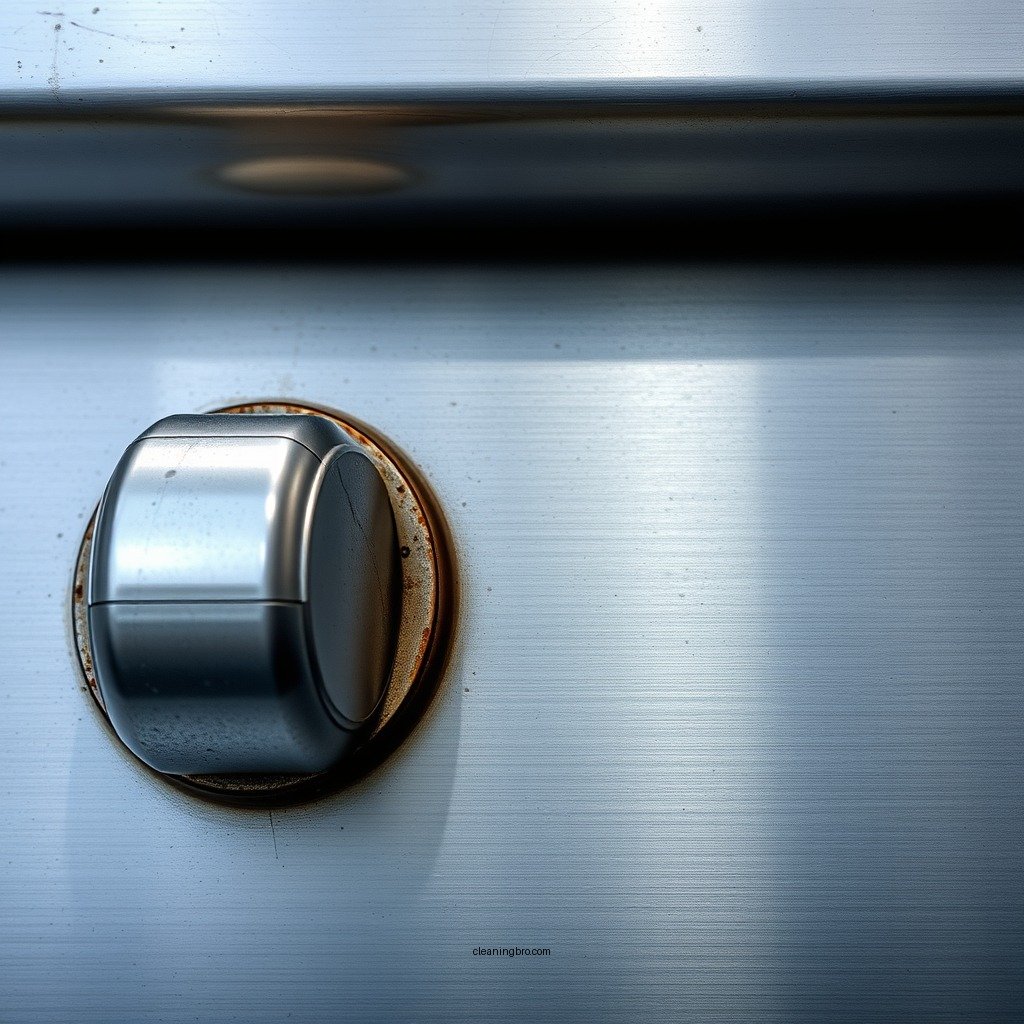
Anodised aluminium is treated to enhance its corrosion resistance and durability, making it a popular choice for various applications, including architectural components, cookware, and automotive parts. The anodising process creates a protective oxide layer that adds strength and aesthetic appeal. However, this layer can be sensitive to harsh chemicals and abrasive cleaning methods. Understanding its properties is crucial for ensuring that cleaning processes do not compromise its integrity. For example, while anodised aluminium is more resistant to weathering compared to untreated aluminium, it can still be affected by certain cleaners, leading to dullness or discoloration.
Best Cleaning Solutions for Anodised Aluminium
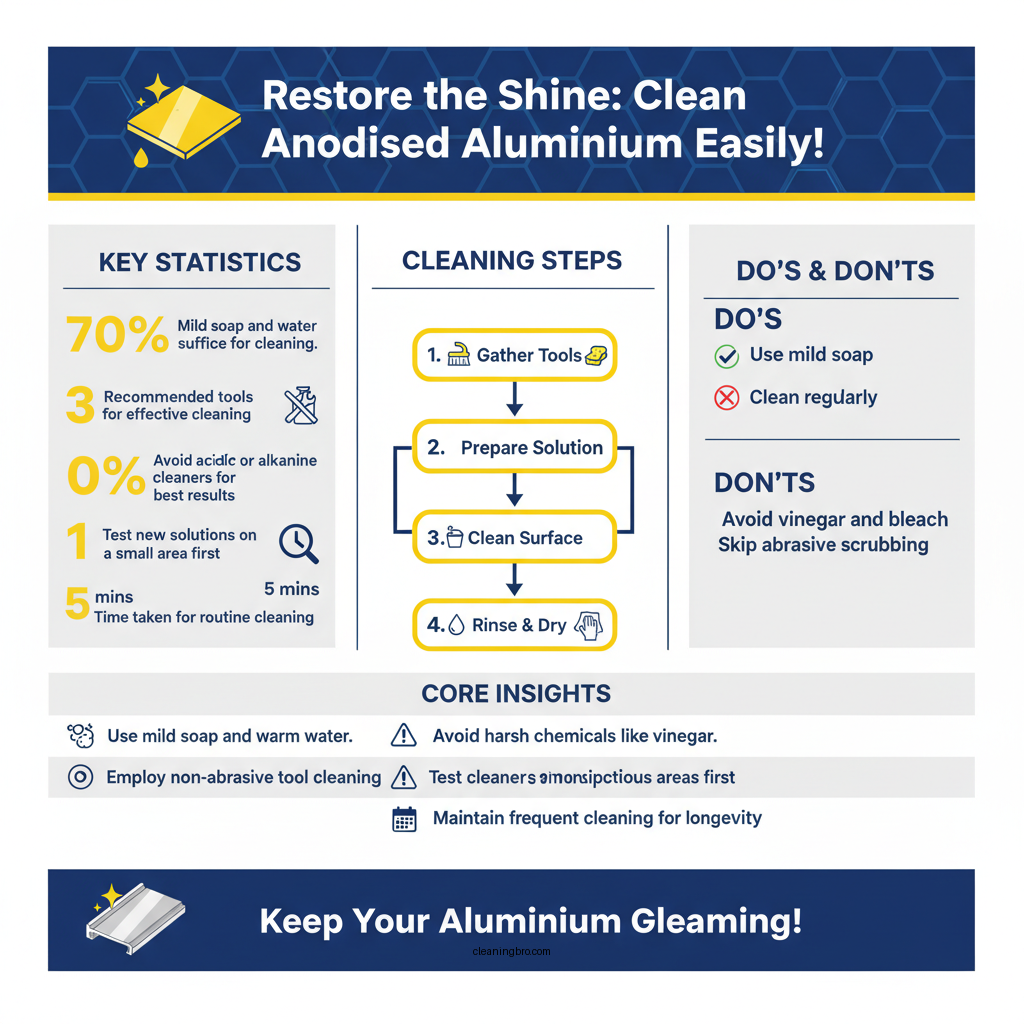
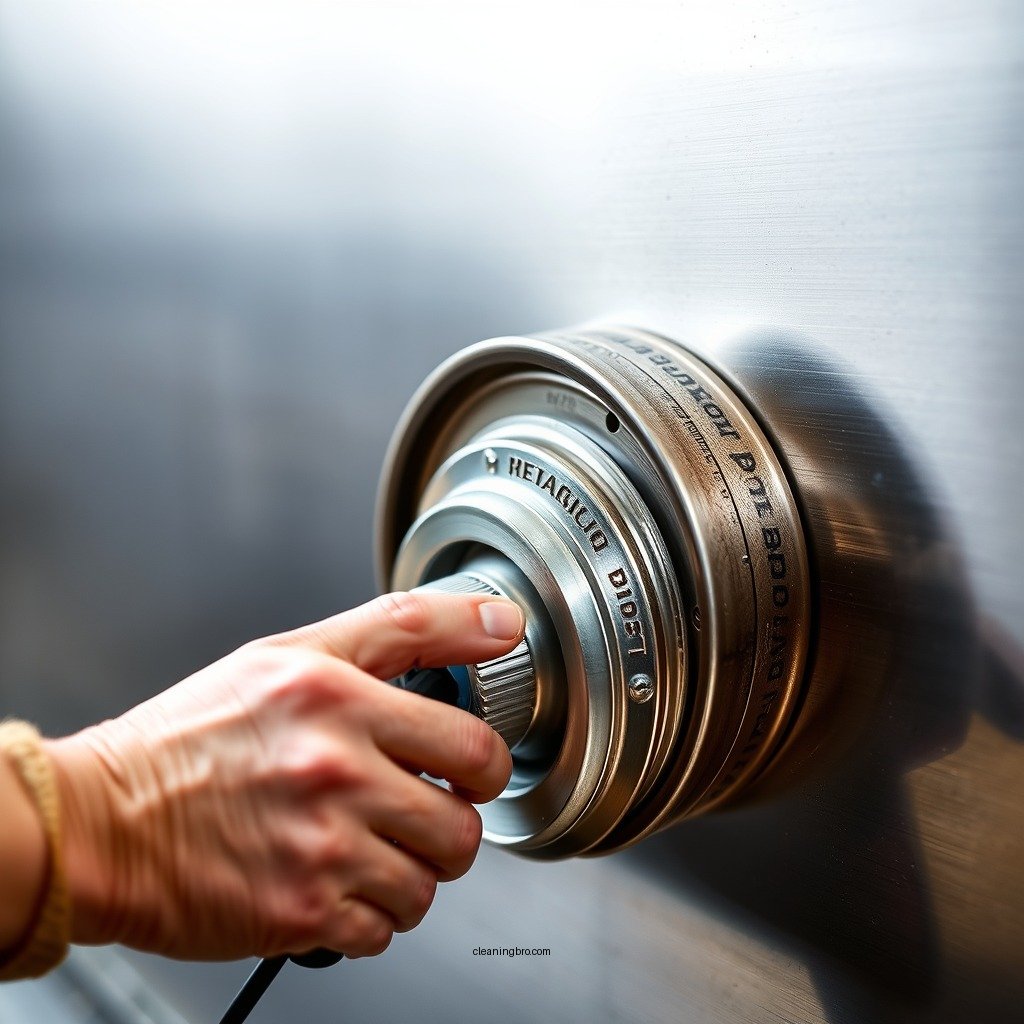
When it comes to cleaning anodised aluminium, simplicity is key. The best approach is to use mild soap and warm water for routine cleaning. A solution made from a few drops of dish soap mixed with warm water is often sufficient to tackle everyday dirt and grime. Avoid acidic or alkaline cleaners, as these can damage the anodised finish. For instance, cleaners that contain vinegar, bleach, or strong detergents can etch the surface, detracting from its appearance and protective properties. It’s also advisable to test any new cleaning solution on a small, inconspicuous area before applying it to the entire surface.
Tools You’ll Need
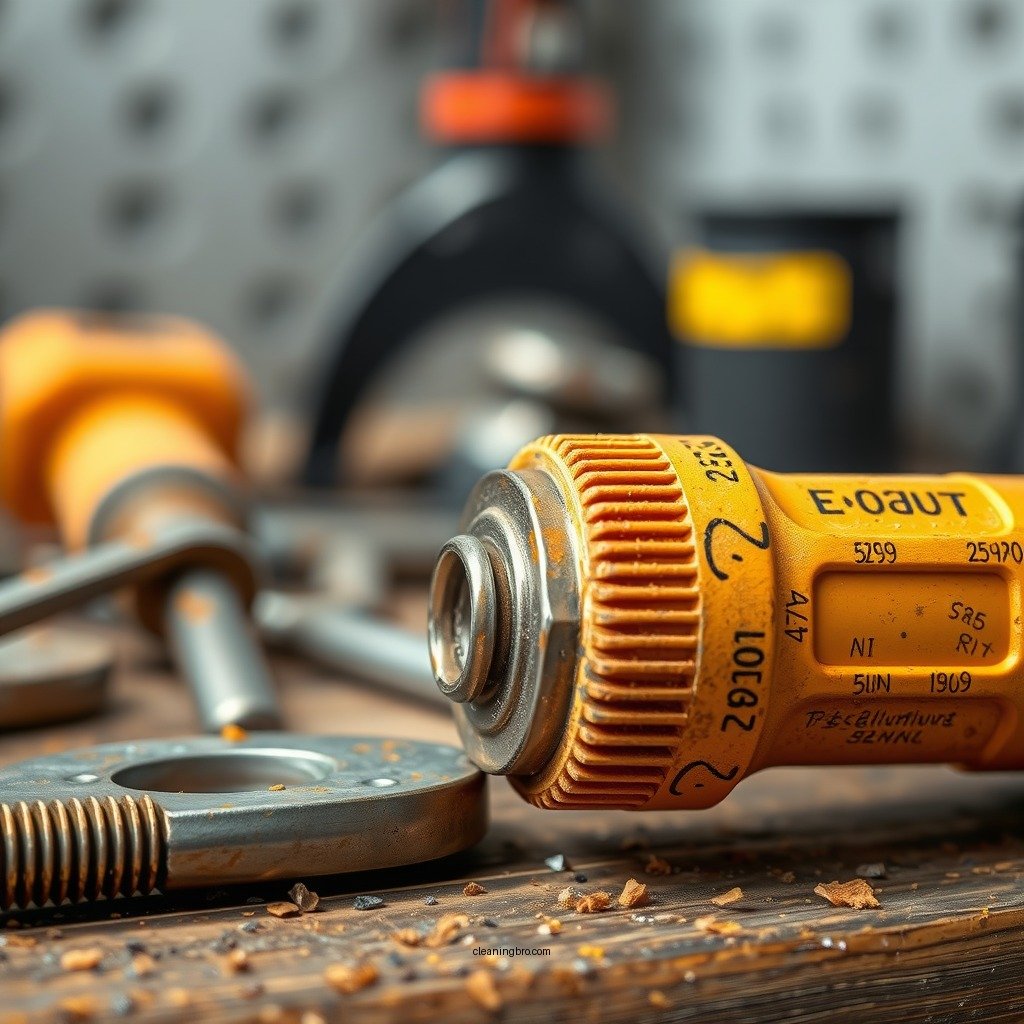
To effectively clean anodised aluminium without causing scratches or damage, gather the following tools:
– Soft cloths or sponges: These should be non-abrasive and designed to prevent scratching the surface. Microfiber cloths are excellent for this purpose.
– Non-abrasive brushes: For tough spots or crevices, a soft-bristled brush can help dislodge dirt without harming the anodised layer.
Using the right tools is essential to maintain the finish and prolong the lifespan of anodised aluminium surfaces.
Top Recommended Cleaning Solutions for Anodised Aluminium
| # | Cleaning Solution | pH Level | Effectiveness | Recommended Use |
|---|---|---|---|---|
| 1 | Mild Dish Soap | 7.0 | Effective | Routine Cleaning |
| 2 | Baking Soda Paste | 8.0 | Very Effective | Stain Removal |
| 3 | Commercial Anodised Cleaners | Neutral | Highly Effective | Heavy Duty Cleaning |
| 4 | Vinegar Solution | 2.5 | Not Recommended | Avoid on Anodised Surfaces |
| 5 | Oxygen Bleach | Neutral | Effective | Odor Removal |
| 6 | All-Purpose Cleaner | 7.5 | Moderately Effective | General Use |
| 7 | Hydrogen Peroxide | 6.0 | Effective | Stain Removal |
Step-by-Step Cleaning Process
Cleaning anodised aluminium requires a careful approach to avoid damaging its finish. Follow these steps for optimal results:
1. Rinse the Surface: Begin by rinsing the anodised aluminium surface with clean water to remove loose dirt and debris. This step is crucial as it prevents scratching during the cleaning process.
2. Prepare the Cleaning Solution: Mix mild dish soap with warm water in a bucket. Ensure that the solution is well-blended and the soap is fully dissolved.
3. Apply the Cleaning Solution: Using a soft cloth or sponge, apply the cleaning solution to the surface. It’s best to work in small sections to ensure thorough cleaning.
4. Gentle Scrubbing: Using a soft-bristled brush or a non-abrasive sponge, gently scrub the area in circular motions. Avoid applying excessive pressure, as this could damage the anodised layer.
5. Rinse Thoroughly: After scrubbing, rinse the surface thoroughly with clean water to remove any soap residue. Leaving soap on the surface can lead to streaks or dullness.
6. Dry the Surface: Use a clean, dry microfiber cloth to wipe the surface dry. This step helps prevent water spots and preserves the shine of the anodised finish.
Dealing with Stains and Oxidation
For stubborn stains or oxidation, special treatment may be necessary. Here are effective methods to tackle these issues:
– Vinegar and Baking Soda Mixture: Create a paste using equal parts vinegar and baking soda. Apply this paste to the stained areas and let it sit for 10-15 minutes before gently scrubbing and rinsing off. This method is effective for removing tough stains without damaging the surface.
– Commercial Anodised Aluminium Cleaners: For severe oxidation, consider using a commercial anodised aluminium cleaner. These products are specifically formulated to restore the finish of anodised surfaces without causing harm. Always follow the manufacturer’s instructions for best results.
– Regular Maintenance: Regular cleaning and maintenance can prevent the build-up of dirt and oxidation. Establishing a routine cleaning schedule will help keep anodised aluminium surfaces looking their best.
Tips for Maintaining Anodised Aluminium
To prolong the life and appearance of anodised aluminium, consider these maintenance tips:
– Regular Cleaning: Make a habit of cleaning surfaces regularly to prevent dirt accumulation. This is especially important in high-traffic areas or outdoor environments.
– Avoid Abrasive Materials: Never use steel wool, harsh scrubbing pads, or abrasive cleaners, as these can scratch the surface and damage the anodised layer.
– Protect from Extreme Conditions: If possible, store anodised aluminium items in a dry, cool place to avoid exposure to moisture and extreme temperatures, which can lead to corrosion.
– Inspect for Damage: Regularly inspect anodised aluminium surfaces for signs of wear or damage. Early detection allows for prompt repairs and maintenance, preventing further deterioration.
When to Seek Professional Help
While many cleaning tasks can be performed by homeowners, certain situations may require professional intervention:
– Extensive Damage: If the anodised surface is extensively damaged, such as deep scratches or peeling, it’s best to consult a professional. They can assess the damage and recommend appropriate restoration techniques.
– Specialized Cleaning Techniques: For specific items or unique finishes, professional cleaners may have access to specialized techniques and products that can effectively restore anodised aluminium without risk of damage.
– Time Constraints: If you lack the time or resources to perform a thorough cleaning, hiring a professional can ensure that the job is done properly and efficiently.
Maintaining anodised aluminium is essential for its longevity and appearance. By following these simple steps, you can keep your surfaces looking new and well-cared for. Start by gathering your cleaning supplies and give your anodised aluminium a rejuvenating clean today!
Frequently Asked Questions
What is the best way to clean anodised aluminium surfaces?
The best way to clean anodised aluminium surfaces is to use a mild soap solution mixed with warm water. Use a soft cloth or sponge to gently scrub the surface, avoiding abrasive materials that can scratch the anodised layer. Rinse thoroughly with clean water and dry with a soft towel to prevent water spots.
How can I remove tough stains from anodised aluminium?
To remove tough stains from anodised aluminium, apply a mixture of baking soda and water to create a paste. Gently rub the paste onto the stained area using a soft cloth or sponge, then rinse with warm water. For persistent stains, consider using a specialized anodised aluminium cleaner that is safe for the finish.
Why is it important to use specific cleaners for anodised aluminium?
It is important to use specific cleaners for anodised aluminium because harsh chemicals and abrasive cleaners can damage the anodised layer, leading to discoloration or corrosion. Using a gentle, pH-balanced cleaner helps maintain the integrity of the anodised finish while effectively removing dirt and grime.
Which tools are best for cleaning anodised aluminium without causing damage?
The best tools for cleaning anodised aluminium include soft microfiber cloths, non-abrasive sponges, and soft-bristle brushes. These tools help prevent scratches and preserve the finish while allowing you to effectively clean the surface without risk of damage.
How often should I clean anodised aluminium to maintain its appearance?
You should clean anodised aluminium at least once every few months to maintain its appearance and prevent buildup of dirt and grime. In areas with high pollution or salt exposure, more frequent cleaning may be necessary. Regular maintenance helps protect the anodised finish and extends the lifespan of the aluminium.
References
- Aluminium
https://en.wikipedia.org/wiki/Aluminium - https://www.sciencedirect.com/topics/materials-science/anodized-aluminium
https://www.sciencedirect.com/topics/materials-science/anodized-aluminium - Aluminum | Uses, Properties, & Compounds | Britannica
https://www.britannica.com/science/aluminum - https://www.nature.com/articles/s41598-020-68145-9
https://www.nature.com/articles/s41598-020-68145-9 - https://pubmed.ncbi.nlm.nih.gov/31384862/
https://pubmed.ncbi.nlm.nih.gov/31384862/ - Google Scholar Google Scholar
https://scholar.google.com/scholar?q=how+to+clean+anodised+aluminium - Google Scholar Google Scholar
https://scholar.google.com/scholar?q=cleaning+anodized+aluminum - Google Scholar Google Scholar
https://scholar.google.com/scholar?q=anodized+aluminium+maintenance - https://www.cdc.gov/niosh/topics/aluminum/default.html
https://www.cdc.gov/niosh/topics/aluminum/default.html - https://www.hse.gov.uk/pubns/guidance/faq-aluminium.htm
https://www.hse.gov.uk/pubns/guidance/faq-aluminium.htm