How to Clean Aquamarine Stone: Simple Steps for Care
Cleaning your aquamarine stone is essential to maintain its brilliance and clarity. The best way to clean this beautiful gemstone is by using mild soap and warm water, avoiding harsh chemicals that could damage its surface. In this article, you’ll learn effective methods to safely clean and care for your aquamarine stone, ensuring it remains stunning for years to come.
Understanding Aquamarine Properties

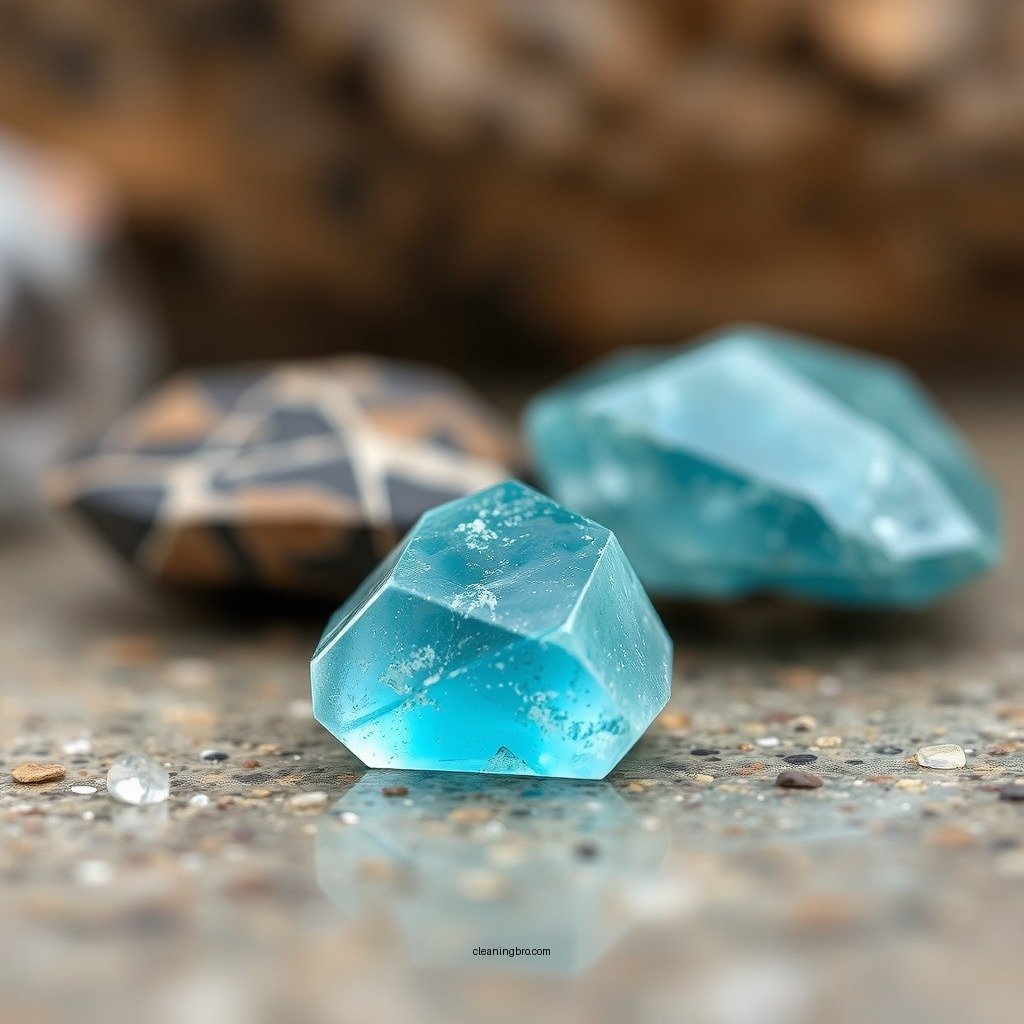
Aquamarine is a member of the beryl family, renowned for its captivating blue-green hue, reminiscent of the ocean. Its color varies from pale blue to deep blue, with the most valuable stones exhibiting a rich, intense color. This gemstone has a hardness rating of 7.5 to 8 on the Mohs scale, which makes it relatively durable compared to many other gemstones. However, despite its strength, aquamarine can still be prone to scratches and damage if not handled properly. The transparency and clarity of aquamarine are also significant factors in determining its value, making regular cleaning and maintenance crucial to preserve its natural beauty.
Recommended Cleaning Method
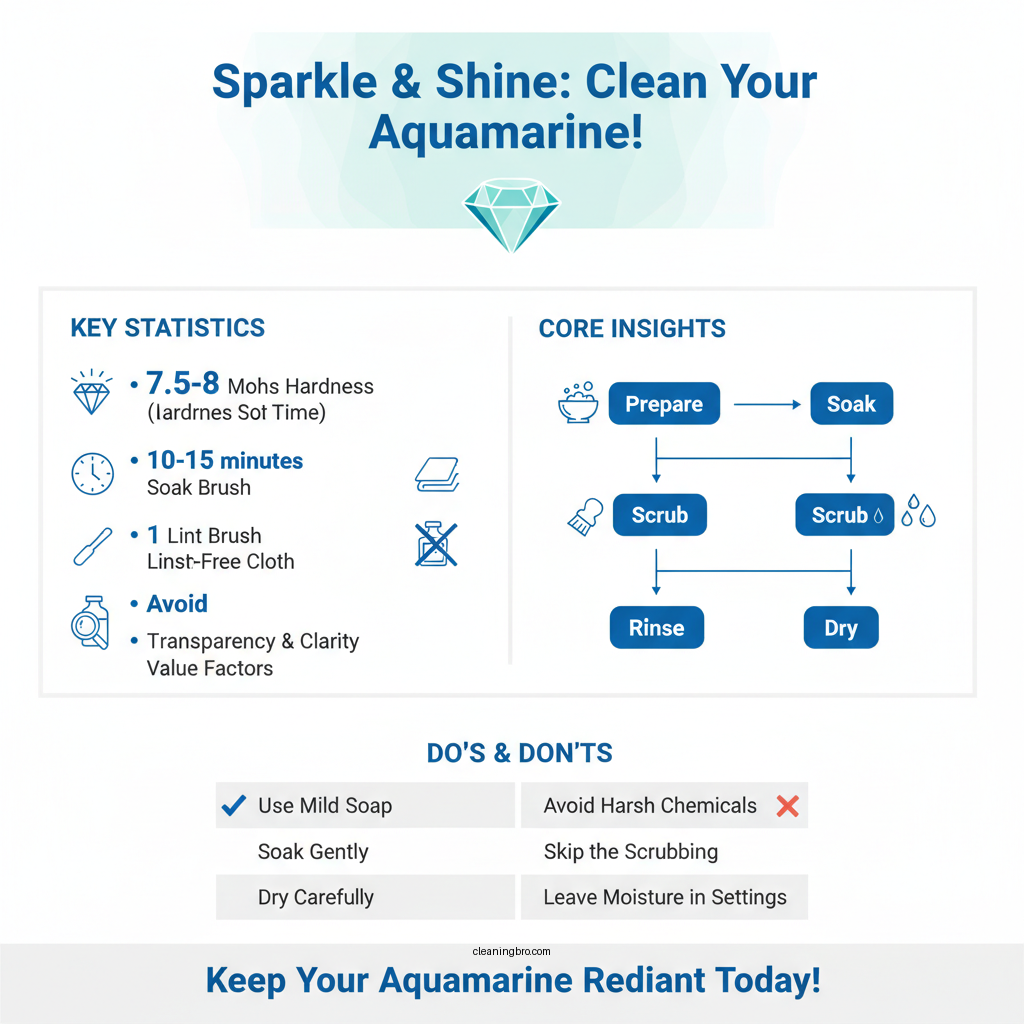
To effectively clean your aquamarine stone, follow these simple steps:
1. Prepare a Cleaning Solution: In a bowl, mix warm water with a few drops of mild dish soap. Ensure that the soap is free from harsh chemicals or abrasives that could harm the stone.
2. Soak the Stone: Place the aquamarine in the soapy water and let it soak for about 10-15 minutes. This will help loosen any dirt or debris that may have accumulated on the surface.
3. Gently Scrub: After soaking, use a soft-bristle toothbrush or a specialized jewelry brush to gently scrub the stone. Focus on areas where dirt is most likely to accumulate, such as crevices or behind settings if the aquamarine is part of a piece of jewelry.
4. Rinse and Dry: Rinse the stone under lukewarm running water to remove any soap residue. Finally, dry it with a lint-free cloth, ensuring no moisture remains, particularly in any settings.
This method is safe and effective, allowing you to maintain the stone’s luster without risking damage.
Tools You Will Need
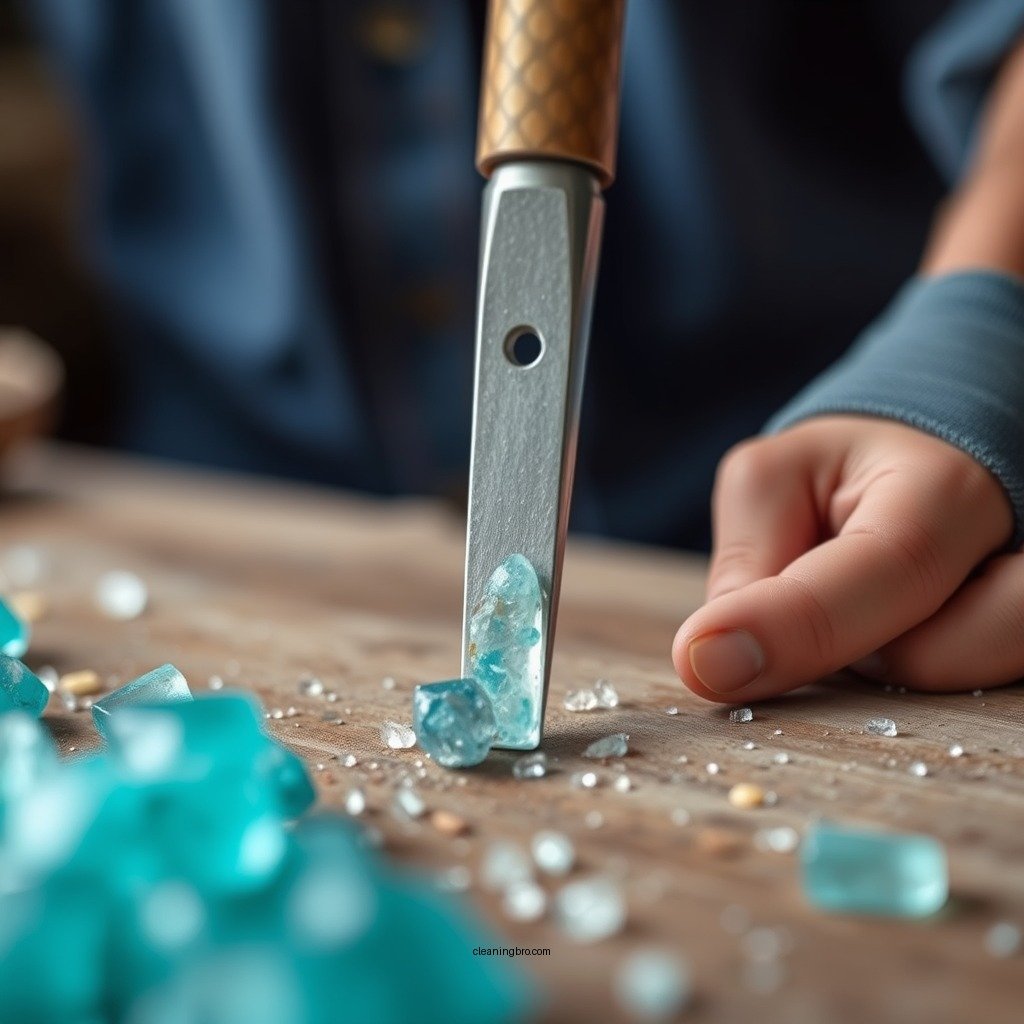
To clean your aquamarine stone properly, gather the following tools:
– Soft-Bristle Toothbrush or Jewelry Brush: Ideal for gentle scrubbing without scratching the surface of the stone.
– Lint-Free Cloth: Perfect for drying and polishing the stone after cleaning, preventing any scratches or lint residue.
These simple tools will help ensure that your aquamarine is treated with the utmost care.
What to Avoid When Cleaning
While cleaning your aquamarine, be mindful of certain practices that could potentially harm the stone:
– Harsh Chemicals: Avoid using abrasive cleaners, bleach, ammonia, or any cleaning solution that contains strong acids. These substances can dull the surface or cause irreparable damage to the stone.
– Ultrasonic Cleaners and Steam Cleaning: These methods can create vibrations that may lead to fractures or chips in the aquamarine, especially if there are pre-existing inclusions or weaknesses.
Being cautious with the cleaning methods you choose will help protect your aquamarine’s integrity and appearance.
Regular Maintenance Tips
Maintaining your aquamarine stone goes beyond occasional cleaning. Implement these regular maintenance tips to keep it looking its best:
– Proper Storage: Always store your aquamarine in a soft cloth or a dedicated jewelry box to prevent scratches from other jewelry pieces. Avoid placing it in a shared space with harder gemstones that could cause damage.
– Routine Cleaning: Clean your aquamarine regularly, particularly after wearing it. This will prevent the buildup of oils, dirt, or debris that can dull its brilliance over time.
– Avoiding Harsh Environments: While aquamarine is durable, it is advisable to remove jewelry containing this stone before engaging in activities such as swimming, exercising, or exposure to chemicals (e.g., household cleaners, perfumes).
By incorporating these practices into your routine, you can ensure that your aquamarine remains vibrant and beautiful.
Professional Cleaning Options
If your aquamarine has accumulated significant dirt buildup or if it shows signs of scratches, consider seeking professional cleaning services. Expert jewelers have access to specialized tools and techniques that can effectively restore the stone’s original shine. They can also provide polishing and restoration services tailored to aquamarine, helping to enhance its appearance without risk of damage.
Choosing professional care can be especially beneficial for valuable pieces or heirlooms that require a higher level of attention.
Top 7 Aquamarine Sources by Quality and Price (2023)
| # | Source | Quality Grade | Average Price per Carat |
|---|---|---|---|
| 1 | Brazil | AAA | $1,200 |
| 2 | Nigeria | AA | $800 |
| 3 | Pakistan | AA | $700 |
| 4 | Afghanistan | A | $600 |
| 5 | Madagascar | A | $500 |
| 6 | Pakistan | A | $550 |
| 7 | China | B | $400 |
Aquamarine Cleaning Methods: Home Care vs. Professional Care
| Feature | ⭐ Home Care | Professional Care | DIY Methods |
|---|---|---|---|
| Cost | Low | High | Variable |
| Time Required | 15-30 min | 1-2 hours | 30 min – 1 hour |
| Skill Level | Basic | Expert | Intermediate |
| Frequency | Regular | Occasional | As needed |
| Effectiveness | Good | Excellent | Fair |
| Risk of Damage | Low | Very Low | Medium |
| Specialized Tools | No | Yes | Variable |
| Convenience | High | Low | Medium |
| 🏆 Best For | Regular users | Valuable pieces | DIY enthusiasts |
Cleaning your aquamarine stone regularly ensures it stays vibrant and beautiful. By following these simple steps and tips, you can maintain its shine and protect it from damage. For more jewelry care advice or to explore stunning aquamarine pieces, visit our website or contact our team today!
Frequently Asked Questions
What is the best way to clean aquamarine stones?
The best way to clean aquamarine stones is to use a mild soap solution. Mix warm water with a few drops of gentle dish soap, then soak the stone for a few minutes. After soaking, gently scrub the stone with a soft brush or cloth, rinse it under cool running water, and dry it with a soft towel to avoid any scratches.
How often should I clean my aquamarine jewelry?
You should clean your aquamarine jewelry every few weeks, or more frequently if you wear it regularly. Regular cleaning helps maintain its clarity and brilliance by removing oils, dirt, and residues that can accumulate over time. Always ensure to handle the stone carefully to avoid damage.
Why is it important to avoid harsh chemicals when cleaning aquamarine?
It is important to avoid harsh chemicals when cleaning aquamarine because they can damage the stone’s surface and diminish its natural luster. Chemicals like bleach or ammonia can lead to discoloration and weaken the stone, making it more prone to scratches and chips. Always use gentle, non-abrasive cleaning methods to preserve the integrity of your aquamarine.
Which cleaning tools are recommended for aquamarine stones?
Recommended cleaning tools for aquamarine stones include soft microfiber cloths, a soft-bristled toothbrush, and a gentle soap solution. These tools help to clean the stone without scratching or causing damage. Avoid using abrasive materials or harsh brushes that could harm the delicate surface of aquamarine.
What should I do if my aquamarine stone has scratches or damage?
If your aquamarine stone has scratches or damage, it is best to consult a professional jeweler for repair options. They can assess the degree of damage and suggest polishing or re-setting the stone if necessary. Regular maintenance and proper cleaning can help prevent future scratches and keep your aquamarine looking beautiful.
References
- Aquamarine
https://en.wikipedia.org/wiki/Aquamarine - https://www.britannica.com/science/aquamarine
https://www.britannica.com/science/aquamarine - https://pubmed.ncbi.nlm.nih.gov/
https://pubmed.ncbi.nlm.nih.gov/ - https://www.sciencedirect.com/
https://www.sciencedirect.com/ - Google Scholar Google Scholar
https://scholar.google.com/scholar?q=how+to+clean+aquamarine+stone - Google Scholar Google Scholar
https://scholar.google.com/scholar?q=aquamarine+cleaning+methods - Google Scholar Google Scholar
https://scholar.google.com/scholar?q=aquamarine+care+and+maintenance - https://www.gia.edu/aquamarine-gemstone
https://www.gia.edu/aquamarine-gemstone - https://www.ncbi.nlm.nih.gov/pmc/articles/PMC6113287/
https://www.ncbi.nlm.nih.gov/pmc/articles/PMC6113287/ - how to clean aquamarine stone – Search results
https://en.wikipedia.org/wiki/Special:Search?search=how+to+clean+aquamarine+stone