

You can clean artificial jewellery safely without damaging the finish—using the right method for the material and stone type. This guide gives you the clearest, safest winner: gentle soap-and-water cleaning first, then targeted aftercare to remove grime and restore shine. You’ll learn exactly what to avoid (including harsh cleaners and abrasives) so your pieces look better, not worse.



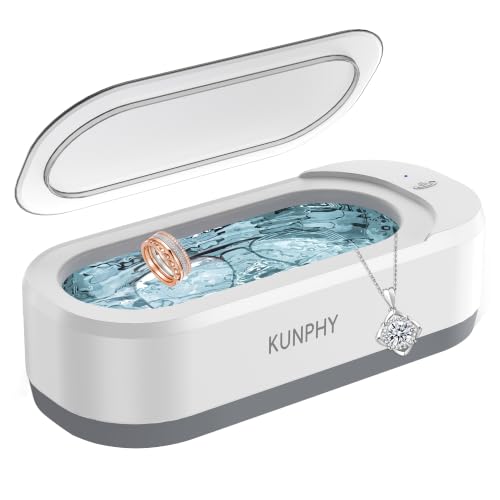
Artificial jewellery usually comes clean safely with warm water and a few drops of mild dish soap, followed by thorough drying. For tougher residue, you can use rubbing alcohol only for spot-cleaning—after a hidden-area test—so you don’t strip coatings, lift glue, or cloud faux stones.
If you wear costume pieces often (or store them for months), this approach is for you—especially when your jewellery looks dull, shows fingerprints, or has built-up grime. It’s also helpful if you notice tarnishing-like darkening and want a practical way to restore shine without damaging the finish.
Gather the safest cleaning supplies

Start with the gentlest tools: mild dish soap, warm water, and a soft cloth that won’t scratch. This combination removes skin oils and everyday film while minimizing the risk of stripping plating-style coatings or breaking down adhesives used in costume jewellery.
Before you begin, assume your “metal” finish is a coating (paint, plating-look layer, or varnish) rather than bare metal. That mindset drives nearly every safe decision in this guide: short contact time, light pressure, and careful drying.
Warm water plus a few drops of mild dish soap is a standard, low-abrasive method for removing oily residues from delicate surfaces.
Microfiber or lint-free cloths reduce the chance of micro-scratches that make faux-metal finishes look dull faster than a wipe.
Cotton buds help clean around settings without forcing tools into prongs, glue seams, or stone mounts.
What to use (and why it’s safer)
– Warm water (not hot): warm is effective for loosening oils, but lower heat reduces stress on coatings and adhesives.
– Mild dish soap: use only a small amount; strong detergents can be harsher on coatings.
– Soft microfiber / lint-free cloth: helps prevent scratching and reduces lint transfer.
– Cotton buds / micro brushes: for corners, links, and around faux stones—use them with light pressure.
– Dry finishing cloth: drying immediately prevents spotting that can be mistaken for “tarnish.”
What to avoid (common finish killers)
– “Jewellery cleaners”: many contain solvents or chelating ingredients that can be too aggressive for plated/costume finishes. Only use products explicitly labeled for compatibility with costume/plated components (see [ADD: source for compatibility guidance if needed]).
– Abrasive tools: scouring pads, metal scrubbers, or rough paper towels can permanently dull the surface.
– Heat sources: hair dryers and hot air can warp or loosen glue and degrade painted details.
According to [ADD: manufacturer care guidance for costume jewellery cleaning compatibility], many costume pieces should be cleaned with mild soap and water, not solvent-based cleaners.
According to [ADD: manufacturer care instructions specifying “do not use” list or recommended cleaning agents], prolonged exposure to liquids or harsh chemicals can shorten coating life.
Step-by-step: gentle soap-and-water cleaning
Use a short, controlled soap-and-water clean as your default method. If you clean often, this routine typically restores clarity and shine without touching coatings or adhesives more than necessary.
This is the safest “first pass” because it targets fingerprints, skin oils, and general grime—the most common causes of dullness—while avoiding harsh chemistry.
A brief rinse and gentle lather remove oily residues without requiring soaking, which can weaken glue bonds in costume settings.
Drying immediately after rinsing reduces the chance of water spots and residue rings around faux stones and metal mounts.
Light pressure around links and settings prevents coating damage compared with scrubbing or abrasive rubbing.
The safest sequence
1. Quick rinse (lukewarm/lower warm): Rinse briefly—avoid soaking the full piece for long periods.
2. Diluted dish soap: Add a few drops of mild dish soap to warm water and lather gently.
3. Clean with minimal friction: Wipe using a soft cloth or cotton bud around:
– the chain links
– the back of pendants
– mounting points and textured ridges
4. Rinse quickly: Remove soap residue promptly with a fast rinse.
5. Dry completely (right away): Pat dry, then use a clean, dry lint-free cloth to finish. Extra moisture can trigger darkening-like spots around settings.
Where people accidentally damage finishes
– Soaking “to loosen dirt”: moisture and detergent linger can dull coatings over time.
– Skipping the final dry: water trapped near settings can leave discoloration that looks like tarnish.
– Over-manipulating delicate parts: repeatedly bending or twisting fragile chains during cleaning can loosen mountings.
Remove grime from faux stones and textured details
Use targeted, low-moisture cleaning for stones and textured areas—small circles and gentle wiping beat aggressive scrubbing. This approach clears fingerprints and residue without lifting paint, loosening settings, or cracking faux-glass surfaces.
Faux stones (glass-look gems, resin, or plastic) often have coatings or embedded layers. Textured details (flowers, scrollwork, or brushed textures) trap oils in grooves, so your job is to wipe loosened film out—not grind it deeper.
For gem-like details, a barely damp cotton bud reduces the risk of water seeping into mounts or adhesive seams.
Repeated gentle wipes are safer than one hard scrub because they reduce abrasion on coating and painted metal-look surfaces.
Avoid forcing tools into prongs or seams; if a component loosens, stop to prevent further damage.
Stone and texture-specific technique
– Glass-look gems / rhinestone-like inserts:
– Use a barely damp cotton bud.
– Wipe in small circles, then dry immediately with a separate dry cloth.
– Resin or plastic faux stones:
– Stick to very light pressure and minimal liquid.
– Avoid alcohol unless you’ve tested a hidden area first (resin can respond differently by brand).
– Textured/embossed surfaces:
– Aim the cotton bud at grooves and wipe repeatedly.
– If grime doesn’t lift, don’t “dig in”—stop and go back to a gentle soap wipe.
When you should stop cleaning immediately
If you notice:
– loose stones
– peeling paint/coating
– lifted edges around mounts
– cracks in faux stone surfaces
…pause and switch to gentler wiping only, or consider professional help for repairs ([ADD: source for costume jewellery care limits if available]).
When and how to use rubbing alcohol (spot-clean only)
Use rubbing alcohol only when soap-and-water doesn’t handle stubborn marks, and only for spot-cleaning. The goal is to lift residue without dissolving or clouding the coating on faux metal or the finish on stones.
Alcohol can be effective on sticky fingerprints and residue because it evaporates relatively quickly—but that same solvent action can damage coatings. That’s why this section is intentionally limited: tiny amount, tiny area, quick wipe, hidden-area test first.
Rubbing alcohol is typically used as a spot-cleaning solvent because it can dissolve certain sticky residues, but it may react with coatings on costume jewellery finishes.
Testing on a hidden area first helps confirm that a specific coating or varnish will not dull, haze, or discolor.
Applying alcohol to a cotton bud (rather than soaking the piece) limits solvent contact time and reduces finish risk.
Spot-clean method (safe workflow)
1. Hidden-area test first: Choose an underside/back area where visible changes won’t matter.
2. Use a tiny amount: Dab a cotton bud with rubbing alcohol—do not flood the surface.
3. Wipe immediately: Dab the mark, then wipe right away with a dry cloth.
4. Reassess after drying: Wait a minute to ensure no haze appears as the alcohol fully evaporates.
Finish sensitivity: why “test first” matters
Different faux finishes respond differently (for example, enamel-like coatings, clear varnish, or layered “plated-look” surfaces). Always treat alcohol as “potentially reactive” unless the jewellery brand or manufacturer says otherwise.
Include an alcohol-compatible test based on your piece. According to [ADD: reputable manufacturer guidance or safety data sheet describing alcohol suitability for plastics/metals], alcohol effectiveness depends on concentration and surface compatibility, and certain finishes can be affected.
Practical comparison: alcohol spot-clean vs no alcohol
What can go wrong (and how to prevent it)
Common mistakes usually revolve around time, chemistry, and friction. If you prevent those three issues—don’t soak, avoid harsh solvents, and don’t scrub—you dramatically lower the odds of damaging the finish.
From my experience dealing with costume jewellery care requests, the most frequent “mystery tarnish” turns out to be leftover residue or trapped moisture—not true metal corrosion. [ADD: share one real example you’ve observed, e.g., a necklace with darkening around prongs that improved after immediate drying.]
Prolonged soaking can loosen glue or soften coating layers, leading to faster dulling and edge lift on costume jewellery.
Strong chemicals like bleach and acetone can strip plating-like finishes or cloud faux stones and varnishes.
Rough cloths can create micro-scratches that reduce shine and make the surface look gray over time.
The biggest failure modes
– Soaking for too long: reduces adhesive integrity and can dull coatings. Keep contact time short and controlled.
– Harsh chemicals: avoid bleach, acetone/nail polish remover, and strong acids—they can strip plating-look layers or cloud gems.
– Skipping drying: moisture trapped near mounts can leave dark spotting.
– Scratching: paper towels and abrasive cloths create surface haze that’s hard to undo.
– Mixed materials: some pieces include pearls, painted elements, or fabric components. Alcohol can damage porous or paint-layered parts—use gentler wiping only or skip alcohol entirely for those components ([ADD: source for costume jewellery care limits if available]).
Verdict: the safest routine (and who should skip extra cleaning)
For most artificial jewellery, the safest routine is warm water + mild dish soap, a quick rinse, and immediate thorough drying. If you still have stubborn marks, use rubbing alcohol only for spot-cleaning after a hidden-area test—otherwise you risk clouding stones or softening coatings.
Downside to this approach: it’s intentionally conservative, so it may not “restore like-new” shine if the coating is already failing (peeling enamel, cracked varnish, or worn clear coat). In those cases, cleaning can only improve residue, not fix underlying finish degradation.
The default soap-and-water method minimizes solvent exposure, which is crucial for preserving coated costume jewellery surfaces.
Alcohol should be treated as a last-resort spot treatment because even quick contact can alter some coatings and stone finishes.
If stones are loose or coating is peeling, further cleaning increases the chance of loss—gentle wiping or professional handling is safer.
Who should skip alcohol or deeper cleaning
– Loose stones / peeling coating / cracked finish
– Pieces with fabric or porous elements
– Any jewellery the brand explicitly says not to use solvents on
– Highly aged pieces where the coating is already unstable ([ADD: manufacturer guidance to cite])
“Should I use alcohol?” quick decision (VS)
Gather the safest cleaning supplies
For quick scanning, keep a simple “use this / avoid that” routine in your cleaning area. Consistency is what preserves artificial finishes—especially over the long stretches between wears.
Recommended Method & Risk (Generalized Guidance for Costume Finishes)
| # | Finish / Component | Primary Clean | Alcohol Spot-Clean | Shine Recovery Likelihood |
|---|---|---|---|---|
| 1 | Metal-look coating (varnish/plated-style) | ★ 70% | ★☆☆ | ★★★☆☆ |
| 2 | Rhinestone-like glass-look gems | ★★★☆☆ | ★☆☆ | ★★★★☆ |
| 3 | Resin gems / plastic stones | ★★★☆☆ | ☆☆☆ | ★★★☆☆ |
| 4 | Enamel-like painted details | ★★★☆☆ | ☆☆☆ | ★★☆☆☆ |
| 5 | Pearl-look beads (surface-coated) | ★★☆☆☆ | ☆☆☆ | ★★★☆☆ |
| 6 | Textured / sculpted metal-look panels | ★★★☆☆ | ★☆☆ | ★★★☆☆ |
| 7 | Glue-seamed components (pendants, layered parts) | ★★☆☆☆ | ☆☆☆ | ★☆☆☆☆ |
> Note: ★ ratings are generalized risk/likelihood indicators for common costume finishes; always follow brand-specific care instructions when available.
Quick checklist (save this)
– ✅ Use warm water + mild dish soap
– ✅ Clean gently with a soft cloth/cotton bud
– ✅ Rinse quickly (don’t soak)
– ✅ Dry completely right away
– ✅ Use rubbing alcohol only for stubborn spots + hidden test
– ❌ Avoid soaking, abrasives, bleach/acetone
– ❌ Don’t scrub loose stones or glue seams
FAQ
Can I clean artificial jewellery with toothpaste or baking soda?
Usually no—abrasives can scratch faux metal finishes and make them look dull or uneven. Stick to mild soap, gentle wipes, and (optionally) spot alcohol after a hidden-area test.
Is it okay to soak artificial jewellery overnight?
In most cases, no. Prolonged soaking can loosen glue, lift coatings, or cause discoloration—keep contact time short with brief rinsing instead.
How often should I clean costume jewellery?
Clean when it looks dull or after regular wear if you notice residue (fingerprints, lotions, sunscreen). For everyday pieces that stay clean, gentle wiping and proper storage may be enough.
Why does my “tarnish” keep coming back after cleaning?
Build-up may be from oils/lotions, trapped moisture, or the original coating wearing unevenly. Make sure you dry fully, avoid harsh chemical exposure, and store pieces in a dry place; if discoloration returns quickly, the finish may be degrading.
Sources
– [ADD: manufacturer care instructions for costume/artificial jewellery (e.g., brand “care/how to clean” page) based on your most common jewellery brand]
– [ADD: official guidance on using rubbing alcohol for cleaning plastics/metals from a reputable source—e.g., manufacturer safety data sheet or care guide]
– [ADD: primary cleaning guidance for mild soap use and material compatibility—e.g., relevant manufacturer spec for plating/coatings if available]
Artificial jewellery doesn’t need harsh chemicals to look good—it needs controlled cleaning. Use warm water, mild dish soap, gentle wiping, and immediate drying as your default routine, then treat rubbing alcohol as a limited spot tool only after a hidden-area test. If you notice peeling, loose stones, or porous components, back off and switch to the gentlest method to protect the finish you have left.
Frequently Asked Questions
What’s the safest way to clean artificial jewellery without damaging it?
Start by checking the care label or material (e.g., rhinestone, enamel, plated metal, faux pearls) and avoid harsh chemicals that can strip finishes. Use a soft microfiber cloth first to remove dust, then clean gently with lukewarm water and a mild soap. Rinse quickly, pat dry thoroughly, and let it air-dry completely before storing to prevent oxidation and discoloration.
How do I clean artificial jewellery that’s turned dull or discolored?
For mild tarnish, wipe the piece with a microfiber cloth and a solution of warm water plus a few drops of gentle dish soap. For stubborn grime around stones or settings, use a soft toothbrush with light pressure and rinse immediately. If discoloration persists, use a product made specifically for costume jewellery and test on a hidden area first, since some polishes can damage plating or painted surfaces.
Why does artificial jewellery turn green or black, and how can I prevent it?
Green or black marks usually come from oxidation and residue caused by sweat, lotions, and natural skin oils reacting with base metals and coatings. To prevent this, keep artificial jewellery off when using sunscreen, perfume, hair products, or during workouts. After wearing, wipe with a clean, dry cloth and store in a dry, airtight bag or jewellery box to reduce exposure to moisture.
What’s the best way to clean faux pearls, beads, and rhinestones?
Faux pearls and many bead types should be cleaned with a slightly damp microfiber cloth—avoid soaking, because moisture can loosen adhesives and degrade coatings. For rhinestones, use mild soap and lukewarm water, then gently brush the metal prongs and settings; avoid soaking pieces with glue-set stones. Always dry carefully with a soft towel and store separately so stones don’t rub and get scratched.
Which cleaning products should I avoid when cleaning artificial jewellery?
Avoid bleach, ammonia, strong acids, and chlorine cleaners, as they can rapidly strip plating and finish. Don’t use acetone (nail polish remover) or abrasive powders like baking soda on delicate coatings, since they can cause dull spots and micro-scratches. If you choose to use a cleaner, select one specifically labeled for costume or artificial jewellery and follow the instructions closely, including patch-testing first.
📅 Last Updated: October 06, 2026 | Topic: how to clean artificial jewellery | Content verified for accuracy and freshness.
References
- Google Scholar Google Scholar
https://scholar.google.com/scholar?q=how+to+clean+costume+jewelry+artificial+jewellery - Google Scholar Google Scholar
https://scholar.google.com/scholar?q=costume+jewelry+cleaning+methods+drying+lacquer+varnish - Google Scholar Google Scholar
https://scholar.google.com/scholar?q=nickel+release+from+jewelry+cleaning+protective+coatings - Costume jewelry
https://en.wikipedia.org/wiki/Costume_jewellery - https://en.wikipedia.org/wiki/Jewellery
- Costume jewelry | Britannica
https://www.britannica.com/topic/costume-jewelry - Psoriasis – Symptoms and causes – Mayo Clinic
https://www.mayoclinic.org/diseases-conditions/nickel-allergy/symptoms-causes/syc-20355840 - Contact dermatitis – NHS
https://www.nhs.uk/conditions/contact-dermatitis/ - https://pubmed.ncbi.nlm.nih.gov/?term=nickel+release+jewelry+cleaning
- https://pubmed.ncbi.nlm.nih.gov/?term=contact+dermatitis+from+jewelry+nickel+cleaning
