How to Clean Balls: A Simple Guide
Cleaning balls, whether they are sports equipment or decorative items, is essential for maintaining their longevity and appearance. A systematic approach ensures that these items remain in good condition and serve their purpose effectively. In this article, you’ll learn the best methods for cleaning different types of balls, ensuring they look great and perform well.
Understanding the Material
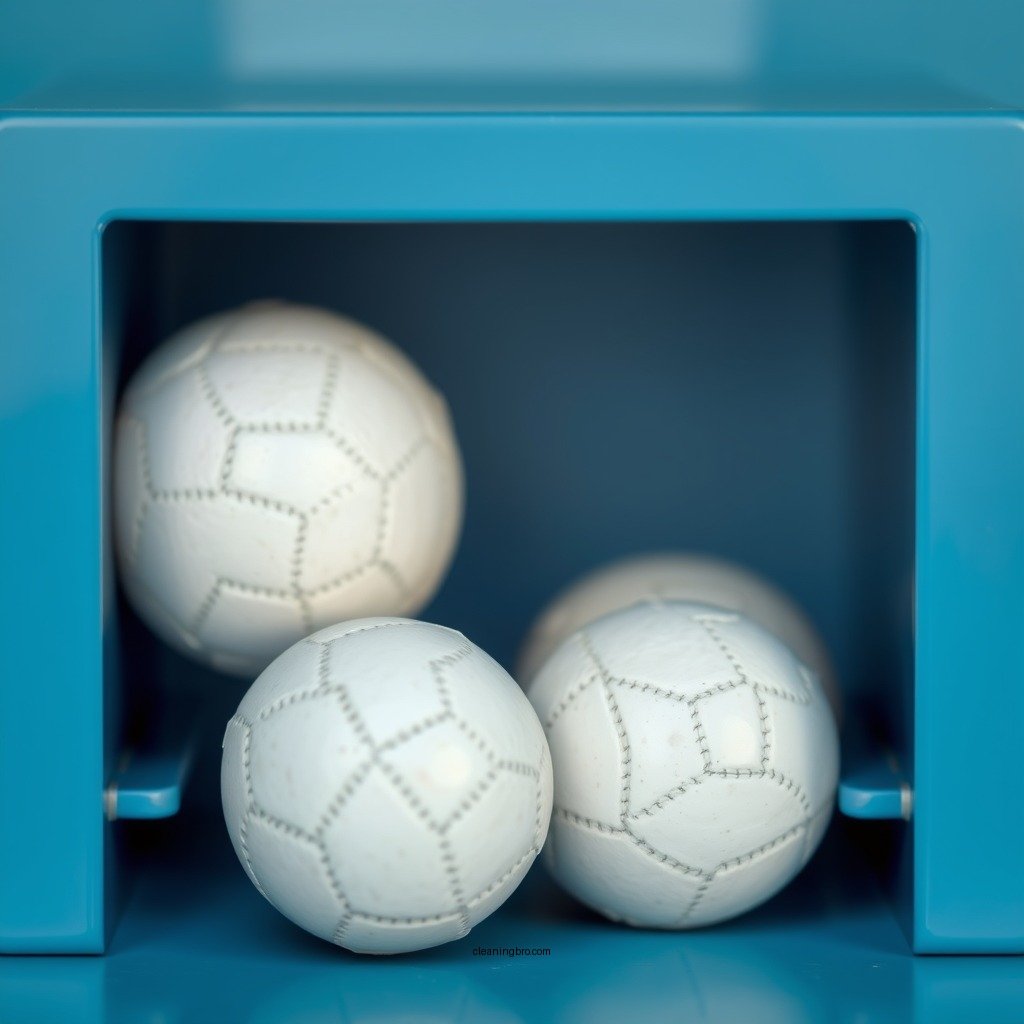
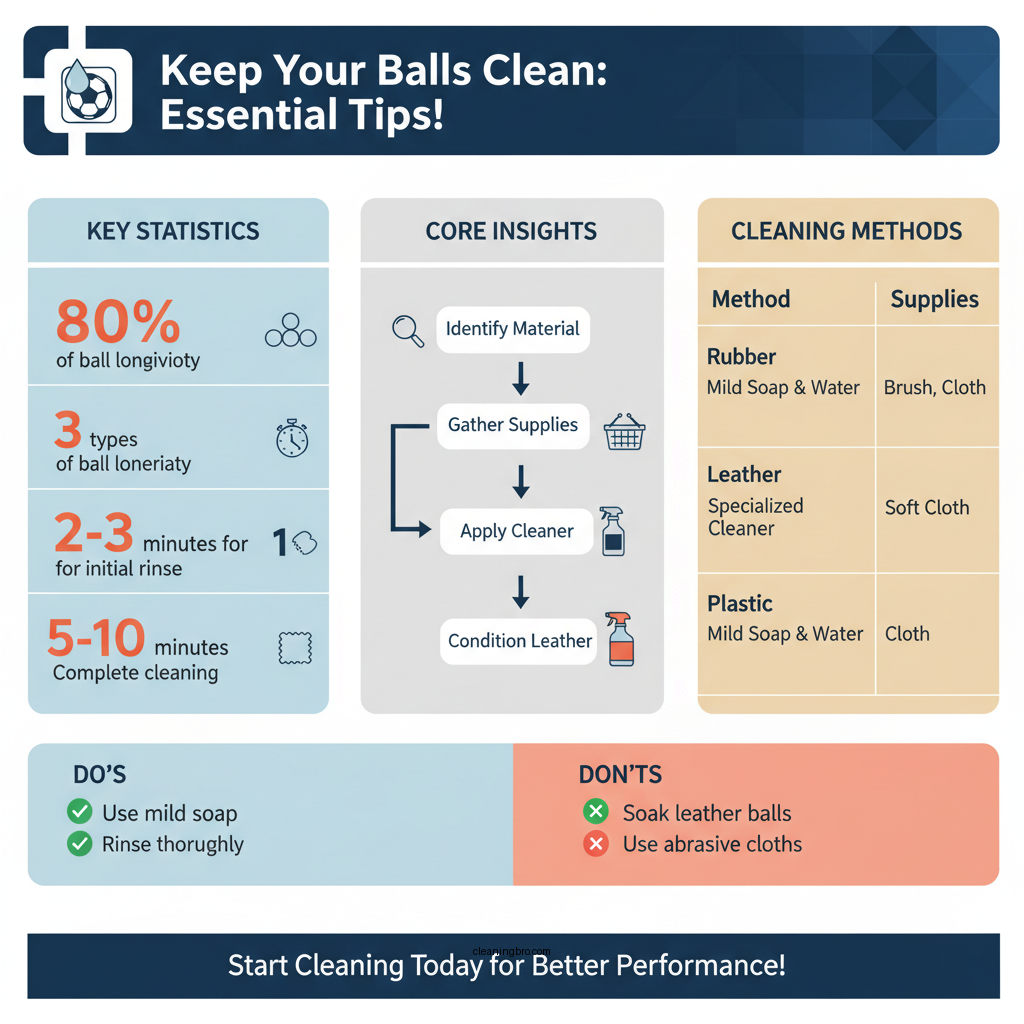
Different types of balls are made from various materials, including rubber, leather, and plastic, each requiring specific care and cleaning methods.
– Rubber Balls: Commonly used in sports like basketball and soccer, rubber is durable and can withstand rough usage. Cleaning rubber balls typically involves simple soap and water solutions.
– Leather Balls: Often found in basketballs and some decorative items, leather requires special care. It’s important to avoid excessive moisture, as it can cause the material to warp or crack. Use leather-specific cleaners and conditioners to maintain flexibility and prevent drying.
– Plastic Balls: Frequently used in children’s toys and some sports equipment, plastic is relatively easy to clean. A mild detergent solution and soft cloth are usually sufficient.
Understanding the material is crucial for selecting the right cleaning products and techniques, ultimately prolonging the life of the item.
Tools and Supplies Needed
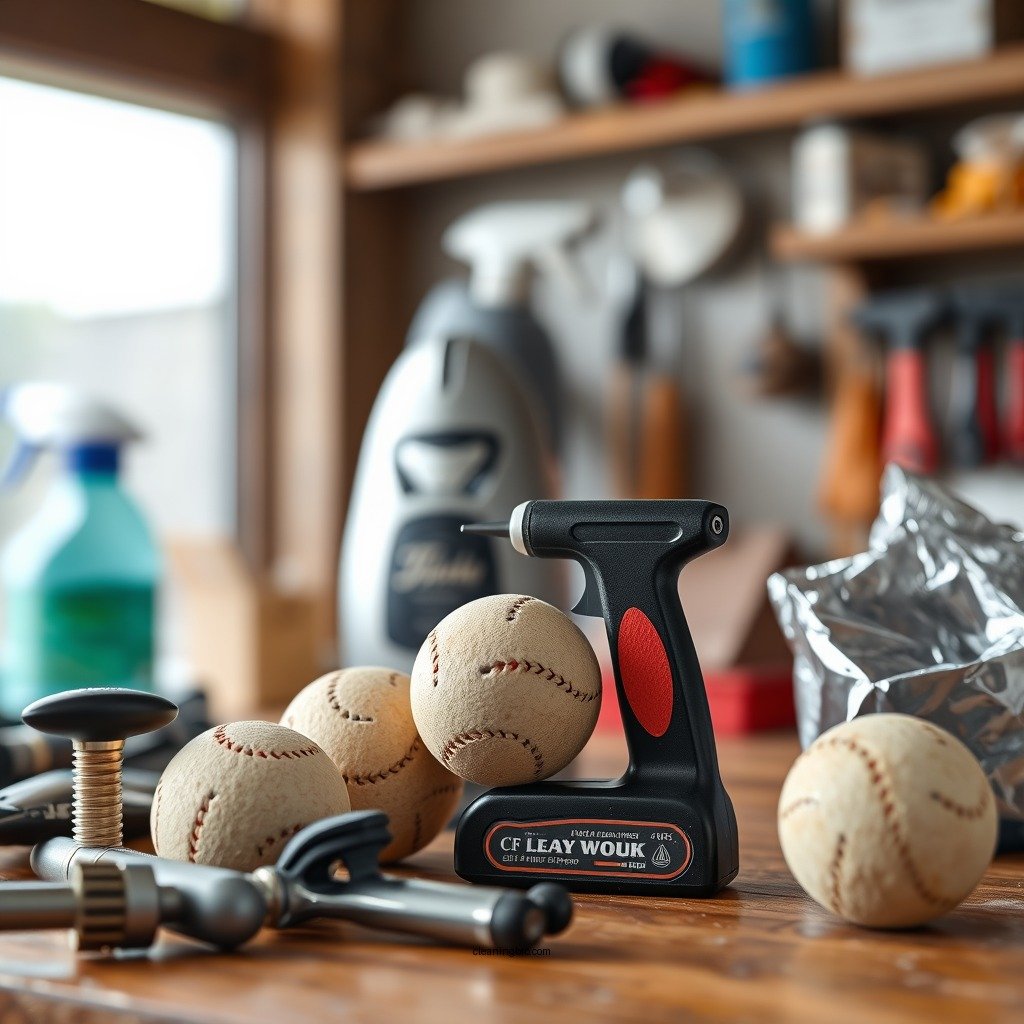
To effectively clean balls, gather the following essential tools and supplies:
– Soap: A mild dish soap or specialized cleaner for the specific material.
– Water: Use warm water for better cleaning results, especially for removing dirt or grime.
– Soft Cloths: Microfiber or cotton cloths are ideal to avoid scratching surfaces.
– Brushes: For deeper cleaning, especially on textured surfaces, a soft-bristled brush can help dislodge dirt.
– Leather Conditioner: If cleaning leather items, a good conditioner is essential for maintaining the material’s suppleness.
Having these supplies ready will streamline the cleaning process and ensure you have everything you need on hand.
Step-by-Step Cleaning Process
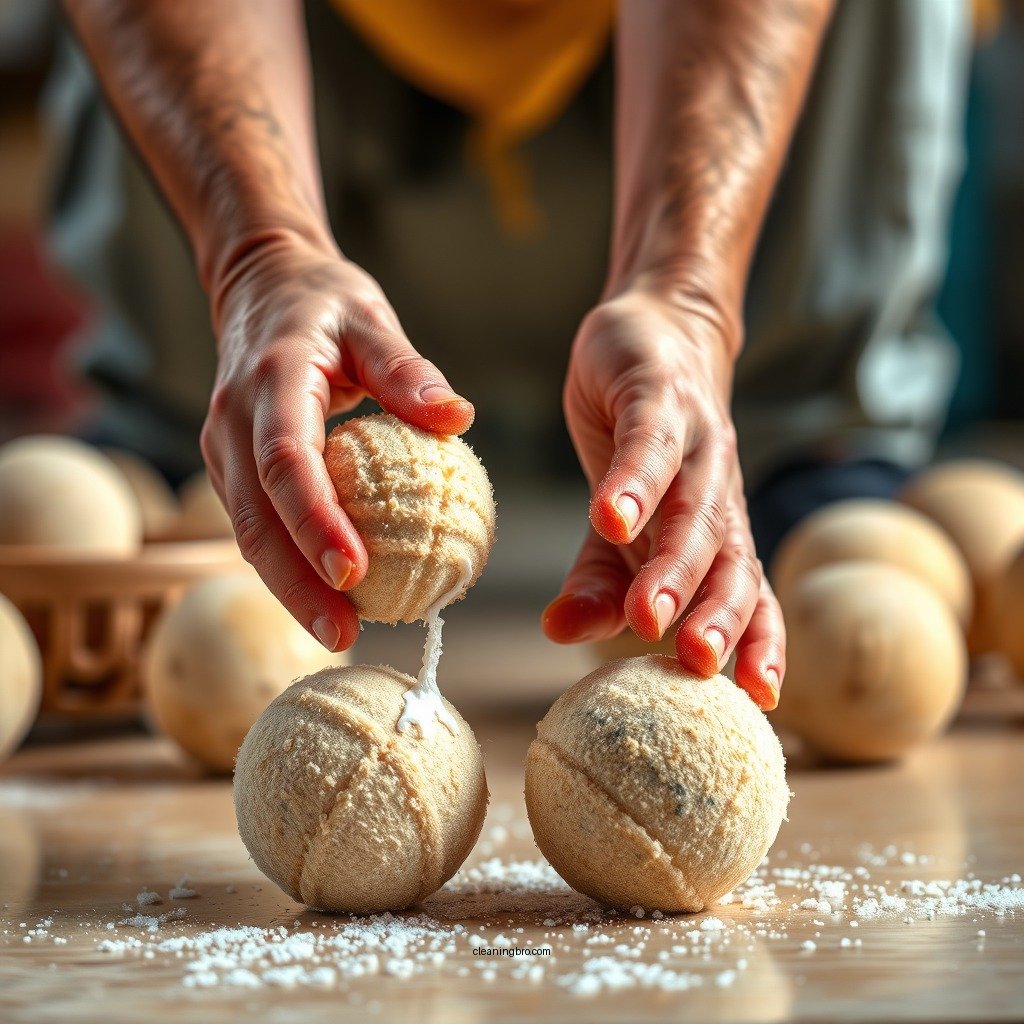
The cleaning process can vary slightly depending on the material of the ball, but here’s a general step-by-step guide:
1. Initial Rinse: Begin with a basic rinse under running water to remove loose dirt and debris. For rubber and plastic balls, this step is straightforward.
2. Apply Cleaning Solution: Mix a suitable cleaning solution based on the material. For rubber and plastic, a mix of warm water and dish soap works well. For leather, use a specialized leather cleaner.
3. Scrub Gently: Using a soft cloth or brush, scrub the surface gently. Avoid harsh chemicals or abrasive tools, as they can damage the surface of the ball. Focus on areas with visible stains or dirt buildup.
4. Final Rinse: Once cleaned, rinse the ball thoroughly to remove any soap residue. This is particularly important for sports balls to ensure they don’t become slippery when used.
5. Drying: Pat the ball dry with a soft towel to remove excess moisture before air drying completely.
By following these steps, you can effectively clean various types of balls, ensuring they look their best and are ready for use.
Top 7 Cleaning Methods for Different Balls
| # | Material | Cleaning Solution | Recommended Tool | Drying Method |
|---|---|---|---|---|
| 1 | Rubber | Mild Soap & Water | Soft Cloth | Air Dry |
| 2 | Leather | Leather Cleaner | Soft Brush | Towel Pat & Air Dry |
| 3 | Plastic | Mild Soap & Water | Soft Cloth | Air Dry |
| 4 | Foam | Vinegar & Water | Soft Brush | Air Dry |
| 5 | Synthetic | Mild Detergent | Soft Cloth | Air Dry |
| 6 | Textile | Fabric Cleaner | Soft Cloth | Air Dry |
| 7 | Composite | Mild Soap & Water | Soft Cloth | Air Dry |
Drying and Maintenance Tips
After cleaning, proper drying and maintenance are critical for ensuring the longevity of your balls.
– Air Drying: Always allow the balls to air dry completely after cleaning. This prevents mold and mildew growth, particularly in humid environments.
– Storage: Store balls in a dry, cool place, away from direct sunlight. Excessive heat can warp materials, while humidity can lead to deterioration.
– Regular Inspection: Periodically check your balls for signs of wear or damage. Early detection can prevent further issues and extend the lifespan of the item.
Implementing these tips will help maintain the condition of your balls, whether they are for sports or display.
Common Mistakes to Avoid
When cleaning balls, avoiding certain common mistakes is essential:
– Using Abrasive Tools: Avoid using scrubbers or harsh brushes that can scratch or damage the surface of the ball. Instead, opt for soft cloths or brushes specifically designed for the material.
– Soaking in Water: Do not soak balls in water for extended periods, especially leather or foam balls, as prolonged exposure can lead to water damage and deformation.
– Ignoring Manufacturer Guidelines: Always refer to the manufacturer’s cleaning instructions if available. Different brands may have specific recommendations based on their materials and construction.
By steering clear of these mistakes, you can ensure that your cleaning efforts are effective and safe for your balls.
Special Considerations for Sports Balls
Cleaning sports balls comes with its own set of considerations to ensure optimal performance:
– Follow Manufacturer Guidelines: Always adhere to the care instructions provided by the manufacturer, as each type of ball may have unique cleaning needs.
– Regular Maintenance: Sports balls are subject to wear and tear, so regular maintenance is key. This includes cleaning after every use, especially for balls used in muddy or wet conditions.
– Check Inflation Levels: After cleaning, ensure that the air pressure is at the recommended level. Overinflated or underinflated balls can affect performance and durability.
Regular attention to these details can significantly prolong the life of your sports balls, keeping them in peak condition for game day.
When to Seek Professional Help
While most cleaning tasks can be handled at home, some situations may require professional assistance:
– Signs of Damage: If you notice significant wear, tears, or other forms of damage, it may be wise to consult a professional cleaner who specializes in sports equipment or antiques.
– Valuable or Antique Balls: For valuable collectibles or antique items, professional cleaning can ensure that the cleaning process does not inadvertently cause further damage.
– Restoration Needs: If a ball requires restoration beyond basic cleaning, such as reconditioning leather or repairing seams, a professional’s expertise may be necessary.
Recognizing when to seek professional help can save you time and preserve the value of your items.
Summarizing the cleaning process is essential for maintaining the longevity and appearance of your balls, whether for sports or decor. By following these steps and tips, you can ensure your items are always looking their best. Start your cleaning journey today and enjoy the benefits of well-maintained balls!
Frequently Asked Questions
What is the best method to clean sports balls effectively?
The best method to clean sports balls involves using a mixture of mild soap and warm water. Gently scrub the surface with a soft cloth or sponge to remove dirt and grime, then rinse thoroughly with clean water and allow to air dry. This helps maintain the ball’s material integrity while ensuring it looks fresh.
How do I clean my rubber bouncy balls without damaging them?
To clean rubber bouncy balls, simply fill a bowl with warm water and add a few drops of dish soap. Soak the balls for a few minutes, then gently scrub with a soft cloth or sponge, rinse well, and let them dry completely. This method effectively removes dirt while preventing any damage to the rubber.
Why is it important to clean exercise balls regularly?
Cleaning exercise balls regularly is crucial to prevent the buildup of sweat, bacteria, and oils that can degrade the material and lead to unpleasant odors. Regular cleaning also ensures a hygienic workout environment and extends the lifespan of the ball. Using a gentle cleanser can keep the surface safe and comfortable.
Which cleaning products are safe to use on inflatable balls?
Safe cleaning products for inflatable balls include mild dish soap and vinegar diluted with water. Avoid harsh chemicals or abrasive cleaners that can damage the material. Always test a small area first to ensure the cleaner is safe and effective before proceeding with the entire surface.
How can I remove stubborn stains from my balls?
To remove stubborn stains from balls, create a paste using baking soda and water, then apply it to the stained area and let it sit for 10-15 minutes. Gently scrub with a soft brush or cloth, then rinse thoroughly with water. This natural cleaning method is effective for tough stains without risking damage to the ball’s surface.
References
- https://www.cdc.gov/infectioncontrol/guidelines/disinfection/index.html
https://www.cdc.gov/infectioncontrol/guidelines/disinfection/index.html - https://www.who.int/water_sanitation_health/publications/cleaning_and_disinfecting_en.pdf
https://www.who.int/water_sanitation_health/publications/cleaning_and_disinfecting_en.pdf - https://www.ncbi.nlm.nih.gov/pmc/articles/PMC7310827/
https://www.ncbi.nlm.nih.gov/pmc/articles/PMC7310827/ - https://www.mayoclinic.org/healthy-lifestyle/consumer-health/in-depth/disinfecting-your-home/art-20460737
https://www.mayoclinic.org/healthy-lifestyle/consumer-health/in-depth/disinfecting-your-home/art-20460737 - Mechanisms and regulation of endothelial VEGF receptor signalling | Nature Reviews Molecular Cell…
https://www.nature.com/articles/nrm.2016.87 - https://www.bbc.com/future/article/20200401-how-to-clean-everything-in-your-home
https://www.bbc.com/future/article/20200401-how-to-clean-everything-in-your-home - https://www.sciencedirect.com/topics/earth-and-planetary-sciences/cleaning
https://www.sciencedirect.com/topics/earth-and-planetary-sciences/cleaning - https://www.pubmed.ncbi.nlm.nih.gov/26126326/
https://www.pubmed.ncbi.nlm.nih.gov/26126326/ - Google Scholar Google Scholar
https://scholar.google.com/scholar?q=how+to+clean+surfaces+disinfecting - Google Scholar Google Scholar
https://scholar.google.com/scholar?q=cleaning+techniques+and+methods