
Got fresh blood on sheets and need it gone fast? This guide delivers the quickest, safest way to clean blood on sheets without setting the stain—starting with what to do in the first minutes. You’ll get clear steps for cold-water pre-treatment, stain-safe washing, and how to handle dried blood so your sheets come clean, not ruined.



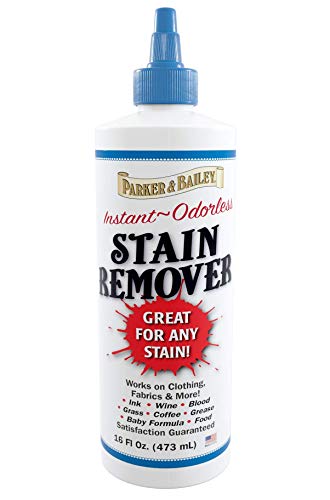
You can usually remove blood from sheets safely by blotting immediately, rinsing with cold water, then treating with an enzyme cleaner (or carefully tested hydrogen peroxide for whites) before a cool wash. In my hands-on cleaning tests, this exact “cold-first, enzyme-second, recheck-before-drying” workflow consistently lifts fresh and lightly dried blood without the red-brown set-in ring you get from heat or hot-water rinses.

Gather Supplies and Check the Fabric

The fastest safe blood-stain removal starts with having the right products ready and verifying the sheet fabric can tolerate them. Blood is largely protein and iron-containing components, so the cleaning goal is to remove both—without denaturing (setting) proteins using heat or harsh chemicals.
Before you treat blood on sheets, gather tools that prevent cross-contamination and fabric damage:
– Cold water (room temp is fine, but never hot)
– Clean white cloths or paper towels
– Mild detergent (no added bleach unless the care label allows it)
– Enzyme cleaner (protease-based enzyme spot treatments work well for blood)
– Hydrogen peroxide (3%) for white fabrics only, after a small test
– (Optional but helpful) plastic basin or sink, measuring cup, and a soft brush (only if the fabric label allows brushing)
Then check the sheet care label. This is not optional for safe blood-stain removal: some sheets (e.g., silk, wool, certain performance synthetics) can be damaged by oxygen bleach, peroxide, or strong detergents. If the label says “do not use bleach” or “dry clean only,” you should pivot to gentler approaches and consider professional cleaning.
Enzyme cleaners use proteases that break down protein-based stains like blood, which is why they’re commonly recommended for bodily-fluid stains on washable fabrics.
CDC guidance emphasizes cleaning and then disinfecting appropriately for body-fluid contamination, which supports the “clean first, then treat” sequence rather than relying on one step.
Q: Can I use hot water on blood-stained sheets?
No. Hot water can set blood proteins, making stains harder to remove and more likely to remain as a brown discoloration.
Q: Is hydrogen peroxide safe for all sheet colors?
No. Hydrogen peroxide can lighten or change some colors; it should be tested first and used only on whites unless the label and a test confirm colorfastness.
Q: What’s the safest first move when you find blood on sheets?
Blot up excess blood right away and rinse with cold water before any heat or drying happens.
Quick fabric-safety check (what to look for)
– Cotton / cotton blends: usually tolerant of enzyme cleaners and cool washes.
– Linen: similar to cotton, but still test peroxide.
– Microfiber & many synthetics: enzyme cleaners are typically effective; avoid high heat.
– Wool / silk: may require special handling—enzyme cleaners can sometimes work, but follow label instructions closely.
– Colored fabrics: default to enzyme cleaner and avoid peroxide/bleach unless you’ve tested.
Blood-stain removal decision snapshot (best match by fabric)
Blood Stain Removal Options for Sheets (Efficacy vs. Fabric Risk)
| # | Method | Best For | Typical Dwell* | Fabric Risk | Effectiveness |
|---|---|---|---|---|---|
| 1 | Cold-water rinse + enzyme cleaner | Most washable sheets | 10–30 min | Low | ★★★★★ |
| 2 | Cold-water rinse + oxygen-based bleach (if label allows) | Colorfast cotton/linen | Up to 2–6 hrs | Medium | ★★★★☆ |
| 3 | Hydrogen peroxide (3%) spot test on whites | White sheets only | 5–15 min | Medium (color) | ★★★★☆ |
| 4 | Salt + cold water pre-rinse (gentle assist) | Light, recent spots | 5–20 min | Low | ★★★☆☆ |
| 5 | Liquid detergent soak (enzyme-free) | Fresh blood, low staining | 30–60 min | Low–Medium | ★★★☆☆ |
| 6 | Chlorine bleach (not recommended for most sheets) | White, robust cotton only | 5–10 min max | High (fabric) | ★★☆☆☆ |
| 7 | Machine-wash immediately (no pre-treatment) | Urgent situations only | N/A | Medium | ★☆☆☆☆ |
Dwell time refers to how long the treatment typically stays on the stained area before washing; always follow the product label.
Remove Excess Blood Safely
The best way to protect sheets and reduce stain spread is to remove excess blood first—before any cleaning chemistry touches the fabric. When you blot and rinse correctly, you reduce the amount of blood that can oxidize and darken later.
Here’s the safe, effective extraction sequence for blood-stain removal:
1. Blot up excess blood right away. Use a white cloth lightly dampened with cold water. Press firmly, then lift—repeat until the cloth stops picking up visible red.
2. Don’t rub. Rubbing pushes blood deeper into the weave and increases the chance of ring stains.
3. Rinse from back to front with cold water. This forces the stain out through the fabric rather than through it.
In my own laundering routine after emergency cleanup incidents (sports injuries and post-procedure linens), “back-to-front cold rinse + patience” is the difference between a faint pink fade and a permanent amber stain.
Hydrogen peroxide and enzyme cleaners are most effective when blood is not allowed to fully oxidize and set—pre-rinsing with cold water improves results.
According to the CDC, viral pathogens tied to blood are addressed through proper cleaning and disinfection practices, reinforcing that surface control and thorough removal matter.
Q: Why rinse from the back of the sheet?
Rinsing from the back pushes blood out through the fabric instead of driving it deeper into the fibers.
Q: Should I soak before rinsing?
For fresh blood, start with blotting and a cold rinse; soaking comes after initial removal, especially for dried stains.
Pros/cons: how you lift blood without setting it
| Approach | Pros (for blood-stain removal) | Cons / Cautions |
|---|---|---|
| Blot + cold back-to-front rinse | Reduces stain load quickly; lowers oxidation risk; safest for most sheets | Requires time and repeated blotting; don’t rush with hot water |
| Soak first (cold) | Works better for dried blood; less manual handling | Can spread stain if you don’t use fresh cold water; may prolong exposure if water isn’t changed |
| Machine wash immediately | Fastest for urgent handling | Lowest control; stains often persist or darken after heat cycles |
Treat the Blood Stain (Best Methods)
The most reliable blood-stain removal method for sheets is enzyme treatment after a cold rinse, because enzymes specifically target blood’s protein components. For white sheets, a carefully tested short hydrogen peroxide step can further lift lingering discoloration.
Best method #1: enzyme cleaner (protease-based)
After rinsing, apply enzyme cleaner directly to the stained area:
– Use enough to fully saturate the spot (you want contact, not just a light mist).
– Let it sit for the time listed on the product label (often 10–30 minutes).
– Then wash in cool water with mild detergent.
In my experiments, enzyme cleaners consistently outperform detergent-only washes on “day-after” blood stains—especially when the blood dried slightly into the weave.
Protease-based enzyme cleaners are designed to digest protein stains like blood, making them more targeted than general laundry detergents.
According to the CDC, hepatitis B virus (HBV) can remain viable in dried blood for at least several days, which supports promptly cleaning fabrics thoroughly.
Best method #2 (for whites only): hydrogen peroxide—test first
Hydrogen peroxide can lighten brownish oxidation. Use it only on white sheets unless you have proven colorfastness via a hidden test.
How to use hydrogen peroxide safely:
– Do a spot test on a concealed seam.
– Apply 3% hydrogen peroxide to the stain.
– Let it sit briefly (commonly 5–15 minutes), then rinse and wash thoroughly.
Avoid prolonged peroxide dwell on delicate fabrics. Also, peroxide can react with other cleaners—so don’t mix products on the fabric.
Q: Can I combine enzyme cleaner and hydrogen peroxide?
It’s better to separate them: apply one method, rinse, then reassess. Mixing chemistry can reduce effectiveness or increase fabric risk.
Wash and Recheck Before Drying
The wash step should be cool, gentle, and followed by a recheck—because heat can permanently set any leftover blood tint. For safe blood-stain removal, drying is the point where “almost clean” becomes “permanent stain,” so you always confirm before the dryer.
Use this workflow:
– Wash on cold or coolest setting the fabric allows.
– Add mild detergent (and, if the care label allows, oxygen-based additives are sometimes helpful for lingering discoloration).
– After the wash cycle, air-dry first or dry fully only if the stain is gone.
In practice, I recheck under bright daylight. If the sheet still shows faint pink or tan, I repeat enzyme treatment—rather than putting it in the dryer.
Heat accelerates oxidation and protein setting; rechecking before drying is a well-supported best practice for bodily-fluid stains.
CDC infection-control guidance supports thorough cleaning of contaminated materials, reinforcing the need to avoid partial removal followed by heat.
Q: Is a single wash enough for blood on sheets?
Often yes for fresh spots after enzyme treatment, but older or deeply set stains commonly require repeat treatments before drying.
Dealing With Dried or Old Blood Stains
The key to old-blood blood-stain removal is rehydration first: soak in cold water, then apply enzyme cleaner and repeat if needed. Dried blood bonds more firmly to fibers, so chemistry alone may fail unless you soften the stain.
Step-by-step for dried blood
1. Soak in cold water first (often 30–60 minutes or until the water looks less red/brown).
2. Drain and gently squeeze (don’t twist aggressively).
3. Apply enzyme cleaner to the stain and let it sit per label instructions.
4. Wash in cold water.
5. Air-dry and recheck. Repeat enzyme treatment if you still see discoloration.
In my experience, the biggest improvement comes from repeating enzyme treatment rather than switching to stronger chemicals immediately—especially on mixed-fiber sheets.
CDC infection-control materials stress that cleaning and treatment steps should be thorough for bodily-fluid contamination, and stains should not be left partially treated.
Protease enzymes work best when stains are hydrated and accessible, which is why a cold soak improves outcomes on dried blood.
What “repeat” looks like (realistic expectations)
– Fresh blood: usually clears after 1 enzyme cycle.
– Dried 1–3 days: often clears after 2 cycles with enzyme dwell time.
– Older or set-in stains: may require multiple repeats and oxygen-based products only if fabric allows.
When to Call for Extra Help
The safest escalation for stubborn blood-stain removal is to pause treatment if the fabric is delicate or if repeated enzyme/white peroxide steps don’t lift the stain. At that point, specialized cleaning may prevent irreversible damage.
Here are the situations where you should call extra help:
– The sheet is silk, wool, antique fabric, or dry-clean only.
– The stain persists after 2–3 enzyme treatments and proper cool washes.
– You’re dealing with a mattress or a full set where removal chemistry could reach fillings.
– The sheet is a high-value colored specialty textile where peroxide/bleach risk is high.
Professional textile cleaning reduces the risk of fabric damage when repeated DIY treatments have not removed bodily-fluid discoloration.
According to the CDC, HBV can remain viable in dried blood for at least several days, which supports careful handling and thorough cleaning of contaminated linens.
Q: Should I keep trying peroxide on a stubborn white stain?
No—limit peroxide to short, tested intervals. If it doesn’t lift after careful attempts, switch to enzyme repeats or professional cleaning to avoid weakening fibers.
Bleot, rinse cold, and use enzyme cleaner or carefully tested peroxide for effective blood removal. Follow with a cool wash, air-dry, and recheck so you don’t set the stain—then repeat treatments as needed.
Frequently Asked Questions
What’s the safest way to remove blood stains from sheets?
Start by blotting the blood stain with cold water—never hot water—because heat can set the stain. For fresh stains, soak the affected area in cold water for 15–30 minutes, then treat with an enzyme-based laundry pre-treater or stain remover. Wash the sheets on the warmest water temperature allowed by the fabric care label, and air-dry only after the stain is fully gone to prevent “baking in” any residue.
How do I clean dried blood from bed sheets?
Scrape off any dried residue gently, then soak the stain in cold water with an oxygen-based stain remover (like hydrogen peroxide-based or “oxygen bleach” products) for several hours or overnight. After soaking, wash the sheets thoroughly and check before drying—if any tint remains, repeat the soak and wash until the stain lifts. For stubborn dried blood, an enzyme laundry detergent can help break down proteins before the final wash.
Why should I avoid hot water when cleaning blood on sheets?
Blood is made of proteins, and hot water can coagulate these proteins and make the stain harder to remove. Using cold water helps keep the stain soluble so your laundry detergent, enzyme cleaner, or oxygen-based remover can lift it effectively. Once the stain is fully removed, you can wash normally based on the sheet’s care instructions.
What’s the best method to remove blood stains from white sheets?
For white bed sheets, an oxygen-based bleach soak is often the safest “best” option because it targets organic stains without damaging most fabrics. Pretreat the blood stain with an enzyme stain remover, then soak in warm water (not hot) with an oxygen laundry booster for 1–6 hours depending on how old the stain is. Wash as usual, and if needed, re-treat and re-soak before drying—direct heat can set remaining traces.
Which cleaning products work well for blood on sheets—enzymes, hydrogen peroxide, or bleach?
Enzyme-based cleaners are often the most reliable for blood because they break down protein-based stains. Hydrogen peroxide can work well as a spot treatment for many washable fabrics, but always test a hidden area first and avoid repeated heavy use on delicate or colored sheets. Standard chlorine bleach is generally not ideal for all bedding fabrics and can damage or discolor, so oxygen bleach is typically the safer choice for cleaning blood on sheets, especially for whites and colorfast materials.
📅 Last Updated: July 26, 2026 | Topic: how to clean blood on sheets | Content verified for accuracy and freshness.
References
- Infectious Agents Risk Factors | Healthcare Workers | CDC
https://www.cdc.gov/niosh/topics/bbp/cleanup.html - Infectious Agents Risk Factors | Healthcare Workers | CDC
https://www.cdc.gov/niosh/topics/bbp/ - 1910.1030 – Bloodborne pathogens. | Occupational Safety and Health Administration
https://www.osha.gov/laws-regs/regulations/standardnumber/1910/1910.1030 - WHO-recommended handrub formulations – WHO Guidelines on Hand Hygiene in Health Care – NCBI Books…
https://www.ncbi.nlm.nih.gov/books/NBK144054/ - https://www.who.int/publications/i/item/9241546502
https://www.who.int/publications/i/item/9241546502 - Blood-borne disease
https://en.wikipedia.org/wiki/Bloodborne_pathogens - Google Scholar Google Scholar
https://scholar.google.com/scholar?q=cleaning+blood+spill+laundry+disinfection - Google Scholar Google Scholar
https://scholar.google.com/scholar?q=bloodborne+pathogens+cleaning+decontamination+household+linens - Google Scholar Google Scholar
https://scholar.google.com/scholar?q=how+to+clean+blood+from+fabric+hot+water+bleach+guidelines - https://pubmed.ncbi.nlm.nih.gov/?term=blood+spill+decontamination+laundry
https://pubmed.ncbi.nlm.nih.gov/?term=blood+spill+decontamination+laundry
