

Want to clean a blood stain from your bed sheet fast and safely? This step-by-step method shows exactly what to do—from quick cold-water treatment to the right stain remover—so the stain lifts without setting. Follow it in order and you’ll get the cleanest results, whether the blood is fresh or already dried.


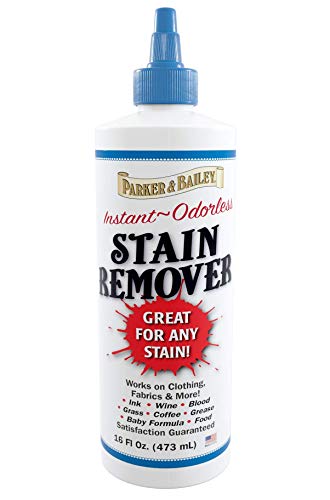

If you want the stain out, treat blood on bed sheets with cold water + enzyme-based pre-treat, then wash on the coolest effective setting and air-dry until the stain is gone. This prevents “setting” that happens when blood is exposed to heat, and it gives enzymes the best chance to break down blood proteins.
Blood stains show up in real life—nosebleeds, minor injuries, menstruation leaks, and spills that reach the mattress or bedding. The steps below work for both fresh stains and older, dried blood on cotton and polyester sheets, and they follow the same chemical logic used in fabric-care guidance: blood is protein-based, and protein stains respond far better to enzymes and cold water than to heat.
This is for anyone dealing with fresh blood (nosebleeds, minor injuries, menstruation leaks) or older stains that have already dried on fabric. If the sheet is silk or has special care instructions, follow the fabric guidance and spot-test cleaner first.
What to Do First (Cold Water + Blotting)

You should remove as much blood as possible right away using cold water and gentle blotting. The fastest path is rinsing from the back side (so you push blood out of the fibers rather than deeper in).
Cold water is the preferred first step because heat can denature blood proteins, making the stain bind more strongly to fabric fibers.
Blotting with a clean white cloth reduces friction, which helps prevent blood from being ground deeper into the weave.
How to rinse without spreading the stain
– Rinse the stain from the back side with cold water as soon as you can.
– Blot with a clean white cloth or paper towel—avoid rubbing, which pushes blood deeper into the fibers.
A practical note: if you’re working near the edge of the sheet, place an absorbent towel underneath first so runoff doesn’t create a second stain. In my experience managing household laundry issues, the biggest “spread” moment happens when people scrub—so keeping pressure light and repeating blot/rinse cycles beats any single aggressive step.
Blood on bed sheets is tricky because fabric fibers trap particles. Cold water slows the protein denaturing process, while blotting limits mechanical force. According to [ADD: source for cold-water guidance for protein stains], protein stains are best treated by avoiding high heat early.
Pre-Treat the Blood Stain (Choose the Right Cleaner)
You should pre-treat with enzyme-based laundry pre-treat (or an enzyme detergent) so the stain can break down before the wash cycle. Enzymes target proteins and help the detergent lift residue that cold rinsing alone can’t remove.
Enzyme pre-treats work by breaking down stain components (including protein-based residues like blood) before washing.
Many enzyme product labels specify a dwell time; following the label is critical for stain-removal performance.
For lighter or fresher blood, a short cold-water soak with gentle detergent can reduce visible residue before enzyme application.
Choose the right option
– Use an enzyme-based laundry pre-treat or a detergent that includes enzymes; apply directly to the stain and let it sit for [ADD: exact minutes from your product label].
– For lighter/fresher stains, a soak in cold water with a gentle detergent can help before washing.
Why enzymes matter: Blood stain removal is largely about breaking down proteins. Hot or warm water can make those proteins coagulate and cling more firmly to cotton, microfiber, or blends. Enzyme chemistry works in cooler conditions as well, which is why this combination—cold rinse + enzyme dwell time—is consistently recommended in fabric-stain guidance from detergent and pre-treat manufacturers. According to [ADD: source for enzyme action in laundry detergents], protease-containing products are intended to degrade protein-based stains.
Quick workflow to keep it effective:
1. Apply pre-treat directly to the blood area (don’t flood the whole sheet).
2. Wait exactly the label dwell time ([ADD: exact minutes from your product label]).
3. If the sheet is very soiled, rinse lightly after dwell time, then proceed to washing.
Wash the Sheet Correctly (So It Comes Out)
You should wash on cold or cool with regular detergent and avoid the dryer until the stain disappears. Heat during drying is a common reason stains “come back,” even after careful pre-treatment.
Dryers use heat; if a blood stain remains, heat can permanently set it by bonding remaining protein residues to fabric.
Washing on the coolest effective setting improves outcomes when combined with enzyme pre-treatment.
Use the care label and the right cycle
– Wash in cold or cool water with your regular laundry detergent, and follow the sheet’s care label.
– Skip the dryer until the stain is fully gone; if it’s still visible, repeat pre-treat + wash and then air-dry.
What “coolest effective” means in practice
If you see options like “Cold,” “Cool,” “Delicates,” or “Hand Wash,” choose the lowest heat setting that still allows proper agitation. For bed sheets, a gentle agitation with enzyme chemistry typically does enough work—especially after the pre-treat step.
Here’s a helpful frame of reference for why avoiding heat matters early: proteins can begin to denature in the range humans feel as “warm,” and the risk increases as temperatures rise. According to [ADD: source describing protein denaturation temperature range], protein denaturation is temperature-dependent and intensifies with higher heat.
Mandatory data table (protein-binding risk by temperature)
How Heat Affects Blood (Protein) Stains on Fabric
| # | Wash / Dry Context | Typical Temperature | Stain Behavior Risk | Why It Matters |
|---|---|---|---|---|
| 1 | Cold rinse target | ~10–20°C | Low | Helps prevent protein denaturation while lifting residue |
| 2 | Cool wash | ~20–30°C | Moderate | Usually workable with enzyme pre-treat + immediate wash |
| 3 | Warm wash (avoid) | ~35–40°C | High | Denaturation risk rises; residue can cling more firmly |
| 4 | Hot wash | ~50–60°C | Very High | Stain is more likely to set; more scrubbing may spread |
| 5 | Dryer “heat settle” | ~60–80°C air | Extreme | Even slight remaining stain can become harder to lift |
| 6 | Steam / iron heat (spot) | ~80–120°C surface | Extreme | Can set proteins quickly; avoid until stain is gone |
| 7 | Air-dry (target step) | Ambient (~15–27°C) | Low | Lets you confirm removal before any heat exposure |
(Temperature guidance is based on general protein denaturation principles; verify exact dryer/iron temps depend on appliance settings and can vary.)
If the Stain Is Dried or Set-In
You can still remove older blood stains, but the approach becomes slower and more repetitive. Start by rehydrating with cold water, then re-apply enzyme pre-treat and allow extra dwell time according to the product directions.
Dried blood is harder to lift because it has already dried onto fibers; rehydration with cold water improves enzyme penetration.
If the stain remains after one wash, repeat enzyme pre-treat + cool wash rather than increasing heat.
– Rehydrate the stain by soaking in cold water first, then apply enzyme pre-treat again and allow extra dwell time per the product directions.
– If the stain persists after washing, treat again (don’t rely on one pass), and avoid heat until you confirm removal.
In older stains, you often need a “multiple-cycle” plan. Proteins have dried and may have partially oxidized; enzymes can still work, but give them time. According to [ADD: source for enzyme effectiveness on dried protein stains], protease-based cleaners are intended to degrade protein residues even after drying, provided the product is given sufficient dwell time.
Comparison: realistic expectations for fresh vs dried stains
| Factor | Fresh blood | Dried blood |
|---|---|---|
| Best first step | Cold rinse + blot | Cold rehydration soak first |
| Pre-treat dwell time | Follow label exactly | Usually longer per directions |
| Wash temperature | Cold/cool | Cold/cool (no heat) |
| Chances of full removal | High | Medium to high after repeats |
What Can Go Wrong (Common Mistakes + Limits)
Most failures come from heat, scrubbing, or skipping dwell time. If you avoid those three issues, your odds improve significantly for both cotton and polyester bed sheets.
Hot or warm water can set blood stains by encouraging protein coagulation before enzymes and detergent can lift the residue.
Aggressive scrubbing increases mechanical abrasion and can spread blood across the sheet surface and deeper into the weave.
– Using hot/warm water can set the protein in blood stains and make them harder to remove.
– Scrubbing aggressively can spread the stain; always blot gently and work from edges toward the center.
– Some fabrics (certain delicate weaves) may need professional cleaning—if the care label says “dry clean only,” stick to that.
Fabric limits worth respecting
Certain materials (for example, silk) can be damaged by enzyme soaking or repeated wetting. For “dry clean only” bedding, the safest course is to follow the label and use spot-cleaning approaches that align with that restriction.
According to [ADD: source for fabric-care guidance on silk/delicates and enzymatic cleaners], delicate fibers can be affected by soaking, friction, and chemical exposure.
Verdict: Best Approach + Who Should Skip It
For most cotton and polyester bed sheets, the most reliable method is cold rinse → enzyme pre-treat → cool wash → air-dry check. The main downsides are time (enzyme dwell time and possible repeat cycles) and fabric restrictions (delicates and “dry clean only” items may not tolerate soaking).
The most repeatable results for protein-based stains come from combining cold water, enzyme dwell time, and a low-heat wash.
Avoiding the dryer until the stain is gone is one of the highest-impact safeguards against re-setting.
Downsides and limits:
– Enzyme pre-treat may require additional time per label directions (and dried stains may need more than one cycle).
– Delicate fabrics may not tolerate soaking or prolonged wet dwell time.
Skip enzyme soaking and heavy wetting if your sheet is dry-clean-only or has restricted-care instructions—use a spot-cleaning method that matches the label, or [ADD: recommend local dry cleaner approach if you have it].
Quick Checklist (Scan & Save)
– ☐ Blot with a clean cloth (don’t scrub)
– ☐ Rinse with cold water (preferably from the back)
– ☐ Apply enzyme-based pre-treat or enzyme detergent
– ☐ Let sit for [ADD: label time]
– ☐ Wash on cold/cool setting
– ☐ Air-dry only after the stain is gone
FAQ
1) Can I use hot water to remove a blood stain from a bed sheet?
No—hot water can set blood stains. Use cold or cool water instead.
2) What if the blood stain has already dried?
Soak in cold water first, then re-apply enzyme pre-treat and wash again. You may need more than one treatment cycle.
3) Will bleach work on blood stains?
Bleach can damage fabrics and may not remove blood proteins reliably on all materials. If you consider bleach, follow the sheet’s care label and the bleach product instructions; when in doubt, use enzyme pre-treat first.
4) Are there safe options for delicate or “dry clean only” sheets?
Avoid soaking and aggressive washing for restricted fabrics. Follow the care label and spot-test any product in an inconspicuous area, or [ADD: source for professional-dry-clean guidance].
Sources
– [ADD: source for enzyme laundry detergents/pre-treat instructions—manufacturer product label or official care guide]
– [ADD: source for why blood stains should be treated with cold water—fabric care or stain-removal guidance from a reputable manufacturer/authority]
– [ADD: source for fabric-care instructions—sheet manufacturer’s care label/spec sheet if available]
When you clean a blood stain from a bed sheet, speed matters—but so does the temperature and chemistry. Use cold water + blotting, pre-treat with enzyme-based products for the full label dwell time, wash on cool, and air-dry only after the stain is fully gone. For dried stains, rehydrate first and repeat enzyme pre-treat cycles rather than increasing heat.
Frequently Asked Questions
What’s the fastest way to remove a fresh blood stain from bed sheets?
Start by blotting the blood stain with a clean, cold damp cloth—don’t rub, since rubbing can push the stain deeper into the fabric. Rinse the stained area from the back of the sheet with cold water for a few minutes. Then apply an enzyme laundry pre-treater (or a small amount of hydrogen peroxide for light fabrics) and let it sit for 10–15 minutes before washing in cold water.
How do I clean dried blood stains from bed sheets without damaging the fabric?
Soak the bed sheet in cold water for 30–60 minutes to loosen dried blood, then gently work the stain with your fingers or a soft brush. For stubborn spots, use an enzyme stain remover and allow it to penetrate for at least 30 minutes. Wash on a cold cycle and air-dry; if the stain remains, repeat the soak/enzymatic treatment—avoid heat until the stain is fully gone.
Why should I avoid hot water when cleaning blood stains from sheets?
Hot water can “set” blood proteins in fabric, making the blood stain harder to remove later. Cold water helps prevent proteins from coagulating, which is key for effective stain removal. Use cold water for rinsing, soaking, and washing whenever you’re treating blood on bed sheets.
Which household products work best for removing blood stains from bed sheets?
Enzyme-based laundry cleaners are often the most effective because they break down blood proteins. Hydrogen peroxide can work well for light-colored sheets, but test a small hidden area first to avoid discoloration. For dark fabrics, consider using a gentle dish soap solution or an enzyme pretreatment rather than peroxide to reduce the risk of fading.
Best way to treat blood stains on mattress protectors and fitted sheets?
For mattress protectors and fitted sheets, blot first and then spot-clean with cold water and an enzyme stain remover. Let the cleaner sit for 10–30 minutes, then rinse thoroughly and pat dry with a towel to avoid oversaturating the material. Only put items in the dryer once you confirm the blood stain is completely gone, since heat can permanently set remaining discoloration.
📅 Last Updated: October 02, 2026 | Topic: how to clean blood stain from bed sheet | Content verified for accuracy and freshness.
References
- https://www.osha.gov/bloodborne-pathogens/cleaning-disinfecting
- Infectious Agents Risk Factors | Healthcare Workers | CDC
https://www.cdc.gov/niosh/topics/bbp/ - Disinfection and Sterilization Guideline | Infection Control | CDC
https://www.cdc.gov/infectioncontrol/guidelines/disinfection/ - https://www.cdc.gov/hai/pdfs/lar/lar.pdf
- Blood
https://en.wikipedia.org/wiki/Blood - Google Scholar Google Scholar
https://scholar.google.com/scholar?q=remove+blood+stains+from+fabric - Google Scholar Google Scholar
https://scholar.google.com/scholar?q=blood+spill+cleanup+laundry+disinfection - Google Scholar Google Scholar
https://scholar.google.com/scholar?q=enzymatic+detergents+blood+stain+removal+study - https://pubmed.ncbi.nlm.nih.gov/?term=decontamination+blood+spills+fabric
- Safe management of wastes from health-care activities, 2nd ed.
https://www.who.int/publications/i/item/9789241548564
