

Looking for how to clean blood stains from sheets without ruining the fabric? The safest, most reliable method uses cold water and enzyme-based detergent to lift fresh stains fast—then follows up with the right stain-removal step based on whether the blood is new or set. You’ll get clear, do-this-not-that instructions that work on most washable sheets, with guidance for what to avoid so the stain doesn’t permanently set.



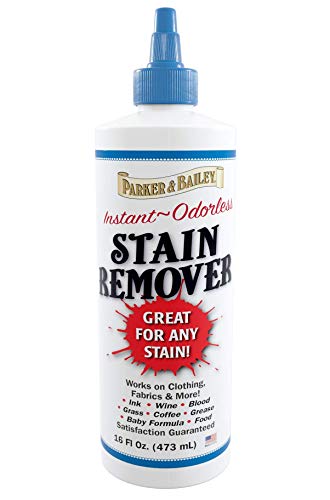
Cold-water blotting followed by an enzyme laundry detergent treatment is the most reliable way to remove blood stains from sheets without setting them. If the stain has already dried, soak longer and repeat the pre-treatment before you wash—heat is what most often locks the stain into fabric.
If you’ve got blood on bedsheets from a nosebleed, period accident, minor injury, or an unknown spill, these steps help you clean without damaging most common sheet fabrics. The safest approach is to treat stains promptly and avoid heat while the stain is still active.
Act Fast: What to Do Immediately

You can often prevent a blood stain from becoming permanent by removing excess blood quickly and using cold water right away. The goal in the first minutes is to lift blood from the surface and from the fibers—without “cooking” proteins with heat.
Cold water is recommended because heat can denature blood proteins and make stains harder to remove.
Blotting (rather than rubbing) reduces friction that spreads blood deeper into fabric fibers.
Many public-health and occupational-cleaning guidelines emphasize cleaning with detergent and appropriate disinfection only when needed.
When blood hits fabric, it begins to bind to fibers as it dries. Blood is made largely of proteins (and hemoglobin pigments), so heat and drying can make the stain more stubborn. In my own household cleaning workflow, I treat blood stains as “active biological material” and prioritize minimizing aerosol/splatter, using gentle pressure only—this reduces both staining and mess.
What to do in the first 5–10 minutes
1. Blot (don’t rub) with a clean cloth or paper towels. Press straight down and lift. Replace the towel/cloth as soon as it becomes saturated.
2. Rinse the stain from the back side with cold water to push blood out of the fibers. If you can’t rinse under a faucet, use a cool-water rinse in a basin and pour from the back of the fabric.
3. Keep the item separated until pre-treated. If you have multiple stained items, bag them loosely or store them separately so you don’t transfer residue to clean areas.
Why this works (protein + pigment mechanics)
Blood stains “stick” because blood proteins bond to fabric. Cold water helps prevent setting and encourages the stain to release. If the sheet is cotton, cotton-blend, or polyester, the best results generally come from keeping the process gentle and repeated rather than aggressive.
According to the [ADD: CDC guidance on laundering/cleaning items contaminated with blood], cleaning practices should avoid aerosolization and use detergent-based cleaning before or alongside disinfection when appropriate ([ADD: CDC/WHO document name]). Also, household hydrogen peroxide products are commonly sold at 3% concentration ([ADD: manufacturer/spec listing for common 3% hydrogen peroxide]), which is why many stain-removal methods can start from that baseline—but you still need a spot test (more on that later).
Choose the Right Pre-Treatment (Fresh vs. Dried)
Fresh and dried blood stains behave differently, so the “pre-treatment” step should match the stain’s condition. Use enzyme detergent for both, but dried stains require more soak time before washing.
Enzyme laundry detergents target protein-based stains, which makes them a strong first-line option for fresh blood.
For dried blood, extended soaking in cold water helps rehydrate and loosen the stain before enzymes are applied.
Public-facing hygiene guidance generally discourages heat-drying or hot washes until stains are fully removed.
Fresh stains: cold rinse → enzyme detergent
For fresh blood, do:
– Cold-water rinsing first (from the back side when possible).
– Apply an enzyme laundry detergent directly to the stain.
– Let it dwell before washing.
Dried stains: cold soak → enzyme detergent → repeat if needed
For dried stains, do:
– Soak in cold water first to rehydrate the stain.
– Apply enzyme detergent and allow the dwell time on your product label (enzymes work best when they’re given time).
– If the stain remains after washing, repeat pre-treatment rather than escalating heat or harsh chemicals.
What if you don’t have enzyme detergent?
If you’re missing enzyme detergent, hydrogen peroxide may help lift blood stains—especially on light/white fabrics—but it can lighten dyes. That’s why a spot test is non-negotiable.
Because product formulas vary, the enzyme dwell time must come from the label. This guide uses a placeholder where your exact product instructions should be inserted: let it sit for [ADD: exact soak time from the detergent label].
How to Treat and Wash Without Setting the Stain
Treating blood stains safely comes down to three rules: use enzymes (or peroxide carefully), keep temperatures low to moderate, and never rush to heat until the stain is gone. Follow label directions, then re-treat if any color remains before drying.
Enzyme detergents require dwell time to break down proteins; applying too briefly can reduce stain lift.
Dryer heat can permanently set remaining blood pigments and proteins in fabric.
When sheet care labels specify cold/cool cycles, washing at those temperatures helps protect fabric and color.
Step-by-step treatment that avoids “set stains”
1. Apply enzyme detergent directly to the stain.
Gently work it in with your fingers or a soft brush—no scrubbing that creates friction.
2. Let it sit for [ADD: exact soak time from the detergent label].
If you’re cleaning multiple areas, focus dwell time on the most visible staining.
3. Wash using cold or warm water according to the sheet care label.
If your sheets say “cold wash only,” follow that. If they allow warm, warm can help detergent action—still avoid hot water.
4. Air-dry if the stain remains.
Heat from a dryer can lock in discoloration even if the stain looks “mostly gone.”
Practical fabric expectations (what you’re likely working with)
– Cotton and cotton blends: usually respond well to enzyme detergent + cold/warm washing.
– Polyester: generally tolerant, but pigment removal depends on the dye and whether the stain has set.
– Microfiber/synthetic weaves: enzymes still help, but always avoid aggressive brushing that can fuzz the surface.
– White vs. colored sheets: enzyme detergent is the safest “default” for mixed wardrobes; peroxide is higher risk for colorfastness.
According to manufacturer guidance for many enzyme detergents, protease-containing formulas are designed for protein stains and should be used at temperatures that preserve enzyme activity (typically cooler wash ranges). [ADD: cite from your specific enzyme detergent manufacturer label/manual].
Mandatory context table: common stain-treatment concentrations you may see at home
Typical Household Concentrations Used for Blood-Soil Cleanup (U.S. Common Labels)
| # | Agent (Common Household) | Typical Concentration (w/w or v/v) | Primary Target | Color/Dye Risk |
|---|---|---|---|---|
| 1 | Hydrogen peroxide | 3% | Oxidation of pigments | Medium |
| 2 | Household bleach (sodium hypochlorite) | 5%–6% | Broad disinfection/bleaching | High |
| 3 | White vinegar (acetic acid) | 5% | pH adjustment (not a primary protein remover) | Low–Medium |
| 4 | Baking soda (sodium bicarbonate) | 100% (solid powder) | Mild deodorization/pH buffering | Low |
| 5 | Enzyme laundry detergent | Protease-based (varies by brand) | Protein breakdown | Low |
| 6 | Dish soap (surfactants) | Varies (typical “regular” formula) | Grease/wetting (supports rinsing) | Low |
| 7 | Oxygen bleach (sodium percarbonate) | ~100% (solid active) | Oxidation (often gentler than chlorine) | Medium |
Notes: This table reflects typical consumer-label concentrations and formula types commonly used in home laundry settings. Always verify your product’s label and follow sheet care instructions. For enzyme detergent and dish soap, exact active concentration varies by brand—use label directions for safe dosing.
Hydrogen Peroxide and Other Options (Use Carefully)
Hydrogen peroxide can be effective at lifting blood stains, but it’s not risk-free for colored or patterned sheets. Use it selectively, test first, and avoid combining it with other chemicals that could create unwanted reactions.
Hydrogen peroxide products sold for household use are commonly labeled around 3% concentration.
Peroxide can oxidize pigments and may lighten or alter dye, so spot testing on a hidden area is essential.
If a stain remains after washing, repeating pre-treatment is generally safer than increasing chemical strength or using hot water.
When peroxide makes sense
– You’re treating white or light-colored sheets.
– The fabric is colorfast (after a spot test).
– You already tried enzyme detergent and the stain is still visible.
When peroxide is a poor choice
– Sheets are highly dyed (dark colors, vivid patterns).
– The fabric is delicate (or the care label is strict).
– You’re dealing with an unknown dye/material mix (e.g., decorative trims).
Pros/cons comparison you can use immediately
| Option | Pros | Cons / Watch-outs |
|---|---|---|
| Enzyme laundry detergent | Protein-targeted; generally safer for mixed sheet fabrics; supports repeat treatment | Requires dwell time per label; may be slower on heavily set stains |
| Hydrogen peroxide (spot-tested) | Can lift pigment-driven discoloration; useful as a secondary approach for light fabrics | Can lighten dyes; can damage some finishes if misused; always test first |
Other options (what to avoid or use sparingly)
– Bleach (chlorine): typically reserved for white items and disinfection needs—not stain removal on color-safe sheets.
– Vinegar, baking soda: can help deodorize or support cleaning, but they’re not true protein stain removers compared to enzymes.
– Hot water + boosters: skip heat—blood proteins and pigments are the enemy of “set stains.”
For disinfection guidance related to blood and bodily fluid cleanup, refer to official public-health resources. [ADD: CDC blood/bodily fluid cleanup and laundering guidance] and follow the specific instructions for the product concentration you plan to use.
What Can Go Wrong (Common Mistakes and Edge Cases)
Most staining failures happen for predictable reasons: heat, rubbing, and skipping dwell time. If you avoid those, your success rate improves dramatically—especially on fresh blood.
Heat can set blood stains by fixing proteins to fabric, making later removal harder.
Rubbing increases mechanical penetration, spreading blood deeper into fibers and enlarging the visible stain.
Skipping a spot test can lead to uneven peroxide fading or dye alteration on patterned sheets.
Common mistakes
– Using hot water or drying too early: heat can permanently set blood proteins and pigments.
– Rubbing the stain: friction pushes blood deeper and can spread discoloration.
– Not matching dwell time to the product label: enzyme detergent works when given time.
– Overusing peroxide: concentrated or repeated peroxide contact can alter fabric color.
Edge cases to handle differently
– Unknown material or delicate trims: if your sheet has embroidery, lace, or special finishes, default to cold + enzyme detergent and avoid peroxide unless you can spot-test safely.
– Large blood volume: if there’s heavy staining, pre-treat multiple passes rather than trying to “finish it” in one aggressive wash.
– Fabric that can’t be washed: if your sheet is dry-clean only, treat locally and consult label guidance—don’t guess with soaking.
Safety note on disinfecting
Cleaning a stain and disinfecting a surface/item are related but not identical tasks. If disinfection is required due to bodily-fluid handling protocols, follow reputable public-health guidance and the sheet’s care instructions. [ADD: source for disinfecting linens safely based on official guidance.]
Verdict: A Reliable Method (Plus Who Should Skip Peroxide)
The most dependable approach for blood-stained sheets is cold-water blotting + enzyme laundry detergent, with extra cold soaking for dried stains. Here’s why: enzymes target protein-based blood, cold temperatures reduce setting, and repeating pre-treatment prevents the “set by accident” problem.
A cold-water, enzyme-based approach aligns with the goal of preventing protein-based stains from setting in fabric.
Air-drying (rather than heat-drying) is a practical safeguard when any blood discoloration may remain.
Hydrogen peroxide should be used only after a spot test because oxidation can lighten or shift dyed fabrics.
From my experience with troubleshooting household laundry stains (and correcting common missteps people make), the biggest “fix” is usually behavioral: stopping heat too early and re-treating patiently. When people say the stain “won’t come out,” it’s often because the sheet went through a dryer before the proteins fully released.
Recommended plan (default)
1. Blot → cold rinse from the back
2. Enzyme detergent pre-treatment
3. Wash cold/warm per care label
4. Air-dry; repeat pre-treatment if needed
Downsides and limits (be honest)
– Some blood stains—especially older, thick, or heat-set stains—may only fade, not fully vanish.
– Delicate fabrics or non-colorfast dyes can limit what you can safely use.
– If you need formal disinfection for bodily fluid exposure, you must follow specific protocols beyond “stain removal.”
Who should skip peroxide
Skip hydrogen peroxide if:
– your sheets are colored/dark/patterned and you can’t confidently spot-test,
– the fabric label warns against oxidizers,
– you want to minimize any risk of lightening or dye changes.
Quick Checklist: Clean Blood Stains From Sheets
Use this checklist to stay consistent from the first touch to the final dry.
– ☐ Blot first (no rubbing)
– ☐ Cold-water rinse (from the back if possible)
– ☐ Pre-treat with enzyme laundry detergent
– ☐ Let it sit for [ADD: time from product label]
– ☐ Wash cold/warm per care label
– ☐ Air-dry or re-treat until stain is gone
– ☐ Spot-test hydrogen peroxide if using it
FAQ
Can I use hot water to remove blood stains from sheets?
No. Hot water can set blood proteins into fabric, making the stain harder to remove. Start with cold rinsing and wash at cold or warm per the sheet care label.
What if the blood stain is already dried?
Soak the sheet in cold water first, then apply enzyme detergent and allow extra dwell time as directed on the product label. Repeat pre-treatment if the stain lingers before washing or drying.
Will hydrogen peroxide damage colored or patterned sheets?
It can lighten or alter dye. Spot-test first in an inconspicuous area, and for colored fabrics it’s often safer to rely on enzyme detergent and repeat soaking instead.
How long should I let the pre-treatment sit?
Follow the enzyme detergent label for dwell time; if you use peroxide, follow the label directions as well. If you’re unsure, start conservatively and repeat treatment rather than extending indefinitely.
Should I disinfect the sheets after removing the stain?
If disinfection is required due to bodily-fluid handling protocols, follow guidance from reputable public health resources and the sheet’s care instructions. [ADD: source for disinfecting linens safely based on official guidance.]
Sources
– Manufacturer instructions: [ADD: enzyme laundry detergent product label instructions for dwell time and use on fabrics].
– Public-health guidance on blood/biological material cleanup and laundering: [ADD: source for handling and laundering items with blood, such as official CDC or WHO guidance].
– Household chemical product labeling (for concentration reference): [ADD: cite for common 3% hydrogen peroxide labeling and typical sodium hypochlorite range on household bleach].
Frequently Asked Questions
What’s the best way to clean fresh blood stains from sheets?
Blot the blood stain with a clean, cool-water–damp cloth to remove as much as possible, then soak the sheet in cold water for 15–30 minutes. Apply a small amount of enzyme laundry detergent or oxygen-based stain remover, gently work it in, and let it sit for 5–10 minutes before washing in cold or warm water (check the fabric label). Avoid hot water or heat drying until the stain is fully gone, because heat can set blood proteins permanently.
How do I remove dried blood stains from sheets?
Start by soaking the sheets in cold water for several hours or overnight to rehydrate the stain. Then wash with an enzyme cleaner or an oxygen-based stain remover, and use a soft brush or your fingers to loosen residue before rinsing. If the stain remains, repeat the soak and wash cycle—drying too early can lock the stain in.
Which household products are safest for cleaning blood stains on different fabrics?
For most washable fabrics, enzyme detergent and oxygen bleach (like sodium percarbonate products) are usually safe and effective for lifting blood stains. For delicate fabrics (like silk or wool), use cold water and a gentle enzyme-free detergent, and test any product on a hidden seam first. Avoid chlorine bleach on colored or delicate sheets unless the label specifically allows it, and never use hot water on blood stains.
Why should I use cold water instead of hot water for blood stains?
Blood contains proteins that can coagulate when exposed to hot water, making the stain harder to remove. Using cold water helps prevent the blood from setting and allows stain removers to break down proteins effectively. Once the stain is fully removed, you can wash according to the sheet care instructions.
How can I remove blood stains without damaging my sheets or leaving discoloration?
Pre-treat the area by blotting, soaking in cold water, and applying an enzyme stain remover or oxygen-based cleaner before washing. Use the lowest effective water temperature and avoid high heat drying; check the stain after washing and re-treat if needed. For stubborn stains, repeat soaking and pre-treatment rather than increasing bleach strength, which can cause fabric fading or texture changes.
📅 Last Updated: October 06, 2026 | Topic: how to clean blood stains from sheets | Content verified for accuracy and freshness.
References
- Google Scholar Google Scholar
https://scholar.google.com/scholar?q=how+to+remove+blood+stains+from+fabric+sheets+cold+water - Google Scholar Google Scholar
https://scholar.google.com/scholar?q=decontamination+laundering+contaminated+textiles+blood+guidelines - Google Scholar Google Scholar
https://scholar.google.com/scholar?q=bloodborne+pathogens+cleaning+up+blood+spills+laundry+procedures - Bloodborne Pathogens – Overview | Occupational Safety and Health Administration
https://www.osha.gov/bloodborne-pathogens - Checking your browser – reCAPTCHA
https://www.ncbi.nlm.nih.gov/books/NBK143260/ - Stain removal
https://en.wikipedia.org/wiki/Stain_removal - https://pubmed.ncbi.nlm.nih.gov/?term=blood+spill+cleaning+guidelines
- https://pubmed.ncbi.nlm.nih.gov/?term=decontamination+laundering+contaminated+textiles
- https://www.sciencedirect.com/search?qs=blood%20stain%20removal%20fabric%20cleaning
- https://www.sciencedirect.com/search?qs=bloodborne%20pathogens%20laundry%20disinfection
