
Cleaning boat seats is crucial for preserving their aesthetic appeal and durability. To effectively clean them, begin by identifying the type of material your seats are made from, as this will dictate the cleaning methods and products you should use. In this article, you will discover the best techniques and tips for maintaining your boat seats in pristine condition, ensuring they remain inviting for years to come.
Understanding Different Seat Materials
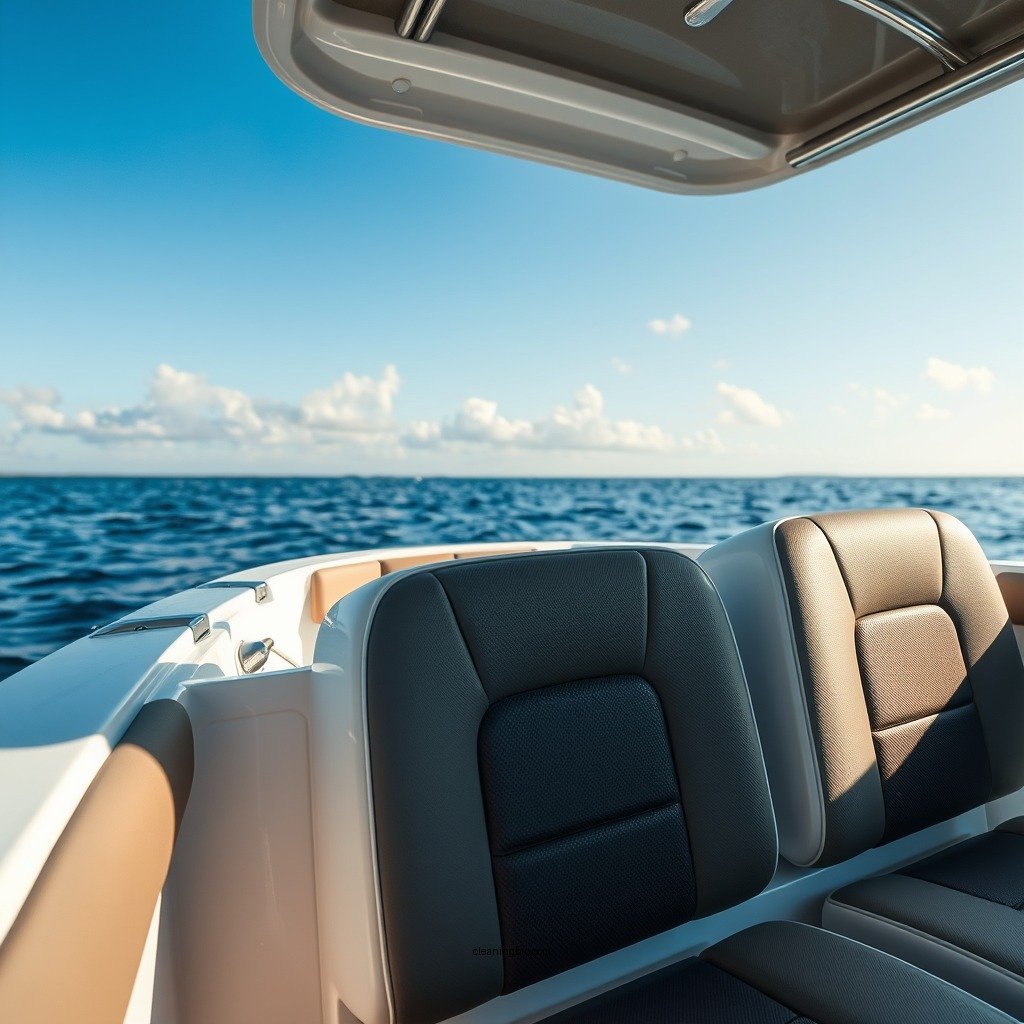
Boat seats are typically made from three common materials: vinyl, fabric, and leather. Each material requires a specific cleaning approach to avoid damage.
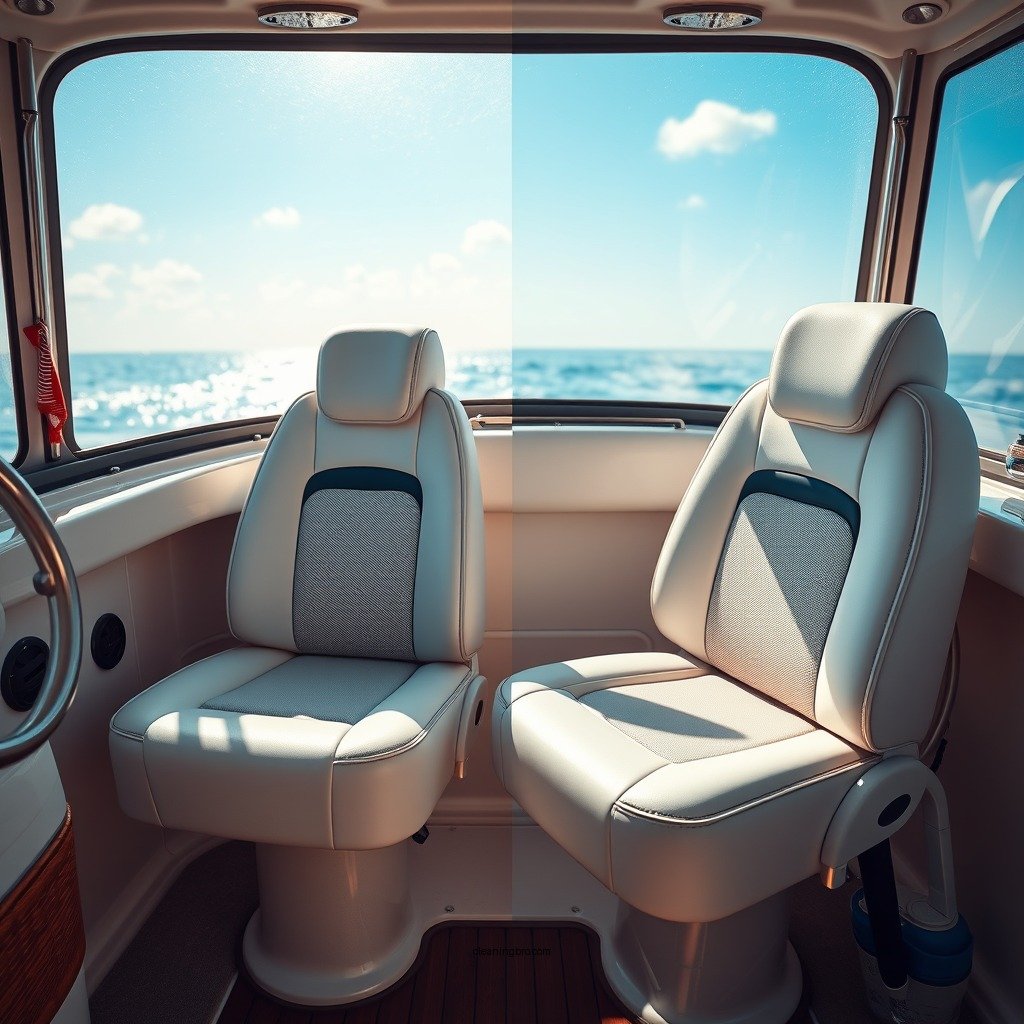
– Vinyl: This is the most popular material for boat seats due to its water resistance and durability. However, it can become discolored and cracked if not cared for properly. Mild soap and water are usually sufficient for cleaning vinyl, while specialized vinyl cleaners can help restore its luster.
– Fabric: Fabric seats can be more challenging to clean as they are more susceptible to stains and mildew. Upholstery cleaners designed for marine applications are ideal, and regular deep cleaning is recommended to prevent mold growth.
– Leather: Leather seats offer a premium feel but require extra care. They should be cleaned with a leather cleaner and treated with a conditioner to prevent drying and cracking. Avoid using harsh chemicals as they can strip the natural oils from the leather.
Understanding these materials will help you choose the right cleaning agents and techniques, ensuring your boat seats are not only clean but also protected.
Essential Cleaning Supplies
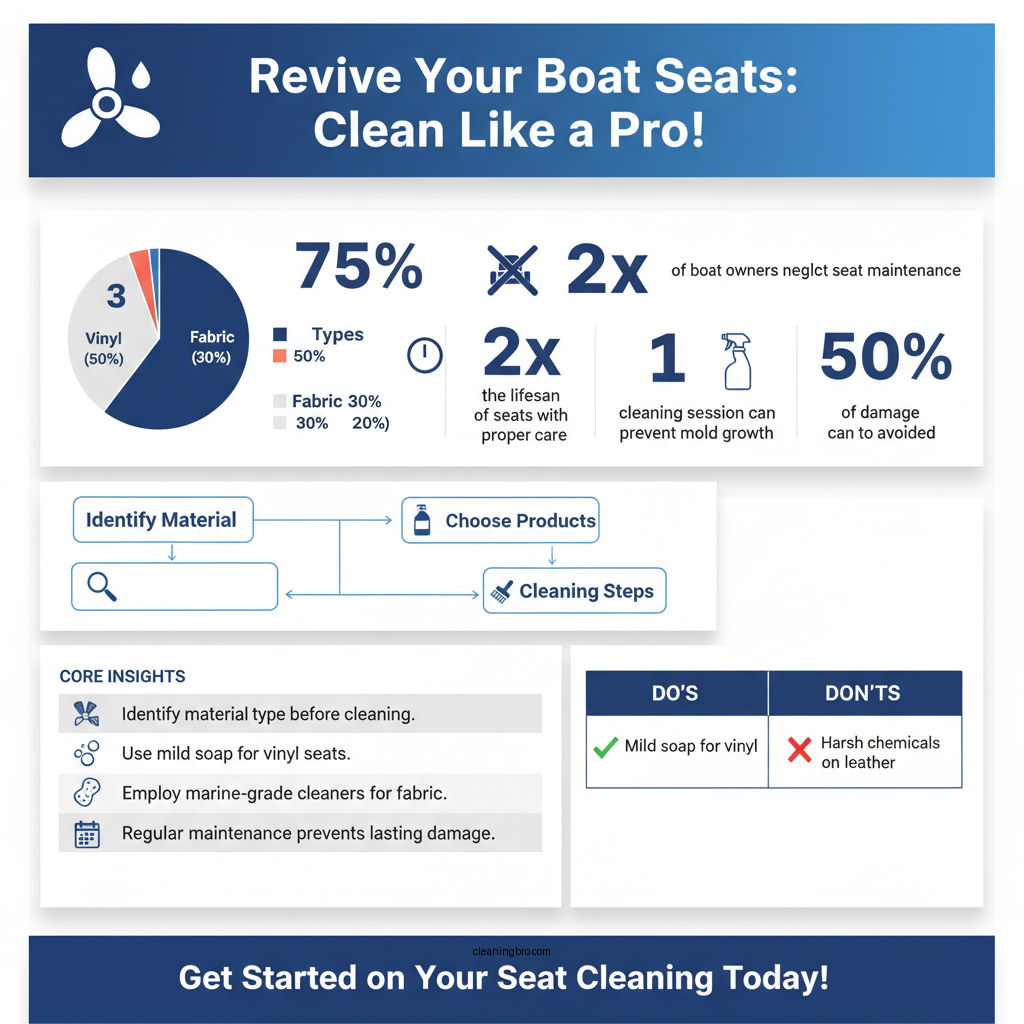
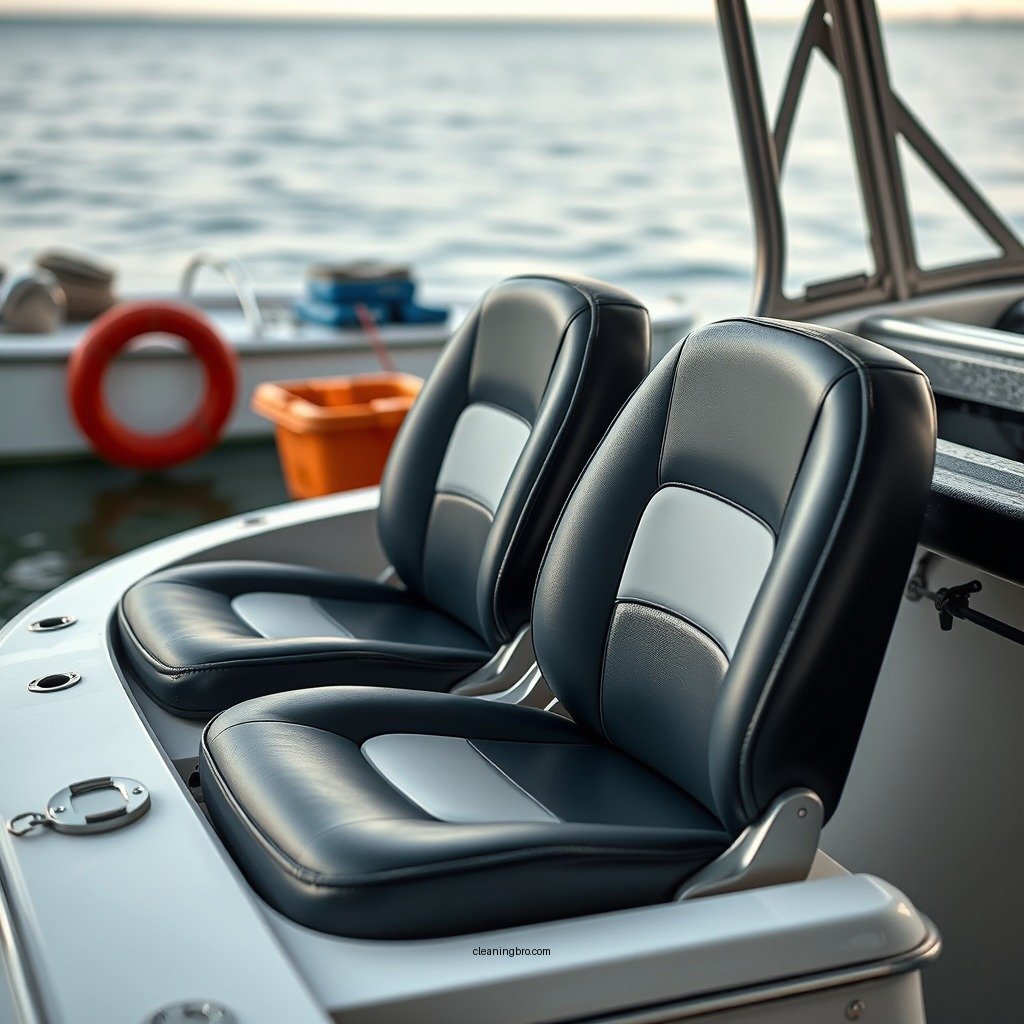
Having the right cleaning supplies on hand is essential for a successful cleaning process. Here’s a list of recommended products and tools:
Recommended Cleaning Products
– Mild Soap: A gentle soap like dish soap is perfect for vinyl.
– Upholstery Cleaner: Use a marine-grade upholstery cleaner for fabric seats.
– Leather Cleaner and Conditioner: Specialized products designed for leather maintenance.
Tools Needed
– Soft Brush: Ideal for loosening dirt and debris without damaging the material.
– Microfiber Cloth: Perfect for wiping surfaces without leaving lint behind.
– Sponge: Useful for applying cleaning solutions and rinsing.
These supplies will facilitate a thorough and effective cleaning process, helping you maintain the quality of your boat seats.
Step-by-Step Cleaning Process
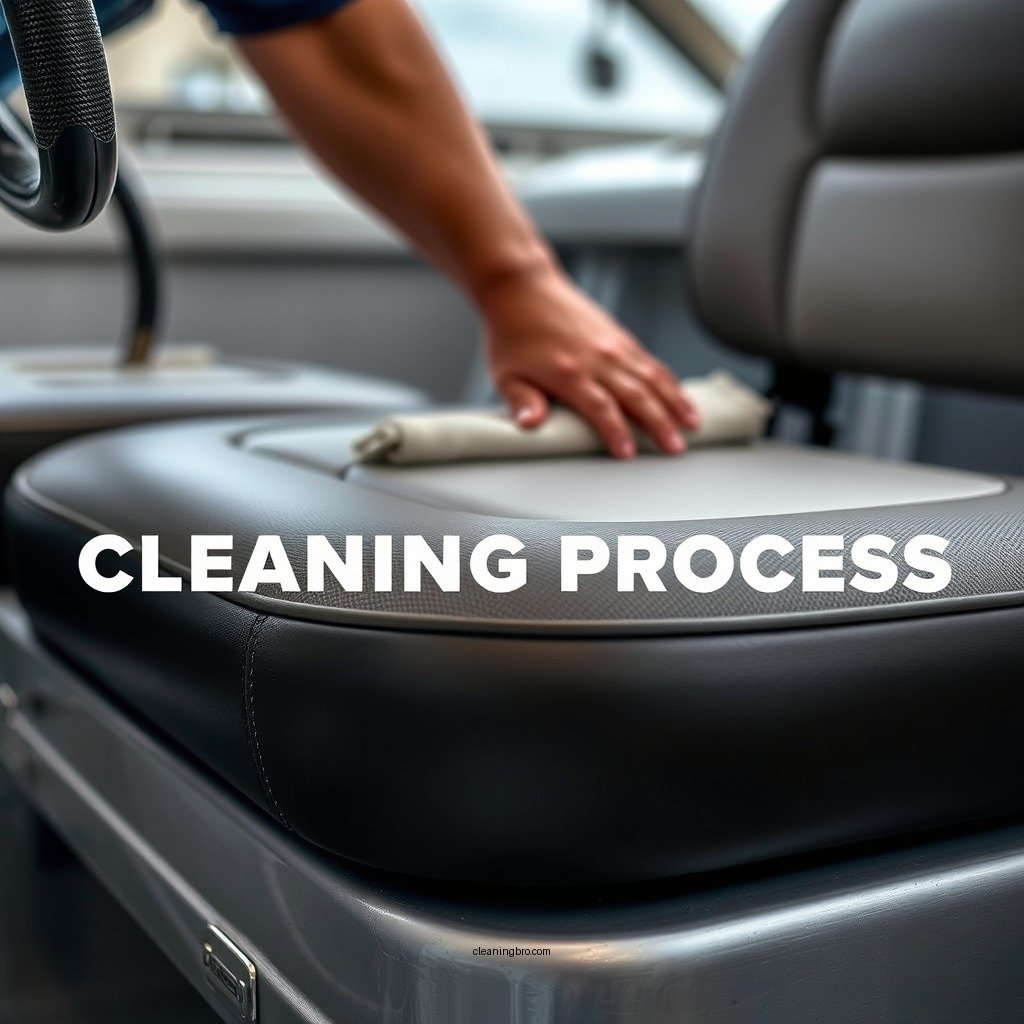
Before diving into cleaning, it is crucial to prepare the seats properly. Follow these steps for optimal results:
1. Pre-cleaning Preparation: Begin by removing any loose debris, such as dirt or leaves, from the seats. Use a vacuum cleaner with a soft brush attachment to gently remove dust and dirt particles.
2. Detailed Cleaning Instructions:
– Vinyl Seats: Mix a solution of mild soap and water. Use a soft brush to agitate the solution on the seat’s surface, then wipe with a microfiber cloth. Rinse with clean water and dry with a towel.
– Fabric Seats: Spray the upholstery cleaner directly onto the fabric and scrub gently with a soft brush. Rinse the area with a damp sponge to remove any soap residue, then allow it to air dry completely.
– Leather Seats: Apply the leather cleaner with a microfiber cloth, working it into the material in circular motions. After cleaning, use a leather conditioner to replenish moisture and prevent cracking.
These steps will ensure that your boat seats are thoroughly cleaned without damaging the materials.
Top Boat Seat Cleaning Products (2023)
| # | Product Name | Material Type | Effectiveness |
|---|---|---|---|
| 1 | Star Brite Vinyl Cleaner | Vinyl | Highly effective |
| 2 | 303 Fabric Guard | Fabric | Very effective |
| 3 | Lexol Leather Cleaner | Leather | Highly effective |
| 4 | Meguiar’s Marine Vinyl Cleaner | Vinyl | Very effective |
| 5 | Rug Doctor Upholstery Cleaner | Fabric | Highly effective |
| 6 | Chemical Guys Leather Cleaner | Leather | Very effective |
| 7 | Star Brite Mildew Stain Remover | Vinyl/Fabric | Highly effective |
Stain Removal Techniques
Inevitably, stains can occur on your boat seats, but knowing how to tackle them can save you time and effort. Here are some effective stain removal techniques:
– Mold and Mildew: For fabric seats, a mixture of water and vinegar can be sprayed on the affected area. Let it sit for a few minutes before scrubbing gently with a brush. Rinse thoroughly with water afterward. For vinyl, use a specialized mildew remover to avoid staining the surface.
– Food Spills: Quickly blot the area with a clean cloth to absorb any excess liquid. For fabric seats, apply an upholstery cleaner directly to the stain and follow the manufacturer’s instructions. For vinyl, use a mild soap solution to wipe the area clean.
– Tough Stains: For persistent stains, consider using a stain-specific product designed for either fabric or vinyl. Always test a small area first to ensure compatibility with the material.
These techniques will help you effectively manage stains on your boat seats, keeping them looking fresh and clean.
Preventative Maintenance Tips
Regular maintenance is key to ensuring the longevity of your boat seats. Here are some important tips:
– Regular Cleaning: Aim to clean your boat seats at least once a month, especially if you frequently use your boat. Regular cleaning prevents dirt buildup and prolongs the life of the materials.
– Use Protective Covers: When your boat is not in use, invest in protective covers for your seats. These covers can shield the seats from UV rays, dirt, and moisture.
– Avoid Direct Sunlight: Whenever possible, park your boat in the shade or use a bimini top to protect the seats from prolonged sun exposure, which can cause fading and cracking.
By implementing these preventative measures, you can protect your boat seats and maintain their quality for years to come.
Seasonal Care for Boat Seats
Seasonal changes can significantly affect the condition of your boat seats. Here are some best practices for seasonal care:
– Before Storage: Thoroughly clean your boat seats before storing your boat for the season. Ensure that they are completely dry to prevent mold growth. Applying a protectant suitable for the material can also help.
– After Winter Use: Once the boating season resumes, inspect your seats for any signs of damage or wear that might have occurred during storage. Clean and condition the seats to restore their appearance.
– Off-season Protection: If storing your boat outdoors, ensure that it is covered to protect against weather elements. Additionally, consider using moisture-absorbing products to prevent mildew during the off-season.
Following these seasonal care tips will help extend the life of your boat seats, ensuring they remain in excellent condition throughout the year.
By following these steps, you can keep your boat seats looking great and extend their lifespan. Regular maintenance and proper cleaning techniques are key to preventing damage. Take action today by assembling your cleaning supplies and giving your boat seats the care they deserve!
Frequently Asked Questions
What are the best products to use for cleaning boat seats?
The best products for cleaning boat seats include a mild soap solution, marine-grade vinyl cleaners, and UV protectants. Look for cleaners specifically designed for marine upholstery, as they effectively remove dirt and stains without damaging the material. Always check the manufacturer’s recommendations for your specific seat material before applying any products.
How do I remove tough stains from my boat seats?
To remove tough stains from boat seats, start by using a soft brush and a mixture of warm water and mild soap to gently scrub the area. For stubborn stains, consider using a specialized marine cleaner or a mixture of vinegar and water. Always test any cleaner on a small, inconspicuous area first to avoid damage.
Why is it important to clean boat seats regularly?
Regularly cleaning boat seats is crucial to maintain their appearance and longevity. Dirt, mildew, and UV rays can cause materials to degrade over time, leading to costly repairs or replacements. By keeping your boat seats clean, you not only enhance the aesthetic but also protect your investment.
Which cleaning method is safest for vinyl boat seats?
The safest cleaning method for vinyl boat seats involves using a gentle soap and water solution, followed by a soft cloth or sponge to avoid scratching the surface. Avoid harsh chemicals, bleach, or abrasive cleaners, as these can damage the vinyl and lead to fading or cracking over time.
How can I protect my boat seats after cleaning them?
After cleaning your boat seats, applying a UV protectant specifically designed for marine upholstery can help shield them from sun damage and fading. Additionally, consider using seat covers or tarps when the boat is not in use to further protect against dirt and weather elements. Regular maintenance and protection will extend the life of your boat seats significantly.
References
- https://www.boats.com/how-to/how-to-clean-your-boat-s
https://www.boats.com/how-to/how-to-clean-your-boat-s - https://www.sciencedirect.com/topics/earth-and-planetary-sciences/boat-maintenance
https://www.sciencedirect.com/topics/earth-and-planetary-sciences/boat-maintenance - https://www.ncbi.nlm.nih.gov/pmc/articles/PMC5001111/
https://www.ncbi.nlm.nih.gov/pmc/articles/PMC5001111/ - https://www.bbc.com/news/magazine-29487226
https://www.bbc.com/news/magazine-29487226 - Google Scholar Google Scholar
https://scholar.google.com/scholar?q=how+to+clean+boat+seats - Google Scholar Google Scholar
https://scholar.google.com/scholar?q=boat+maintenance+cleaning+guidelines - Google Scholar Google Scholar
https://scholar.google.com/scholar?q=upholstery+cleaning+for+boats - how to clean boat seats – Search results
https://en.wikipedia.org/wiki/Special:Search?search=how+to+clean+boat+seats - https://www.ncbi.nlm.nih.gov/search/research-articles/?term=how+to+clean+boat+seats
https://www.ncbi.nlm.nih.gov/search/research-articles/?term=how+to+clean+boat+seats
