
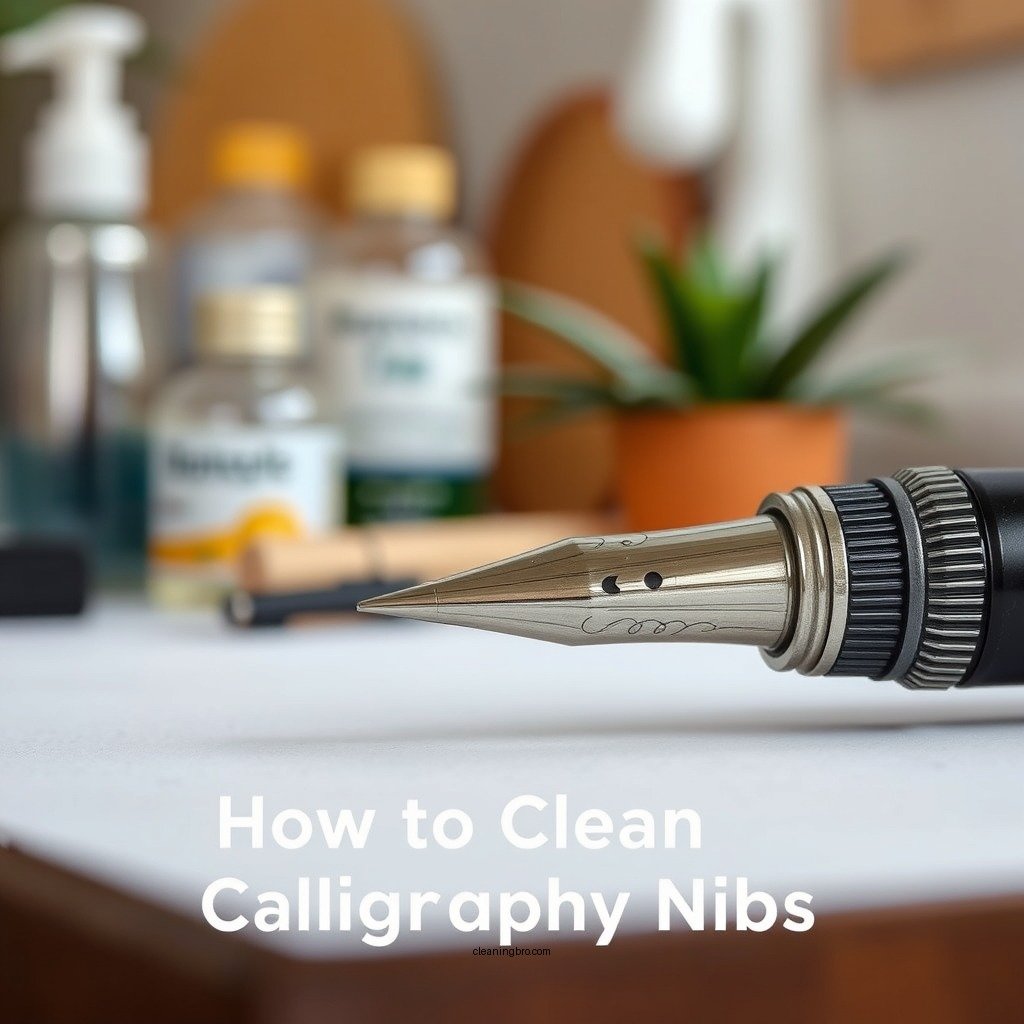
Cleaning calligraphy nibs is essential for maintaining their performance and longevity. Proper cleaning not only enhances the quality of your writing but also extends the life of your tools. In this guide, you will learn the best practices for cleaning and maintaining your calligraphy nibs, ensuring they remain in optimal condition for beautiful, consistent strokes.
Understanding Calligraphy Nibs
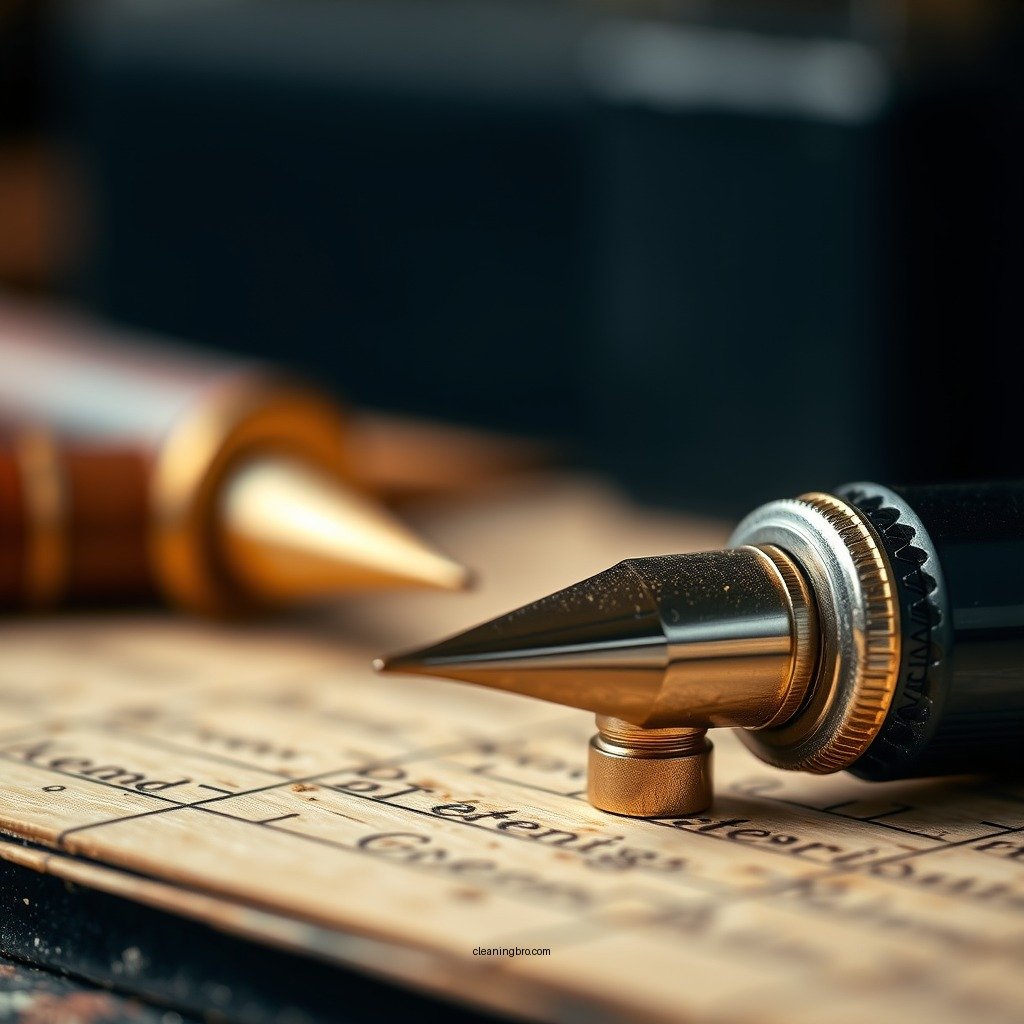
Calligraphy nibs come in various shapes and sizes, each designed for different styles of writing. The most common types include pointed nibs, broad-edged nibs, and flexible nibs. Each of these nibs has unique cleaning requirements based on their design and the types of ink used. For example, pointed nibs may require more delicate cleaning due to their fine tip, while broad-edged nibs can withstand a bit more scrubbing. Additionally, different ink types—such as water-based, acrylic, or permanent inks—can affect how easily the ink adheres to the nib and its subsequent removal. Understanding these factors is key to effectively cleaning your nibs without causing damage.
Materials Needed for Cleaning
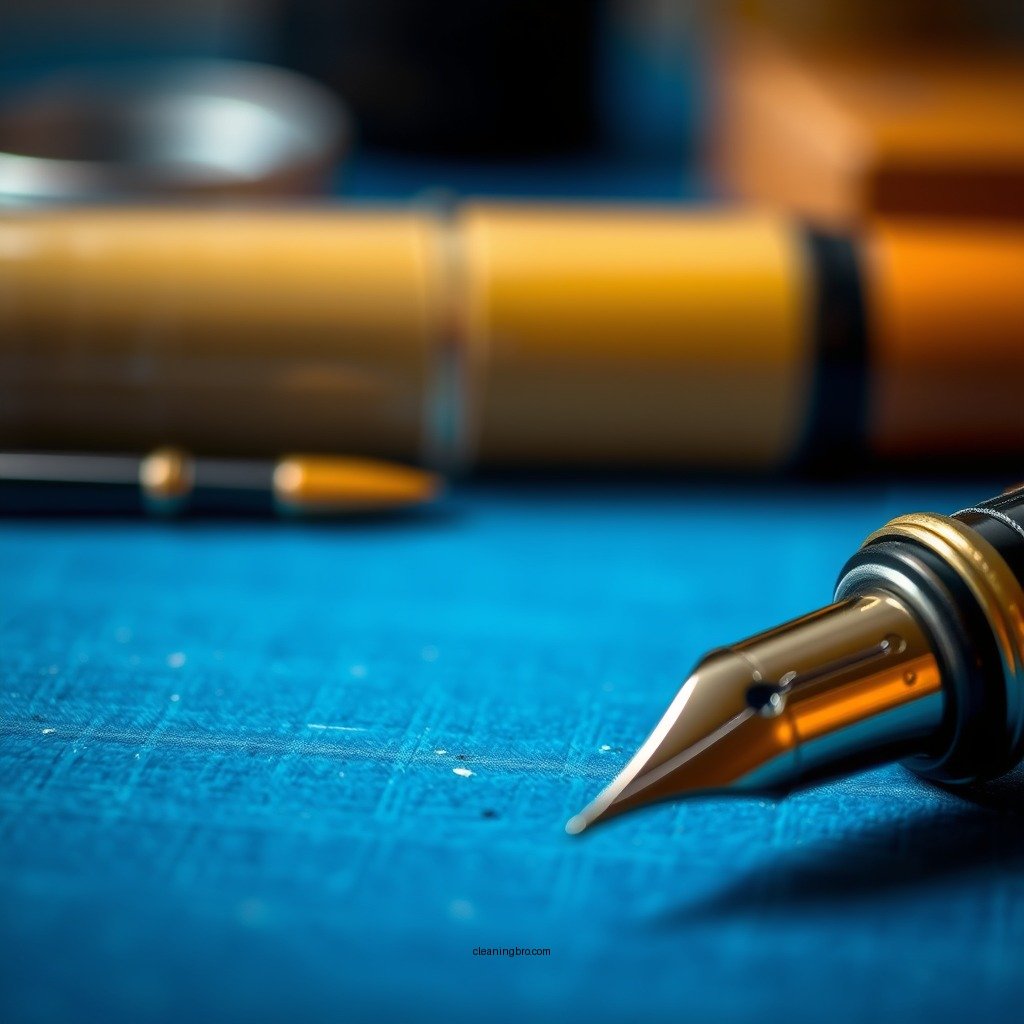
To effectively clean your calligraphy nibs, it’s essential to gather the right materials. Here’s a list of supplies you will need:
– Warm Water: Use warm (not hot) water for soaking the nibs, as it helps to loosen dried ink without damaging the metal.
– Mild Soap: A gentle dish soap can help break down ink residue without causing harm to the nib.
– Soft Cloth: Use a lint-free cloth to dry the nibs after cleaning.
– Toothbrush or Soft Brush: A soft-bristled brush is perfect for scrubbing away stubborn ink without scratching the nib.
– Vinegar (optional): For stubborn ink, a diluted vinegar solution can help dissolve residues.
– Baking Soda (optional): This can be used to address rust or corrosion if present.
Step-by-Step Cleaning Process
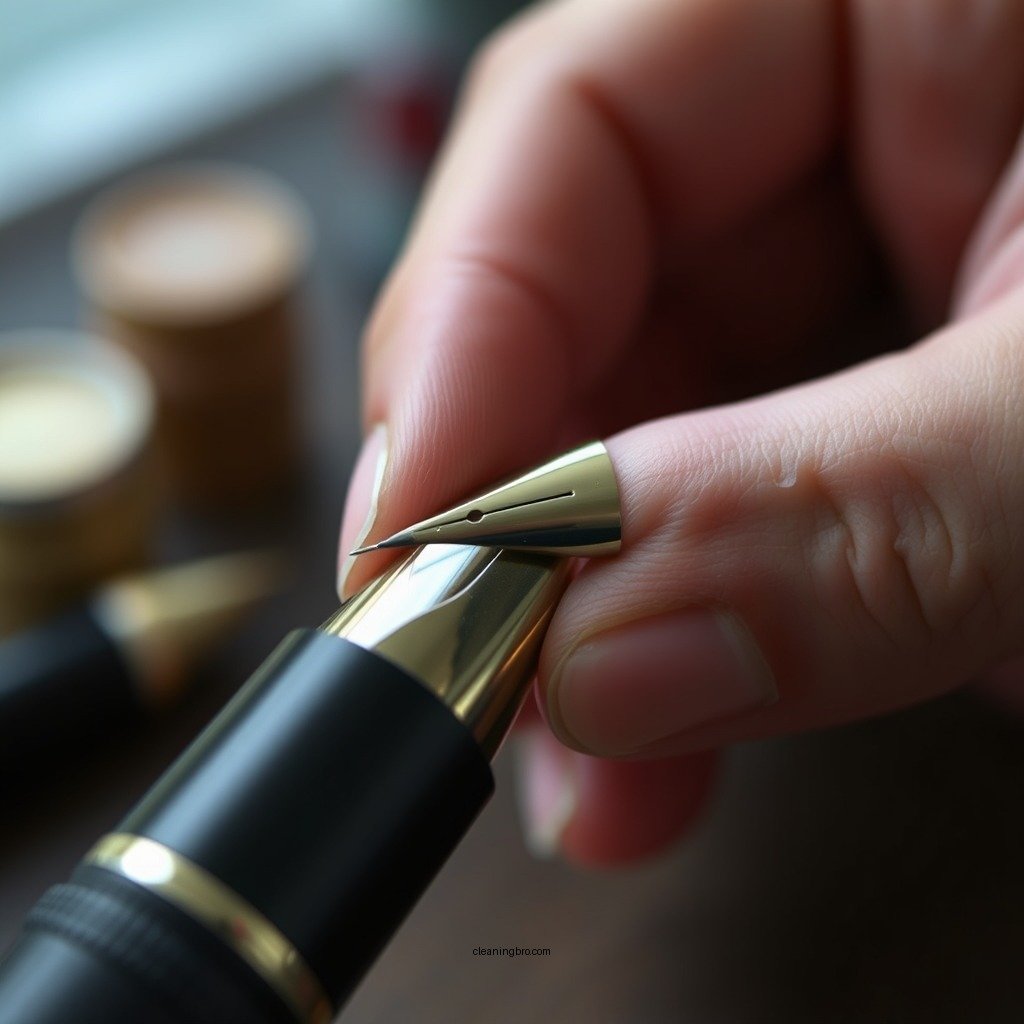
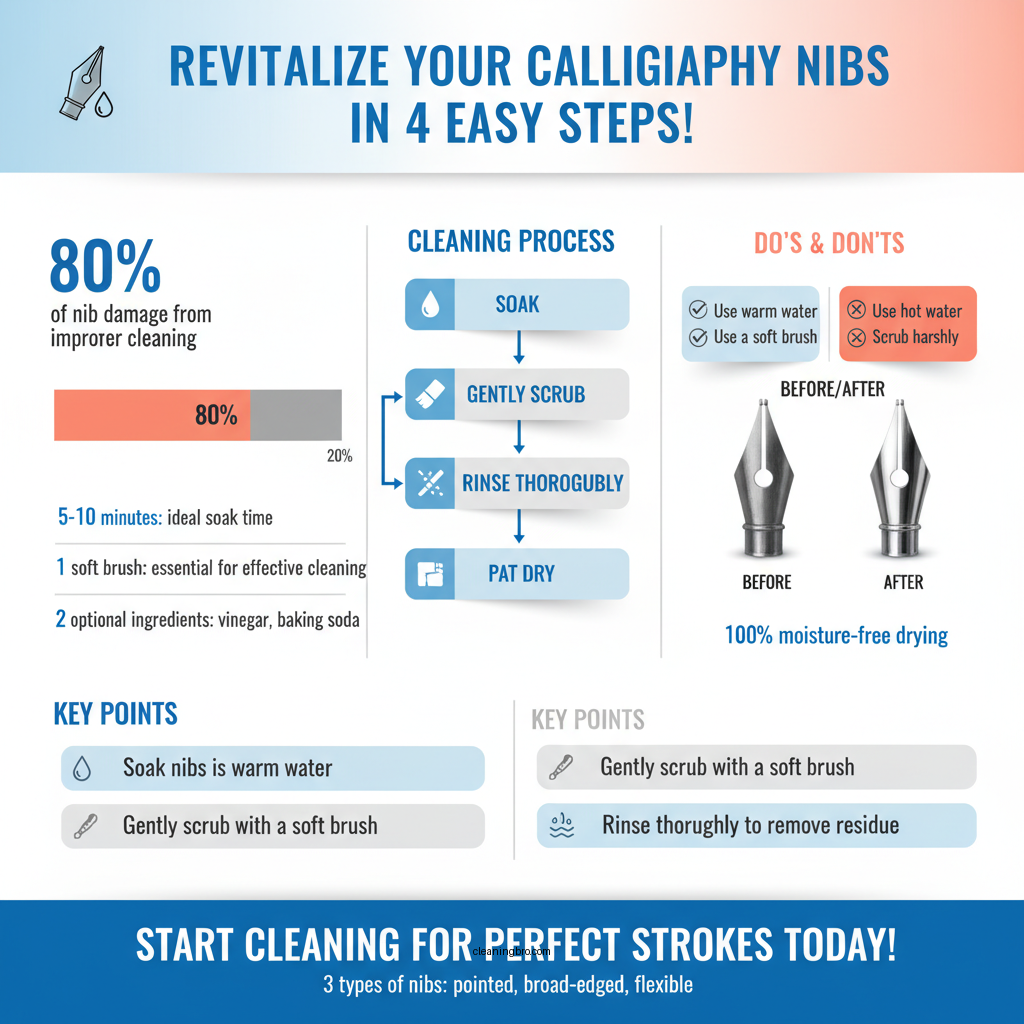
Cleaning your calligraphy nibs can be done in a few simple steps:
1. Soak the Nib: Begin by soaking the nib in warm water for about 5-10 minutes. This will help to loosen any dried ink that may be stuck to the nib.
2. Scrub Gently: After soaking, take your soft brush or toothbrush and gently scrub the nib. Focus on the ink reservoirs and the tip, but be cautious not to exert too much pressure to avoid bending or damaging the nib.
3. Rinse Thoroughly: After scrubbing, rinse the nib under warm running water to remove any remaining soap and ink residue. Ensure that no soap is left on the nib, as it can affect ink flow in future use.
4. Dry Completely: Use a soft cloth to pat the nib dry, making sure it is completely free of moisture to prevent rust formation.
Top 5 Calligraphy Nibs for Cleaning (2024)
| # | Nib Type | Material | Best Ink Type | Cleaning Ease |
|---|---|---|---|---|
| 1 | Pointed Nib | Stainless Steel | Water-based | Easy |
| 2 | Broad Nib | Bronze | Acrylic | Moderate |
| 3 | Flexible Nib | Stainless Steel | Pigment | Hard |
| 4 | Broad-edged Nib | Steel | Water-based | Easy |
| 5 | Copper Nib | Copper | Permanent | Difficult |
Troubleshooting Common Issues
Despite your best efforts, you may encounter some common cleaning challenges with calligraphy nibs. Here are solutions to a few typical issues:
– Stubborn Ink Residue: If some ink remains after your initial cleaning, try soaking the nib in a solution of warm water mixed with white vinegar (1:1 ratio) for an additional 10 minutes. The acidity in the vinegar can help dissolve the ink without damaging the nib.
– Rust or Corrosion: If your nib exhibits rust, you can create a gentle abrasive paste with baking soda and water. Apply this paste to the affected areas and scrub gently with a soft brush. Rinse thoroughly afterward and dry completely to prevent further rusting.
By promptly addressing these issues, you can maintain the functionality of your nibs and enjoy a seamless writing experience.
Drying and Storing Nibs Properly
Once your nibs are clean, proper drying and storage are crucial to maintain their condition:
– Thorough Drying: After cleaning, pat the nib dry with a soft cloth, ensuring there is no remaining moisture. It’s essential to let them air-dry completely before storing them, as moisture can lead to rust.
– Safe Storage: Store your nibs in a protective case or holder designed to prevent bending and damage. Avoid placing them in drawers or containers without protection, as this can lead to scratches or misalignment.
Regular Maintenance Tips
Regular maintenance is key to ensuring your calligraphy nibs remain in optimal condition:
– Clean After Each Use: Make it a habit to clean your nibs after each writing session. This simple step prevents ink buildup and extends the life of your tools.
– Avoid Dried Ink: Try not to let ink dry on the nib for extended periods. If you anticipate not using a nib for a while, consider cleaning it beforehand to prevent ink from hardening.
By adopting these habits, you can enjoy a more pleasant and efficient calligraphy experience.
In conclusion, maintaining clean and functional calligraphy nibs is essential for any calligraphy enthusiast. By understanding the types of nibs, employing the correct cleaning techniques, and regularly maintaining your tools, you can ensure a smooth writing experience for years to come. Follow these best practices, and your nibs will thank you with every beautifully crafted stroke.
Frequently Asked Questions
How do I properly clean my calligraphy nibs after use?
To clean your calligraphy nibs after use, first, gently wipe off any excess ink with a soft cloth or paper towel. Then, soak the nibs in warm water for a few minutes to loosen dried ink, and use a soft brush or an old toothbrush to gently scrub the nib. Rinse thoroughly and dry completely before storing to prevent rust.
What is the best method for removing dried ink from calligraphy nibs?
The best method for removing dried ink from calligraphy nibs is to soak them in a mixture of warm water and a few drops of dish soap for about 10-15 minutes. After soaking, use a soft brush to carefully scrub away the residue, ensuring that you don’t damage the nib. Rinse well and dry thoroughly to maintain the nib’s functionality.
Why is it important to clean calligraphy nibs regularly?
Cleaning calligraphy nibs regularly is crucial to prevent ink buildup, which can lead to poor ink flow and uneven lines in your work. Dried ink can also corrode the nib over time, reducing its lifespan and performance. By maintaining clean nibs, you ensure optimal performance and enhance the quality of your calligraphy.
Which cleaning solutions are safe for calligraphy nibs?
Safe cleaning solutions for calligraphy nibs include warm water, mild dish soap, and specialized nib cleaning solutions designed for fountain pens or calligraphy tools. Avoid harsh chemicals or abrasive cleaners, as they can damage the nib’s finish and affect its performance. Always rinse thoroughly after cleaning to remove any soap residue.
How often should I clean my calligraphy nibs to keep them in good condition?
You should clean your calligraphy nibs after each use, especially if you are switching between different ink colors or types. If you use your nibs frequently, a thorough cleaning every few sessions is also recommended to prevent ink buildup. Regular maintenance will help prolong the life of your nibs and ensure consistent performance in your calligraphy projects.
References
- Calligraphy
https://en.wikipedia.org/wiki/Calligraphy - https://www.craftyarts.co.uk/blog/how-to-clean-your-calligraphy-nibs
https://www.craftyarts.co.uk/blog/how-to-clean-your-calligraphy-nibs - https://www.welltrainedmind.com/forums/topic/424012-cleaning-calligraphy-nibs/
https://www.welltrainedmind.com/forums/topic/424012-cleaning-calligraphy-nibs/ - Google Scholar Google Scholar
https://scholar.google.com/scholar?q=how+to+clean+calligraphy+nibs - https://www.pennacollectors.com/cleaning-nibs-and-pens/
https://www.pennacollectors.com/cleaning-nibs-and-pens/ - Calligraphy.org – Online Calligraphy Classes – Beginners Welcome
https://www.calligraphy.org/cleaning-nibs - Google Scholar Google Scholar
https://scholar.google.com/scholar?q=calligraphy+nib+maintenance - Google Scholar Google Scholar
https://scholar.google.com/scholar?q=calligraphy+nib+care - how to clean calligraphy nibs – Search results
https://en.wikipedia.org/wiki/Special:Search?search=how+to+clean+calligraphy+nibs - https://www.ncbi.nlm.nih.gov/search/research-articles/?term=how+to+clean+calligraphy+nibs
https://www.ncbi.nlm.nih.gov/search/research-articles/?term=how+to+clean+calligraphy+nibs
