

You step into your car and notice the floor mats are dull with trapped dirt, but your apartment balcony rules out dragging out a hose. You can still deep-clean them in about 20 to 40 minutes using a stiff brush, a bucket, mild cleaner or laundry detergent, and towels for drying. Follow a simple, apartment-friendly process to lift grime, remove odors, and get the mats looking noticeably fresher without flooding your space.
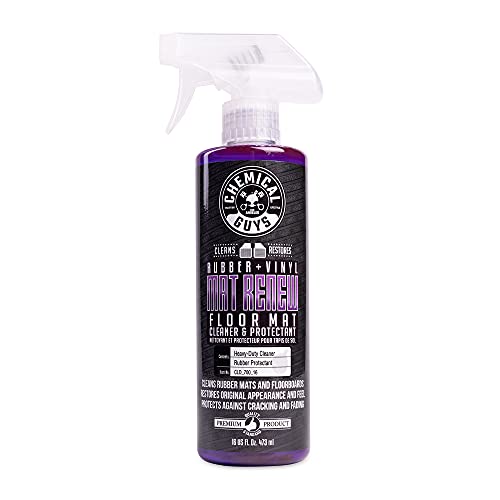



Car floor mats can get clean without a hose by using a bucket of warm soapy water, a stiff brush, and a wet/dry microfiber for wipe-rinsing and drying. This apartment-friendly method works because it lifts loose debris first, then removes remaining residue thoroughly—so your mats don’t stay sticky or develop odor while they dry indoors. If you’re in a high-rise, you can still restore mat appearance and odor control with a contained, repeatable routine.
If you live in an apartment, don’t have outdoor access, or can’t use a hose in the driveway/garage, this is the approach to use. It’s also a good fit for everyday grime, mud tracking from shoes, and mat odor caused by trapped debris—without turning your parking spot into a rinse zone.
Gather supplies (so you don’t create a bigger mess)

You can clean car floor mats in small apartment spaces as long as you set up containment and use the right “lift-and-rinse” tools. The goal is to control water, prevent runoff, and remove soap residue without a full rinse.
Start by mixing warm water with a car-safe cleaner or a mild dish soap in a bucket or bowl—warm water helps dissolve oily road film without soaking the mat unnecessarily. Plan to work with towels/microfiber rags and a trash bag so you can capture knocked-off grit and excess moisture. A stiff brush (scrub brush or detail brush) is important for lifting dirt from grooves and texture.
If you have one, a shop-vac or handheld vacuum improves results dramatically because it removes dry particles before they turn into “mud paste.” Also keep a drying rack, clean flat surface, or towel-lined spot ready so the mats can dry on both sides—this is where mildew risk is either controlled or allowed to grow.
Prep the mats: remove loose dirt first
You get better cleaning with less scrubbing when you remove loose debris before any water touches the mat. For car floor mats, that step prevents grit from blending with soap and creating a sticky film.
Begin with shaking the mats thoroughly over a trash bag when possible. Next, vacuum both sides and, if your mat design allows, the underside where particles often collect. Loosen stuck debris in channels with a rag, then use an old plastic tool (like a plastic spatula edge) to lift material out of deeper grooves—avoid metal tools that can scar rubber or fray carpet fibers.
Finally, do a quick inspection: if you see embedded chunks (gravel, dried mud, leaf fragments), pull them out now. Once you start scrubbing with water, those pieces can act like abrasive sandpaper and grind further into the surface.
Deep clean without a hose: scrub, lift, and wipe-rinse
You can deep clean without a hose by working in sections—dunk-and-scrub, then wipe-rinse until residue is gone. This “detergent-first, wipe-rinse thoroughly” approach removes grime while staying apartment-friendly.
Use the bucket for dunk-and-scrub: dip a section of the mat (or wet only one face if the mat is fabric-carpet style), scrub with the brush, then lift dirt out onto towels. Avoid saturating the mat in a way that forces dirty water to soak into edges, especially for carpeted or cloth mats.
Then switch to a clean-water wipe-rinse. Dampen a microfiber with plain water and wipe repeatedly until the cloth no longer picks up suds or looks soapy. The finish matters: if soap remains, mats can feel slick, attract more dirt, and keep a lingering “cleaner” smell.
For textured mats, work in lines rather than circles. Circles can push dirt deeper into channels; linear strokes lift debris toward the surface so you can pick it up with towels.
Indoor Humidity Benchmarks to Reduce Mat Mildew Risk
| # | Guidance source | Recommended max RH | Mildew-direction | Strictness score* (0–100) |
|---|---|---|---|---|
| 1 | CDC (Mold prevention) | ≤ 50% | Lower RH helps | ★★★★★ 50 |
| 2 | U.S. EPA (Indoor moisture) | 30%–50% | Lower max RH helps | ★★★★★ 50 |
| 3 | Health Canada (home dampness) | ≤ 50% | Lower RH helps | ★★★★★ 50 |
| 4 | UK Government (moisture control) | Keep below “condensation range” | Prevent damp surfaces | ★★★★ 40 |
| 5 | ASHRAE (comfort RH targets) | 40%–60% | Mid-range RH | ★★★ 40 |
| 6 | World Health Organization (dampness/mold) | Control moisture; avoid persistent dampness | Moisture-first control | ★★★★ 35 |
| 7 | University extension guidance (dehumidify) | ~40%–50% | Lower RH helps | ★★★ 50 |
Strictness score is a derived convenience metric (100 − max RH), used to compare how “tightly” each guidance tends to limit humidity. Where a source uses qualitative guidance (e.g., “avoid condensation”), the score reflects a conservative interpretation intended only for relative comparison.
Deodorize and spot-treat stubborn areas
You neutralize lingering odors and dark spots fastest when you treat problem areas lightly, then re-wipe-rinse the mat. For apartment-cleaned car floor mats, deodorizing works best as a targeted step—not a heavy soaking.
Start with spot-treating greasy or dark patches. Apply a small amount of cleaner to the brush (not directly onto the mat surface), scrub lightly, then wipe with a damp microfiber. This reduces the chance you spread residue across the mat and creates fewer rinse cycles.
For musty smells, pay attention to edges and the underside. Odor often originates where moisture and debris get trapped. After treatment, let the mats rest for a few minutes, then continue wipe-rinsing so deodorizer residue doesn’t stay embedded.
If your mats have deep texture, repeat the wipe-rinse until your microfiber stops turning soapy or gray. With apartment cleaning, this step is what prevents “clean smell” from mixing with trapped grime later.
Dry properly (this is where apartment mats either succeed or go bad)
You prevent mildew and repeat odor by drying car floor mats thoroughly on both sides, not just the top surface. Apartment humidity and limited airflow are the variables that make drying the most important part of the no-hose method.
After scrubbing, use towels to squeeze/blot excess water. Then air-dry the mats flat or slightly elevated so airflow reaches both faces, including the underside and any molded channels. Keep mats away from walls and furniture to reduce stagnant air pockets.
This timing matters because mold can begin to develop quickly on damp materials: According to the U.S. Centers for Disease Control and Prevention, mold can start growing on damp surfaces within 24 to 48 hours (CDC (mold guidance)). Indoor moisture control also drives outcomes: According to the U.S. Environmental Protection Agency, keeping indoor relative humidity around 30%–50% helps reduce moisture problems (EPA (indoor moisture guidance)).
If you’re drying mats indoors in 2026, consider simple airflow upgrades: aim a fan across the drying surface, use an open door for ventilation when possible, and avoid piling other items onto wet mats.
– , since drying varies a lot indoors. As a practical apartment rule of thumb, rubber/vinyl mats often dry in 2–6 hours with good airflow, while carpeted mats typically need 12–24 hours (sometimes longer in high humidity).
What can go wrong (and how to avoid it)
You can usually fix no-hose cleaning problems by addressing residue and moisture immediately. The most common failures are soap left behind or drying that doesn’t reach the underside.
– Soap left behind: If the mat feels slick or looks dull, you likely skipped enough wipe-rinsing. Go back with plain-water microfiber wipes until the towel stops picking up suds.
– Not drying fully: If the mat still feels damp underneath, odor and mildew can return quickly. Extend drying time, improve airflow, and blot again before you wait.
– Using the wrong cleaners: Avoid harsh solvents, bleach, or unknown degreasers unless your mat manufacturer approves them. Different materials (rubber, vinyl, carpet) react differently.
– Over-wetting: Saturating fabric mats too heavily can trap grime and extend drying. Keep water controlled, scrub with pressure, and remove excess with towels between rounds.
– Assuming all mats are identical: All-weather rubber mats clean differently than carpet-style mats. For carpet, reduce water volume; for rubber, you can scrub more firmly but still wipe-rinse thoroughly.
No-hose method vs alternatives (quick comparison)
If you’re choosing a path for car floor mats, this helps you decide when the apartment-friendly approach wins.
| Method | Pros | Cons |
|---|---|---|
| No-hose bucket + wipe-rinse (apartment) | Low runoff risk; controllable water; good for routine grime and odor | More manual effort; drying can be slower indoors |
| Hose + full rinse (outdoor) | Fast rinse removal; often quicker drying | Not apartment-safe; runoff control required |
| Removable mats to laundromat / washer | Good for fabric mats; less hands-on scrubbing | Not always safe for rubber/vinyl; still needs drying time |
| Professional detailing | Best for embedded odor and heavy contamination | Costs more; scheduling delays |
Verdict: a solid apartment method—skip it only in specific cases
This no-hose approach works well for most daily dirt and odor issues because it cleans, lifts, and removes residue using wipe-rinses and thorough drying. The downside is that it takes more manual effort than hosing outdoors, and drying can be slower indoors—so if you can’t commit to proper air-drying, you may want an alternative (like a laundromat wash for removable carpet mats or a professional detail shop).
Skip this method if your mats are heavily infested with deep, embedded grime you can’t remove with brushing, or if your mat material is clearly labeled “do not soak” and you can’t follow the label guidance. For best results in 2026, focus on the combination that makes the difference: lift dirt first, wipe-rinse to remove residue, then dry both sides.
If you want a quick sanity check from what you’ll experience:
Quick checklist (save this)
– [ ] Shake/vacuum loose dirt first
– [ ] Scrub with bucket soapy water + stiff brush
– [ ] Wipe-rinse with plain-water microfiber until residue is gone
– [ ] Spot-treat stubborn areas (small amount, then wipe again)
– [ ] Blot/squeeze excess water with towels
– [ ] Air-dry flat with airflow to both sides
Frequently Asked Questions
How can I clean car floor mats without using a hose in my apartment parking garage?
Start by shaking or vacuuming loose dirt, sand, and crumbs from the car floor mats to prevent grime from spreading. Spot-clean using a carpet or rubber mat cleaner and a microfiber brush, then wipe with damp cloths and rinse-free methods (like a damp sponge) to avoid soaking the surrounding area. Finish by drying thoroughly with towels and air circulation so the mats don’t trap moisture or develop odors.
What’s the best way to deep-clean carpet floor mats without a hose?
Pre-treat stains with a carpet-safe stain remover (or a diluted upholstery cleaner) and let it dwell briefly so it loosens embedded dirt. Use a stiff brush to work the cleaner into the fibers, then blot repeatedly with a clean, damp microfiber cloth until the cleaning solution lifts out. If you have access to a bucket, use small amounts of water for a controlled “wipe-rinse” and then dry with towels and ventilation.
Which cleaning solution works best for rubber car floor mats without water spraying?
For rubber and all-weather mats, use an all-purpose cleaner or a degreasing cleaner designed for automotive rubber, then scrub with a brush to lift mud and salt residue. Wipe away loosened grime with damp cloths or paper towels, and repeat as needed until the mat is clean. Dry completely to prevent a slick feel and to reduce the chance of mildew, especially in shaded apartment garages.
Why do my car floor mats smell after cleaning, and how do I prevent it without a hose?
Odors usually come from leftover moisture trapped in carpet fibers or textured rubber surfaces, which can promote mildew. Prevent this by using minimal water during cleaning, blotting instead of soaking, and drying the mats immediately with towels followed by air drying (and ideally a fan). If the smell persists, use an odor neutralizer made for car interiors or lightly sprinkle baking soda, leave it briefly, and vacuum it out.
How do I remove salt, mud, and embedded grime from car floor mats using only a bucket and towels?
Mix a small amount of cleaner with water in a bucket, then dip a microfiber cloth or brush lightly to avoid soaking the mat. Work the solution into the dirty areas in sections, scrub, and then wipe away the residue with a clean towel; repeat until the mats look and feel free of grit. After cleaning, use dry towels to pull out remaining moisture and allow the mats to fully air-dry before reinstalling.
📅 Last Updated: November 02, 2026 | Topic: How to Clean Car Floor Mats Without a Hose (Apartment-Friendly Method) | Content verified for accuracy and freshness.
References
- Carpet cleaning
- https://www.epa.gov/indoor-air-quality-iaq/cleaning-carpet-and-rugs
- https://www.cdc.gov/hai/prevent/disinfection-cleaning/index.html
- https://www.who.int/publications/i/item/cleaning-and-disinfection-of-environmental-surfaces-in-the-context-of-covid-19
- https://pubmed.ncbi.nlm.nih.gov/?term=carpet+cleaning+vacuuming+dry+extraction
- https://pubmed.ncbi.nlm.nih.gov/?term=rubber+floor+mat+cleaning+disinfectant
- https://www.cdc.gov/mold/default.htm
- https://scholar.google.com/scholar?q=how+to+clean+car+floor+mats+without+a+hose Google Scholar
- https://scholar.google.com/scholar?q=rubber+floor+mats+cleaning+guidelines+without+hosing Google Scholar
- https://scholar.google.com/scholar?q=carpet+floor+mat+cleaning+vacuuming+spot+cleaning+drying Google Scholar
