
How to Clean Car Leather Seats with Holes
Cleaning car leather seats with holes requires careful techniques to preserve the material while effectively removing dirt and stains. This guide will provide you with comprehensive steps to clean and maintain your leather seats, ensuring they look their best despite any imperfections. By following the outlined procedures, you can keep your car’s interior looking pristine and extend the life of your leather upholstery.
Understanding Leather Seat Types

When it comes to car interiors, leather seats can be made from two primary materials: genuine leather and synthetic leather, also known as faux leather or vegan leather. Understanding the differences between these materials is crucial for selecting the right cleaning and maintenance methods.
Genuine Leather: This is animal-derived, providing a luxurious feel and durability. However, it is more susceptible to damage from spills, dirt, and wear and tear. It requires specific cleaning agents and regular conditioning to maintain its suppleness and shine.
Synthetic Leather: Made from polyurethane or PVC, synthetic leather is designed to mimic the look of genuine leather while being more resistant to stains and easier to clean. It does not require conditioning like genuine leather, but it can still benefit from regular cleaning to prevent buildup of dirt and grime.
Recognizing the type of leather in your car will guide you in choosing the appropriate cleaning techniques and products.
Gathering Necessary Supplies
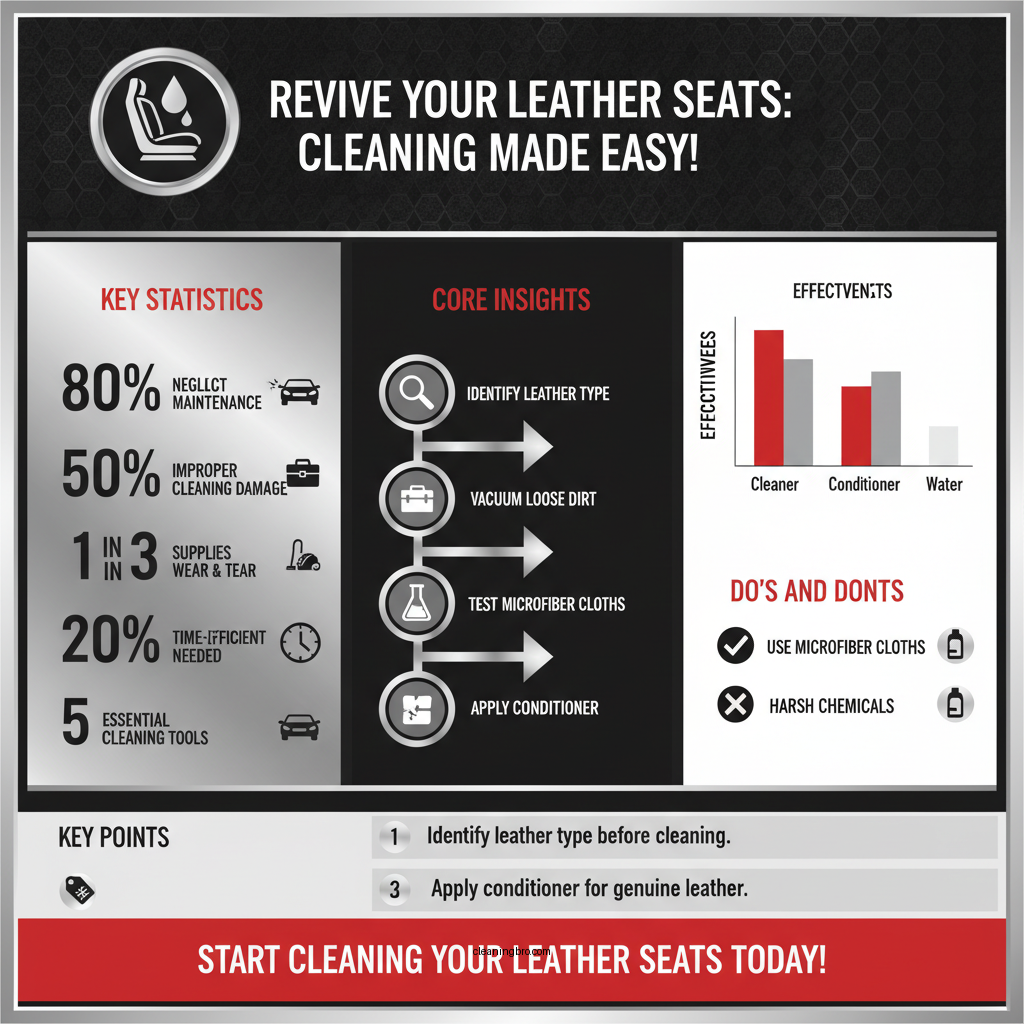

Before starting the cleaning process, it’s essential to gather the right supplies. Here’s a list of cleaning products and tools that are effective for cleaning leather seats.
Cleaning Products:
– Leather cleaner specifically formulated for your seat type
– Isopropyl alcohol (for tough stains)
– Leather conditioner (for genuine leather)
– Mild soap (for synthetic leather)
– Soft microfiber cloths (to avoid scratching)
– Soft-bristled brush (for removing dirt from crevices)
– Cotton swabs (for detailed cleaning around holes)
– A vacuum cleaner with a brush attachment (for loose dirt removal)
Having these supplies handy will make the cleaning process smoother and more effective.
Preparing the Seats for Cleaning
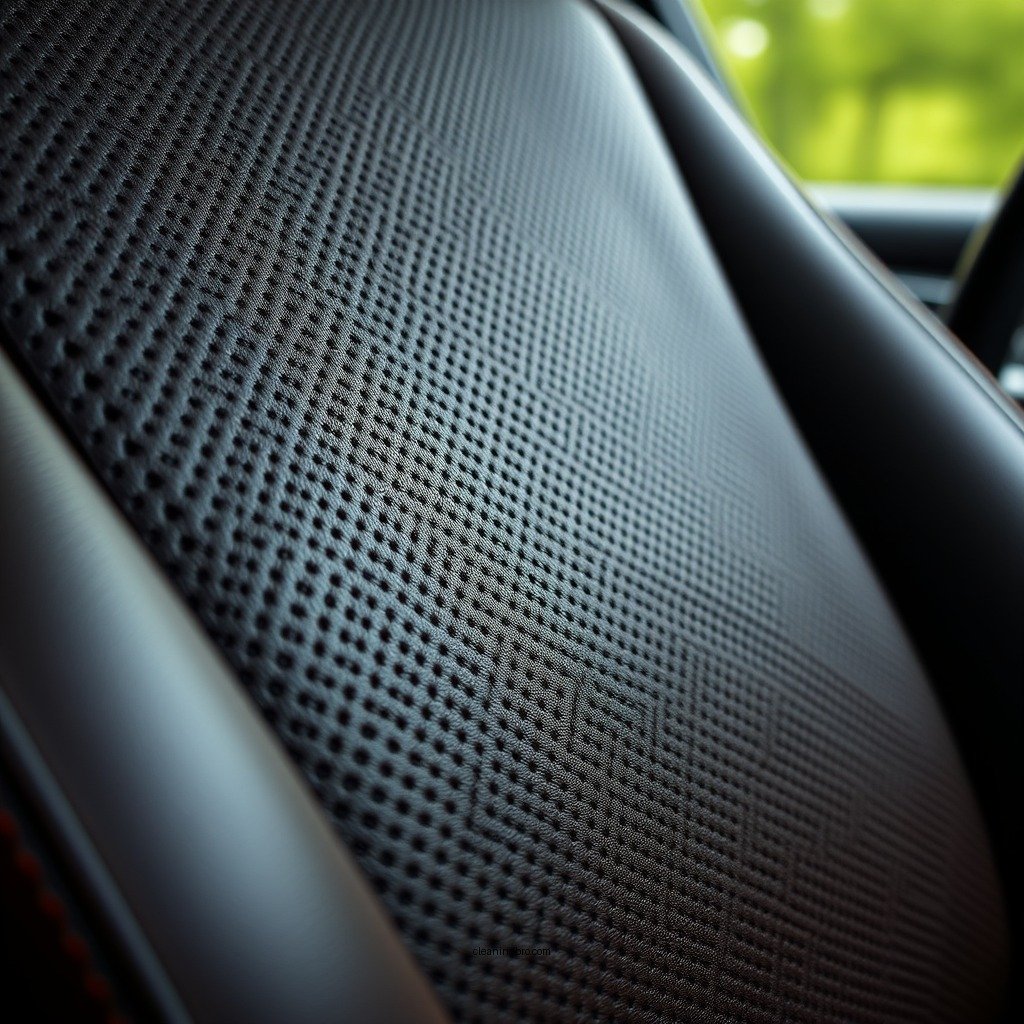
Proper preparation is crucial to avoid damaging the leather during the cleaning process. Follow these steps:
1. Remove Debris and Loose Dirt: Start by vacuuming the seats using a brush attachment to remove any loose debris. Pay special attention to crevices where dirt can accumulate.
2. Test Cleaning Solutions: Before applying any cleaning product, test it on a small, inconspicuous area of the leather seat to ensure there is no adverse reaction. This step is especially important for genuine leather, which can be more sensitive to harsh chemicals.
Leather Seat Care Comparison (2023)
| # | Leather Type | Ease of Cleaning | Conditioning Required | Durability |
|---|---|---|---|---|
| 1 | Genuine Leather | Moderate | Yes | High |
| 2 | Synthetic Leather | Easy | No | Moderate |
Cleaning the Leather Seats
Once the seats are prepared, you can begin the actual cleaning process. Here’s a step-by-step guide:
1. Apply Cleaner: Using a microfiber cloth, apply the leather cleaner according to the manufacturer’s instructions. For genuine leather, use a small amount and spread it evenly to avoid over-saturation.
2. Gently Scrub: For stains or dirt buildup, use a soft-bristled brush to gently scrub the affected areas. Be cautious around holes and tears to prevent further damage. For synthetic leather, a damp cloth with mild soap can be used instead.
3. Detailing: Use cotton swabs or small brushes to clean around holes or crevices. This ensures that dirt does not get trapped in these areas, which can lead to further deterioration.
4. Wipe Off Excess Cleaner: After scrubbing, use a clean microfiber cloth to wipe away any excess cleaner. This step is crucial for preventing the leather from becoming sticky or attracting more dirt.
5. Condition the Leather: If your seats are made of genuine leather, follow up with a leather conditioner to restore moisture and prevent cracking. Apply it evenly and allow it to absorb for the recommended time.
Repairing Holes and Tears
If your leather seats have holes or tears, addressing these imperfections is essential for maintaining their appearance and longevity. Here are some effective repair strategies:
1. Patching Kits: Consider using a leather patching kit, which typically includes adhesive patches, fillers, and color-matching solutions. These kits are designed for easy application and can effectively cover holes and minor tears.
2. Applying Patches: Clean the area around the damage thoroughly before applying the patch. Follow the instructions provided in the kit for the best results. Ensure the patch adheres securely and blends with the surrounding leather.
3. Filling Tears: For larger tears, use a leather filler. Apply it carefully, smoothing it out to match the texture of the surrounding leather. Once dried, you can use a color-matching dye to conceal the repair, making it less noticeable.
4. Preventing Future Damage: After repairs, take preventive measures by regularly cleaning and conditioning your leather seats to avoid further deterioration.
Maintaining Leather Seats Post-Cleaning
Ongoing maintenance is crucial to keep your leather seats looking fresh and to prevent future damage. Here are some recommended practices:
1. Regular Cleaning: Establish a routine cleaning schedule, ideally every few months, depending on your usage. Regularly remove dust and debris to avoid buildup.
2. Conditioning Products: Use high-quality leather conditioners designed for your seat material. Conditioning should be done every 3-6 months for genuine leather to prevent it from drying out.
3. Protection: Consider applying a leather protectant that repels water and stains. This can add an extra layer of defense against spills and dirt.
4. Avoid Sun Exposure: Whenever possible, park in shaded areas or use sunshades to protect your leather from UV damage, which can cause fading and cracking.
When to Seek Professional Help
While many cleaning and repair tasks can be done at home, some situations may require professional intervention. Here are signs that indicate it’s time to consult a specialist:
1. Extensive Damage: If the holes or tears are large or multiple, it may be more effective to have a professional handle the repairs, ensuring a seamless finish.
2. Persistent Stains: For stains that do not respond to home cleaning efforts, a professional cleaner will have access to specialized products and techniques that can provide better results.
3. Material Sensitivity: If you are unsure about the type of leather or the correct cleaning methods, it’s advisable to consult with a professional to avoid damaging your seats.
4. Restoration Needs: In cases of extensive wear or aging, a professional can help restore the leather to its original condition, which may be difficult to achieve on your own.
Engaging a professional not only ensures effective cleaning and repairs but also extends the life of your leather seats, maintaining their elegance and comfort.
Maintaining the appearance of your car’s leather seats, even with holes, is entirely possible with the right approach. By following these steps, you can clean, repair, and protect your leather, ensuring it remains stylish and functional for years to come. Don’t hesitate to take action—gather your supplies and start the cleaning process today!
Frequently Asked Questions
How can I effectively clean car leather seats with holes?
To clean car leather seats with holes, start by using a vacuum or soft brush to remove any debris from the surface and within the holes. Next, apply a leather cleaner specifically designed for damaged leather, using a soft cloth to gently scrub the area. Be sure to follow up with a leather conditioner to keep the material supple and prevent further damage.
What are the best products for cleaning leather seats with tears?
The best products for cleaning leather seats with tears include a pH-balanced leather cleaner and a premium leather conditioner. Look for products that are specifically formulated for damaged leather, as they will help lift stains and nourish the material. Brands like Lexol and Meguiar’s offer quality options that are both effective and safe for your car’s interior.
Why is it important to condition leather seats with holes after cleaning?
Conditioning leather seats with holes after cleaning is crucial because it restores moisture and flexibility to the leather, preventing it from drying out and cracking further. Additionally, a good conditioner can help protect against future stains and damage, maintaining the appearance and longevity of your car’s interior.
Which cleaning methods should I avoid when cleaning leather seats with holes?
Avoid using harsh chemical cleaners, abrasive scrubbers, or excessive water when cleaning leather seats with holes. These methods can further damage the leather and worsen existing holes. Instead, opt for gentle cleaning solutions and soft cloths to preserve the integrity of the material.
How often should I clean and condition leather seats with holes?
It is recommended to clean and condition leather seats with holes at least every 3 to 6 months, depending on usage and exposure to sunlight. Regular maintenance helps prevent further deterioration, keeping your car’s interior looking good and extending the life of the leather. If the car is frequently exposed to harsh conditions, consider increasing the frequency.
References
- How to Clean Leather Car Seats: 11 Steps (with Pictures) – wikiHow
https://www.wikihow.com/Clean-Leather-Car-Seats - https://www.cdc.gov/niosh/topics/cleaning.html
https://www.cdc.gov/niosh/topics/cleaning.html - https://www.sciencedirect.com/topics/engineering/leather-cleaning
https://www.sciencedirect.com/topics/engineering/leather-cleaning - https://www.bbc.com/news/uk-48915251
https://www.bbc.com/news/uk-48915251 - Google Scholar Google Scholar
https://scholar.google.com/scholar?q=cleaning+leather+car+seats - Google Scholar Google Scholar
https://scholar.google.com/scholar?q=car+leather+seat+care - Google Scholar Google Scholar
https://scholar.google.com/scholar?q=leather+seat+maintenance - Google Scholar Google Scholar
https://scholar.google.com/scholar?q=how+to+clean+car+leather+seats+with+holes - how to clean car leather seats with holes – Search results
https://en.wikipedia.org/wiki/Special:Search?search=how+to+clean+car+leather+seats+with+holes - https://www.ncbi.nlm.nih.gov/search/research-articles/?term=how+to+clean+car+leather+seats+with+holes
https://www.ncbi.nlm.nih.gov/search/research-articles/?term=how+to+clean+car+leather+seats+with+holes