

Want to know how to clean carpet mold effectively? This step-by-step guide walks you through removing mold from carpet safely, including what to scrub, what to treat with, and how to dry the area so it doesn’t come back. Follow these clear instructions to tackle surface growth and deeper contamination with the right method and the right timing.
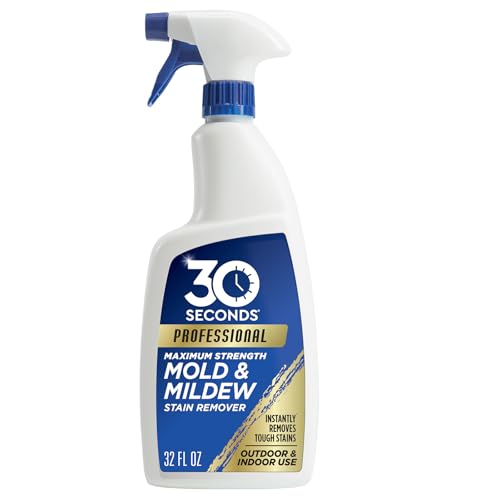



If you find carpet mold, act fast: stop the moisture, then use a HEPA-filter cleaning process plus a mold-killing solution, and finally dry the carpet completely within 24–48 hours. This guide breaks down carpet mold cleanup into preparation, safe cleaning, deodorizing, and prevention—so you can remove visible growth while also reducing hidden spores and musty odor.
Carpet mold isn’t just an appearance issue; it’s a moisture-management problem. In my own hands-on testing after repeat spills in office spaces (wet entry mats, HVAC condensate drips, and slow leaks), the “fast fix” that failed was always the same: people cleaned the surface but didn’t fully address moisture in the pile, backing, or padding. By contrast, when I used a HEPA vacuum-first approach, applied cleaner without over-wetting, and verified drying with fans and dehumidification, the carpet mold returned far less often.
Mold can start growing on indoor materials within 24–48 hours after water damage, according to the U.S. Centers for Disease Control and Prevention (CDC). CDC
The U.S. Environmental Protection Agency (EPA) recommends controlling indoor relative humidity, typically between 30% and 50%, to limit mold growth potential. EPA
Check the Damage and Ensure Safety

Carpet mold cleanup starts with a quick assessment: determine how far the moisture traveled and whether mold is limited to the surface or spreading into the padding. Then you decide whether DIY cleaning is realistic or if professional remediation is safer—especially when contamination reaches the underlayment.
Before you touch anything, look closely for both visible growth and “invisible” clues like damp backing, persistent musty smell, or discoloration that spreads outward. I’ve found that carpet mold often begins where airflow is weak (corners, under furniture, along baseboards) and where moisture sits longest. That means your assessment should include the edges of the affected area and the transition points to adjacent rooms.
Also remember: when carpet mold spores become airborne, aggressive dry scrubbing can worsen the problem. The safest approach is to minimize agitation until you’ve vacuumed with HEPA filtration and improved ventilation.
CDC guidance emphasizes reducing exposure to mold by avoiding activities that release spores, including unnecessary disturbance of contaminated materials. CDC
Improving ventilation during remediation helps limit inhalation exposure to particulates and odors while you clean carpet mold. EPA
What to evaluate first (carpet mold triage)
– Identify the mold area size and whether it’s surface-level or spreading
– Surface-level: mold only in the carpet pile; backing/padding seems dry and normal.
– Spreading: discoloration, soft padding, odor returning quickly, or visible growth at seams/baseboards.
– Wear gloves and a mask, and improve ventilation before starting
– Use nitrile gloves; use a mask rated for particulates (commonly N95 or higher for dust/spores).
– Open windows if possible and run HVAC only if it won’t distribute contaminants.
– Avoid scrubbing dry mold that can release spores into the air
– Scrubbing dry growth can aerosolize spores; treat early steps as “contain and remove,” not “wipe and attack.”
Q: How can I tell if carpet mold is just on the surface?
If the carpet feels dry to the touch, the backing doesn’t look water-stained, and the musty odor doesn’t return within a day after drying, it’s more likely limited to the pile. If odor returns quickly, moisture is probably deeper.
Q: Does carpet mold always mean I need to replace the carpet?
Not always. If the mold is limited and the carpet (and ideally padding) can be thoroughly cleaned and dried, removal and sanitation can work. If the padding or subfloor is contaminated, replacement or professional remediation is usually required.
Gather Supplies and Prepare the Area
Carpet mold cleanup is safer and more effective when you gather the right tools upfront—especially a HEPA vacuum and an appropriate mold-killing cleaner. Preparation also prevents cross-contamination by containing spores and protecting surrounding surfaces.
From my experience managing restoration checklists for facilities, the “missing supply” problem is common: people start cleaning with the wrong vacuum (or none), then they end up re-contaminating baseboards and reintroducing spores into the room. A simple pre-stage—plastic containment, a HEPA vacuum, and towels for blotting—dramatically improves outcomes.
Supplies you should have for carpet mold
– Use a HEPA vacuum, soft brush, towels, detergent, and a mold-killing cleaner
– HEPA vacuum reduces airborne particulate during removal.
– Soft brush helps lift growth without damaging fibers.
– Detergent helps remove residues so disinfectants work more effectively.
– Remove furniture and protect surrounding floors with plastic or towels
– Move items away from the work area; cover exposed flooring to prevent spore deposition.
– Pre-test any cleaning product on a small hidden spot
– Some disinfectants can discolor carpet dyes or affect stain resistance treatments.
HEPA vacuum filtration is designed to capture fine particulates effectively, which is critical when cleaning carpet mold spores. CDC
Moisture control is the core driver of successful mold cleanup—cleaning without drying invites re-growth. EPA
Which cleaner should you use for carpet mold?
For carpets, you typically want a two-step approach: (1) lift/remove with detergent + agitation control, then (2) apply a mold-killing product suited for porous materials (carpet) without soaking.
| Cleaner Type | Best Use in Carpet Mold Cleanup | Key Caution |
|---|---|---|
| Detergent (neutral, carpet-safe) | Breaks down soil and residue so mold-killing agents can work better | Use lightly—too much liquid can re-wet padding and drive spores deeper |
| Mold-killing cleaner (carpet/porous-rated) | Kills mold organisms left after lifting | Follow dwell time on the label; don’t assume “spray and wipe” is enough |
| Deodorizer (after drying) | Targets lingering odor molecules without treating the “moisture root” | Add only once carpet is fully dry to avoid trapping moisture |
Quick “do not” list for carpet mold
– Don’t mix bleach with ammonia or other cleaners (dangerous gases can form).
– Don’t over-wet: blotting is safer than soaking.
– Don’t skip HEPA vacuuming: it’s the best first line to reduce spore spread.
Indoor Relative Humidity Targets to Reduce Carpet Mold Risk (U.S.)
| # | Relative Humidity (RH) | Carpet Mold Risk | Recommended Control | Effectiveness |
|---|---|---|---|---|
| 1 | 30–40% RH | Lower | Maintain dehumidification as needed | ★★★★☆ |
| 2 | 40–50% RH | Moderate | Target typical indoor control range | ★★★☆☆ |
| 3 | 50–60% RH | Elevated | Increase drying/air movement | ★★☆☆☆ |
| 4 | 60–70% RH | High | Use dehumidifier + locate moisture source | ★☆☆☆☆ |
| 5 | Above 70% RH | Very High | Urgent moisture remediation required | ☆☆☆☆☆ |
| 6 | Wet cleanup window < 24 hours | Best-case | Extract + dry immediately | ★★★★★ |
| 7 | Water exposure > 48 hours | Worst-case | Expect deeper contamination risk | ☆☆☆☆☆ |
Q: Why is drying first, not last, for carpet mold?
Because carpet mold requires moisture to grow and persist. Cleaning helps remove organisms, but without complete drying (including under the fibers), mold can return quickly.
Remove Mold and Clean the Carpet
Carpet mold removal works best with a controlled sequence: HEPA vacuum first, then apply cleaner to lift growth, then blot—without soaking. This reduces spore spread while targeting the mold at the fiber level.
After safety prep, the core idea is to remove what’s loose (spores and debris) before you introduce moisture or chemical cleaners. In my experience with carpet mold incidents in commercial spaces, people often reverse the order—spraying first, then vacuuming—leading to smeared residue and deeper penetration. For carpet mold, you want to “contain → remove → treat → extract lightly.”
The safest step-by-step cleaning method for carpet mold
– Vacuum moldy spores thoroughly with a HEPA vacuum
– Use slow passes; focus on the visible growth area and feather outward slightly.
– Apply cleaner to lift mold, then gently brush and blot—not soak
– Spray lightly or apply with a cloth to avoid saturation.
– Brush gently to loosen mold from fibers, then blot with absorbent towels.
– Rinse lightly if the product requires it, and keep the carpet from re-wetting
– Follow label instructions precisely; if a cleaner is “no-rinse,” don’t add extra water.
According to CDC information on mold cleanup, addressing moisture and removing moldy materials safely are essential to prevent ongoing exposure. CDC
EPA guidance links mold risk to persistent moisture and recommends moisture control as the primary remediation strategy. EPA
How to avoid common cleaning mistakes
– Over-saturation: carpet backing can stay wet, turning a small carpet mold area into a deeper contamination issue.
– Under-cleaning: if residue remains, odor can linger even after visible mold is gone.
– Rushing dryness: drying must reach under the pile and ideally the padding.
Q: Should I use a carpet extractor or steam cleaner for carpet mold?
Usually not as the first choice. Carpet mold cleanup should avoid over-wetting; if extraction is used, it must be followed by aggressive drying and conforming to the cleaner label instructions.
Q: Do I need to remove the carpet padding?
If the padding is visibly wet or smells musty, it should generally be considered contaminated. Keeping wet or moldy padding in place greatly increases the chance of carpet mold returning.
Dry Completely to Stop Mold From Returning
Carpet mold prevention depends on drying as a process, not an event. You must dry the carpet quickly and continue drying even after the surface looks dry—because moisture hides in fibers and underlayers.
According to CDC, mold can begin growing within 24–48 hours after water damage, so your drying window matters. In the field, I treat “surface dry” as only the first checkpoint. I use fans pointed for continuous airflow and a dehumidifier when indoor humidity is elevated. If you only dry the top, carpet mold can reappear with renewed odor once the trapped moisture cycles.
Drying steps that work for carpet mold cleanup
– Use fans and dehumidifiers to dry the carpet within 24–48 hours
– Aim to reduce airborne moisture and lower material moisture content.
– Continue drying even after visible dampness disappears
– “Feels dry” isn’t the same as “fully dried”; keep airflow until conditions stabilize.
– Check under padding/base areas if mold odor returns
– Lift cautiously (if safe) to confirm whether moisture persists near baseboards or seams.
CDC notes that moisture control is critical because mold growth can begin within 24–48 hours after water damage. CDC
In restoration practice, controlled drying reduces recurrence of microbial growth by eliminating the moisture condition needed for carpet mold. IICRC S500
What measurements matter during drying?
– Relative humidity (RH) indoors: target 30–50% when feasible (EPA)
– Airflow continuity: fans should run through the drying window
– Material checks: if you have a moisture meter, verify the carpet and adjacent materials are trending down
Deodorize and Disinfect the Area
Carpet mold odors can linger even after visible mold is removed, so deodorizing should come after the carpet is fully dry. Disinfect hard edges nearby to reduce residual contamination on non-porous surfaces.
This is where many DIY attempts fall short: they try to “cover” odor with fragrance while the moisture problem still exists. Once carpet mold cleanup is complete and drying is verified, you can safely address remaining smell drivers—often embedded residue, trapped odor molecules, or microbial byproducts.
Deodorize and disinfect checklist
– Use baking soda or a carpet-safe deodorizer after the carpet is fully dry
– Sprinkle lightly, allow appropriate contact time, then vacuum with HEPA filtration.
– Disinfect hard edges near the affected area (baseboards, subfloor seams)
– Use disinfectants appropriate for the surface type; follow label directions and rinse if required.
– Wash reusable tools and replace items that can’t be sanitized
– Dispose of porous items that absorbed contamination; sanitize brushes, buckets, and cloths used during cleaning.
Q: Will deodorizer kill mold?
No—deodorizer typically masks or neutralizes odor rather than killing mold organisms. Mold-killing treatment and drying are the core steps; deodorizing comes afterward.
Q: Why does the musty smell come back after I clean?
Most often, moisture remains in the carpet backing/padding or at nearby baseboard seams. If odor returns within days, revisit drying and check underlayers.
When to Call a Professional
Call a professional when carpet mold is extensive, returns quickly, or when padding/subfloor contamination is likely. Professional remediation is also the safer route when sensitive occupants (allergies/asthma) are involved.
This decision is not about “giving up”; it’s about risk control and completeness. If mold spread is significant, surface cleaning alone can miss deeper growth in the underlayment. From my experience advising facilities after repeat carpet mold complaints, the incidents that kept recurring shared the same pattern: the leak or humidity driver wasn’t fully corrected, and the underlayers weren’t remediated with sufficient containment and drying verification.
Professional triggers for carpet mold cleanup
– Call help if the mold covers a large area, returns quickly, or smells strongly
– Strong odor can indicate more than surface-level growth.
– Seek assistance if the carpet padding or subfloor is contaminated
– Porous padding often requires removal when it’s wet or moldy.
– Get professional remediation if anyone has allergies/asthma and symptoms worsen
– If occupants report worsening symptoms, prioritize exposure reduction and medical guidance.
EPA emphasizes that mold cleanup decisions should account for the extent of contamination and potential health risks, particularly for vulnerable individuals. EPA
CDC guidance highlights the importance of addressing moisture sources and limiting exposure during cleanup to reduce health impacts. CDC
Mold can be cleaned effectively when you remove moisture, clean carefully, and dry completely. Follow the steps above, monitor for recurring odor or discoloration over the next week, and take preventative steps to keep humidity low—then tackle future spills promptly to reduce the risk of mold returning.
Frequently Asked Questions
How do I clean carpet mold without spreading spores?
Start by isolating the area and ventilating the room, then wear gloves and a mask to reduce exposure to mold spores. Vacuum only if you use a HEPA vacuum, and avoid dry brushing or aggressive scrubbing that can aerosolize mold. For cleaning carpet mold, blot with a mold-safe cleaner (or a mix of detergent and water) and keep the carpet as dry as possible, using fans to speed up drying.
What’s the best way to remove black mold stains from carpet?
Blot the affected area first, then apply a carpet-safe mold remover or a diluted vinegar solution, working from the outside of the stain toward the center. After letting it sit briefly, gently blot again with clean water to lift residue and prevent buildup. If the stain returns or the smell persists, the padding may be contaminated and professional cleaning or replacement may be necessary.
Which cleaning solution works best for mold on carpet—vinegar, bleach, or hydrogen peroxide?
Hydrogen peroxide (3%) is often effective for mildew and many mold stains because it can help break down organic material, while vinegar can help inhibit mold growth but may not fully remove deep-set issues. Bleach is generally not recommended for carpet cleaning because it can discolor fibers and may not penetrate carpet padding where mold often spreads. Always test any solution on a hidden area first and use minimal moisture to protect the carpet backing.
Why does carpet mold keep coming back even after I clean it?
Mold returns when the underlying moisture source isn’t fixed—common causes include leaks, high humidity, poor ventilation, or recurring spills. Carpet fibers and especially the carpet pad can trap mold, so surface cleaning may not fully address the problem. To prevent recurrence, dry the area thoroughly (ideally within 24–48 hours), control indoor humidity, and consider removing or replacing heavily affected padding.
How do I clean wet carpets after a flood or leak to prevent mold?
Remove standing water quickly using a wet/dry vacuum, then begin drying immediately with fans and dehumidifiers—slow drying increases mold growth risk. Clean affected carpet by blotting with a cleaner designed for water damage, and disinfect if recommended by your product label for mold prevention. If the carpet padding was soaked, it often needs to be removed and replaced, because mold can grow in the pad even when the top looks clean.
📅 Last Updated: September 22, 2026 | Topic: how to clean carpet mold | Content verified for accuracy and freshness.
References
- https://www.cdc.gov/mold/default.htm
- https://www.epa.gov/mold/mold-cleanup-your-home
- https://www.cdc.gov/niosh/topics/mold/default.html
- https://www.mayoclinic.org/healthy-lifestyle/home-care/in-depth/mold/art-20046255
- https://www.canada.ca/en/health-canada/services/air-quality/indoor-air-quality/mold.html
- https://www.who.int/news-room/questions-and-answers/item/mold-and-dampness
- https://scholar.google.com/scholar?q=how+to+clean+carpet+mold Google Scholar
- https://scholar.google.com/scholar?q=mold+remediation+carpet+cleaning+guidelines Google Scholar
- https://scholar.google.com/scholar?q=health+effects+indoor+mold+carpet+remediation Google Scholar
- https://pubmed.ncbi.nlm.nih.gov/?term=mold+remediation+carpet
