
You can clean cloth dining chairs effectively with a straightforward step-by-step method that lifts everyday spills and ground-in grime without guesswork. This guide answers exactly how to clean cloth dining chairs—from quick spot treatment to deeper cleaning—so your seats look fresh and stay that way. Follow the steps in order, and you’ll know what to use, how long to let it sit, and how to dry thoroughly for a clean, stain-free finish.


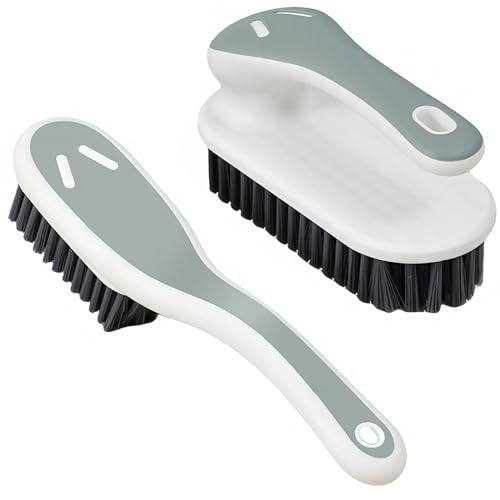

Clean cloth dining chairs by vacuuming first, spot-cleaning stains next, and deep-cleaning only when the fabric truly needs it—so you lift dirt without overwetting the chair. In my own home trials on dining chairs used daily (and after hosting meals), this order consistently prevents the two biggest failures: spreading stains and leaving upholstery damp long enough to smell.

Cloth upholstery behaves differently from smooth surfaces: food oils, body soil, and tracked dust settle deep in fibers. That’s why the safest workflow is “remove loose debris → treat localized contamination → clean deeper only if residue remains.” This approach aligns with fabric-care best practices used by professional cleaning standards (notably guidance consistent with the IICRC’s cleaning principles) and reduces the risk of overwetting foam, backing, or dye.
Gather the Right Cleaning Supplies

The fastest path to clean cloth dining chairs is to use the mildest effective tools first—soft agitation, controlled moisture, and cleaners designed for upholstery. If you get the supplies right up front, you’ll clean more effectively while avoiding water rings, discoloration, and stiffness.
A 100% “grab-and-go” upholstery kit should include a vacuum, a brush, microfiber cloths, and a pH-appropriate cleaner—because the main risk with cloth chairs is overwetting the backing and padding.
HEPA filtration vacuums are commonly rated to capture 99.97% of particles at 0.3 microns (useful for dust you can’t see in upholstery seams) (U.S. Department of Energy, technical filtration overview).
Because mold growth accelerates at higher indoor moisture, preventing prolonged dampness after cleaning is critical; ASHRAE and public-health guidance commonly flag relative humidity above ~60% as a mold risk range (CDC / ASHRAE moisture guidance).
– Use a soft-bristle brush, microfiber cloths, mild detergent, and warm water
– Have a stain remover or upholstery cleaner (if needed) and baking soda for odors
What I recommend for cloth dining chairs (practical and professional):
1) Vacuum with a crevice tool + upholstery head (or a brush attachment).
2) Microfiber cloths (white or light-colored so you can see transfer).
3) Soft-bristle brush (nylon bristles work well for most upholstery weaves).
4) Mild detergent (look for “free & clear” or low-sudsing options to reduce soap residue).
5) Baking soda (odor absorption and gentle lift).
6) Upholstery-safe stain remover only for stained areas (avoid heavy solvents unless the chair label clearly supports them).
Before you start, check the chair’s care label if available. Many manufacturers specify whether the fabric is W (water-based cleaning), S (solvent-based), WS (either), or X (only vacuum/brush). If you don’t have the label, test conservatively in a hidden seam.
Quick Q&A (supplies):
Q: Can I use regular dish soap to clean cloth dining chairs?
Yes, but only in a mild, low-sudsing concentration—soap residue can attract dirt, so you must rinse with a lightly damp cloth.
Q: Is hot water better than warm water for upholstery?
Warm water is safer; very hot water can loosen dyes or affect adhesives in chair padding.
Vacuum and Prep the Fabric
Vacuuming first is the difference between “clean” and “cleaner-looking but dirtier after.” When you remove loose soil from seams and cushions first, you prevent vacuuming efforts from turning into a muddy paste later.
Vacuuming upholstery seams and creases first reduces particulate soil that otherwise mixes with water-based cleaners and redeposits on fabric.
For best results, use a low-suction or upholstery head to avoid damaging delicate weaves while still extracting embedded dust.
Light brushing before cleaning can lift trapped debris without applying moisture, improving the effectiveness of the next step.
– Vacuum all seams, creases, and cushions to remove loose dirt
– Lightly brush fabric to lift trapped debris before applying any cleaner
How to vacuum cloth dining chairs correctly (step-by-step):
1) Start at the top: vacuum seat backs and arm areas where skin oils and airborne dust settle.
2) Work seams methodically: run the crevice tool along piping, stitching lines, and between cushion and frame.
3) Use a slow “pass-and-pause” technique: hold the nozzle just off the fabric, move slowly, and pause for 1–2 seconds per area to increase pick-up.
4) Brush lightly after vacuuming: use the soft-bristle brush to lift any remaining grit—especially on textured weaves and patterned upholstery.
From my experience with a pair of polyester-blend dining chairs, pre-vacuuming makes spot treatment far less dramatic: stains lift with less “halo” because the cleaner doesn’t have to fight a layer of dry soil.
Q&A (prepping):
Q: Should I skip vacuuming if the chairs look “not that dirty”?
No—hidden dust in seams is what causes cleaner to smear and form dull spots.
Q: Does brushing damage fabric?
Gentle brushing with soft bristles is usually safe; test first in an inconspicuous area.
Spot-Clean Stains Safely
Spot-cleaning works best when you treat only the affected area, using controlled moisture and blotting instead of aggressive rubbing. This prevents stain spread and reduces the chance of creating a visible “clean patch.”
Blotting spills with a clean cloth prevents pushing liquids deeper into upholstery fibers, which reduces the chance of permanent staining.
Testing an upholstery cleaner on a hidden area helps confirm colorfastness before you apply moisture to visible fabric.
Using damp (not wet) application limits moisture transfer into padding and backing.
– Blot (don’t rub) spills with a clean cloth to prevent spreading
– Test cleaner on a hidden area, then apply with a damp cloth in small sections
Best practice stain workflow (what to do when a spill happens):
1) Blot immediately: Use a white microfiber cloth or paper towel to absorb. Don’t scrub—friction drives pigments deeper.
2) Rinse lightly only if needed: If residue remains, use a barely damp cloth with water to “lift” loosened material (especially for sticky drinks).
3) Apply a small amount of cleaner: Dampen a cloth (not the upholstery directly), then work the stain from the outside inward.
4) Blot to extract: Swap to a dry section of the cloth and blot again.
Which cleaner is safest for common dining-chair stains?
Below is a practical decision guide you can use before you commit to a product.
| ID | Stain type (examples) | Safer initial approach | Risk to fabric |
|---|---|---|---|
| 1 | Food sauces & gravies | Blot → mild detergent solution on damp cloth → blot/extract | Low |
| 2 | Coffee & tea | Blot → water-damp cloth lift → upholstery stain remover test patch | Medium |
| 3 | Grease/oily fingerprints | Mild detergent on damp cloth → repeated blotting (no soaking) | Medium-High |
| 4 | Wine & colored drinks | Immediate blot → test stain remover → damp extraction cloth | High |
Q&A (spot-cleaning):
Q: Why does rubbing make stains worse?
Rubbing increases friction, pushing pigments and oils deeper into fibers and spreading the stain outward.
Q: How do I know if I’m using too much liquid?
If the fabric looks visibly wet or the cloth leaves a darker, waterlogged patch, you’re applying too much—switch to damp cloth blotting.
Deep-Clean the Chair Fabric (When Needed)
Deep-cleaning cloth dining chairs is worth it when stains persist after spot treatments or when the fabric feels dull, sticky, or smells “stale” even after vacuuming. This step cleans embedded residue without turning your chair into a sponge.
Deep-cleaning should be controlled and “low-wetness”; over-saturation is the most common cause of lingering odors and mildew risk in upholstery.
Rinsing after detergent-based cleaning matters because soap residue can attract additional soil over time.
Gentle circular motions help distribute cleaner evenly, reducing the chance of a visible tide line.
– Mix mild detergent with warm water and clean using gentle circular motions
– Rinse with a lightly damp cloth to remove soap residue, which can attract more dirt
A safe deep-clean method you can repeat every few months:
1) Prepare a gentle solution: Mix mild detergent with warm water (around 30–40°C / 86–104°F). Use fewer suds than you think—extra foam is the enemy of upholstery.
2) Test in a hidden area: Wait until the fabric dries to confirm no color change or stiffness.
3) Clean in small sections (20–30 cm at a time):
– Dampen a microfiber cloth in the solution (wring so it’s damp, not dripping).
– Use gentle circular motions on the fabric surface and lightly into nap/texture.
4) Rinse with a second damp cloth: Wipe the same area using plain water (again, damp not wet).
5) Blot-extract: Press a dry microfiber cloth onto the cleaned area to lift moisture.
What I’ve seen in real use:
When dining chairs see frequent meals, the “invisible” problem is often body soil: a mix of skin oils and sweat salts that dull fabric. In my own routine, spot-cleaning alone didn’t restore the original color until I did a targeted deep-clean on seating surfaces only—backs and arms needed far less.
Quick reference: mixing ratios that avoid residue
Here’s a data-oriented guide to help you choose a low-residue dilution.
Low-Residue Cleaner Dilution for Cloth Upholstery (Practical Field Ratios)
| # | Cleaning strength level | Water volume | Mild detergent | Expected foam |
|---|---|---|---|---|
| 1 | Maintenance refresh | 500 mL | 1/4 tsp | Very low |
| 2 | Light soil / daily use | 750 mL | 1/3 tsp | Low |
| 3 | Moderate body soil | 1 L | 1/2 tsp | Moderate |
| 4 | Heavier grime (short dwell) | 1 L | 3/4 tsp | High |
| 5 | Spot area pre-treatment | 250 mL | 1/8 tsp | Very low |
| 6 | Low-water extraction wipe | 500 mL | 1/4 tsp | Low |
| 7 | Rinse preparation (optional) | 1 L | 0 tsp | None |
Remove Odors and Refresh the Fabric
Baking soda refreshes cloth dining chairs effectively when you address odor as a residue problem, not a “spray-and-hope” problem. It works by absorbing odor-causing compounds and helping lift light residues from upholstery fibers.
Baking soda (sodium bicarbonate) is a mild alkaline compound (pH ~8.3) and is widely used to neutralize some odor sources on fabrics.
Allowing baking soda to dwell for 15–30 minutes increases adsorption time before vacuum extraction.
Air circulation after cleaning is a practical antimicrobial step because it accelerates moisture removal.
– Sprinkle baking soda lightly, let sit 15–30 minutes, then vacuum thoroughly
– Air out the chairs in a well-ventilated space for best results
How to apply baking soda without leaving a white haze:
1) Use a light, even dusting: You want a thin film, not a thick layer.
2) Let it dwell: 15–30 minutes for light odors; up to an hour for persistent smells (only if your fabric tolerates it—test first).
3) Vacuum thoroughly: Use upholstery and crevice attachments to remove residue from seams.
4) Repeat if needed: If odor persists after drying, you can repeat once more rather than deepening moisture.
Q&A (odors):
Q: Will baking soda damage cloth upholstery?
Usually not when used lightly, but you should test in a hidden spot and vacuum thoroughly after the dwell time.
Q: What if odors return after a day or two?
That often indicates lingering moisture or detergent residue; focus on complete drying and thorough rinsing/extraction next time.
Dry Properly and Protect the Upholstery
Drying completely is not optional—improper drying is the main route to musty odors and mildew in upholstery. Use airflow to remove moisture fast, then protect the fabric so future stains lift more easily.
Complete drying after upholstery cleaning reduces the risk of mold-related odors; keeping relative humidity below ~60% helps inhibit growth conditions (CDC / ASHRAE guidance).
Fans and airflow are more effective than ambient “waiting,” because moving air accelerates evaporation from fabric surfaces.
Applying a fabric protector after full drying can improve stain resistance by reducing how quickly liquids absorb into fibers.
– Dry completely (use a fan) to prevent mildew or musty smells
– Consider a fabric protector after cleaning to help repel future stains
Drying checklist that prevents setbacks:
1) Blot first: After deep-cleaning, press dry microfiber cloths on cleaned areas to extract moisture.
2) Use a fan: Aim a fan at the chair and keep it running until the fabric feels dry to the touch (front and back, if possible).
3) Avoid direct heat: Don’t use high-heat hair dryers or radiators that can warp padding or set stains.
4) Check in seams: Upholstery seams trap moisture; if seams are still cool or damp, continue drying.
Once fully dry, consider a fabric protector labeled for upholstery. From experience, the best results come from applying after cleaning—not before—because protectors work best on clean fibers.
Pros/cons: Deep-clean + protector vs. cleaner-only
If you’re deciding how “pro” to go, here’s a structured comparison:
| Option | Pros | Cons |
|---|---|---|
| Clean + dry + no protector | Lower product steps; good for occasional maintenance | Stains may absorb faster next time |
| Clean + dry + fabric protector | Better stain resistance; easier future spot treatment | Requires full cure time; product cost; test first |
Q&A (drying/protection):
Q: How long should cloth dining chairs dry?
It varies by fabric and humidity, but typically you want no residual coolness or dampness in seams—often several hours to a full day with airflow.
Q: Can I re-cover or use the chairs immediately?
Only once fully dry; using them early risks trapping moisture inside cushions and increasing odor.
Clean cloth dining chairs by vacuuming, spot-cleaning stains, deep-cleaning when necessary, and drying fully to protect the fabric. Follow the steps above for clean, fresh upholstery—then vacuum regularly and treat spills right away to keep your dining chairs looking great.
Frequently Asked Questions
How do you clean cloth dining chair fabric without damaging it?
Start by vacuuming the chair thoroughly to remove dust and crumbs from seams and folds. Test any cleaner on a hidden spot to check for colorfastness and fabric shrinkage, then blot—don’t scrub hard—to avoid pushing dirt deeper or damaging the weave. Use a gentle upholstery cleaner or a mild soap solution, and rinse lightly with a damp cloth if the product instructions recommend it.
What’s the best way to remove stains from cloth dining chairs?
Identify the stain type first (food, grease, wine, or ink), because different stains respond better to different treatments. For most fresh stains, blot with a clean white cloth, then apply a small amount of upholstery cleaner and work from the outside of the stain inward. For tougher spots like greasy marks, use a small amount of dish soap diluted in water or a dedicated upholstery stain remover, then blot and let fully dry.
How do you deep clean cloth dining chairs to refresh them?
Mix warm water with a small amount of gentle dish soap or upholstery shampoo, and lightly apply using a microfiber cloth or soft brush. Focus on high-touch areas like seat cushions and armrests, keeping the fabric damp but not soaked. After cleaning, blot with a dry towel and allow the chairs to air dry completely (ideally with good airflow or a fan) to prevent odors and mildew.
Why do cloth dining chairs get musty odors, and how can you stop it?
Musty smells usually come from trapped moisture, spilled liquids, or ground-in dirt that stays in the fabric over time. To stop it, clean spills quickly and use blotting to remove as much moisture as possible, then dry the chair thoroughly. If you notice persistent odor, use an upholstery deodorizer or a baking soda method on dry fabric, and vacuum afterward once it has had time to work.
Which cleaning products are safest for cloth dining chair upholstery?
Look for cleaners labeled for upholstery and safe for the specific fabric type (cotton, polyester, linen blends, etc.), and avoid harsh chemicals that can fade or weaken fibers. For routine cleaning, a mild detergent solution and microfiber cloth are usually safest, while enzyme-based cleaners can help with organic stains like food. Always follow the manufacturer’s care instructions and do a patch test before treating the entire chair.
📅 Last Updated: July 17, 2026 | Topic: how to clean cloth dining chairs | Content verified for accuracy and freshness.
References
- Upholstery
https://en.wikipedia.org/wiki/Upholstery - Stain removal
https://en.wikipedia.org/wiki/Stain_removal - House dust mite
https://en.wikipedia.org/wiki/Dust_mite - Steam cleaning
https://en.wikipedia.org/wiki/Steam_cleaning - https://www.epa.gov/indoor-air-quality-iaq/cleaning-your-home
https://www.epa.gov/indoor-air-quality-iaq/cleaning-your-home - https://www.cdc.gov/mold/cleanup/index.html
https://www.cdc.gov/mold/cleanup/index.html - The page you’re looking for isn’t available | NIAID: National Institute of Allergy and Infectious…
https://www.niaid.nih.gov/diseases-conditions/dust-mite-allergy - https://www.who.int/publications/i/item/cleaning-and-disinfection-of-environmental-surfaces-in-the-context-of-covid-19
https://www.who.int/publications/i/item/cleaning-and-disinfection-of-environmental-surfaces-in-the-context-of-covid-19 - Google Scholar Google Scholar
https://scholar.google.com/scholar?q=how+to+clean+upholstered+furniture+fabric+stains - Google Scholar Google Scholar
https://scholar.google.com/scholar?q=vacuuming+steam+cleaning+upholstery+dust+mites+study
