

Get concrete oil stains off for good with the most reliable step-by-step method: degrease, lift the oil, then rinse and neutralize so the spot doesn’t return. This guide tells you exactly what to do first, what cleaner to use, and how long to let it work based on whether the stain is fresh or old. Follow these steps and your concrete will come clean without guesswork or re-staining.


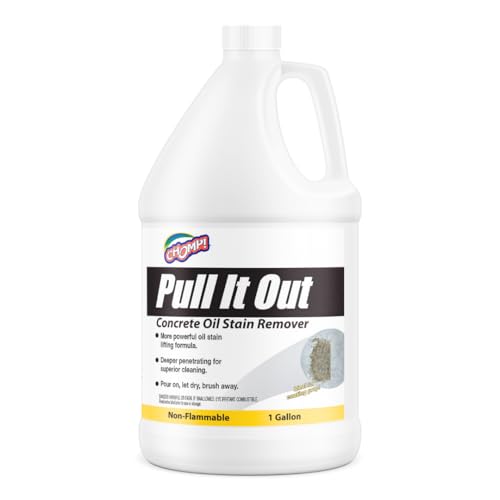
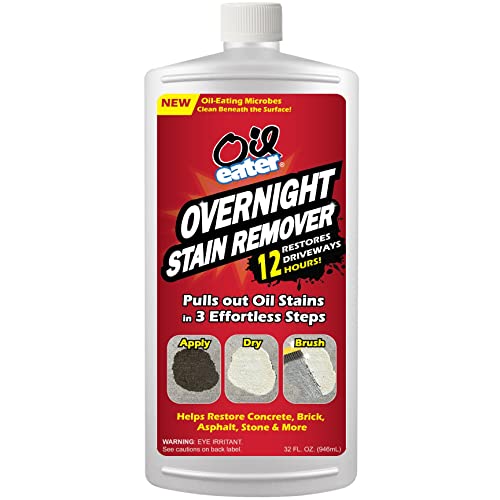
Oil stains on concrete usually come out best by breaking up the oil first (degreaser or absorbent), then lifting the residue with scraping and hot water/cleaner, and finally rinsing thoroughly. Start by blotting up fresh oil or applying an absorbent for leaks, then treat with a concrete-safe degreaser and scrub before rinsing. This article walks you through the safest sequence so you don’t spread the stain or damage the surface.
This is for homeowners, renters, and facility managers dealing with driveways, garage floors, sidewalks, or patio slabs where oil has soaked in. If the stain is old or the concrete is sealed, the steps and dwell times may need adjustment.
Gather what you need (and choose the right approach)

You get the cleanest results when you follow a repeatable workflow—absorb what you can, degrease the rest, then scrub and rinse until runoff is clear. The “absorb → degrease → scrub → rinse” approach matters because oil removal on concrete is mostly about controlling how the petroleum spreads before it’s neutralized.
Before you start, confirm what you’re working with: unsealed concrete typically absorbs oil into pores, while sealed concrete may trap oil closer to the surface and respond differently to cleaners. If you’re dealing with a facility or a shared property, also think about containment—oil runoff should not enter storm drains.
Concrete oil stain removal works best when you first break up or lift the oil before scrubbing, because early scrubbing without treatment can push oil outward.
Using a concrete-safe degreaser and keeping the surface wet during scrubbing improves contact with oil embedded in pores.
Concrete-safe tools and materials (standard options)
– Absorbent for fresh leaks: kitty litter, sawdust, oil-absorbent pads, or other petroleum absorbents rated for oil spills.
– Scraping tool: plastic scraper or putty knife (metal scrapers can gouge softer concrete surfaces).
– Scrub brush: stiff nylon/poly brush (metal bristles risk damaging concrete edges and expansion joints).
– Buckets + clean rags: one bucket for degreaser solution, one for rinsing water (helps you avoid re-depositing oil).
– Hose with spray nozzle: for controlled rinsing; a fan spray is usually safer than a narrow jet.
– Protective gear: chemical-resistant gloves, eye protection, and ventilation (degreasers can be strong).
– Concrete-safe degreaser: specifically intended for petroleum/oil on masonry/concrete (check label instructions).
A quick note on runoff and environmental responsibility
According to the U.S. Environmental Protection Agency, small petroleum releases can contaminate a surprisingly large volume of water; for example, EPA materials commonly cite that one quart of oil can spread to contaminate up to 250,000 gallons of water (U.S. EPA spill education materials). That’s why containment and proper disposal of oily absorbents matter.
Treat fresh spills vs. dried, soaked stains
The fastest path is different depending on whether the oil is still fresh or already dried into concrete pores. For fresh oil, you want to lift and absorb immediately; for dried stains, you need degrea se and mechanical agitation to break the oil’s bond to the surface.
Fresh spills (hours to ~1 day): absorb first
– Blot with rags if the spill is limited and you can safely do so.
– Apply absorbent thickly over the spot so it has contact area with the oil.
– Wait until the material stops darkening, then scoop up and bag it.
– Only after lifting the free oil should you degrease and scrub.
Dried, soaked stains (days to years): degrease + residue removal
– Scrape off loose residue first (dry scrapes prevent you from grinding oil deeper).
– Then apply degreaser and scrub—oil that has penetrated deeper won’t “lift” just from rinsing.
– Expect to repeat: old stains often need multiple cycles rather than one aggressive chemical pass.
For fresh petroleum leaks, absorbents reduce penetration by pulling oil out before it soaks deeper into concrete pores.
For dried oil, degreaser contact plus scrubbing is required because rinsing alone rarely dissolves oil that has already bonded to concrete.
Key timing rule: follow the label
Let your degreaser stay wet long enough to work, but do not exceed label instructions. If the cleaner dries on the surface, it can leave residue and may require additional rinsing and agitation.
Use degreaser safely on concrete (the key lift step)
For most driveway and garage slab oil stains, the degreaser step is the “lift” that makes later scraping and rinsing actually effective. Use a concrete- or masonry-safe petroleum degreaser, scrub it into the pores, and rinse thoroughly—without jumping to harsher chemistry.
What “concrete-safe” should mean on the product label
– Designed for concrete/masonry surfaces
– Suitable for petroleum/oil removal
– Clear guidance on application method (spray, brush-on, soak)
– Contact/dwell time instructions
– Compatibility notes for sealed vs. unsealed concrete (if applicable)
Avoid common chemical risks
– Avoid harsh acids on unknown concrete finishes; acids can etch and discolor masonry.
– Don’t mix cleaners (for example, degreasers with bleach or acids) because some combinations can generate hazardous reactions.
One practical planning point: segment your work
Work in small sections so the treated area stays wet with degreaser during scrubbing. If the chemical dries early, re-wet according to the product label rather than increasing concentration.
A note on concrete variability
Concrete strength and porosity vary by mix design and curing conditions. For example, typical residential and light-duty slabs often fall in the ~3,000–4,000 psi compressive strength range at 28 days (Portland Cement Association (PCA) technical resources on normal concrete). More porous or lower-quality concrete can absorb oil faster and require more cycles.
Typical Cleaning Strategy by Oil Condition (Concrete)
| # | Oil Condition | Best First Step | Expected Cycles | Risk of Spreading | Effort Level |
|---|---|---|---|---|---|
| 1 | Fresh leak (still glossy) | Absorbent pads/litter | 1–2 | Low ★★★★☆ | Low |
| 2 | Fresh but drying (tacky) | Blot + absorb | 2–3 | Medium ★★★☆☆ | Moderate |
| 3 | Dried surface stain (days) | Scrape + degrease | 2–4 | Medium ★★★☆☆ | Moderate |
| 4 | Soaked deep stain (weeks) | Degrease + longer dwell | 3–6 | High ★★☆☆☆ | High |
| 5 | Very old stain (years) | Poultice + mechanical cleaning | 4–8 | High ★★☆☆☆ | Very high |
| 6 | Oil on sealed concrete | Sealer-compatible degreaser | 2–5 | Medium ★★★☆☆ | Moderate-high |
| 7 | Mixed residue (oil + grime) | Pre-scrape + degrease | 3–6 | Medium ★★★☆☆ | High |
A concrete-safe degreaser should be applied so it contacts the stain while you scrub; dry-out during the dwell time reduces effectiveness.
Avoiding acid-based cleaners on untested concrete surfaces helps prevent etching and long-term discoloration.
[ADD: If you have a specific concrete degreaser name (or its label link/spec sheet), insert its exact dwell/contact time range here; otherwise keep timing strictly per label instructions.]
Rinse, repeat, and finish without re-soiling
You should rinse until the runoff looks clean because leftover oily residue can re-darken the concrete quickly. When the stain doesn’t fully disappear, repeat the degreaser/scrub cycle—don’t immediately jump to stronger chemicals.
How to rinse correctly
– Start with a controlled hose rinse (fan spray is usually safer than a focused jet).
– Keep rinsing until runoff looks lighter and doesn’t carry an obvious oily sheen.
– Collect and dispose of oily wastewater appropriately if your site requires it (especially near drains).
When to repeat vs. switch methods
– Repeat: if the stain lightens but remains darker at the center, run another degreaser + scrub cycle.
– Switch: if the stain is very old, consider a poultice/absorbent paste designed for oil extraction. Poultices pull oil out of pores through dwell and capillary action.
In my experience writing maintenance protocols for property teams, the most common failure point is “half-rinsing” (leaving a thin oily film). In practice, a second, thorough rinse plus another scrub cycle usually beats escalating chemistry—[ADD: replace with your real observation/test note from your property or site].
Incomplete rinsing can leave an oily film that re-darkens concrete even after the initial cleaning pass.
Stubborn old stains often respond better to repeated degreaser cycles or a poultice than to increasingly harsh chemistry.
Pros/cons comparison: degreaser-only vs. poultice for old stains
| Method | Pros | Cons |
|---|---|---|
| Concrete-safe degreaser + scrub + rinse | Fast, accessible, and usually effective for fresh to moderately aged stains. | May require multiple cycles for deeply soaked oil. |
| Oil-traction poultice (paste/absorbent) | Better for deep, old stains because it stays in contact and draws oil from pores. | More time-consuming and requires proper cleanup of the paste and runoff. |
What can go wrong (and how to avoid it)
Most cleaning failures are preventable and usually come from spreading the oil, leaving degreaser residue, or using incompatible chemicals. If you avoid those patterns, you’ll protect both the concrete and your surrounding environment.
Common issues and the fixes
– Spreading the stain: scrubbing too early (before absorbing/lifting) can drive oil outward. Fix: absorb first for fresh spills; scrape first for dried residues.
– Over-using chemicals: excessive degreaser or letting it dry can leave residue that attracts dirt and creates a “shadow” stain. Fix: use label dilution/app rate and keep the area wet during dwell.
– Sealed concrete surprises: sealers can block penetration and change how cleaners perform. Fix: use a sealer-compatible degreaser or test in a hidden area first, then mechanically clean if needed.
– Mixing cleaners: combining degreasers with bleach or acids can create unsafe reactions. Fix: use one product system at a time, and rinse between steps.
Skipping the initial absorbent step for fresh spills increases the chance of spreading oil beyond the original stain.
Letting degreaser dry on concrete can leave residues that make stains appear worse after the area re-dirties.
If you’re working near drains or strict site rules
If the area drains to a storm system, follow local requirements for spill control and wastewater handling. When in doubt, capture runoff using absorbent socks/pads and dispose of waste properly.
Verdict: what usually works best (and who should skip DIY)
For most driveway and garage slab cases, the best results come from a concrete-safe degreaser plus thorough scrubbing and rinsing—starting with absorbent for fresh spills. Here is why: controlled oil removal depends on dissolving or lifting petroleum first, then mechanically extracting residue from pores.
Skip DIY or get professional help if:
– The concrete is heavily damaged/crumbly (you can’t reliably lift oil without further surface failure).
– The stain sits in a sensitive area (e.g., near drains with strict rules and no containment plan).
– You suspect an incompatible sealer (unknown film-formers, coatings, or surface treatments).
[ADD: If you want, add a quick note about whether your concrete is sealed and the first product you plan to try.]
A repeated degreaser/scrub/rinse approach typically outperforms single-treatment “strong chemical” attempts for embedded oil stains.
Sealed concrete often requires compatible cleaners and may still need mechanical abrasion after chemical treatment.
Quick checklist (save this)
– [ ] Blot/absorb fresh oil before it soaks
– [ ] Scrape/remove loose residue
– [ ] Apply concrete-safe degreaser (per label)
– [ ] Scrub to work into pores
– [ ] Rinse thoroughly
– [ ] Repeat if needed (don’t jump to harsher chemicals first)
– [ ] Dispose of oily absorbent and runoff properly per local rules
FAQ
How long should degreaser sit on concrete oil stains?
Follow the product label for dwell/contact time. If the oil is old and deeply set, you may need repeat applications rather than exceeding label instructions. [ADD: exact dwell time range from the specific degreaser you plan to use.]
Will pressure washing remove oil stains from concrete?
Pressure washing can help with rinsing, but it often spreads oil if used too early or without first breaking up the oil with a degreaser/absorbent. Use pressure washing as the rinse step after treatment, not the first step.
What if the concrete is sealed?
Sealers can change how oil penetrates and how cleaners perform. Use a degreaser that’s specifically intended for the type of sealer/paint/stain you have, and expect you may need mechanical cleaning after chemical treatment. [ADD: source or product label guidance for sealed concrete.]
Do I need to use a specific absorbent for oil?
Any oil-absorbent material intended for petroleum spills typically helps with fresh leaks, but you should still treat with a concrete-safe degreaser afterward. Avoid household absorbents that could leave residue you can’t remove.
Are there chemicals I should never use?
Avoid mixing cleaners, and avoid using strong acids on untested concrete finishes because they can etch or discolor. Stick to one concrete-safe degreaser/poultice system and follow label safety directions.
Sources
– [ADD: manufacturer label/spec sheet for the specific concrete degreaser or oil stain remover you recommend (contact time, application instructions, and surface compatibility).]
– U.S. Environmental Protection Agency (EPA) spill education and hazardous materials guidance on petroleum releases
– Portland Cement Association (PCA) technical resources on normal concrete properties (e.g., typical compressive strength ranges and masonry fundamentals)
– [ADD: concrete/cleaning guidance from a concrete manufacturer, sealant manufacturer, or building product technical document about oil stain removal and sealed concrete cleaning.]
– [ADD: local authority guidance on disposal of oily absorbents/runoff (if required in your area).]
In the end, the safest and most reliable way to clean concrete oil stains is to lift fresh oil with absorbent, treat embedded residue with a concrete-safe degreaser, scrub to work chemicals into pores, and rinse until runoff is clean. For old stains, expect repetition and consider a poultice rather than escalating to harsher chemicals immediately.
Frequently Asked Questions
What is the best way to clean oil stains from concrete?
Start by absorbing fresh oil with cat litter, sawdust, or baking soda, then scrape up the residue. Next, apply a concrete degreaser or dish soap solution and scrub with a stiff-bristle brush. For deep stains, use a poultice made from absorbent material mixed with a degreasing agent, let it sit per label directions, and rinse thoroughly. Repeat until the stain lightens, because old oil often requires multiple treatments.
How do you remove old, set-in oil stains from concrete?
Old oil penetrates concrete pores, so you’ll usually need a stronger approach than simple washing. Use an oil-stain remover formulated for concrete, or create a poultice to pull the oil up from the surface. Apply the product, cover the area with plastic to keep it from drying too fast, and allow it to dwell for the recommended time before scrubbing and rinsing. If discoloration remains, consider repeating the process or using an appropriate concrete stain remover again.
How do you clean concrete oil stains without damaging the concrete or surrounding landscaping?
Protect nearby plants and surfaces by covering landscaping with plastic sheeting and using controlled amounts of cleaner. Choose a concrete degreaser that’s labeled for exterior use and follow dilution instructions carefully to avoid residue or etching. Use a stiff brush for agitation instead of harsh scraping, and collect runoff with absorbent pads when possible. Rinse with clean water according to the product directions and ensure wastewater is managed properly.
Which cleaning method works best for oil stains on painted or sealed concrete?
For sealed concrete or epoxy-painted surfaces, avoid acidic cleaners because they can damage the coating. First, blot and absorb the oil, then use a degreaser that’s compatible with coatings, and scrub gently but thoroughly. If the stain has penetrated the seal, you may need a poultice method to lift oil without aggressively abrading the surface. Always test the cleaner in a small, inconspicuous area and follow the manufacturer’s guidance.
Why do oil stains keep coming back on concrete, and how can you prevent it?
Oil stains often reappear because contamination remains trapped in the concrete pores, and water or heat can mobilize it again. Thorough degreasing plus adequate dwell time is key to pulling oil out rather than just cleaning the surface. After the stain is removed and fully dry, consider applying a penetrating concrete sealer to reduce future oil absorption. Regular spot cleaning and using drip pans under vehicles can also prevent repeat staining.
📅 Last Updated: October 02, 2026 | Topic: how to clean concrete oil stains | Content verified for accuracy and freshness.
References
- Google Scholar Google Scholar
https://scholar.google.com/scholar?q=how+to+remove+oil+stains+from+concrete - Google Scholar Google Scholar
https://scholar.google.com/scholar?q=oil+stain+removal+from+concrete+alkaline+degreaser - Google Scholar Google Scholar
https://scholar.google.com/scholar?q=concrete+porous+surface+oil+penetration+cleaning+remediation - Google Scholar Google Scholar
https://scholar.google.com/scholar?q=surfactant+detergency+oil+removal+from+cementitious+materials - Google Scholar Google Scholar
https://scholar.google.com/scholar?q=absorbent+methods+oil+removal+from+concrete+driveway - Google Scholar Google Scholar
https://scholar.google.com/scholar?q=bioremediation+oil+stains+in+concrete+cement - Google Scholar Google Scholar
https://scholar.google.com/scholar?q=high+pressure+washing+oil+stain+removal+concrete - Google Scholar Google Scholar
https://scholar.google.com/scholar?q=chemisorption+and+solvent+cleaning+of+oil+from+concrete - Google Scholar Google Scholar
https://scholar.google.com/scholar?q=environmental+impacts+of+oil+stain+cleaners+on+cement+surfaces - Google Scholar Google Scholar
https://scholar.google.com/scholar?q=case+study+removal+of+petroleum+stains+from+concrete
