How to Clean Cooling Towels: A Step-by-Step Guide
Cleaning cooling towels is simple and essential for maintaining their effectiveness and longevity. To clean your cooling towels, you can hand wash them with mild detergent or toss them in the washing machine on a gentle cycle. Keeping your towels clean not only ensures they perform optimally but also helps prevent odors and the growth of bacteria. Below, you’ll learn the best methods and tips to keep your cooling towels fresh and functional.
Understanding Cooling Towels

Cooling towels are specially designed to provide relief from heat by retaining moisture and offering a cooling effect when dampened. Made from advanced, breathable fabrics, these towels are particularly popular among athletes, outdoor enthusiasts, and individuals working in hot environments. When soaked in water, the fabric absorbs moisture and, through evaporation, creates a cooling sensation that can help regulate body temperature during intense physical activity or extreme heat. They are commonly used during workouts, outdoor activities, and hot weather, making them an indispensable accessory for anyone looking to stay cool.
Hand Washing Your Cooling Towels
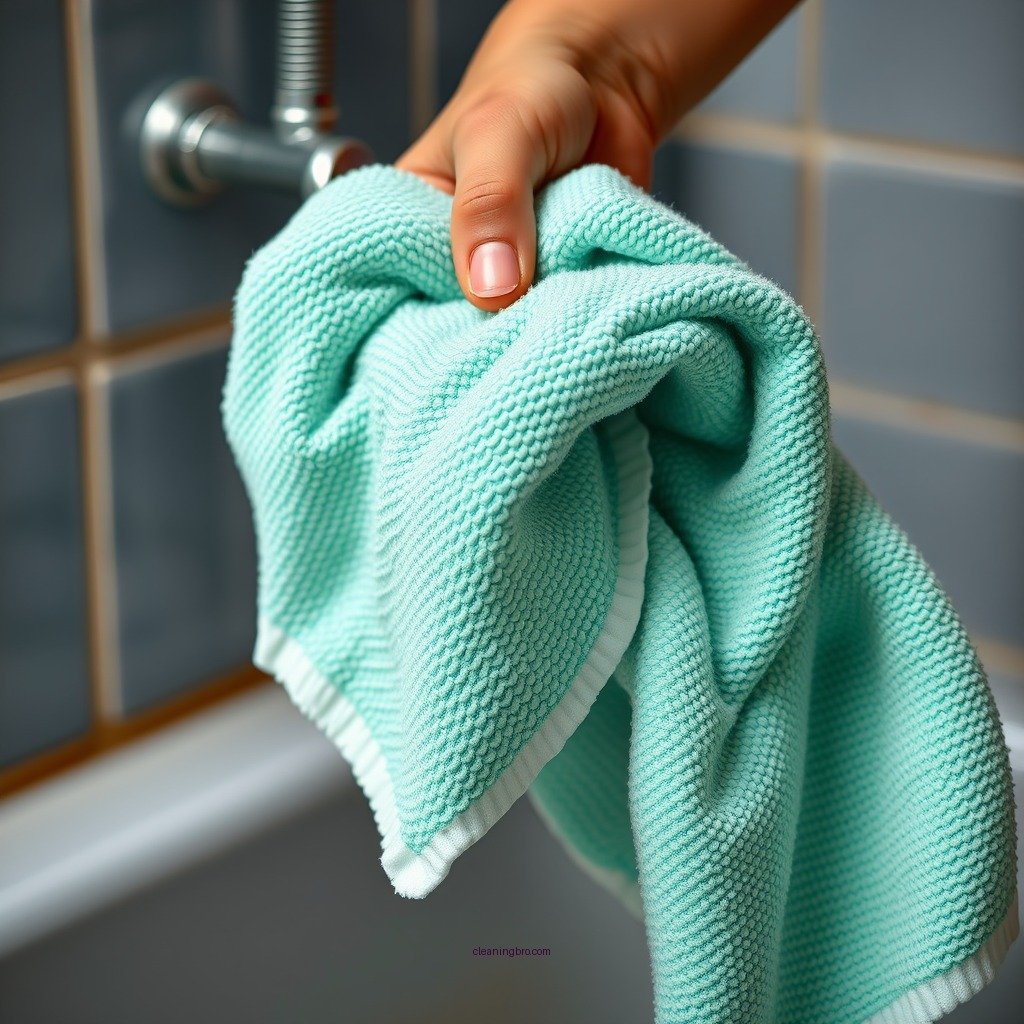
Hand washing is a gentle method that helps preserve the integrity of your cooling towels while effectively removing dirt and sweat. To hand wash your cooling towels:
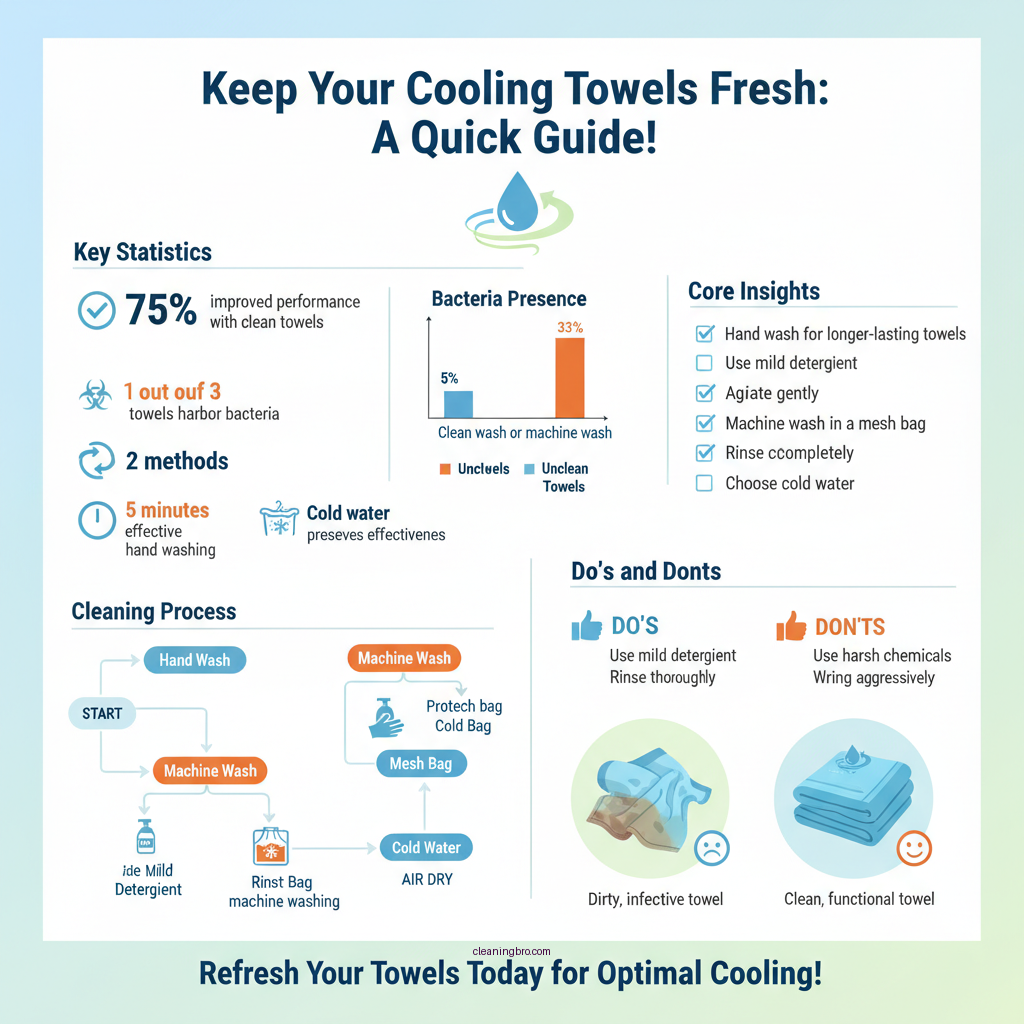
1. Fill a basin or sink with cool water and add a small amount of mild detergent. Avoid using harsh cleaning agents, as they can degrade the fabric.
2. Submerge the towel completely in the soapy water.
3. Gently agitate the water and towel with your hands for a few minutes, allowing the detergent to penetrate the fibers and lift away any grime or perspiration.
4. Rinse thoroughly under cool running water until all soap is removed. It’s crucial to ensure no detergent residue remains, as this can affect the towel’s cooling properties.
5. Press the towel gently to remove excess water. Avoid wringing it out aggressively, as this can damage the fibers.
Hand washing is particularly useful for maintaining the quality of your towels and ensuring they last longer, especially if they are made from delicate materials.
Machine Washing Your Cooling Towels
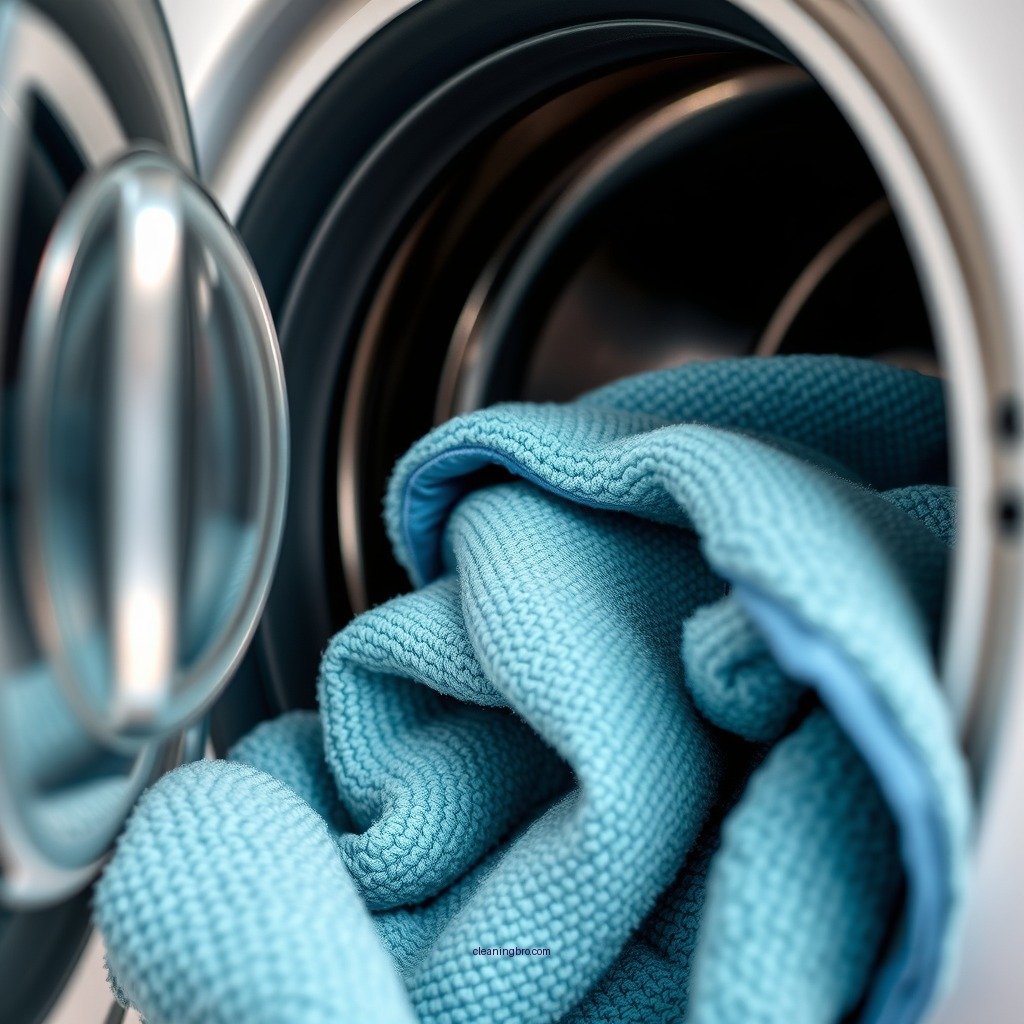
For those who prefer the convenience of machine washing, it’s essential to follow specific steps to protect your towels:
1. Place towels in a mesh laundry bag to prevent them from tangling or snagging during the wash cycle. This step is vital for preserving the fabric.
2. Use a gentle cycle with cold water and a mild detergent. Hot water can damage the fibers and reduce the towel’s effectiveness.
3. Avoid mixing your cooling towels with rough fabrics like towels or jeans, as this can lead to pilling and wear.
4. Rinse thoroughly to ensure all detergent is removed, as any residue can make the towel feel sticky and reduce its cooling effect.
5. Dry your towels according to the instructions in the next section.
Machine washing is a great option if you have several towels to clean at once, but always take precautions to ensure their longevity.
Drying Your Cooling Towels
Proper drying methods are crucial for maintaining the cooling properties of your towels:1. Air dry the towels by laying them flat on a clean surface or hanging them up. Ensure they are spread out to allow for even drying and to prevent mildew.
2. Avoid using a dryer, as high heat can reduce their cooling properties and potentially damage the fabric. Tumble drying can also cause shrinking, which affects the towel’s fit and effectiveness.
3. Ensure the towels are completely dry before storing them. Storing damp towels can lead to musty odors and bacterial growth.
By following these drying tips, you can extend the lifespan of your cooling towels and ensure they remain effective whenever you need them.
Tips for Maintaining Cooling Towels
To keep your cooling towels in optimal condition, consider the following maintenance tips:
– Rinse the towels after each use to remove sweat and bacteria. This simple step can significantly reduce odors and prolong the lifespan of the fabric.
– Store your towels in a cool, dry place, ideally in a breathable bag to prevent moisture buildup. Avoid plastic bags that can trap humidity.
– Inspect your towels regularly for signs of wear and tear. If you notice fraying or discoloration, it may be time to replace them.
Implementing these maintenance practices will help ensure your cooling towels remain fresh and functional, ready for your next workout or outdoor adventure.
Common Mistakes to Avoid
When caring for cooling towels, it’s easy to make mistakes that can compromise their effectiveness. Here are some common pitfalls to avoid:
– Avoid using fabric softeners or bleach, as these can harm the towel’s fibers, reducing their ability to absorb moisture and cool effectively.
– Don’t wring out the towels aggressively; this can cause permanent damage to the fabric. Instead, gently press out excess water.
– Neglecting to rinse towels can lead to bacterial buildup. Always rinse after use, even if you plan to wash them later.
By being mindful of these common mistakes, you can ensure your cooling towels remain in top condition.
Top 5 Cooling Towel Brands for Performance (2024)
| # | Brand | Material | Cooling Duration | Price |
|---|---|---|---|---|
| 1 | Frogg Toggs | Microfiber | 2 hours | $15.99 |
| 2 | Mission | Polyester | 3 hours | $19.99 |
| 3 | HyperIce | Nylon | 4 hours | $25.00 |
| 4 | Chill Pal | Cotton | 1.5 hours | $12.99 |
| 5 | Tough Outdoors | Polyester | 2.5 hours | $14.99 |
Cooling Duration of Popular Cooling Towels
Frogg Toggs vs. Mission vs. HyperIce: Cooling Towel Comparison
| Feature | ⭐ Frogg Toggs | Mission | HyperIce |
|---|---|---|---|
| Material | Microfiber | Polyester | Nylon |
| Cooling Duration | 2 hours | 3 hours | 4 hours |
| Price | $15.99 | $19.99 | $25.00 |
| Size Options | ✅ Various | ✅ Multiple | ✅ Adjustable |
| UV Protection | No | Yes | Yes |
| Machine Washable | ✅ | ✅ | ✅ |
| Color Options | 3 | 4 | 5 |
| Warranty | 1 Year | 2 Years | 2 Years |
| Best Use Case | Casual Use | Sports Activities | Professional Use |
| 🏆 Best For | Everyday Users | Athletes | Fitness Professionals |
To conclude, keeping your cooling towels clean is crucial for their performance and longevity. By following the outlined washing methods and maintenance tips, you can ensure that your towels remain effective and fresh for maximum cooling benefits. Remember to rinse after each use and avoid harsh chemicals to maintain their quality. Making towel cleaning a regular part of your routine will help you be prepared for any workout or hot day ahead.
Frequently Asked Questions
How do I properly wash my cooling towels to maintain their effectiveness?
To properly wash your cooling towels, first check the care instructions on the label. Generally, you should hand wash them in cold water using mild detergent, avoiding fabric softeners which can reduce their cooling properties. After washing, gently squeeze out excess water and hang them to air dry, ensuring they stay in good condition for future use.
What is the best way to store cooling towels when not in use?
The best way to store cooling towels is to keep them in a cool, dry place, away from direct sunlight, which can degrade the fabric. You can also roll or fold them neatly and place them in a breathable bag or container to prevent mildew and odors, ensuring they remain fresh and ready for your next use.
Why should I avoid using bleach on my cooling towels?
You should avoid using bleach on your cooling towels because it can damage the fabric and reduce their cooling effectiveness. Bleach can break down the synthetic fibers that are designed to provide evaporative cooling, leading to a shorter lifespan for your towels. Instead, opt for a gentle detergent that will clean without harming the material.
How often should I clean my cooling towels after use?
You should clean your cooling towels after every use, especially if they have been exposed to sweat or dirt. Regular washing helps prevent bacterial growth and unpleasant odors, ensuring your towels stay hygienic and effective. If you use them frequently, consider rinsing them with fresh water after each use to prolong the time between deep cleans.
Which materials are best for cooling towels and how does that affect cleaning?
The best materials for cooling towels are typically made from microfiber or other synthetic blends designed for moisture-wicking and evaporative cooling. These materials are generally easy to clean and quick to dry, but it’s important to follow the specific care instructions to avoid damaging the fibers. Choosing high-quality materials also means your towels will maintain their cooling properties longer, even after multiple washes.
References
- https://www.ncbi.nlm.nih.gov/pmc/articles/PMC4886084/
https://www.ncbi.nlm.nih.gov/pmc/articles/PMC4886084/ - https://www.mayoclinic.org/healthy-lifestyle/consumer-health/in-depth/cleaning-gear/art-20309763
https://www.mayoclinic.org/healthy-lifestyle/consumer-health/in-depth/cleaning-gear/art-20309763 - https://www.cdc.gov/niosh/topics/cleaning.html
https://www.cdc.gov/niosh/topics/cleaning.html - https://www.who.int/water_sanitation_health/publications/cleaning_en.pdf
https://www.who.int/water_sanitation_health/publications/cleaning_en.pdf - Google Scholar Google Scholar
https://scholar.google.com/scholar?q=how+to+clean+cooling+towels - Google Scholar Google Scholar
https://scholar.google.com/scholar?q=cleaning+methods+for+cooling+towels - Google Scholar Google Scholar
https://scholar.google.com/scholar?q=maintenance+of+cooling+towels - https://www.sciencedirect.com/topics/earth-and-planetary-sciences/cooling-towel
https://www.sciencedirect.com/topics/earth-and-planetary-sciences/cooling-towel - https://en.wikipedia.org/wiki/Chilling_towel
https://en.wikipedia.org/wiki/Chilling_towel - how to clean cooling towels – Search results
https://en.wikipedia.org/wiki/Special:Search?search=how+to+clean+cooling+towels