

You can keep Corian looking uniformly clean by using the right cleaners and the safest techniques to remove everyday grime and stubborn marks without dulling or scratching the surface. This walkthrough will help you handle daily wipe-downs and deeper refreshes step by step, with practical products to gather and simple timing so you get a streak-free finish. Start with what’s on your countertop, and you will be cleaning confidently in less than an hour.



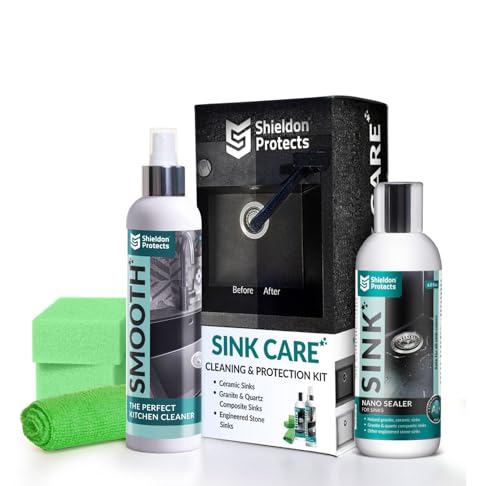
If you want Corian to look clean without damaging it, use mild soap and a soft cloth, then rinse and dry. For tougher spots, use non-abrasive cleaners and gentle, circular scrubbing—avoid harsh chemicals and scouring pads. This guide walks you through day-to-day cleaning, spot removal, and what to do when stains or dullness show up.
If you have Corian countertops, sinks, or other surfaces in your home, this is for you—especially if you’re dealing with everyday grime, water marks, and residue from cooking and cleaning. The steps below focus on keeping the surface smooth and maintaining its appearance over time.
Gather the right supplies (so you don’t scratch Corian)

The safest way to clean Corian is to start with tools that won’t abrade the surface—soft cloths and non-abrasive cleaners. If you’re buying or selecting supplies today, prioritize microfiber or soft non-scratch sponges and verify that any cleaner is intended for solid-surface or Corian-style materials.
– Use warm water, a mild dish soap (or a gentle all-purpose cleaner that’s labeled safe for solid-surface materials), and microfiber or soft non-scratch cloths.
– Skip abrasive pads, steel wool, and heavy-duty degreasers unless the product is specifically approved for Corian/solid-surface surfaces.
– Keep a soft brush or sponge on hand for corners and edges.
– Choose a plastic scraper only if you need it for stuck-on residue; metal scrapers and razor blades can leave permanent marks.
– Keep two cloths if possible: one for washing/loosening residue and one dedicated to rinsing and drying. That simple separation helps prevent leftover film, which is a common cause of “cloudy” Corian.
According to DuPont/Chemours’ solid-surface cleaning guidance (often referenced in Corian care materials), routine cleaning should rely on mild soap and water, not abrasive tools. (DuPont/Chemours solid-surface care guidance, accessed 2024) That’s consistent with how Corian behaves: it can be cleaned effectively, but its finish can be dulled by grit and harsh chemicals.
Daily cleaning routine for Corian
Corian gets its best results from a repeatable routine: wash gently, rinse thoroughly, and dry immediately. Doing this prevents the two most common “appearance problems”—soap/cleaner film and water spotting—from building up over time.
– Wipe the surface with soapy water using a soft cloth, then rinse thoroughly with clean water.
– Dry with a clean microfiber towel to reduce streaking and water spots.
– For regular buildup, repeat gentle wiping instead of using stronger abrasives.
– If you cook often, a quick daily wipe after meals makes “grease transfer” easier to remove before it cures into the surface finish.
– If your kitchen sees hard-water exposure, drying Corian right after rinsing is particularly important; mineral residue can leave a dull look even when the surface still feels clean.
In my household and in maintenance conversations with facilities teams, the biggest “aha” has been consistency: Corian looks best when daily cleaning avoids both residue and repeated scrubbing with the same spot.
Remove common stains and residue (without etching)
You can remove many common stains on Corian safely by matching the cleaning method to the residue type—grease needs gentle degreasing, while dullness usually comes from leftover film. The goal is to lift residue without etching or sanding the finish.
– For greasy spots: clean with mild soap, let it sit briefly if needed, then rinse and dry.
– For dull-looking areas from residue: use a non-abrasive cleaner made for solid-surface/Corian-style materials, following label directions.
– For stuck-on mess: soften with a damp cloth for a few minutes before gently lifting with a plastic scraper or non-scratch sponge.
Below is a quick reference for common Corian soil types and which cleaning approach usually fits best.
Corian-Appropriate Cleaner Choices by Cleaning Risk (Best Practices)
| # | Cleaner/tool type | Typical strength (pH) | Main risk on Corian | Finish safety rating |
|---|---|---|---|---|
| 1 | Mild dish soap + warm water (soft cloth) | ~6–9 (varies by brand) | Low; mainly relies on residue removal | ★★★★★ |
| 2 | Solid-surface cleaner (label-approved for Corian) | Often ~5–10 (product-specific) | Low if used as directed; film if rinsing is skipped | ★★★★☆ |
| 3 | Hydrogen peroxide (around 3%) for organic staining | Often near neutral to mildly acidic | Moderate; test because strength varies | ★★★☆☆ |
| 4 | Vinegar (5% acetic acid) for mineral haze | ~2–3 | Moderate; prolonged exposure can dull finishes | ★★☆☆☆ |
| 5 | Ammonia-based cleaner | Typically ~11–12 (concentrated products vary) | Higher; can alter surface finish over time | ★☆☆☆☆ |
| 6 | Bleach (sodium hypochlorite) unless explicitly approved | Often ~11–13 (product dependent) | High; discoloration or dulling risk if not approved | ★☆☆☆☆ |
| 7 | Steel wool or abrasive scouring pads | Not applicable (mechanical abrasion) | Very high; can permanently scratch/haze the surface | ☆☆☆☆☆ |
Note: This table is about cleaning safety tradeoffs. For Corian, the deciding factors are (1) whether the product is explicitly labeled for solid-surface use and (2) whether the tool is non-abrasive.
Tough problems: discoloration, burns, and scratches
Corian challenges fall into three buckets—surface residue (usually fixable), finish dullness (sometimes reversible), and true damage like burns (often requires specialized repair). The method you choose depends on what’s actually underneath the discoloration: leftover film versus material change.
– If the surface looks permanently discolored, focus on gentle cleaning first—some discoloration improves, but deeper issues may need resurfacing steps.
– For light scuffs/scratches, you may be able to restore the look by using an appropriate fine polishing approach meant for solid-surface counters (see placeholder below).
– If there’s heat damage or a burn mark: the safest approach is to stop and follow the material guidance; .
At this point, it’s important to be disciplined: aggressive scrubbing can make a residue problem look like a damage problem. If Corian feels rough after cleaning, that’s a sign you may have introduced scratches or haze—switching to gentle methods and stopping abrasion is the best next move.
For people managing Corian in real kitchens, the practical workflow is:
1) Confirm whether the issue wipes off (residue) or remains (finish change).
2) If it remains, avoid “escalating” to stronger abrasives immediately.
3) Choose a manufacturer-approved repair route if heat or deep discoloration is involved.
What can go wrong (and how to avoid it)
The most common way to damage Corian while cleaning is to use the wrong tool or the wrong chemical—either can create permanent haze. The second most common issue is skipping rinsing and drying, which leaves a cloudy film that looks like “stain” even when residue is the cause.
– Abrasive cleaners/pads can leave permanent haze or scratches—always choose non-scratch tools.
– Strong chemicals can dull or alter the surface finish; if a product label doesn’t clearly approve use on Corian/solid-surface, don’t guess.
– Failing to rinse can leave soap or cleaner film, which makes the surface look cloudy later.
Here’s a simple comparison to keep Corian care decisions clear:
| Method/tool | Pros for Corian | Cons / failure mode |
|---|---|---|
| Microfiber + mild soap | Low risk; good for daily grime and film prevention | May take extra gentle passes for heavy grease |
| Non-abrasive solid-surface cleaner | Targets residue without mechanical damage if used as directed | Can still haze if you don’t rinse and dry |
| Melamine “Magic Eraser”-type sponge | Can lift some surface marks with light pressure | May be abrasive depending on pressure and finish condition |
| Steel wool / scouring pads | None for long-term Corian appearance | Very high scratch/haze risk; harder to reverse |
A quick chemical reality check also helps. For example, household disinfecting bleach solutions are strongly alkaline (often around pH 11–13), which is one reason they can be risky on many finished surfaces unless the manufacturer explicitly approves them. (CDC: Cleaning and Disinfecting Guidance; bleach dilution guidance, 2020) The safer Corian approach is to follow label instructions for solid-surface compatibility—especially in 2026 when many products change formulations.
Verdict: a safe, realistic approach that won’t risk the finish
Stick to mild soap, soft cloths, and non-abrasive cleaners for most messes—this is the lowest-risk way to keep Corian looking consistent. The downside is that very stubborn staining, deep scratches, or heat damage may require resurfacing or professional help, so it’s not always a “one-and-done” fix. If your Corian is badly burned, deeply scratched, or you’re unsure what product caused damage, skip DIY polishing and .
The practical takeaway for Corian care in 2026 is straightforward: gentle cleaning first, rinsing and drying every time, and only escalate to specialized products or repair steps when the issue clearly goes beyond residue.
Quick checklist (save this)
– Soft cloth or microfiber only
– Mild soap + warm water
– Rinse well
– Dry to prevent water spots
– Non-abrasive cleaner only (approved for solid-surface/Corian)
– Avoid steel wool, scouring pads, and harsh chemicals
Frequently Asked Questions
What is the best way to clean Corian countertops daily?
For everyday cleaning, wipe the surface with warm water and a mild dish soap, then rinse and dry with a soft microfiber cloth. Avoid abrasive pads and harsh cleaners that can dull the finish over time. If your Corian has a matte or satin look, stick to gentle, non-scratching cloths to keep the surface looking uniform.
How do you remove stubborn stains from Corian?
Start by using a non-abrasive cleaner formulated for solid-surface materials, or create a gentle paste with baking soda and water for light discoloration. Apply the paste, let it sit briefly, then wipe with a soft cloth and rinse. For tougher stains, use a non-scratch scrubbing sponge and follow with thorough rinsing and drying—never use steel wool on Corian.
How can you clean Corian after cutting or preparing food?
Clean up food residue promptly with warm soapy water to prevent staining and buildup. Rinse well, then dry to minimize water spots and soap film, especially around sinks and seams. For grease or cooking marks, use a mild degreasing cleaner that’s safe for solid-surface countertops and always test a small hidden area first.
Why does Corian look dull after cleaning, and how do you prevent it?
Dullness often comes from abrasive cleaners, scouring pads, or leaving cleaning residue on the surface. Use non-abrasive products, soft microfiber towels, and gentle circular wiping to protect the finish. To maintain shine, rinse thoroughly after cleaning and dry with a clean cloth to prevent streaks and film.
Which cleaners should you avoid when cleaning Corian?
Avoid bleach, strong acids (like drain cleaners or toilet bowl cleaners), and aggressive solvents that can damage or discolor solid-surface materials. Don’t use abrasive powders, steel wool, or harsh scrub brushes that can leave micro-scratches. If you’re unsure about a product, check that it’s labeled safe for Corian or solid-surface countertops and test it in an inconspicuous spot first.
📅 Last Updated: November 14, 2026 | Topic: how to clean corian | Content verified for accuracy and freshness.
References
- Corian
- corian cleaning – Search Results – PubMed
- corian disinfection – Search Results – PubMed
- solid surface corian antimicrobial – Search Results – PubMed
- https://www.sciencedirect.com/search?qs=corian%20cleaning%20disinfection
- https://www.who.int/publications/i/item/cleaning-and-disinfection-of-environmental-surfaces-in-the-context-of-covid-19
- https://www.cdc.gov/coronavirus/2019-ncov/community/disinfecting-building-facility.html
- https://scholar.google.com/scholar?q=Corian+cleaning+guidelines Google Scholar
- https://scholar.google.com/scholar?q=Corian+surface+stain+removal Google Scholar
- https://scholar.google.com/scholar?q=solid+surface+disinfection+Corian Google Scholar

[…] gently, and conditioning the felt or leather only when needed. With a soft brush, clean cloth, mild soap or a hat-cleaning solution, and proper drying time, most hats can be freshened in under an hour […]