

Cleaning deer meat is crucial for preserving its quality and flavor. To clean deer meat effectively, it’s essential to follow proper field dressing techniques and ensure the meat is handled safely throughout the process. This guide will walk you through each step to ensure your venison is clean, safe, and ready for processing, allowing you to enjoy the finest taste and quality in your meals.


Preparing for the Cleaning Process

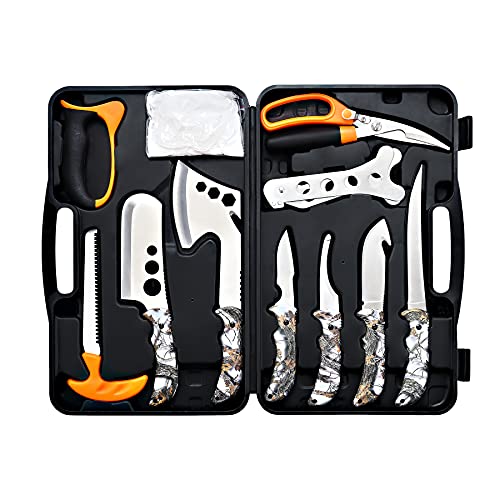
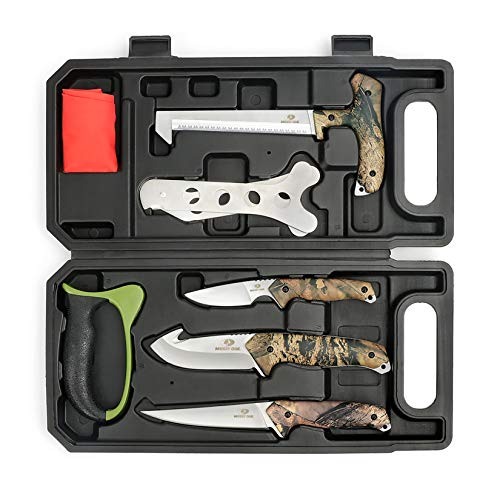
Before you begin the process of cleaning deer meat, preparation is key. First, gather all necessary tools, which typically include a sharp knife, a boning knife, gloves, and a clean workspace. Using gloves not only helps maintain hygiene but also prevents the transfer of bacteria from your hands to the meat.
Ensuring that you have adequate lighting is also important, as it allows you to see the details of your work clearly. A clean area to work in, preferably outside or in a designated butchering space, is essential to avoid contamination. Having a sturdy table or surface where you can hang the deer while you work will facilitate the process.
Field Dressing the Deer


Field dressing is the process of removing the internal organs of the deer to ensure that the meat remains uncontaminated. Start by hanging the deer by its hind legs using a gambrel or similar device, making sure it is secure and at a comfortable height for you to work.
Begin the process by making a precise incision in the skin from the breastbone to the pelvic area. Take care to avoid puncturing any internal organs, as this can taint the meat with bile or intestinal contents, rendering it inedible. Use your fingers or the knife to carefully separate the skin from the abdomen, working slowly to make sure you don’t cut into the organs. Once the incision is deep enough, you can pull the organs out gently, ensuring that no contents spill into the body cavity.
Skinning the Deer

Once the deer has been field dressed, the next step is skinning. Use a sharp knife to carefully peel the skin away from the meat. Start at the hind legs and work your way up towards the head, using long, deliberate strokes.
It’s crucial to work methodically during this process to minimize hair contamination. To avoid this, use a knife to cut through the membrane that attaches the skin to the meat rather than pulling the skin directly away. This will help to keep hair from becoming embedded in the meat, which can affect both the appearance and taste.
Top 7 Cuts of Venison and Their Characteristics
| # | Cut of Meat | Flavor Profile | Best Cooking Method | Average Yield (lbs) |
|---|---|---|---|---|
| 1 | Backstrap | Mild, tender | Grilling, roasting | 6-8 |
| 2 | Tenderloin | Buttery, delicate | Sautéing, grilling | 3-4 |
| 3 | Shoulder | Rich, robust | Slow cooking | 8-10 |
| 4 | Leg | Savory, hearty | Roasting, stewing | 10-12 |
| 5 | Ribs | Flavorful, fatty | Grilling, smoking | 4-6 |
| 6 | Neck | Rich, deep | Slow cooking, braising | 2-3 |
| 7 | Flank | Gamey, rich | Stir-frying, grilling | 3-5 |
Butchering the Meat
After skinning, the next step is butchering the meat into various cuts. This phase not only involves separating the meat but also trimming away any damaged or bruised areas. Familiarize yourself with different cuts of venison, such as the backstrap, tenderloin, shoulder, and legs.
Using clean tools, begin by removing the backstraps, which run along the spine. Follow this by cutting the tenderloin from inside the cavity. The legs can be processed into steaks or roasts, while the shoulder can be used for stews or ground meat. Always ensure that your working surface and tools are sanitized to minimize the risk of bacteria.
Washing and Rinsing
Once you have butchered the meat, it’s essential to wash and rinse it thoroughly. Rinse the meat under cold water to remove any residual blood, debris, or hair. This step is crucial for maintaining the meat’s quality and ensuring it is safe for consumption.
After rinsing, pat the meat dry using clean paper towels. This is a critical step to prevent bacterial growth, as moisture can promote spoilage. Ensuring the meat is dry will also enhance its flavor during the cooking process.
Storing the Cleaned Meat
Proper storage of cleaned meat is vital to maintain its quality and freshness. Package the meat in airtight bags or containers to prevent freezer burn and preserve its flavor. Vacuum-sealing is an excellent option, as it removes air and significantly prolongs the shelf life of the meat.Label each package with the date of processing to keep track of freshness. Venison can typically be stored in the freezer for up to a year if packaged correctly, whereas it should be consumed within a few days if kept in the refrigerator.
Best Methods for Storing Venison
| Method | ⭐ Vacuum Sealing | Freezer Bags | Tupperware |
|---|---|---|---|
| Air Removal | ✅ Excellent | ✅ Good | ❌ Poor |
| Convenience | ❌ Requires machine | ✅ Easy | ✅ Easy |
| Shelf Life | ✅ Up to 3 years | ✅ Up to 1 year | ❌ Up to 6 months |
| Best For | Long-term storage | Short-term storage | Immediate use |
| Cost | Moderate | Low | Moderate |
| Freezing Required | ✅ Yes | ✅ Yes | ✅ Yes |
| Easy to Label | ✅ Yes | ✅ Yes | ✅ Yes |
| Environmental Impact | ✅ Low waste | ✅ Moderate waste | ✅ Moderate waste |
| 🏆 Best For | Long-term preservation | Quick access | Immediate preparation |
Cooking and Preparing Venison
After successfully cleaning, butchering, and storing your venison, it’s time to explore various cooking methods and recipes to make the most of your hard work. Venison is incredibly versatile and can be grilled, braised, roasted, or even made into jerky.
Consider marinating the meat before cooking, as this can help tenderize it and enhance its flavor. Recipes that include spices, herbs, and even acidic ingredients such as vinegar or citrus can elevate the taste profile. For those new to cooking venison, starting with simple recipes like venison burgers or steaks can provide a great introduction.
Experimenting with different cuts and methods will allow you to discover your personal preferences and showcase the unique flavor of this game meat.
Cleaning deer meat is a straightforward yet critical process that ensures you enjoy the best possible flavor and quality. By following these steps, you can maintain the integrity of the meat and prepare it for delicious meals. Remember to share your cleaned venison with friends and family and experiment with new recipes to savor the fruits of your labor!
Frequently Asked Questions
What is the best way to clean deer meat after hunting?
The best way to clean deer meat involves field dressing the deer as soon as possible after the kill. Start by hanging the deer upside down to allow blood to drain, then make a careful incision around the belly, avoiding the internal organs. Remove the internal organs and rinse the cavity with clean water to remove any debris, ensuring the meat stays fresh and uncontaminated.
How do I properly skin a deer for meat processing?
To properly skin a deer, first hang it securely by the hind legs. Use a sharp knife to make incisions around the legs and down the belly, then carefully peel the skin away from the meat while being cautious not to puncture any organs. Work methodically to avoid tearing the hide, which can help preserve both the meat and the skin for further processing.
Why is it important to clean deer meat immediately after hunting?
Cleaning deer meat immediately after hunting is crucial to prevent bacterial growth and ensure the quality of the meat. Warm temperatures can lead to spoilage, and blood and other contaminants can affect the flavor and safety of the meat. Prompt cleaning helps maintain the freshness, flavor, and overall quality of the venison.
Which tools are essential for cleaning deer meat effectively?
Essential tools for cleaning deer meat include a sharp knife, a boning knife, a game bag, and gloves. A sharp knife allows for precise cuts during skinning and gutting, while gloves help maintain hygiene. Additionally, having a game bag on hand helps transport the cleaned meat safely to your processing area.
What are the steps to properly rinse and store cleaned deer meat?
After cleaning the deer meat, rinse it thoroughly with cold water to remove any remaining blood or debris. Pat the meat dry with clean paper towels, then wrap it tightly in plastic wrap or butcher paper to prevent freezer burn. Store the cleaned deer meat in the refrigerator if using within a few days or freeze it for longer preservation while ensuring it is properly labeled with the date.
References
- Venison
https://en.wikipedia.org/wiki/Deer_meat - https://www.fs.fed.us/wildflowers/ethnobotany/food/deer_meat.shtml
https://www.fs.fed.us/wildflowers/ethnobotany/food/deer_meat.shtml - https://www.extension.iastate.edu/article/how-process-deer-meat
https://www.extension.iastate.edu/article/how-process-deer-meat - https://www.extension.purdue.edu/extmedia/FNR/FNR-422-W.pdf
https://www.extension.purdue.edu/extmedia/FNR/FNR-422-W.pdf - https://pubmed.ncbi.nlm.nih.gov/23710183/
https://pubmed.ncbi.nlm.nih.gov/23710183/ - https://www.nature.com/articles/s41598-018-33229-4
https://www.nature.com/articles/s41598-018-33229-4 - https://www.cdc.gov/onehealth/what-is-one-health/zoonotic-diseases.html
https://www.cdc.gov/onehealth/what-is-one-health/zoonotic-diseases.html - Google Scholar Google Scholar
https://scholar.google.com/scholar?q=how+to+clean+deer+meat - Google Scholar Google Scholar
https://scholar.google.com/scholar?q=deer+meat+processing - Google Scholar Google Scholar
https://scholar.google.com/scholar?q=venison+cleaning+techniques
