
Cleaning eggs before incubation is essential for preventing contamination and ensuring the health of the hatchlings. Proper cleaning techniques help eliminate dirt, bacteria, and potential pathogens that could jeopardize embryo development. In this article, we’ll provide a comprehensive step-by-step guide on how to effectively clean your eggs before placing them in the incubator, ensuring a successful hatching process.
Understanding the Importance of Egg Cleaning
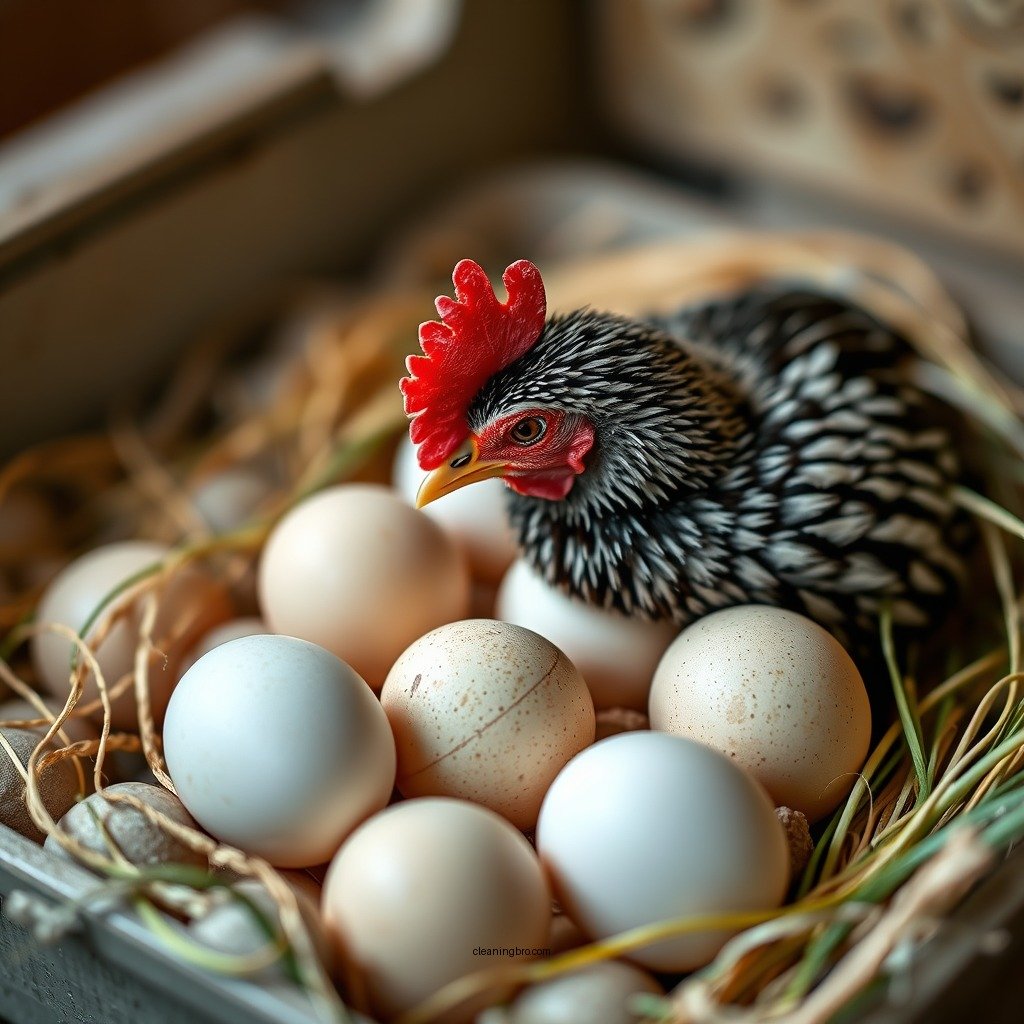
Cleaning eggs is a critical step in the incubation process for several reasons. First and foremost, the removal of dirt and bacteria is vital to prevent any negative impact on embryo development. Eggs can harbor contaminants from the external environment, which can lead to hatch failures or unhealthy chicks. By cleaning the eggs, you significantly reduce the risk of introducing pathogens that could compromise the health of the embryos.
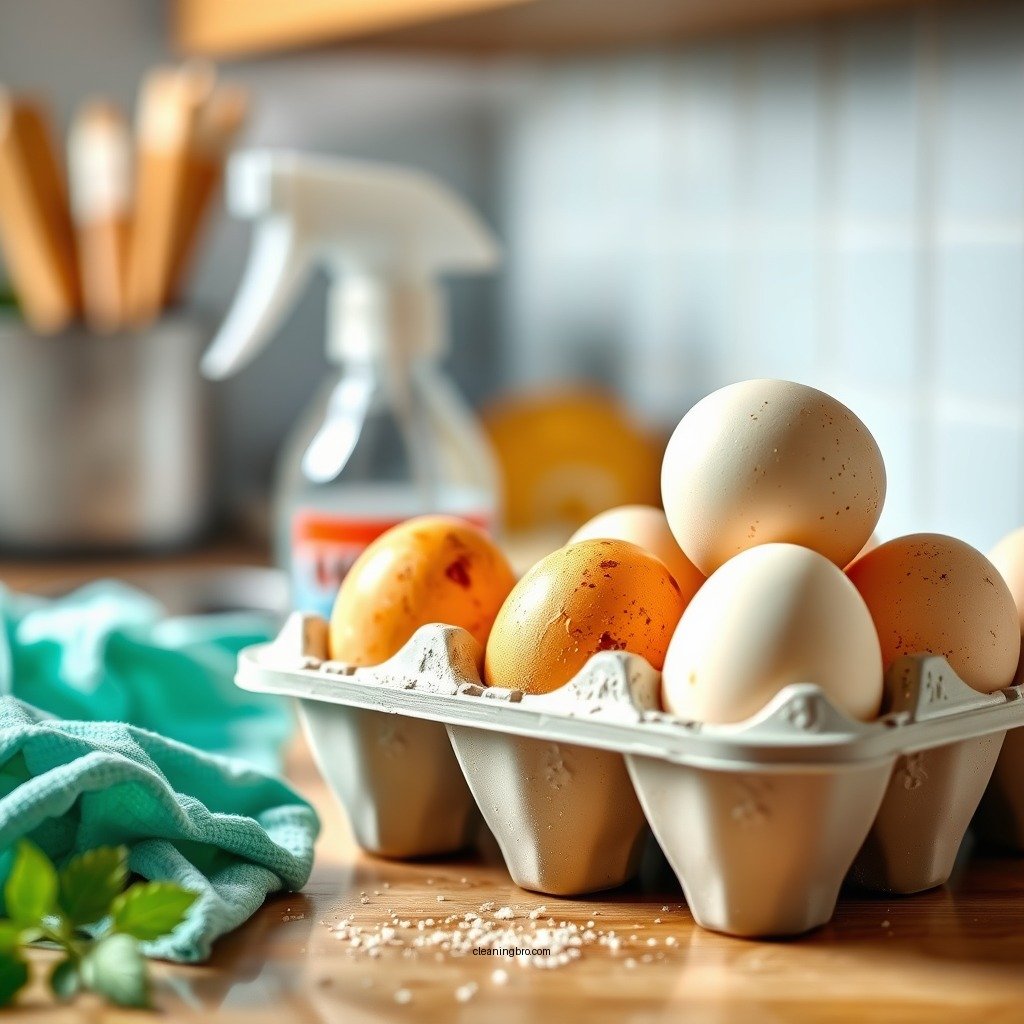
Furthermore, proper cleaning techniques not only protect the developing embryos but also prevent disease transmission among eggs. When eggs are collected from hens, they may come in contact with fecal matter or other contaminants. If these are not adequately cleaned, they could infect other eggs in the incubator, leading to widespread issues. Therefore, understanding and implementing proper cleaning methods is essential for anyone involved in hatching poultry.
Supplies You Will Need
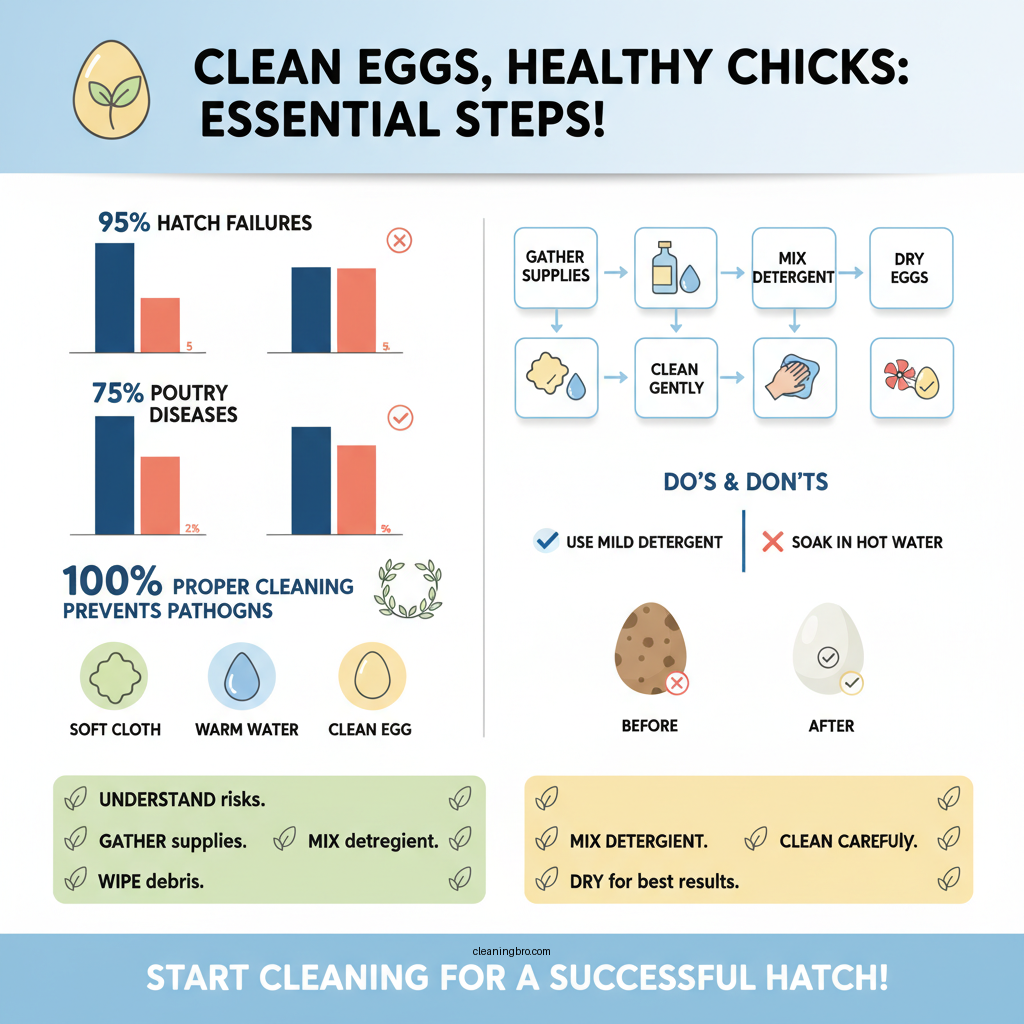
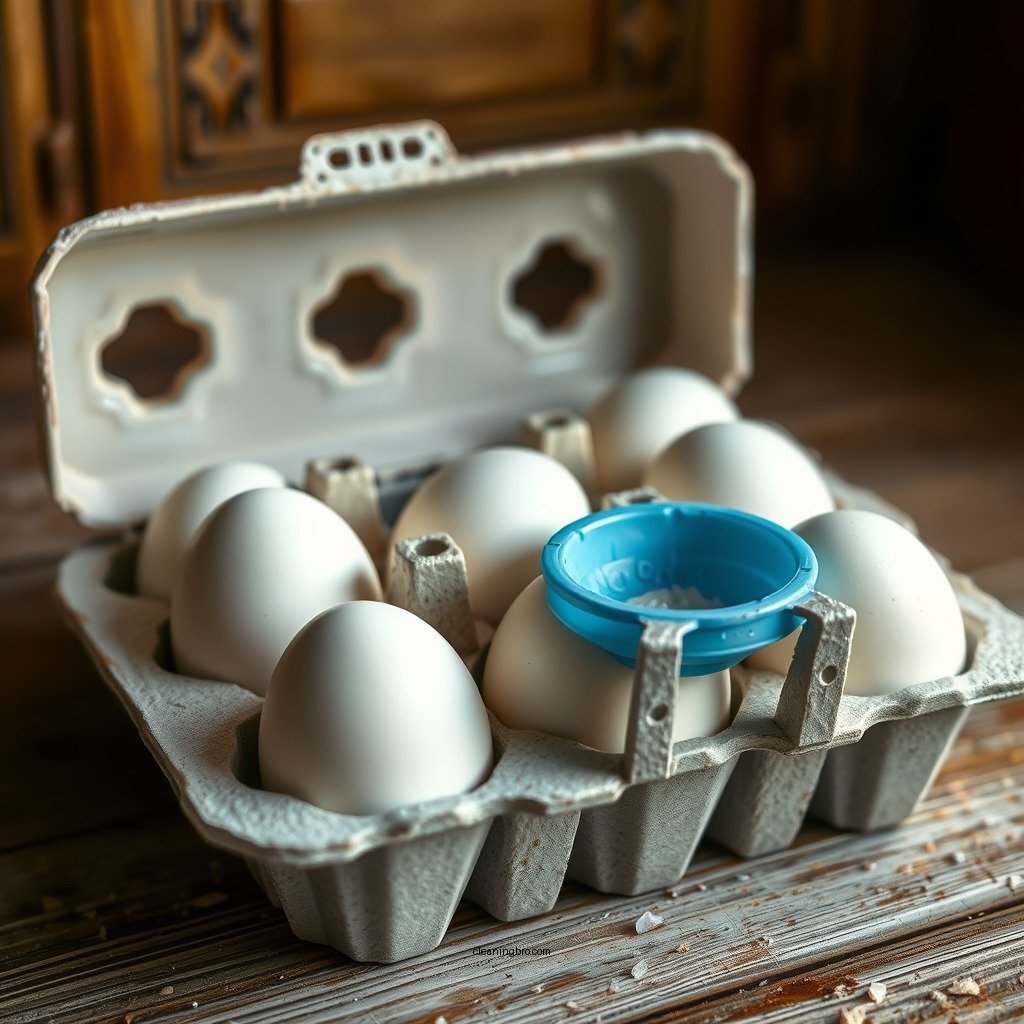
To effectively clean your eggs, you’ll need a few essential supplies. Here’s what you should gather before starting the cleaning process:
– Mild Detergent or Egg Cleaning Solution: Choose a product specifically designed for cleaning eggs or a gentle dish soap that won’t leave harmful residues.
– Soft Cloth or Sponge: Use a non-abrasive cloth or sponge to avoid scratching the eggshells.
– Warm Water (Not Hot): The water should be comfortably warm to the touch, as hot water can cause the eggs to expand and crack.
Having these supplies ready will make the cleaning process straightforward and effective.
Step-by-Step Cleaning Process
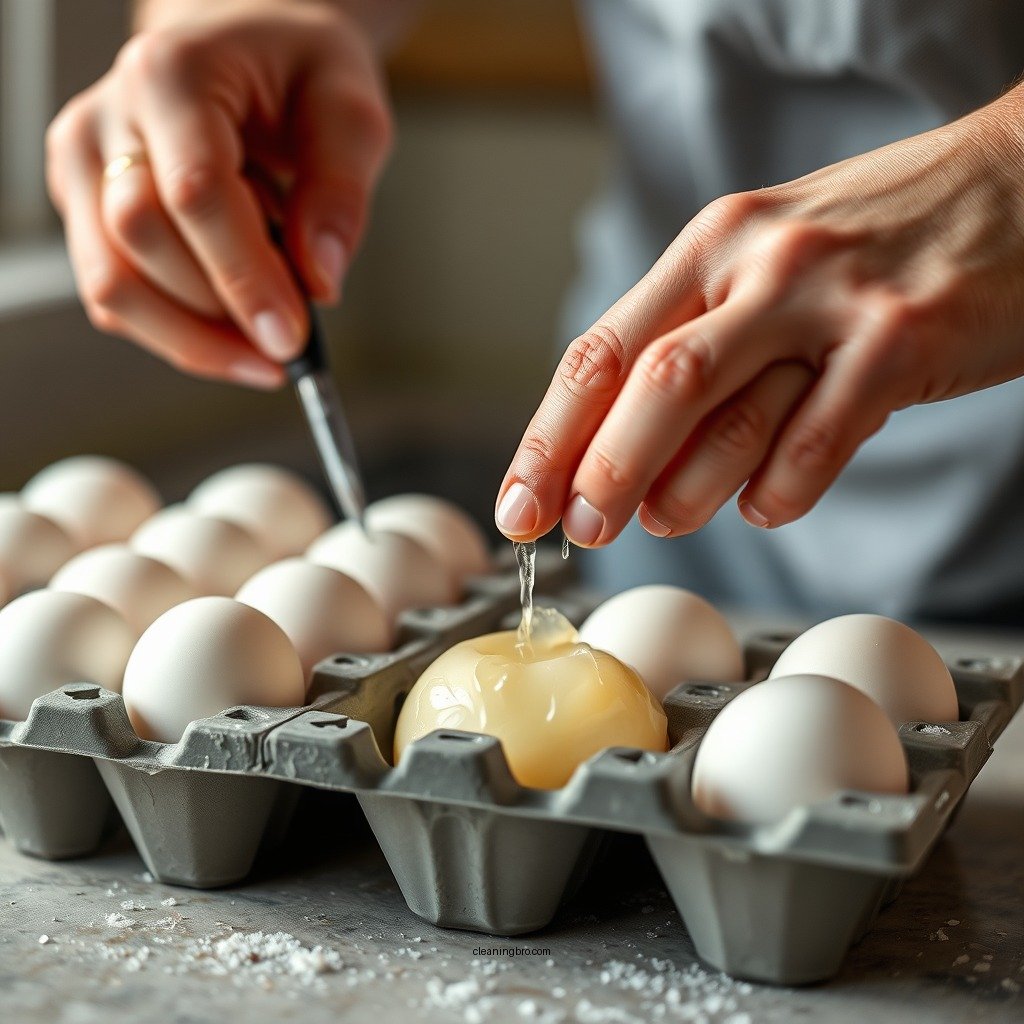
The cleaning process should be performed with care to ensure the integrity of the eggshells. Follow these steps for optimal results:
1. Gently Wipe the Eggs with a Dry Cloth: Start by using a dry cloth to wipe away any loose dirt or debris. A gentle touch is crucial here to avoid damaging the eggshell.
2. Mix a Mild Detergent with Warm Water: In a bowl or sink, combine a small amount of mild detergent with warm water. Ensure the solution is well mixed but not overly soapy.
3. Carefully Clean Each Egg: Dampen your soft cloth or sponge in the warm soapy water, then gently clean each egg’s surface. Avoid applying excessive pressure, as this can crack the shell or remove the protective bloom that helps keep bacteria out.
4. Rinse if Necessary: If there are stubborn spots, you can use a clean, damp cloth to wipe them away. Make sure to rinse well with clean water if you used a detergent.
Following these steps will help ensure that your eggs are clean without compromising their quality.
Common Egg Contaminants and Their Sources
| # | Contaminant | Source | Risk Level |
|---|---|---|---|
| 1 | Salmonella | Fecal Matter | High |
| 2 | E. Coli | Contaminated Feed | Medium |
| 3 | Listeria | Contaminated Water | Medium |
| 4 | Campylobacter | Infected Birds | High |
| 5 | Fungi | Dirty Nesting Areas | Medium |
| 6 | Pseudomonas | Soil Contaminants | Medium |
| 7 | Bacillus | Contaminated Feed | Low |
Drying and Storing Cleaned Eggs
Once the eggs have been cleaned, proper drying and storage are essential to maintain their viability. Here’s how to do it correctly:
1. Place Cleaned Eggs on a Clean, Dry Towel: After cleaning, lay the eggs on a dry towel to absorb any remaining moisture. Ensure they are placed in a way that they do not touch each other to prevent contamination.
2. Air Dry Completely: Allow the eggs to air dry completely before storage. This step is crucial as any residual moisture can cause bacterial growth.
3. Store Eggs in a Cool, Dry Place: Once dried, store the eggs in a cool, dry environment, ensuring they are pointed end down. This position helps maintain the air cell at the top of the egg, which is essential for embryo development.
By following these guidelines, you ensure that the eggs are stored in optimal conditions until they are ready for incubation.
Best Practices for Egg Cleaning
To maximize the chances of successful hatching, adhere to these best practices when cleaning eggs:
– Wash Eggs Just Before Incubation: Clean eggs right before you plan to incubate them. This minimizes the risk of contamination by keeping them as fresh as possible.
– Handle Eggs Gently: Always handle eggs with care. Rough handling can cause cracks or shell damage, which may lead to embryo death.
– Use Appropriate Cleaning Solutions: Always opt for mild detergents or solutions specifically designed for egg cleaning. Avoid anything that could leave harmful residues or penetrate the eggshell.
Implementing these best practices will help ensure the health and viability of your eggs during the incubation process.
Common Mistakes to Avoid
Cleaning eggs may seem straightforward, but there are common pitfalls that should be avoided:
– Using Harsh Chemicals: Avoid strong detergents or chemicals that can penetrate the eggshell. These can disrupt the protective bloom that shields the egg from bacteria.
– Over-Scrubbing Eggs: Excessive scrubbing can damage the eggshell and remove its natural protective layer. Always use a gentle touch when cleaning.
– Neglecting to Dry Properly: Failing to dry the eggs thoroughly may lead to bacterial growth. Ensure eggs are completely dry before storage.
By being aware of these mistakes, you can take the necessary precautions to protect your eggs and ensure a successful incubation.
When to Seek Professional Guidance
In certain situations, it may be wise to consult with professionals regarding egg cleaning:
– If Unsure About the Cleaning Process: If you’re new to incubating eggs or uncertain about the cleaning techniques, seek advice from experienced breeders or agricultural extension services.
– If Eggs Show Signs of Contamination: If you notice any unusual staining, smells, or other signs of contamination, it’s best to consult a veterinarian or poultry expert. They can provide tailored advice based on your specific situation.
Professional guidance can help you avoid costly mistakes and improve your chances of a successful hatch.
Best Practices for Egg Cleaning
In conclusion, the process of cleaning eggs before incubation is a vital step that should not be overlooked. By understanding the importance of egg cleaning, preparing the right supplies, and following the detailed steps outlined, you can significantly enhance the chances of successful hatching. Remember to adhere to best practices, avoid common mistakes, and seek professional guidance when necessary. With careful attention to these details, you can ensure the health and viability of your future hatchlings. For more insights and tips on egg care and incubation, stay tuned for our upcoming articles.
Frequently Asked Questions
What is the best method to clean eggs before incubating them?
The best method to clean eggs before incubating is to use a mild detergent and warm water. Gently scrub the eggs with a soft cloth or sponge, ensuring that you do not soak them, as this can introduce bacteria through the pores. Rinse thoroughly and dry them with a clean towel to avoid any moisture that could lead to mold growth during incubation.
How do I remove dirt and contaminants from eggs without damaging the shell?
To remove dirt and contaminants from eggs without damaging the shell, use a damp cloth or a soft-bristled brush to gently wipe off any debris. Avoid using abrasive materials that can scratch the eggshell, as this can compromise its protective barrier. If necessary, a diluted vinegar solution can help disinfect the surface without harming the egg.
Why is it important to clean eggs before incubating them?
Cleaning eggs before incubating them is crucial to prevent the introduction of bacteria and pathogens that can harm the developing embryo. Dirty eggs can lead to contamination within the incubator, resulting in poor hatch rates or, worse, the death of embryos. A clean shell helps maintain a healthy environment for successful incubation.
Which cleaning solutions are safe for washing eggs before incubation?
Safe cleaning solutions for washing eggs before incubation include a mixture of water and mild dish soap or a solution of water and vinegar. These options effectively remove dirt and bacteria without leaving harmful residues. It’s important to ensure that any solution used is thoroughly rinsed off to protect the eggs during the incubation process.
What should I avoid when cleaning eggs before putting them in the incubator?
When cleaning eggs before incubation, avoid using harsh chemicals, abrasive scrubbers, or excessive water, as these can damage the eggshell and introduce bacteria. Additionally, do not soak the eggs, as this can draw contaminants into the egg through the pores. Always handle eggs gently to prevent cracks or other damage that could affect the incubation outcome.
References
- https://www.egginfo.org/egg-facts/egg-safety-and-handling
https://www.egginfo.org/egg-facts/egg-safety-and-handling - https://extension.psu.edu/faq/how-to-clean-egg-shells
https://extension.psu.edu/faq/how-to-clean-egg-shells - https://www.ncbi.nlm.nih.gov/pmc/articles/PMC4789299/
https://www.ncbi.nlm.nih.gov/pmc/articles/PMC4789299/ - https://www.ncbi.nlm.nih.gov/pmc/articles/PMC6468982/
https://www.ncbi.nlm.nih.gov/pmc/articles/PMC6468982/ - https://www.sciencedirect.com/topics/agricultural-and-biological-sciences/egg-incubation
https://www.sciencedirect.com/topics/agricultural-and-biological-sciences/egg-incubation - https://www.researchgate.net/publication/273259129_Bacterial_contamination_of_hatched_chicken_eggs
https://www.researchgate.net/publication/273259129_Bacterial_contamination_of_hatched_chicken_eggs - Google Scholar Google Scholar
https://scholar.google.com/scholar?q=cleaning+eggs+before+incubating - Google Scholar Google Scholar
https://scholar.google.com/scholar?q=egg+cleaning+protocols - Google Scholar Google Scholar
https://scholar.google.com/scholar?q=egg+incubation+sanitation - https://www.extension.iastate.edu/floyd/news/handling-and-storing-hatching-eggs
https://www.extension.iastate.edu/floyd/news/handling-and-storing-hatching-eggs
