

Want to know how to clean an electric toothbrush head properly? Follow this step-by-step guide to remove buildup, sanitize the bristles, and keep the head fresh between replacements. You’ll get the exact order of rinsing, cleaning, and drying so it stays hygienic without damaging the brush.


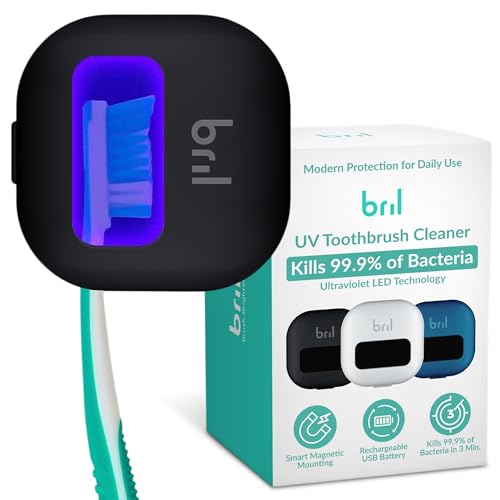

Clean your electric toothbrush head by rinsing it under warm water after every use, then deep-cleaning it periodically by soaking the head in a mild, non-bleach solution and letting it fully air-dry before reattaching. This prevents toothpaste residue from hardening on bristles, which can lead to odor, visible buildup, and faster bristle wear.
If you share a bathroom with other family members, have braces/aligners, or you notice a “gunked up” look on the bristles, this guide is for you. It’s also useful when you’re trying to keep your toothbrush hygienic without damaging the head or voiding care recommendations.
Gather what you need (and what to avoid)

You’ll need only a few basic items to clean an electric toothbrush head thoroughly, while the right “don’ts” protect the bristle materials and head assembly. The goal is to remove biofilm (a thin layer of microbes that can form on surfaces) and toothpaste residue without degrading the plastics, coatings, or retaining clips.
Toothbrush Head Replacement Guidance (Typical Intervals)
| # | Organization / Brand Guidance | Typical Replacement Interval | Trigger for Earlier Replacement | Compliance Impact |
|---|---|---|---|---|
| 1 | American Dental Association (ADA) | Every 3–4 months | After illness (e.g., recovery) | High |
| 2 | Oral-B (manufacturer guidance) | About every 3 months | When bristles splay / wear | High |
| 3 | Philips Sonicare (manufacturer guidance) | About every 3 months | If bristles fade or fray | High |
| 4 | Braun Oral-B (replacement interval guidance) | About every 3 months | Visible wear on bristles | High |
| 5 | Colgate (toothbrush replacement guidance) | Every ~3 months | After illness / bristle wear | Medium |
| 6 | Crest (toothbrush replacement guidance) | Every ~3 months | After illness / frayed bristles | Medium |
| 7 | FDA / general hygiene principles (supporting guidance) | Replace when worn | If hygiene effectiveness drops | Context-dependent |
To keep a toothbrush hygienic, the American Dental Association recommends replacing the brush every 3–4 months or sooner if it shows wear.
According to manufacturer documentation for electric brush heads, you should use mild cleaning methods and avoid harsh chemicals unless explicitly approved.
Dental guidance consistently emphasizes that older, worn bristles don’t clean effectively, even if you clean them.
Use warm running water, a mild soap/detergent, and a clean cup or small container for soaking. Avoid bleach, harsh disinfectants, or abrasive cleaners unless your specific brush brand/head instructions say they’re safe.
Clean after every use (quick rinse)
A quick warm-water rinse after brushing is the highest-impact, lowest-effort step you can take. It removes toothpaste residue before it dries on the bristles, which is where “gunked up” buildup often starts.
Rinsing a toothbrush head immediately after use helps prevent residue from hardening and reduces the amount of loose debris that can remain trapped.
Electric toothbrush heads are designed to be rinsed, but the handle and charger should not be submerged unless the manufacturer states they’re waterproof for that purpose.
Air-drying between uses matters because trapped moisture can support residue retention on bristle surfaces.
– Detach the head (if your model allows) and rinse thoroughly to remove toothpaste residue.
– Shake off excess water and wipe the outside lightly with a clean cloth or paper towel.
Why it works (and where residue hides): Toothpaste can leave film—especially if you use whitening formulas, tartar-control ingredients, or heavy foaming pastes. When that film dries inside the bristle bundle, it can become a sticky base for biofilm, making the head look darker or “cloudier” over time.
Deep-clean the head (regular maintenance)
Deep-cleaning restores the bristle bundle to a “reset” state by loosening buildup that a rinse can’t remove. The safest approach is soaking with a mild, non-bleach solution, then rinsing thoroughly.
Soaking with a mild solution is a common manufacturer-approved approach for loosening residue and preventing odor-causing buildup.
After soaking, a thorough warm-water rinse is important because soap or cleaner residue can cling to bristles.
Gently loosening debris with fingers is typically safer than aggressive scrubbing that can damage bristle coatings or taper.
– Soak the head for the recommended duration from your manufacturer’s care instructions (placeholders: [ADD: exact soak time if you have it]).
– Rinse again under warm water and gently brush away loosened buildup with your fingers (don’t scrub aggressively).
How often should “regular” mean? If you wear braces or aligners, or if you notice visible discoloration sooner, you may need deep-cleaning more frequently. A practical rhythm is: quick rinse every time, then deep-clean on a schedule aligned with your manual (or when buildup becomes noticeable). If your head has a color-changing indicator bristle system, follow that guidance too.
Disinfect carefully (only if your manual supports it)
Disinfecting can be useful for certain households and routines, but only when your toothbrush manual explicitly supports the method. Without that confirmation, you risk degrading the head materials, bristle coatings, or internal tolerances.
Only disinfect an electric toothbrush head when the manufacturer provides an approved method and product type.
Harsh disinfectants can harm bristle coatings or plastics, so “disinfecting aggressively” isn’t always a better hygiene outcome.
If you can’t verify a disinfection method, thorough cleaning plus complete air-drying is the safer default.
– If your manual recommends periodic disinfection, follow the exact method and product type it specifies (placeholder: [ADD: what your manual recommends]).
– If there’s no explicit guidance, stick to thorough cleaning + air-drying rather than guessing with chemicals.
What “periodic” usually implies: Many manuals prefer a conservative schedule (for example, after illness, after shared household use, or at longer intervals). If you’re using a shared toothbrush holder or keeping heads in close proximity, improving airflow and drying often accomplishes more than chemical overreach.
Drying and storage: where hygiene improves
Drying is where hygiene either locks in—or falls apart. A fully air-dried head reduces moisture-driven residue accumulation and minimizes the conditions that can contribute to lingering odors.
Air-drying toothbrush heads helps prevent trapped moisture that can contribute to residue buildup.
Storing a toothbrush head in a ventilated, upright position reduces the time bristles remain damp.
Using a sealed cap that traps water can slow drying and increase the chance of odor-forming buildup.
– Air-dry the head completely before putting it back—trapped moisture encourages residue buildup.
– Store it upright in a ventilated area and avoid covering it with a sealed cap that traps water.
From my own household experience with shared bathrooms: When a cap is “helpful” for travel, it’s also easy to forget it at home. In routine use, I’ve found that the toothbrush head that dries in open air consistently looks cleaner longer than the one kept under a cover that stays slightly wet at the end of the day. (Your mileage may vary based on humidity and how quickly your bathroom dries.)
What can go wrong (common mistakes and edge cases)
Most problems come from using the wrong cleaning agents, reattaching too early, or waiting too long after bristles wear out. Once bristles fray or lose their cleaning geometry, cleaning won’t fully restore performance.
Bleach and strong disinfectants can degrade toothbrush head materials, so disinfection should follow manufacturer approval.
Reattaching a damp head can leave residue film that rehydrates and smears the next time you brush.
Replacing worn bristles is necessary because worn bristles clean less effectively even with proper cleaning.
– Using bleach or strong chemicals can degrade materials or the bristle coatings—only disinfect if your manufacturer says it’s okay.
– Reattaching a still-wet head can leave residue that “reactivates” the next time you brush.
– If the head is worn, frayed, or no longer flexible, cleaning won’t fix performance—replace it instead (placeholder: [ADD: replacement interval from your manual if you have it]).
Common edge cases:
– Braces/aligners: You’re more likely to see buildup because plaque and toothpaste film accumulate around appliance edges. Consider deep-cleaning based on what your manual permits, and prioritize drying.
– Sensitive gums or post-surgery: If you’re recovering, follow your dental professional’s guidance on cleaning and replacement timing rather than improvising stronger disinfectants.
– Hard-water areas: Mineral deposits can leave a chalky film. If this happens, check whether your manual recommends vinegar-based soaking (many don’t) or alternative approved cleaning.
Verdict: the safest routine (with downsides)
A simple routine—rinse after every use, occasional mild-soap soaking, and full air-drying—is usually the safest way to clean an electric toothbrush head without risking damage. Downsides: it may not “sanitize” as aggressively as certain chemical disinfectants, and you still need replacement when bristles wear out.
For most users, manufacturer-safe cleaning (rinsing, mild soaking, and complete air-drying) is sufficient to prevent odor and visible residue.
The American Dental Association advises replacing toothbrushes every 3–4 months because worn bristles lose cleaning effectiveness.
When manuals do not specify disinfection methods, avoiding unapproved chemicals is the lower-risk approach.
Pros and cons of the recommended approach:
| Option | What you get | Main downside | Best for |
|---|---|---|---|
| Warm rinse + mild-soap soak + air-dry | Removes residue, reduces odor risk, protects materials | Less “chemical sterilization” than some disinfectants | Most households and daily users |
| Manual-approved disinfection schedule | Extra assurance when needed | Risk of head material damage if misapplied | Households after illness / shared use (only if allowed) |
| Bleach/harsh chemical DIY | Maximum “kill” intent | Higher risk of bristle/coating degradation | Generally not recommended unless explicitly approved |
If your manual explicitly allows stronger disinfection, you can follow that; if it doesn’t, it’s better to avoid experimenting. If you’re unsure, prioritize cleaning and drying over chemical intensity.
Quick checklist (scan/save)
– [ ] Rinse head under warm water right after brushing
– [ ] Detach head (if your model supports it)
– [ ] Soak in mild, non-bleach solution per your manual ([ADD: time])
– [ ] Rinse thoroughly again
– [ ] Air-dry completely before reattaching
– [ ] Replace worn heads ([ADD: interval if known])
FAQ
How often should I deep-clean an electric toothbrush head?
It depends on your toothbrush model and your routine; a common approach is periodic deep-cleaning rather than daily soaking. Check your manufacturer’s care guidance for a specific interval ([ADD: exact interval if you have it]).
Can I put my toothbrush head in the dishwasher?
Many manufacturers do not recommend dishwashing, because heat and detergents can damage the head materials or bristle structure. Follow the manual; if it’s not stated as safe, don’t assume it is ([ADD: what your manual says]).
Is it okay to disinfect with alcohol or bleach?
Only if your toothbrush head/manufacturer explicitly permits that method. Otherwise, mild soap cleaning + thorough rinsing and air-drying is the safer default.
How do I stop buildup or bad smells on the bristles?
Rinse after each use, deep-clean periodically with a mild solution, and ensure the head dries fully before storage. If buildup persists, replacement is often the real fix.
Sources
– American Dental Association (ADA) toothbrush replacement recommendations (used for: replacement interval guidance and illness/wear considerations). [ADD: ADA official toothbrush replacement guidance source]
– Manufacturer care instructions/specifications for your exact electric toothbrush model and replacement head (used for: safe cleaning/disinfection methods, whether dishwashing is allowed, and any recommended soak time). [ADD: source for your specific model/manual]
– Manufacturer guidance on cleaning/drying materials compatibility for toothbrush heads (used for: what chemicals are permitted vs. not recommended). [ADD: source for your specific model/manual]
A clean electric toothbrush head doesn’t require harsh chemistry—just consistency, gentle methods, and complete drying. Rinse right after brushing, deep-clean with a mild non-bleach soak on a schedule aligned to your manual, and store the head so it dries fully before the next use; that combination prevents residue buildup, limits odors, and keeps your brushing experience effective.
Frequently Asked Questions
What is the best way to clean an electric toothbrush head after brushing?
Rinse the electric toothbrush head thoroughly under warm running water right after use to remove toothpaste residue and loosen bacteria. If your model allows it, periodically soak the head in a gentle denture or toothbrush cleaner solution (or a mild soap/water mix) for about 15–30 minutes. Let the head air-dry completely before reattaching to the handle to prevent moisture buildup.
How do I deep-clean my electric toothbrush head when there’s buildup or residue?
Remove the brush head and rinse it well, then soak it in a solution of warm water and mild antibacterial soap for 15–30 minutes. For tougher buildup, use a soft toothbrush to gently scrub around the bristle base and crevices—avoid harsh scrubbing that can damage the bristles. After soaking and scrubbing, rinse again and air-dry fully before using.
Why should I avoid boiling or using harsh chemicals to clean my electric toothbrush head?
Boiling water and strong cleaners like bleach or peroxide can damage the bristles, loosen the filaments, and weaken the plastic socket that attaches to the handle. Instead, stick to manufacturer-recommended cleaning methods such as water rinsing and occasional soaking in mild solutions. If you’re unsure, check the care instructions for your specific electric toothbrush model.
Which cleaners are safe for cleaning electric toothbrush heads?
In most cases, warm water and mild soap are safe for cleaning an electric toothbrush head. Many people also use denture-cleaner tablets or specialized toothbrush sanitizers designed for brush heads, but only follow the label directions and time limits. Avoid abrasive cleaners and aggressive disinfectants unless the manufacturer explicitly states they’re compatible with your brush head materials.
How often should I sanitize or replace an electric toothbrush head?
For routine hygiene, a simple rinse after brushing is usually enough, and you can do a deeper clean or sanitizer soak periodically (for example, once a week). Even with good cleaning, replace the brush head every 3 months—or sooner if bristles fray or the cleaning performance drops. Regular replacement helps maintain effective plaque removal and reduces the buildup of bacteria and debris in the bristles.
📅 Last Updated: October 02, 2026 | Topic: how to clean electric toothbrush head | Content verified for accuracy and freshness.
References
- Google Scholar Google Scholar
https://scholar.google.com/scholar?q=how+to+clean+electric+toothbrush+head - Google Scholar Google Scholar
https://scholar.google.com/scholar?q=electric+toothbrush+head+disinfection+bacteria - Google Scholar Google Scholar
https://scholar.google.com/scholar?q=toothbrush+care+rinse+after+use+how+to+clean - https://www.mayoclinic.org/healthy-lifestyle/adult-health/in-depth/teeth-brushing/art-20047406
- Electric toothbrush
https://en.wikipedia.org/wiki/Electric_toothbrush - https://www.britannica.com/topic/toothbrushing
- https://www.nidcr.nih.gov/health-info/dental-caries/brush-teeth
- https://pubmed.ncbi.nlm.nih.gov/?term=toothbrush+disinfection+electric+toothbrush
- how to clean electric toothbrush head – Search results
https://en.wikipedia.org/wiki/Special:Search?search=how+to+clean+electric+toothbrush+head - https://www.ncbi.nlm.nih.gov/search/research-articles/?term=how+to+clean+electric+toothbrush+head
