How to Clean Epoxy Resin Tools Effectively
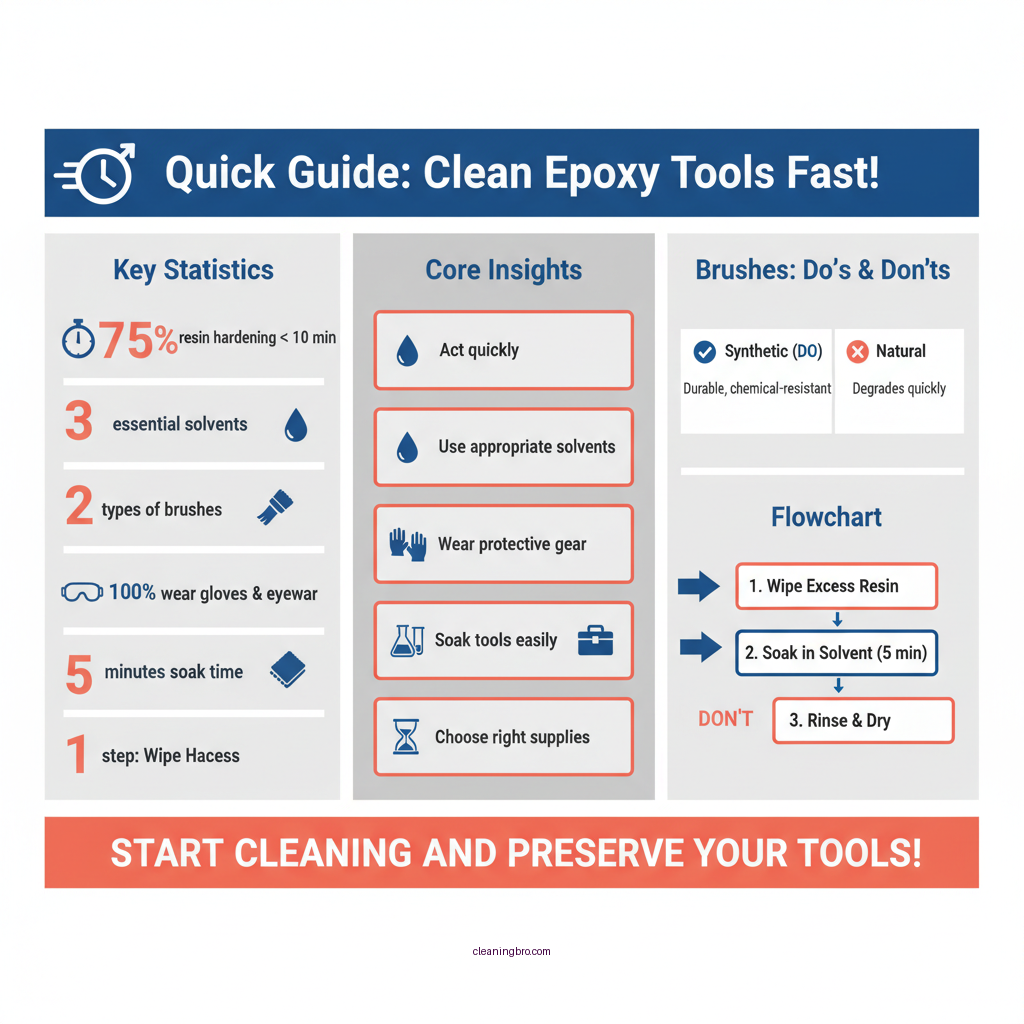
Cleaning epoxy resin tools is essential for maintaining their longevity and ensuring optimal performance. The best way to clean these tools is to act quickly after use, using appropriate solvents and methods to prevent resin from hardening on the surfaces. In this article, you’ll learn the best techniques for cleaning epoxy resin tools efficiently and safely, ensuring that you can continue to create without the worry of damaging your equipment.
Understanding Epoxy Resin and Its Properties

Epoxy resin is a versatile material widely used in various crafts and industrial applications due to its strong adhesive properties and durability. One of its key characteristics is its rapid curing time, which can range from a few minutes to hours depending on the specific formulation and environmental conditions. This quick hardening process makes immediate cleaning of tools crucial; once the resin sets, it becomes nearly impossible to remove without damaging the tools.
Different tools require different cleaning approaches. Common items that need regular cleaning include mixing cups, brushes, spatulas, and molds. Understanding the materials and shapes of these tools can help you select the best cleaning methods and solvents. For example, synthetic brushes can often withstand harsher chemicals compared to natural bristles, which may degrade more quickly.
Essential Cleaning Supplies
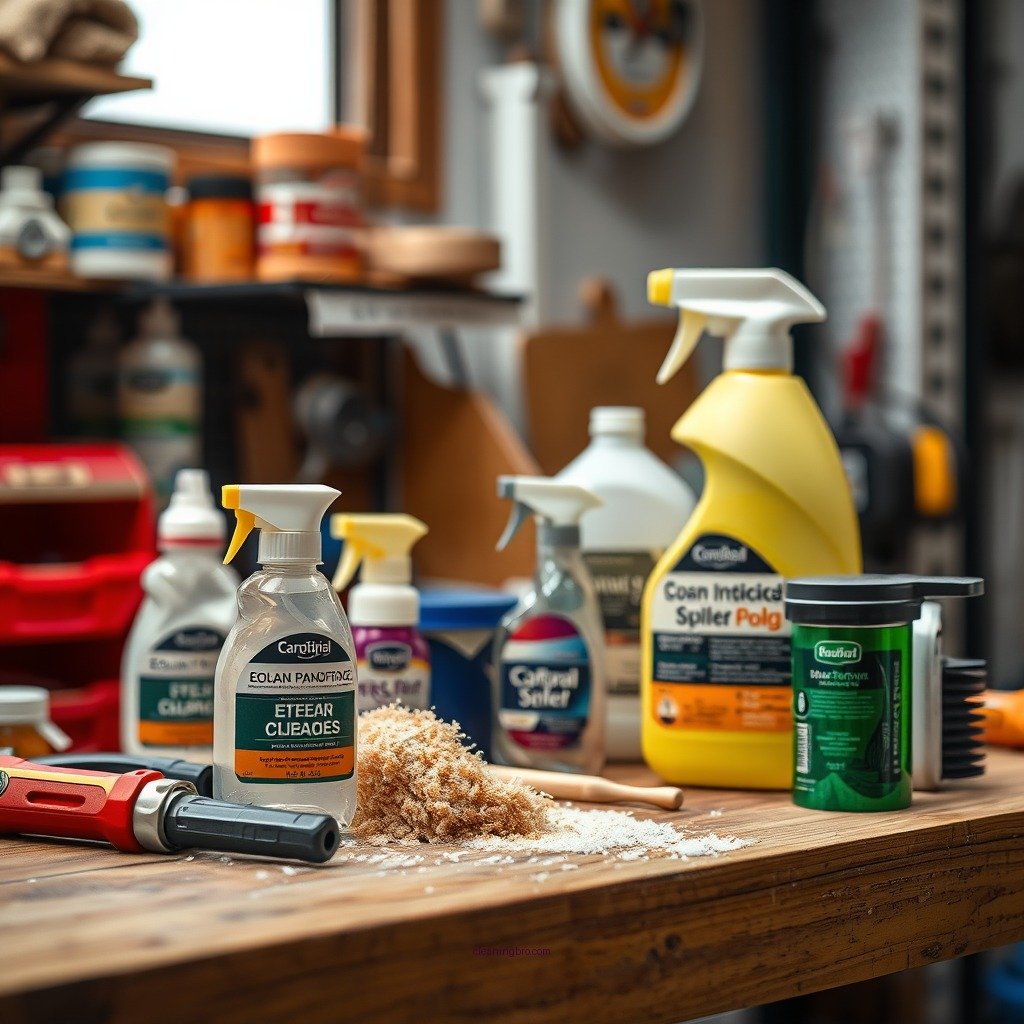
Before starting the cleaning process, gather the necessary supplies. Here’s a list of essential cleaning materials for epoxy resin tools:
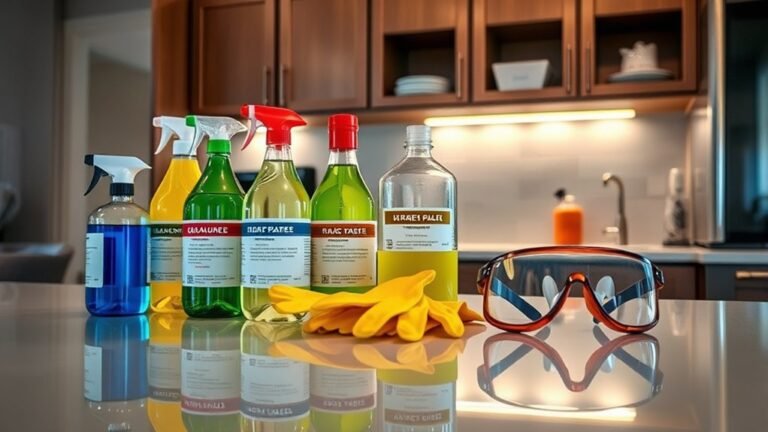
– Solvents: Rubbing alcohol (isopropyl alcohol), acetone, and specialized epoxy cleaners are effective for dissolving uncured resin.
– Scrubbing Tools: Soft cloths, paper towels, and stiff brushes can help in the cleaning process, depending on the tool’s surface.
– Protective Gear: Always use disposable gloves and protective eyewear to avoid skin and eye irritation from chemicals and resin.
Having these supplies ready before you start working with epoxy resin will streamline your cleaning process and help you avoid any unwanted messes.
Step-by-Step Cleaning Process
Cleaning your epoxy resin tools should be a straightforward process if done immediately after use. Here’s a step-by-step guide to ensure effective cleaning:
1. Wipe Off Excess Resin: Begin by using a paper towel or cloth to wipe off any excess resin from your tools. This step minimizes the amount of cured resin that needs to be removed later.
2. Soak in Solvent: Submerge the tools in your chosen cleaning solvent for a few minutes. This will help dissolve any remaining uncured resin. For more stubborn residues, you may need to let them soak longer.
3. Scrub Gently: After soaking, use a soft cloth or stiff brush to scrub the tools gently. Be cautious not to damage the surface of the tools, particularly if they are made of softer materials.
4. Rinse Thoroughly: Finally, rinse your tools with water to remove any leftover solvent and resin residue. Allow them to air dry completely before storing them.
By following this process, you can significantly reduce the risk of resin buildup on your tools, ensuring they remain in excellent condition for future use.
Dealing with Hardened Resin
Sometimes, despite your best efforts, resin can harden on your tools. In such cases, more aggressive cleaning methods may be required:
1. Soak in Hot Soapy Water: For tools with hardened resin, fill a basin with hot, soapy water and soak the tools for at least 30 minutes. The heat and soap will help soften the resin for easier removal.
2. Use a Scraper: After soaking, use a plastic scraper or putty knife to gently remove the softened resin. Be careful not to scratch or damage the tools while doing this.
3. Repeat if Necessary: If stubborn residue remains, repeat the soaking and scraping process until the tools are clean.
This method is particularly effective for more intricate tools or molds where resin may be trapped in crevices, ensuring you don’t have to replace them frequently.
Preventive Measures for Future Use
Taking preventive measures can save you time and effort in the long run. Here are some strategies to keep your tools cleaner:
– Immediate Cleaning: Always clean your tools immediately after use. The longer resin sits on tools, the harder it becomes to remove.
– Use Disposable Tools: For projects where cleanup is likely to be extensive, consider using disposable or inexpensive tools. This minimizes the hassle of cleaning altogether and can be a more efficient solution for larger projects.
– Protective Coatings: Consider applying a release agent or protective coating on your molds and tools before use. This can help prevent resin from sticking and make cleaning much easier afterward.
By adopting these preventive measures, you can significantly reduce the amount of cleaning needed and prolong the life of your tools.
Proper Disposal of Waste Materials
Cleaning materials and waste from epoxy resin projects must be disposed of properly to comply with local regulations and to minimize environmental impact. Here are some disposal tips:
– Follow Local Regulations: Check your local waste management guidelines for the proper disposal of hazardous materials, including solvents and cured resin. Many areas have designated hazardous waste facilities that accept these materials.
– Reuse Where Possible: If you have excess resin that hasn’t cured, see if you can store it for future projects. Properly sealed in a cool, dry place, it can be reused.
– Disposal of Solvents: Never pour solvents down the drain. Instead, collect used solvents in a sealed container and take them to a hazardous waste disposal site.
Responsible disposal not only keeps your workspace safe but also protects the environment, ensuring that your crafting practices are sustainable.
Top 7 Epoxy Resin Cleaning Supplies (2024)
| # | Product | Type | Effectiveness |
|---|---|---|---|
| 1 | Acetone | Solvent | High |
| 2 | Isopropyl Alcohol | Solvent | Moderate |
| 3 | Specialized Epoxy Cleaner | Cleaner | Very High |
| 4 | Warm Soapy Water | Method | Moderate |
| 5 | Plastic Scraper | Tool | High |
| 6 | Soft Cloth | Tool | Moderate |
| 7 | Stiff Brush | Tool | High |
Effectiveness of Different Cleaning Methods (2024)
Best Cleaning Supplies for Epoxy Resin Tools
| Feature | ⭐ Acetone | Isopropyl Alcohol | Specialized Cleaner |
|---|---|---|---|
| Effectiveness | 90% | 75% | 95% |
| Drying Time | Fast | Medium | Fast |
| Cost | Low | Low | Moderate |
| Safety | Caution | Caution | Safe |
| Ease of Use | Easy | Easy | Moderate |
| Environmental Impact | High | Medium | Low |
| Versatility | Yes | Yes | Yes |
| Application Areas | Industrial | Crafts | General |
| Availability | Widely | Widely | Common |
| 🏆 Best For | Heavy-duty cleaning | General use | Craft enthusiasts |
By following these guidelines for cleaning your epoxy resin tools, you can ensure that they remain in excellent condition and serve you well for many projects to come. Not only does proper maintenance extend the life of your tools, but it also enhances your crafting experience by reducing frustration and ensuring optimal results. Remember to act promptly after use and always dispose of waste materials responsibly. Happy crafting!
Frequently Asked Questions
What are the best ways to clean epoxy resin tools after use?
The best ways to clean epoxy resin tools include using solvents like acetone or isopropyl alcohol, which effectively dissolve uncured resin. For tools with cured resin, gently scraping with a plastic scraper or using heat to soften the resin can be effective. Always follow up with soap and water to remove any residue and ensure your tools are ready for the next project.
How do I prevent epoxy resin from sticking to my tools during application?
To prevent epoxy resin from sticking to your tools, consider using non-stick coatings or applying a thin layer of petroleum jelly or cooking spray on the surfaces before use. Additionally, using silicone or disposable mixing tools can minimize resin adherence, making cleanup easier and more effective.
Why is it important to clean epoxy resin tools immediately after use?
Cleaning epoxy resin tools immediately after use is crucial because resin can harden quickly, making subsequent cleaning much more difficult. If left to cure, the resin can permanently bond to your tools, leading to costly replacements and wasted time. Prompt cleaning ensures your tools remain in good condition and ready for future projects.
Which cleaning products are safe to use on epoxy resin tools?
Safe cleaning products for epoxy resin tools include acetone, isopropyl alcohol, and specialized resin cleaners found in craft or hardware stores. Avoid using harsh chemicals that may damage the tools or leave harmful residues. Always check the manufacturer’s recommendations for your specific tools to ensure compatibility with cleaning agents.
What is the most effective method for cleaning dried epoxy resin off tools?
The most effective method for cleaning dried epoxy resin off tools involves using heat to soften the resin, followed by scraping with a plastic or wooden tool. If the resin is particularly stubborn, soaking the tools in warm, soapy water or using a commercial epoxy remover can help loosen the material for easier removal. Always wear gloves and work in a well-ventilated area when using chemicals.
References
- https://www.sciencedirect.com/topics/materials-science/epoxy-resins
https://www.sciencedirect.com/topics/materials-science/epoxy-resins - https://www.ncbi.nlm.nih.gov/pmc/articles/PMC4526889/
https://www.ncbi.nlm.nih.gov/pmc/articles/PMC4526889/ - https://www.epoxy.com/faq/cleaning-epoxy-tools.htm
https://www.epoxy.com/faq/cleaning-epoxy-tools.htm - Epoxy | Adhesive, Resin, Coating | Britannica
https://www.britannica.com/science/epoxy - Control of Substances Hazardous to Health (COSHH) Essentials guidance publications – HSE
https://www.hse.gov.uk/pubns/guidance/index.htm - https://www.abc.net.au/education/life-skills/how-to-clean-epoxy-tools/102108312
https://www.abc.net.au/education/life-skills/how-to-clean-epoxy-tools/102108312 - Google Scholar Google Scholar
https://scholar.google.com/scholar?q=cleaning+epoxy+resin+tools - Google Scholar Google Scholar
https://scholar.google.com/scholar?q=epoxy+resin+cleaning+methods - Google Scholar Google Scholar
https://scholar.google.com/scholar?q=how+to+maintain+epoxy+resin+tools - Google Scholar Google Scholar
https://scholar.google.com/scholar?q=how+to+clean+epoxy+resin+tools