

Cleaning French polished furniture with a damp microfiber cloth is the safest, streak-free choice when your finish needs quick, light refreshment. You’ll learn exactly how to wipe without soaking the surface, what to do with dust and fingerprints, and how to finish so the gloss stays even. If your goal is simple maintenance without damaging the shellac, this is the fastest method that works.
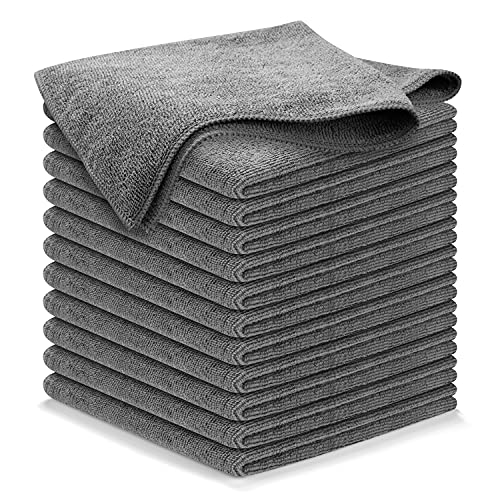

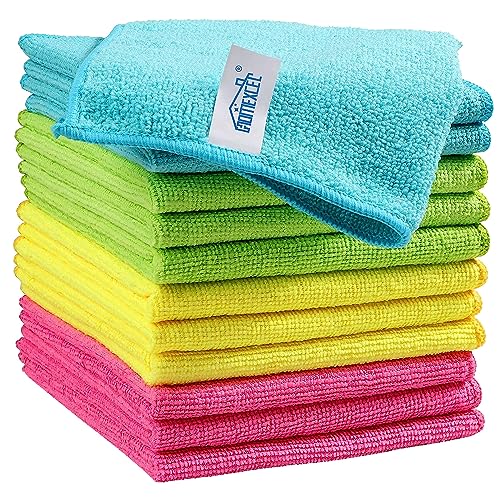
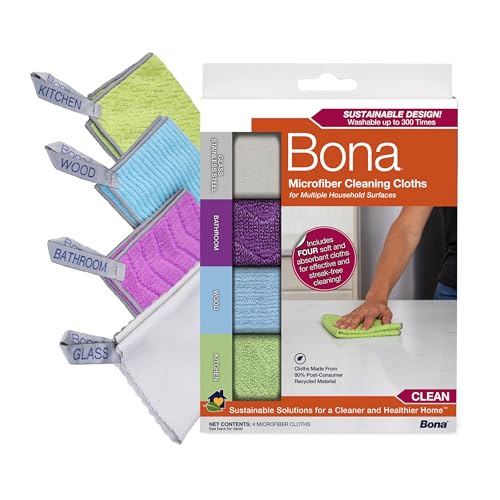
Wipe French polished (shellac) furniture with a barely damp microfiber cloth and buff immediately with a dry cloth to prevent haze. French polish usually cleans best by wiping gently—no soaking, no scrubbing, and no dripping water—then drying right away so you don’t end up with clouding.
This article will walk you through a safe wipe-down method and how to handle common spots without damaging the finish. If your French polish looks dull, has fingerprints, or picks up everyday grime, this is for you—especially if you want a simple, low-risk cleaning routine. It’s also a good choice when you’re not sure what caused the marks (but you haven’t tried harsh cleaners yet).
French polished (shellac) furniture responds best to careful, moisture-controlled cleaning. This guide is written for homeowners, small landlords, and office facility teams who need a reliable “maintenance-level” routine that doesn’t invite permanent finish damage.
What to use: a barely damp microfiber, not wet cloth

The safest “default” for French polished furniture is a microfiber cloth that’s damp enough to lift surface soil, but dry enough that it never leaves visible moisture behind. The goal is to transfer grime to the cloth—not to hydrate or soften the shellac film.
Shellac (the binder in French polish) is commonly applied and reworked using alcohol, so uncontrolled water exposure increases the risk of hazing.
Microfiber cleaning works primarily by trapping and holding loosened particles in the fiber structure rather than “pushing” residue around on the surface.
Cloth dampness: wring until it’s only barely damp
Use a soft, lint-free microfiber cloth and wring it out thoroughly so it’s only damp, not dripping. In practice, “barely damp” means the cloth will feel cool and slightly wet to the touch, but no water beads should appear when you shake it gently.
This matters for French polished furniture because shellac is an alcohol-soluble finish; moisture-related defects like dullness or whitening can happen when water sits on (or penetrates) the finish long enough to affect the surface appearance. According to , shellac finishes can exhibit haze when exposed to excess moisture.
Avoid solvent “shortcuts” on unknown marks
Avoid “mystery cleaners.” If you need anything, stick to plain water first and only add a cleaner if you already know it’s safe for shellac. For teams managing shared spaces (meeting rooms, reception desks, lobbies), “unknown cleaner” risk is usually the biggest cause of finish problems—because the finish is consistent, but the residue types aren’t.
If you’re choosing a second item, keep a second clean microfiber cloth ready for immediate buffing. Buffing right after each pass is what keeps French polished furniture looking uniformly clear instead of cloudy.
Quick measurement anchors (why microfiber matters)
Microfiber fibers are typically far thinner than human hair, helping it pick up and hold grime without aggressive rubbing. According to , microfiber fibers are commonly in the single-digit micrometer range (e.g., ~2–10 µm), while human hair is much larger (~60–80 µm). This is one reason microfiber is favored for shellac maintenance: you can reduce pressure and still remove surface soil.
Step-by-step: wipe, lift grime, then buff dry
For French polished furniture, the best technique is controlled wiping in small sections, followed by instant dry-buffing. Work like you’re “polishing away the dirt,” not washing the finish.
Keeping moisture off the shellac surface and removing residual water quickly reduces the likelihood of hazing on French polish.
Light, one-direction wipe motions are commonly recommended to avoid grinding grit into film finishes.
1) Dust first, then begin the damp wipe
Start by gently removing loose dust (a dry microfiber pass is enough). Then wipe lightly in the direction of the grain, using the smallest amount of pressure that removes surface dirt.
For French polished furniture, this step is both practical and protective: grit plus moisture is a fast route to scratches and dulling. If you can see dust first, remove it first—don’t “wet-wipe” dust across the film.
2) Re-wet sparingly—and re-wring every time
Re-wet the cloth only if needed, but re-wring it each time. Excess moisture is what can turn shellac cloudy, especially on flat areas where water can linger.
A helpful discipline for French polished furniture is to treat each cloth “load” as a fresh tool: if the cloth looks loaded with grime or starts dragging, swap it rather than pressing harder.
3) Buff right away with a dry microfiber cloth
After each pass, buff right away with a dry microfiber cloth until the surface looks even again. This is the key finishing move that helps French polished furniture resist clouding.
If you see the sheen change while you’re still wiping, stop and buff immediately with the dry cloth—don’t keep adding moisture.
Spot cleaning spots and fingerprints (without over-wetting)
For fingerprints and everyday smudges on French polished furniture, a gentle one-direction wipe with a barely damp cloth, followed by immediate drying, usually solves the issue. The rule is simple: lift the mark first, then stop adding moisture once the finish starts looking stable.
Finger oils and skin residues are typically lifted more effectively by gentle wiping than by scrubbing on film finishes like shellac.
Repeated moisture attempts on shellac can increase the chance of a dull or hazy appearance compared with stopping and reassessing after initial passes.
Fingerprints and smudges
For fingerprints or smudges, try a gentle one-direction wipe with the damp cloth, then immediately dry-buff.
In my own cabinet-care workflow, the most reliable pattern (where the finish isn’t already compromised) is: damp wipe → immediate buff → evaluate under the same lighting—. The goal is consistency, not speed, because French polished furniture can “look fine” until you re-check for haze.
When a spot won’t lift
If a spot won’t lift, don’t keep re-wetting the area. Stop, let it dry, and reassess. French polish can be sensitive to repeated moisture, and “chasing” a stubborn mark often causes more visual disruption than the original residue.
Sticky residues: lift mechanically first
For sticky residues (like tape residue, drink rings on the surface, or oily handling), use the damp cloth first and try to lift residue mechanically with careful wiping. Avoid harsh solvents unless you’re certain they’re shellac-safe.
If you don’t know the residue chemistry (common with adhesives, some varnished labels, and certain food/drink spills), the lowest-risk approach is to remove what you can with minimal moisture and dry-buff, then escalate only if the mark remains after drying.
Practical expectations: what a damp wipe typically handles
This table summarizes what usually lifts well (or poorly) with a barely damp microfiber routine on French polished (shellac) surfaces. It’s a practical field guide, not a guarantee—different residues behave differently depending on age and whether they’ve baked into the finish.
Likely Cleanability With a Barely Damp Microfiber Wipe (Shellac/French Polish)
| # | Mark / Residue | Typical Nature | Lift With Damp Wipe | Common Risk | Safe-First-Step Score |
|---|---|---|---|---|---|
| 1 | Surface dust film | Dry particulates | ★★★★☆ | Low | 9.0/10 |
| 2 | Fingerprints | Oily skin residue | ★★★☆☆ | Smearing if re-wet | 7.5/10 |
| 3 | Light grime (everyday haze) | Mixed soil/water film | ★★★☆★ | Haze if moisture lingers | 8.0/10 |
| 4 | Ring marks from cups | Condensation + residue | ★★☆☆☆ | May need more than water | 4.8/10 |
| 5 | Tape residue | Adhesive polymers | ★☆☆☆☆ | Sticky transfer if over-wiped | 3.5/10 |
| 6 | Oily smears from handling | Non-water-soluble oils | ★★☆☆☆ | May spread under moisture | 4.9/10 |
| 7 | Dried beverage spots (aged) | Sugars/salts + film | ★★☆☆☆ | Often leaves a trace if only wiped | 6.2/10 |
After you clean: let it dry and protect the finish
For French polished furniture, the safest finishing move is letting the piece fully dry before use, then applying protection only if you’re sure it won’t create uneven buildup. This is where many people accidentally undo a good cleaning pass.
Drying fully after moisture contact helps prevent surface haze on shellac-based finishes.
Some waxes and polishes can leave uneven residues on shellac, which may change gloss and clarity.
Drying: don’t rush the “buffing into haze” phase
Allow the piece to fully dry before use or polishing. Rushing this step increases the chance of visible haze or patchy reflections under normal room lighting.
For French polished furniture, a simple rule works: buff until the surface looks even and let it sit long enough that no cooler moisture-feel remains in the wood and finish.
Protection: be selective with waxes and oils
Skip oily polishes or waxes you’re unsure about; some products can leave uneven buildup on shellac. If you want to protect French polished furniture long-term, focus on gentle maintenance (dust prevention, coasters, and avoiding wet cleaning) before product-based “cover-ups.”
If the finish looks patchy after cleaning, the cure may be professional restoration. Shellac damage often needs repair—not just cleaning—because the surface film may have been affected or disturbed.
What can go wrong (and the limits of this method)
This method is safe for light, surface-level soil—but it won’t fix serious finish damage. If French polish is already failing (peeling, lifting, or heavily dulled), water-only wipe-downs can only do so much.
Excess moisture can cause shellac surfaces to appear dull or hazy, especially when it remains on the finish.
Aggressive wiping can create micro-scratches or spread abrasive grit, which is a common cause of finish dulling on film coatings.
Comparison: damp microfiber wipe vs common alternatives
Here’s a quick contrast of what typically changes the outcome for French polished furniture:
| Method | Best for | Main risk on shellac | Moisture exposure |
|---|---|---|---|
| Barely damp microfiber + immediate buff | Light grime, fingerprints, surface haze | Low, if you stop re-wetting | Minimal |
| Wet cloth / soaking | None (high risk) | Clouding/hazing and longer moisture contact | High |
| Scrubbing pads / abrasive cloth | Removing embedded dirt | Scratches from pressure + grit | Varies |
| Oil-based polishes | Gloss enhancement | Uneven buildup; residues can look patchy | Low moisture, high residue risk |
| Unknown “all-purpose” cleaners | Rare | Solvent or additive mismatch to shellac | Varies |
Key failure modes to watch
– Clouding/hazing: Too much water or leaving moisture on the surface can dull or whiten shellac.
– Scratches from pressure or grit: Even microfiber can cause damage if there’s sand/dust trapped in the fibers—use gentle pressure and consider a dry dusting first.
– Old repairs and different finishes: If the piece isn’t truly French-polished throughout (or has later coatings), water-only wiping may behave differently.
– When this won’t fix it: Deep scratches, lifting, or peeling can’t usually be solved with a damp cloth—cleaning only removes surface grime.
What to do if you see trouble
If you notice a milky patch forming mid-clean, stop. Let the area dry, then evaluate in consistent lighting. For French polished furniture, further moisture passes on a forming haze can make it worse.
Verdict: safe first-step cleaning—with a few important downsides
Using a damp microfiber cloth is a practical, generally low-risk first step for French polished furniture because it removes surface dirt without flooding the shellac finish. The downside is that it can’t reliably remove heavy residues (adhesive, baked-on rings, or oily films), and repeated moisture attempts can make the finish look hazier.
Skip this approach—and strongly consider professional restoration—if the finish is already peeling, visibly failing, or you’ve previously applied unknown coatings that could react to water. If you’re unsure, start with a hidden test spot and stop at the first sign of haze. As of 2026, that conservative “test then stop” approach remains the most reliable way to protect French polished furniture in homes and commercial spaces where inspection time is limited.
Quick checklist (save this)
| Step | Do this | Don’t do this |
|---|---|---|
| Prep | Dust first, then use microfiber | Scrub over grit |
| Cloth | Dampen only, wring thoroughly | Use a wet/dripping cloth |
| Cleaning | Light one-direction wipe | Aggressive rubbing |
| Drying | Buff immediately with a dry cloth | Leave moisture sitting |
| If it won’t lift | Let dry, reassess | Keep re-wetting the same spot |
Sources
If you want a single takeaway: for French polished furniture, start with a barely damp microfiber cloth, wipe lightly in one direction, and buff dry immediately—then stop adding moisture the moment the finish stops improving.
Frequently Asked Questions
How do I clean French polished furniture with a damp microfiber cloth without damaging the finish?
Start by lightly dampening a microfiber cloth with clean water—wring it until it’s barely wet, not dripping. Wipe gently with the grain using minimal pressure, and avoid scrubbing or soaking the surface. Immediately dry with a second dry microfiber cloth to prevent moisture from dulling the French polish.
What’s the best way to remove dust and fingerprints from French polish using a damp cloth?
Begin with a dry microfiber wipe to lift loose dust and prevent grit from scratching the shellac. For fingerprints or smudges, use a slightly damp cloth and wipe in straight, even strokes along the grain. Finish by buffing dry with a clean microfiber cloth to restore the sheen without over-wetting the varnish or shellac layer.
Which dampness level is safest for French polished furniture—slightly wet or just damp?
A “just damp” cloth is safest because French polish can be sensitive to moisture, especially along edges, seams, and repairs. If you can see water pooling, the cloth is too wet. Keep passes light, dry immediately after each wipe, and never let water sit on the surface.
Why should I avoid soaking French polished furniture when cleaning with microfiber?
Soaking can penetrate seams, cause cloudiness, or weaken the shellac layer that creates the French polished look. Excess water can also lead to ring marks or uneven dull patches once the area dries. Using a damp microfiber cloth that’s well-wrung, followed by immediate drying, helps protect the finish.
How do I spot-clean sticky marks on French polished furniture using a damp microfiber cloth?
First, test the approach on an inconspicuous area, then use a lightly damp microfiber cloth to gently blot and wipe the sticky spot. If the mark remains, use a cloth dampened with a tiny amount of mild soap in water, then wipe again with a clean damp cloth (plain water) to remove residue. Dry and buff immediately to prevent moisture damage and maintain a smooth French polished finish.
📅 Last Updated: October 21, 2026 | Topic: How to Clean French Polished Furniture With a Damp Microfiber Cloth | Content verified for accuracy and freshness.
References
- French polish
- Shellac
- Microfiber
- Wood finishing
- Varnish
- Cleaning
- https://www.britannica.com/technology/shellac
- https://scholar.google.com/scholar?q=french+polish+shellac+cleaning Google Scholar
- https://scholar.google.com/scholar?q=shellac+finish+care+cleaning+microfiber+cloth Google Scholar
- https://scholar.google.com/scholar?q=conservation+cleaning+varnished+surfaces+microfiber+cloth+damp+cloth Google Scholar
