

Can you clean a fur jacket at home without ruining its loft or finish? Yes—if you use gentle spot-cleaning, careful drying, and the right brush and cleaner, you can refresh most lightly soiled pieces in about an hour or two. Start by checking the care label and gathering a soft fur brush, mild detergent or fur shampoo, and a clean, dry towel.
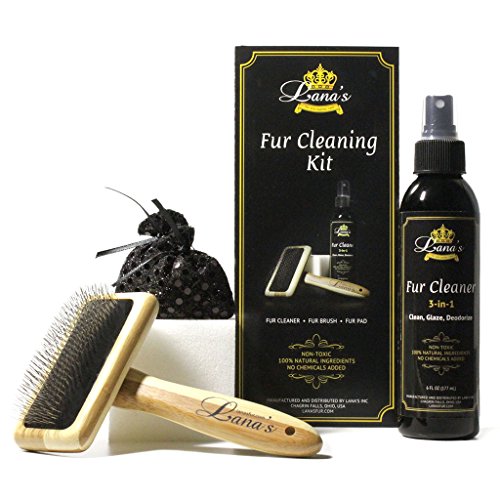



Clean a fur jacket at home by brushing out loose dirt first, then spot-cleaning stains with a lightly damp cloth and mild soap (no soaking). Let it air-dry away from heat, then brush again to restore fluff. This “brush + spot-clean + air-dry” approach freshens a fur jacket in 1–2 focused sessions, while reducing the risk of damaging the fibers or backing—especially important in 2026 when more people are keeping wardrobe pieces in rotation rather than replacing them.
This guide is for anyone cleaning a fur jacket that needs freshening, has small stains, or just collected dust—especially when you want a safer approach than fully washing it. We’ll cover both real fur and faux fur, since the “right” method depends on what the jacket is made of.
Check the care label and fur type first

Start here because the care label determines whether any DIY wet cleaning is safe for your specific fur jacket. In practice, “dry clean only” is often the line between a quick refresh and a permanent texture problem.
– Look for instructions like “dry clean only,” “spot clean,” or “do not soak” on the inside tag.
– Identify whether it’s real fur or faux fur (synthetic). Faux pieces can often handle more water than real fur, but only if the label allows.
– If the label mentions the lining/backing (for example, “do not saturate” or “avoid moisture”), treat that as a warning that soaking can loosen adhesives or distort shape.
– If you’re unsure what kind of fur you have, check whether the coat has a natural hide backing (often more rigid) versus a woven synthetic backing; when in doubt, assume it behaves like real fur and keep cleaning strictly spot-based.
How to Interpret Common Fur Jacket Care Instructions (At-Home Risk)
| # | Care instruction you may see | What it means | DIY wet-clean risk | At-home suitability |
|---|---|---|---|---|
| 1 | Dry clean only | No home wet cleaning | High | ★☆☆☆☆ |
| 2 | Spot clean | Treat only specific marks | Medium | ★★★★☆ |
| 3 | Do not soak | Avoid full saturation | High | ★★★☆☆ |
| 4 | Do not wring | No twisting out water | Medium | ★★★★☆ |
| 5 | Line dry only | Dry away from high heat | Low | ★★★★★ |
| 6 | Do not tumble dry | No dryer heat or tumbling | Medium | ★★★★☆ |
| 7 | Do not iron / do not steam | Avoid direct heat contact | High | ★★★☆☆ |
Prep: remove dust and loose grime
If you skip prep and go straight to wet cleaning, you usually spread grit deeper into the fur jacket. Brushing first loosens dry particles so spot-cleaning can be targeted and controlled.
– Hang the jacket on a padded hanger and gently brush with a soft fur brush or a wide-tooth comb.
– Focus on cuffs, collar, and seams where oils and dust build up.
– Brush in the direction the hair naturally lies, using short strokes rather than aggressive scrubbing.
– Stop if you see shedding or matting getting worse—at that point, switch to lighter touch and plan for professional cleaning if the label allows.
– For lingering surface dust, try a low suction vacuum with a brush attachment held slightly above the fur (do not press down). This helps reduce the “grit paste” effect that can happen when moisture meets dirt.
Spot-clean stains without soaking
Spot-cleaning works because fur jackets often only need localized treatment—not a full wash. The key is using minimal moisture and controlling soap residue, especially for real fur.
– Blot (don’t rub) fresh spots with a clean cloth to lift as much material as possible.
– For set-in marks, use a cloth dampened with cool water + a tiny amount of mild soap (a few drops in a cup is enough).
– Work from the outside of the stain toward the center to prevent haloing.
– Use two-cloth technique:
1) soap solution cloth to lift,
2) plain-water cloth to remove soap residue.
– Keep the fur jacket on the hanger while spot-cleaning. This reduces sagging, helps you avoid soaking the backing, and keeps your cleanup area smaller.
– If the stain is oily (like food splatter or cosmetic residue), treat it as “lift, don’t dissolve.” Start with blotting and a very light soap solution—over-wetting is what turns small stains into bigger ones.
According to the U.S. Department of Energy, water heating is a major household energy expense (reported around 18% of residential energy use), which is one reason manufacturers and many care guides discourage unnecessary full-washing—especially when a fur jacket usually only needs targeted cleanup. (U.S. Department of Energy, accessed for general guidance)
Deodorize between deeper cleans
A deodorize step restores freshness without introducing the moisture levels that can stress a fur jacket. For light odor, baking soda is a controlled option when you apply it sparingly.
– For light odors, sprinkle a small, even layer of baking soda (or use a fur-safe deodorizing powder if your label recommends one).
– Wait briefly, then brush out—aim for “enough time to absorb,” not “leave it for days.”
– Avoid heavy fragrance sprays on a fur jacket. Residue can make fur feel stiff and can attract new dust by creating a sticky surface layer.
– If the odor is persistent (for example, smoke or mildew-like smells), DIY deodorizing may not be enough. That’s a sign you likely need professional treatment rather than repeated home cycles.
From a practical standpoint in 2026, this deodorizing step is popular because it keeps a fur jacket in wearable shape between seasonal outings—without the higher-risk steps that come with deeper cleaning.
Dry correctly to prevent stiffness and damage
Drying is where many at-home attempts either succeed or fail. A fur jacket should dry with airflow and patience, not heat.
– Air-dry on a hanger in a well-ventilated spot, away from direct heat, sunlight, or hair dryers.
– Once fully dry, brush again to separate fibers and restore volume.
– If the fur looks flattened, gently fluff with your brush/comb—don’t force it with pressure.
– Avoid storing a damp fur jacket. Moisture trapped against the backing can lead to odor return and, in worst cases, damage to materials.
According to ENERGY STAR guidance, washing with cold water can significantly reduce energy used for water heating (often described as cutting water-heating energy by about half in typical laundry use), which is another reason “cool, minimal moisture” spot-cleaning is a smart compromise for a fur jacket. (ENERGY STAR, accessed for general guidance)
What can go wrong (and how to avoid it)
Most fur jacket problems come from moisture mistakes—so the goal is to prevent backing damage, matting, and lingering soap. If anything looks like it’s getting worse, pause and reassess against the care label.
– Soaking or machine-washing real fur: this can warp the backing and ruin the texture—skip wet methods if the label warns against soaking.
– Rubbing stains aggressively: friction can spread the stain and create matting; use blotting and gentle outward-to-inward cleaning.
– Skipping soap removal: leftover soap can leave a dull feel—use a plain-water wipe after spot cleaning.
– Heat drying: hair dryers, radiators, and direct sun can damage the fiber structure and flatten a fur jacket’s appearance.
– Over-applying deodorizer: too much baking soda can leave a dusty residue. Use a light, even layer and brush thoroughly after drying/absorption.
Real fur vs. faux fur: what changes your method?
This comparison helps you decide how conservative to be when cleaning a fur jacket at home—especially with moisture.
| Criteria | Real fur jacket | Faux fur jacket |
|---|---|---|
| Moisture tolerance | Lower; backing can be sensitive | Often higher; depends on label |
| Best first step | Brush out grit to avoid embedding | Brush to lift loose dust |
| Soap residue risk | Moderate to high (more visible dulling) | Moderate; still requires a rinse wipe |
| Drying behavior | Needs careful air-dry + brushing | Air-dry works well; brushing restores loft |
| What “damage” looks like | Matting, stiffness, backing distortion | Flattening or fiber tangling |
| When to stop DIY | Matted areas worsen or label says “dry clean only” | Strong odors remain or seams/backing look affected |
| Recommended moisture approach | Light damp cloth only; no soaking | Still follow label; limited dampness if permitted |
| Tolerance for brushing | Gentle brushing only to avoid further matting | Usually more forgiving; still avoid aggressive scrubbing |
| Overall strategy | Conservative spot-cleaning + careful drying | Conservative spot-cleaning if unsure; follow label |
| Verdict | Default to spot-cleaning only and avoid soaking | DIY can be safer, but label rules still govern |
Quick home-care checklist + verdict
At-home cleaning works best when you control three variables: contact (gentle brushing), moisture (light dampness only), and time (air-dry fully). In 2026, this “small intervention” approach helps a fur jacket stay wearable longer without high-risk washing.
– Before you start: care label checked, fur type noted, jacket hung to air-dry properly.
– While cleaning: brush first → spot-clean gently → wipe to remove soap → air-dry.
– After: brush again to restore shape; store only when fully dry.
Verdict: At-home cleaning works well for dust, odors, and small stains—as long as you stay in “brush + spot-clean + air-dry” territory and follow the care label. Skip DIY wet cleaning (or any home “wash” method) if the tag says dry clean only, if the backing looks delicate, or if the fur is already heavily matted—those cases are better handled by a professional cleaner.
If you want your fur jacket to look right the next time you wear it, the best “first action” is surprisingly simple: brush to remove loose grime, then only add minimal moisture where stains exist.
Frequently Asked Questions
How do you clean a fur jacket at home without damaging it?
Start by checking the care label and testing any cleaner on a hidden seam first. Use gentle brushing to remove loose dust and avoid soaking the fur, since excess water can loosen the fibers and affect the lining. For spot cleaning, blot stains with a slightly damp cloth and a mild fur-safe cleaner, then let the jacket air-dry away from heat or direct sunlight.
What’s the best way to remove stains and odors from a fur jacket at home?
For small stains, mix a small amount of mild soap with water and dab carefully with a clean white cloth, working from the outside of the stain inward. For odors, sprinkle baking soda lightly over the fur (avoid saturating the coat), let it sit for a few hours, and then brush it out thoroughly. Always let the jacket fully dry before wearing, and avoid harsh detergents that can leave residue or dry out the fur.
Which cleaning method is safest for fur—steam, dry cleaning, or washing?
Most fur jackets should not be machine washed, and steam should be used cautiously because too much moisture can cause matting or changes in texture. Dry cleaning is often safest for heavily soiled or delicate fur types, but at-home cleaning usually works best as dry brushing plus targeted spot cleaning. If you’re unsure about your fur material, follow the label first and prefer fur-safe products rather than household cleaners.
Why does my fur jacket look matted after cleaning, and how can I fix it?
Matting usually happens when fur gets too wet or is brushed aggressively while damp. To fix it, let the jacket dry completely, then use a wide-tooth comb or a soft brush to gently lift and separate the fibers in the direction of the grain. If the jacket still feels stiff, lightly mist with clean water (not soaking) and brush again once it’s barely damp, then air-dry.
How can you clean and refresh the lining of a fur jacket at home?
Remove loose debris from the lining first, then spot-clean it with a mild soap solution using a cloth—avoid soaking through to the fur. If the lining is washable, use gentle hand-cleaning and keep water contact limited, then allow it to dry fully before re-wearing. Keeping the lining clean helps reduce trapped smells and prevents dirt from transferring back onto the fur.
📅 Last Updated: November 14, 2026 | Topic: how to clean fur jacket at home | Content verified for accuracy and freshness.
References
- fur coat cleaning – Search Results – PubMed
- fur textile cleaning conservation – Search Results – PubMed
- animal fiber textile cleaning soiling removal – Search Results – PubMed
- Fur
- Dry cleaning
- Laundering
- https://en.wikipedia.org/wiki/Spot_cleaning
- https://scholar.google.com/scholar?q=how+to+clean+fur+jacket+at+home Google Scholar
- https://scholar.google.com/scholar?q=fur+coat+cleaning+home+care+methods+dry+cleaning+spot+cleaning Google Scholar
- https://scholar.google.com/scholar?q=cleaning+fur+textiles+conservation+washing+solvents+study Google Scholar

[…] first and look for instructions that explicitly mention coatings or sealed slabs (). When in doubt, professional cleaning may be the cheapest option if repeated DIY rounds would still leave residue […]
[…] and using an odor-lifting rinse. Gather a bottle brush, a few common pantry ingredients like baking soda or vinegar, and you will have a clear, odor-free bottle ready for […]