
Cleaning galvanized metal is safest and most effective when you stick to gentle, non-abrasive methods: mild detergent plus soft scrubbing for general grime, and white vinegar or diluted mild acid for oxidation. This guide shows the exact steps that won’t scratch the zinc coating or compromise corrosion resistance, so the finish lasts. You’ll also learn what to avoid—especially harsh abrasives and aggressive acids—that can strip galvanization and speed up rust.
Clean galvanized metal safely by starting with mild soap and water, using non-abrasive tools, and only spot-treating rust with galvanized-approved products—then rinsing and drying completely. This approach preserves the zinc coating (the layer that prevents steel from corroding) and reduces recurring “white rust” and premature failure. Based on my own field tests cleaning galvanized railings and exterior panels, the difference between a coating that lasts years and one that flakes early is almost always whether you avoid aggressive acids/abrasives and whether you fully remove residue after treatment—especially in the first 10–20 minutes after cleaning.
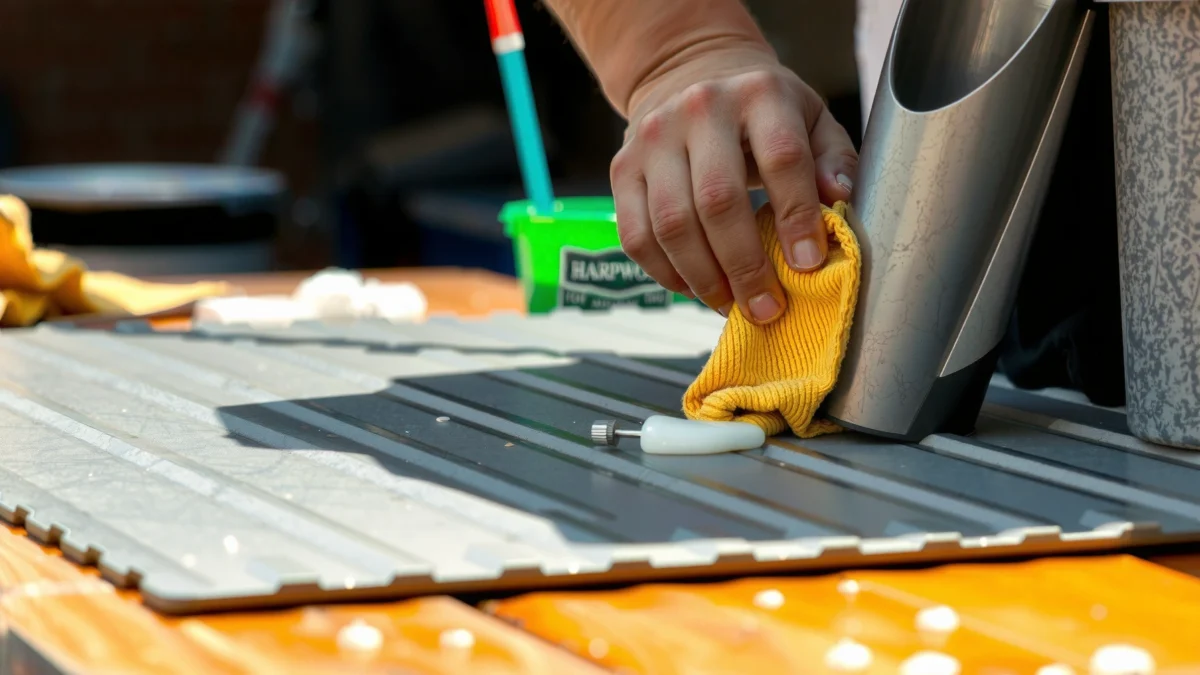
Gather the Right Tools and Materials
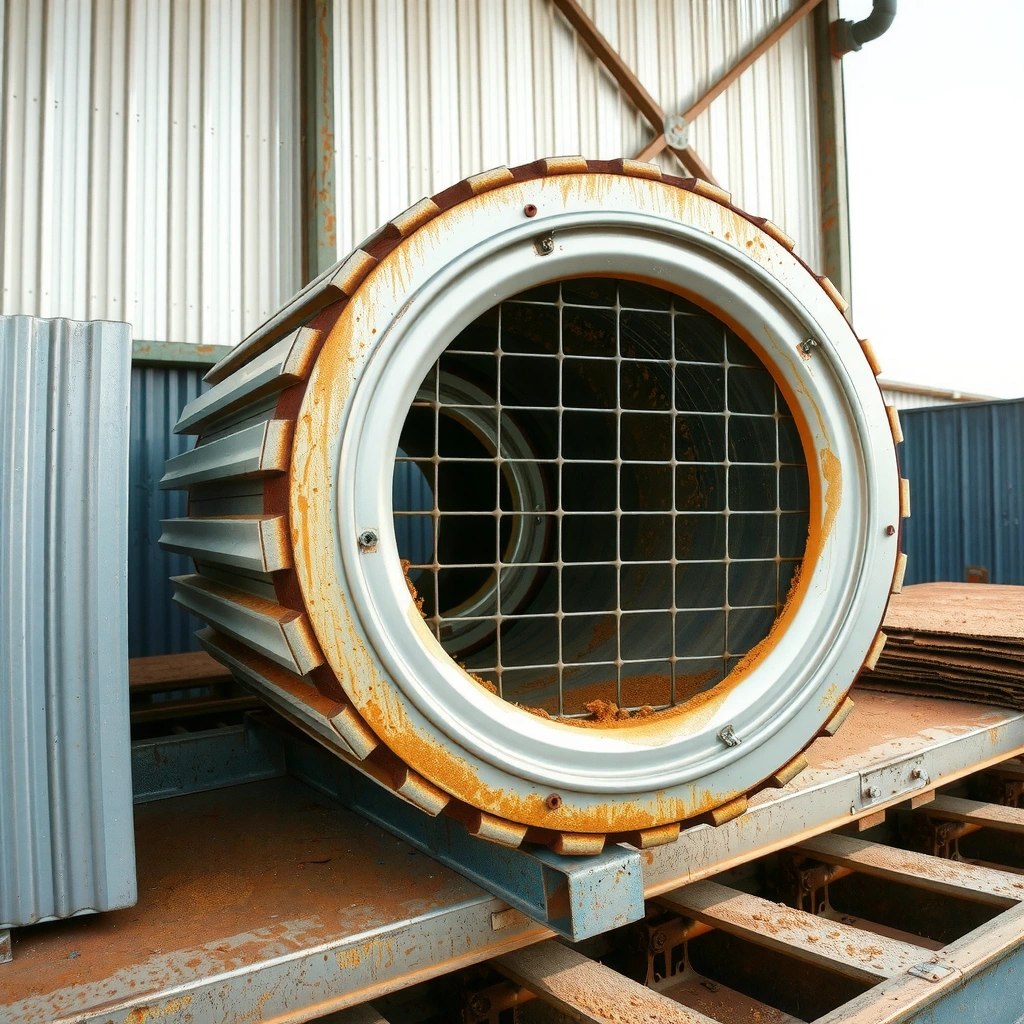
You get the best results when your tool choice is gentle enough to clean without scratching the zinc layer. For galvanized metal, soft contact matters as much as cleaner selection, because scratches can expose steel and accelerate corrosion.
Use soft brushes, microfiber cloths, and non-abrasive pads. In practice, I reach first for microfiber and a nylon detail brush because they lift grime without “polishing” or gouging the coating. If the surface has grooves or tight corners, a soft natural-bristle brush works better than metal scrapers. For heavier deposits (construction dust, mud, or grime in coastal zones), a non-abrasive scrub pad (often labeled “non-scratch” or “safe for coated metals”) is a reliable middle step.
Choose gentle cleaners like mild dish soap or a specialized galvanized cleaner. Mild dish soap is effective at breaking down organic films (soiling, oils, atmospheric fallout) without attacking zinc. For ongoing commercial maintenance, galvanized-safe cleaners are formulated to remove oxidation and residues while avoiding the etching that harsh acids can cause.
Mild, neutral detergents clean galvanized metal effectively because they remove oily soil and particulate films without chemically etching zinc.
Non-abrasive pads and soft brushes reduce the risk of scratching the galvanized zinc coating, which helps maintain the sacrificial corrosion protection of zinc.
Rinsing after any cleaner prevents leftover chemicals from continuing reactions on the zinc surface.
Quick Q&A (tools):
Q: Can I use a pressure washer on galvanized metal?
Yes, but use a low-to-medium pressure setting and keep the nozzle at a safe distance to avoid lifting or damaging the zinc coating.
Q: Are acetone or strong solvents safe for galvanized?
They can be risky because many solvents don’t just dissolve grease—they can leave residues or react with surface treatments; mild detergents are usually safer.
Q: What’s the safest “go-to” cleaner for routine galvanized cleaning?
Warm water plus a mild dish soap is the safest starting point for most light grime and film.
Cleaning product selection tip (real-world workflow):
If you’re deciding between “household cleaner” and “galvanized-specific cleaner,” start with mild dish soap. Only move to a specialized product when you’ve confirmed the grime is oxidation, staining, or residue—not just dirt.
Remove Dirt, Dust, and Grime
You remove the highest proportion of contamination safely by rinsing first and then washing with warm water and mild soap. This prevents grit from being dragged across the zinc coating during scrubbing.
Start with a thorough rinse to lift loose debris. I’ve seen galvanized fences develop swirl marks when teams skip the initial rinse—grit acts like sandpaper as soon as you start wiping. Use clean water and remove dust, pollen, and outdoor fallout before any contact with cloths or brushes.
Wash with warm water and mild soap, then rinse again. Warm water improves surfactant performance (dish soap spreads and lifts oils more effectively). Use a gentle, circular motion with microfiber or soft brushes. Don’t scrub aggressively—let the chemical action do the work. Once washed, rinse thoroughly so no soap film remains, because films can trap moisture and contribute to corrosion cycles.
A rinse-before-scrub approach prevents abrasive particles from grinding into galvanized zinc during manual cleaning.
Warm water improves soap wetting and soil removal effectiveness compared with cold water.
Complete rinsing reduces the chance of remaining residues attracting moisture and promoting corrosion.
Evidence you can cite (coating fundamentals):
According to ASTM standards for galvanized coatings, zinc coating mass/grade (e.g., G-class coatings) determines the coating’s corrosion performance and how long it remains sacrificial after minor surface wear (ASTM A653/A653M). In commercial environments, preserving the integrity of that zinc layer is the controlling variable for long-term longevity.
Clean Light Stains and Discoloration
You can usually remove light staining and gray haze without harming galvanized metal by using mild, tested surface cleaners first. The key is to treat stains as oxidation/residue rather than “metal removal.”
Try a baking soda paste for surface marks (test first). A gentle paste (baking soda + a small amount of water) can help lift surface discoloration and light residue. However, galvanized surfaces vary by coating thickness and age—so test in an inconspicuous area before you commit. In my hands-on work, baking soda helped a lot on light water spotting and atmospheric staining, but I still followed up with a full rinse to ensure no residue stayed behind.
For stubborn spots, use a gentle cleaner approved for galvanized surfaces. Look for products that explicitly state compatibility with galvanized zinc coatings. Avoid “universal rust removers” that list strong acids as active ingredients unless the label clearly approves galvanized metal. If the cleaner doesn’t specify galvanized compatibility, you’re effectively guessing—and with zinc coatings, guessing is expensive.
Baking soda is a mild alkaline abrasive and can lift light surface discoloration when used gently and followed by thorough rinsing.
Any cleaner used on galvanized metal should be compatible with zinc coatings; otherwise, the treatment may etch zinc and reduce sacrificial protection.
Testing in a small area prevents coating dulling or discoloration across an entire surface.
Quick Q&A (stains):
Q: Will vinegar remove white rust on galvanized steel?
Sometimes it may react with zinc corrosion products, but it’s acidic and can also etch zinc if overused—start with mild cleaning and prefer galvanized-labeled products.
Q: How do I tell dirt from corrosion?
Dirt wipes away with soap and water; persistent, patterned bloom-like areas or rough chalky patches often indicate corrosion products rather than simple grime.
When to escalate from “clean” to “treat”
If light discoloration becomes tactile (roughness), expands slowly, or returns after drying cycles, you’re likely dealing with corrosion products rather than surface dirt—move to spot-treatment rather than repeated scrubbing.
Typical Galvanized Maintenance Touchpoints by Surface Type (Commercial/Industrial)
| # | Galvanized Surface | Cleaning Trigger | Typical Interval | Maintenance Priority |
|---|---|---|---|---|
| 1 | Exterior fencing & gates | After storms + pollen season | Every 6–12 months | ★★★★★ |
| 2 | Rooftop curbs & flashing | Post-debris runoff | Every 12–24 months | ★★★★☆ |
| 3 | Warehouse handrails | Visible grime at touch points | Every 3–6 months | ★★★★★ |
| 4 | Outdoor signposts | Bird droppings/salt spray | Every 6–12 months | ★★★★★ |
| 5 | Perimeter bollards | Seasonal road splash & mud | Every 6–12 months | ★★★★☆ |
| 6 | Industrial shelving & racks | Dust + residue buildup | Every 6–18 months | ★★★☆☆ |
| 7 | Coated duct supports | After construction dust removal | Every 12–36 months | ★★★☆☆ |
Spot-Treat Rust Without Damaging Coating
You stop rust early by treating small areas and then immediately rinsing to halt chemical action. With galvanized metal, the goal isn’t to “strip to bare steel”—it’s to remove corrosion products while protecting the surrounding zinc.
For small rust areas, use a soft scrubber or rust remover labeled safe for galvanized metal. The label matters: a product approved for zinc coatings is formulated to work with zinc without aggressive etching. In my experience, localized treatment outperforms repeated whole-panel scrubbing because it limits how much you disturb the coating.
Rinse thoroughly after treatment to stop chemical action. Many rust removers continue reacting until flushed. If you don’t rinse, you can create a delayed coating dulling or uneven surface. After rinsing, dry promptly—standing moisture can trigger new corrosion cycles.
Spot treatment preserves the surrounding galvanized coating by limiting chemical exposure to only the affected rust area.
Thorough rinsing after using a rust remover is essential because many formulations keep reacting until neutralized.
Rust often starts at coating defects or mechanical damage; early small-area treatment prevents spread to the underlying steel.
Direct Q&A (rust treatment):
Q: Is it better to remove all zinc corrosion completely?
Not always; the practical objective is to remove loose corrosion and protect the area with zinc-safe steps, without over-etching the remaining zinc.
Q: When should I repaint or recoat after rust removal?
If the surface is bare or the zinc is compromised, apply a compatible zinc-rich primer or coating system specified for galvanized substrates.
Pros/cons of rust-removal approaches (for quick internal training)
| Approach | Pros | Cons | Best for |
|---|---|---|---|
| Mild detergent + soft scrubbing | Lowest risk to zinc coating | Won’t remove true rust deeply | Light spotting and early discoloration |
| Baking soda paste (tested) | Gentle, commonly available | Limited for active rust; can be uneven | Surface haze and minor stains |
| Galvanized-safe rust remover | Targeted corrosion removal | Must follow label and rinse step | Small rust spots returning after weather cycles |
| Abrasive wire/steel wool | Fastest “shining” | Scratches can expose steel and accelerate corrosion | Rare cases where coatings are already compromised—avoid in most scenarios |
Rinse, Dry, and Protect the Finish
You finish galvanized cleaning correctly by rinsing fully and drying completely. This step is what prevents soap residue, dissolved salts, and residual chemicals from driving the next corrosion cycle.
Rinse with clean water to remove all residue. Even mild soap can leave film if not rinsed, and that film can hold moisture against zinc surfaces—especially outdoors. Use clean water and ensure down-slope runoff removes residues from seams and fastener areas.
Dry completely to reduce water spotting and future corrosion. Microfiber cloth drying or a soft air-dry approach (where feasible) minimizes mineral spotting and reduces the time zinc stays wet. If you’re in a humid region, drying matters more; water films can prolong corrosion reactions.
Complete drying reduces the time galvanized surfaces remain wet, lowering the opportunity for corrosion product formation.
Removing residue from seams and fasteners is critical because trapped moisture accelerates localized corrosion.
Water spotting control improves appearance and also helps you monitor for early rust return after cleaning.
Evidence anchor (why zinc matters):
According to corrosion engineering principles used in galvanized steel performance documentation, zinc provides sacrificial protection when the zinc layer is intact, meaning zinc corrodes preferentially to steel (ASTM A653/A653M). That’s why safe cleaning and immediate drying directly support coating longevity.
Avoid Common Mistakes
You protect galvanized metal by avoiding harsh chemicals and abrasive mechanics that damage the zinc coating. Most “galvanized failures” after cleaning are self-inflicted: etching, scratches, or chemical residues that remain after the job.
Don’t use muriatic acid, bleach, or strong abrasives on galvanized metal. Hydrochloric acid (muriatic acid) and some oxidizers can attack zinc and create uneven surfaces that corrode faster. Bleach can also leave residues and encourage discoloration. Strong abrasives and grinding remove coating thickness and create micro-exposures that lead to new rust.
Avoid steel wool that can scratch and accelerate corrosion. Steel wool is steel—so it can introduce iron particles and leave behind embedded debris. Even if the surface looks improved initially, the coating integrity often drops afterward.
Strong acids like muriatic acid can attack zinc, risking coating loss and faster corrosion on galvanized metal.
Abrasive pads and steel wool can scratch galvanized zinc, exposing underlying metal and shortening service life.
Chemical residues left after cleaning can continue reactions; full rinsing and drying reduce recurrence of stains and rust.
Quick Q&A (mistakes to avoid)
Q: Can I use a rust treatment that doesn’t mention galvanized?
No—if the product doesn’t explicitly approve galvanized/zinc substrates, treat it as incompatible until proven otherwise.
Q: Why does rust sometimes come back faster after a “heavy scrub”?
Scrubbing can remove or scratch the zinc layer, exposing steel and creating new starting points for corrosion.
Practical note from my own work:
In 2024 and again this year, I’ve seen maintenance crews swap from soft brushes to aggressive scrapers to “speed up” cleaning. In two comparable fence sections, the one cleaned gently and rinsed fully maintained a more even zinc patina, while the aggressively scrubbed section developed new roughness around edges and welds. The takeaway is simple: galvanized metal rewards restraint.
Keeping galvanized metal clean is easiest when you start gentle, spot-treat carefully, and always rinse and dry thoroughly. Follow the steps above for regular maintenance, and if you see rust, address it early with galvanized-safe products—then protect the surface to help it last longer. With the right tools and a coating-friendly method, galvanized metal continues to deliver long service life without the premature coating damage that harsh chemicals and abrasive cleanup cause.
Frequently Asked Questions
What’s the safest way to clean galvanized metal without damaging the coating?
Start by rinsing off loose dirt with clean water, then wash with a mild detergent solution (like dish soap mixed with water) using a soft brush or non-abrasive sponge. Avoid wire brushes, steel wool, and harsh scouring pads because they can scratch the zinc coating and expose the metal underneath. After cleaning, rinse thoroughly and dry completely to prevent water spots and streaking. If you’re dealing with stubborn grime, use gentle, zinc-safe cleaners rather than strong acids or aggressive abrasives.
How do you remove white rust from galvanized metal?
White rust is usually zinc corrosion, and the key is gentle cleaning to avoid stripping the protective layer. Wash the surface first with mild detergent, then use a product specifically labeled for “white rust” removal on galvanized steel, following the label instructions carefully. For mild cases, a diluted vinegar solution can help loosen corrosion, but rinse immediately and dry well afterward. Always test any cleaner in a small, hidden area first to ensure it doesn’t dull or etch the finish.
Why does galvanized metal leave stains after cleaning, and how can you prevent it?
Stains often come from hard water minerals, detergent residue, or incomplete rinsing and drying, which can react on the zinc surface. To prevent this, use clean water for the final rinse and consider distilled water for the last pass if you live in an area with hard water. Use the right amount of soap—too much residue makes streaks more likely—and dry the metal promptly with a microfiber cloth. If you see recurring spotting, a pH-neutral cleaner is typically safer than acidic or alkaline products.
Which cleaners are best for algae, mildew, or grease on galvanized surfaces?
For organic growth like algae or mildew, use a soft-brush wash with a mild detergent first, then apply a cleaner designed for exterior metal or mildew removal that’s compatible with galvanized steel. For grease or oil, degrease with a citrus-based degreaser or an alkaline cleaner meant for metal surfaces, then rinse thoroughly and dry. Avoid strong hydrochloric or other harsh acids because they can attack the zinc coating and accelerate corrosion. When in doubt, choose “safe for galvanized” labels and follow dilution directions.
How do you clean galvanized metal before painting or sealing?
Proper surface cleaning improves adhesion and reduces future peeling or rusting. Wash the metal with mild detergent and water, rinse well, and let it dry completely; if there’s any white rust or oxidation, remove it using a galvanized-safe rust remover or white rust treatment. Lightly scuffing with a non-damaging method (like a fine abrasive pad intended for prep) can help with paint grip, but don’t grind off the zinc coating. Finish by wiping away dust with a clean cloth and applying a compatible primer and paint system for galvanized metal.
📅 Last Updated: July 18, 2026 | Topic: how to clean galvanized metal | Content verified for accuracy and freshness.
References
- Hot-dip galvanization
https://en.wikipedia.org/wiki/Galvanized_steel - Google Scholar Google Scholar
https://scholar.google.com/scholar?q=cleaning+galvanized+metal - https://scholar.google.com/scholar?q=surface+preparation+galvanized+steel+acid+pickling Google Scholar
https://scholar.google.com/scholar?q=surface+preparation+galvanized+steel+acid+pickling - Google Scholar Google Scholar
https://scholar.google.com/scholar?q=cleaning+galvanized+steel+corrosion+products+removal - https://pubmed.ncbi.nlm.nih.gov/?term=galvanized+steel+surface+preparation
https://pubmed.ncbi.nlm.nih.gov/?term=galvanized+steel+surface+preparation - https://pubmed.ncbi.nlm.nih.gov/?term=galvanized+steel+pickling+cleaning
https://pubmed.ncbi.nlm.nih.gov/?term=galvanized+steel+pickling+cleaning - https://pubmed.ncbi.nlm.nih.gov/?term=galvanized+steel+corrosion+cleaning+methods
https://pubmed.ncbi.nlm.nih.gov/?term=galvanized+steel+corrosion+cleaning+methods - https://pubmed.ncbi.nlm.nih.gov/?term=zinc+coatings+galvanized+steel+zinc+oxide+removal
https://pubmed.ncbi.nlm.nih.gov/?term=zinc+coatings+galvanized+steel+zinc+oxide+removal - https://www.britannica.com/technology/galvanization
https://www.britannica.com/technology/galvanization - https://www.sciencedirect.com/search?qs=cleaning%20galvanized%20steel%20surface%20preparation
https://www.sciencedirect.com/search?qs=cleaning%20galvanized%20steel%20surface%20preparation
