
If you’re trying to clean a gauge ear safely, follow these steps to do it without irritating your piercing or trapping bacteria. You’ll learn the quickest cleaning method, what to avoid, and exactly how to care for the area afterward so the gauge stays comfortable and looks clean. By the end, you’ll know the safest routine for your specific gauge type and healing stage.
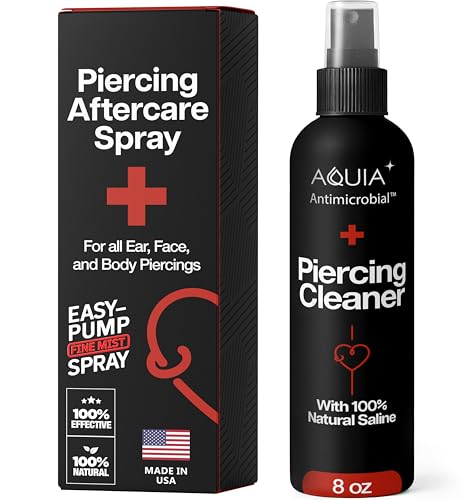

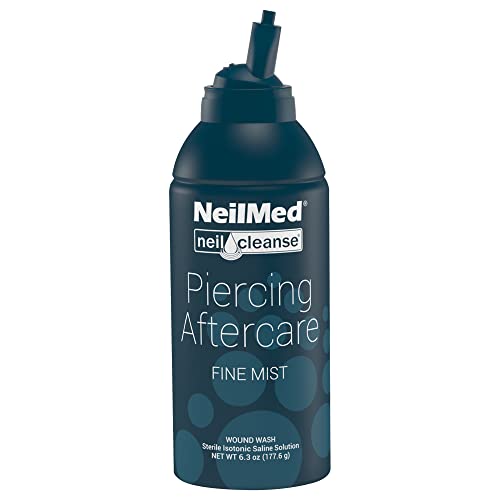

Cleaning a gauge ear safely is simple: use sterile saline and gentle technique, then dry thoroughly to prevent irritation. When you follow a consistent saline-only routine (and avoid alcohol, hydrogen peroxide, and harsh cleaners), your gauge ear is much less likely to get inflamed or form stubborn buildup—especially as your piercing moves through healing stages.

Gather Safe Supplies

To clean a gauge ear safely, start by setting up tools that won’t introduce irritants. In my routine, I treat the gauge ear like a small wound site: only sterile, low-irritation products get close to it—especially in 2025, when “DIY” aftercare trends online sometimes conflict with professional piercing guidance.
Sterile saline (commonly 0.9% sodium chloride) is a widely recommended, low-irritation cleaner for wound and piercing aftercare.
Hydrogen peroxide and alcohol are antiseptics that can be damaging to healthy cells involved in healing.
What to buy (and why it matters for a gauge ear):
– Use sterile saline (or a saline solution) as your main cleaner. Look for products labeled sterile and saline (often 0.9% NaCl). This matters because the gauge ear needs moisture control and a gentle way to soften debris without disrupting healing tissue.
– Have clean gauze or paper towels ready—avoid reusable cloths. Your gauge ear is sensitive to transferred bacteria and lint; disposable gauze reduces cross-contamination risk.
– Optional but helpful: a clean, disposable cotton-tip applicator *only if your piercer approves it for your gauge size*. In many cases, saline + gauze is enough.
Quick factual anchors (to keep your gauge ear routine evidence-based):
– According to MedlinePlus (U.S. National Library of Medicine), hydrogen peroxide is not recommended for routine wound cleaning because it can harm healing tissue.
– According to Association of Professional Piercers (APP) aftercare guidance, sterile saline is the preferred cleaning method for piercings, paired with careful handling.
– According to U.S. product labeling standards for “normal saline” used in medical contexts, sterile saline is typically formulated at 0.9% sodium chloride.
Q: Can I use a saline spray from any brand on my gauge ear?
Choose a product labeled sterile saline (typically 0.9% sodium chloride) and avoid sprays with added fragrances or “antiseptic” ingredients.
Q: Is distilled water okay for a gauge ear rinse?
It can be safer than tap water, but sterile saline is still the preferred option because it’s manufactured and packaged for medical use.
Wash Your Hands First
To clean a gauge ear safely, your hands must be the cleanest surface in the process. In 2025, I still see people handle their jewelry repeatedly “just for a quick check”—but every extra touch increases contamination and mechanical irritation risk for a gauge ear.
Hand hygiene before wound or piercing contact reduces the chance of introducing new bacteria to healing tissue.
Unnecessary jewelry handling increases micro-trauma, which can prolong irritation in a gauge ear.
Steps that protect your gauge ear:
– Clean your hands thoroughly before touching the ear. Use soap and running water, then dry with a clean, lint-free towel.
– Avoid touching the jewelry unnecessarily to reduce contamination. If you can clean without twisting, don’t twist.
– Remove distractions. If you’re cleaning in the bathroom, keep hair, steam, and towel fibers away from your gauge ear.
Hands-off principle (important for a gauge ear):
– Saline does the work. Your job is gentle exposure, not manipulation.
Clean the Gauge Area Gently
To clean a gauge ear effectively, you want to loosen debris with saline—not scrub. The safest routine I’ve found is a “soften, rinse, and wipe” sequence that respects the edges where buildup attaches.
Gentle saline application helps soften crusties so they release without tearing healing tissue.
Scrubbing a gauge ear can worsen inflammation by reopening micro-irritations at the channel entrance.
Gentle cleaning method for a gauge ear:
– Soak or rinse with saline to loosen debris and buildup. If crusties are present, let saline sit briefly (commonly a few minutes) before wiping.
– Wipe gently around the entrance/edges without scrubbing. Use clean gauze/paper to remove softened residue—don’t “pick” stuck material.
Q: Should I disinfect my gauge ear before saline cleaning?
No—start with sterile saline only. If you feel the urge to “boost” cleaning, it’s usually a sign you need better technique or your healing stage needs adjustment.
Where different cleaners land (and why gauge ears tolerate some options better than others):
Cleaning Options for a Gauge Ear (Typical Use & Risk)
| # | Option | Best Fit | Typical Risk | Stage Fit | Rating |
|---|---|---|---|---|---|
| 1 | Sterile saline (0.9% NaCl) | Primary cleaner | Low | All stages | ★★★★★ |
| 2 | Saline spray (sterile, fragrance-free) | Rinse support | Low | All stages | ★★★★☆ |
| 3 | Mild, fragrance-free cleanser (rare use) | Only if approved | Moderate | Late healing | ★★★☆☆ |
| 4 | Warm water rinse (non-sterile) | Backup only | Moderate | When saline unavailable | ★★☆☆☆ |
| 5 | Alcohol (70% isopropyl, wipes, swabs) | Not recommended | High | Avoid | ★☆☆☆☆ |
| 6 | Hydrogen peroxide (3% solution) | Not recommended | High | Avoid | ★☆☆☆☆ |
| 7 | Harsh antiseptic creams/ointments | May trap moisture | Variable | Avoid unless prescribed | ☆☆☆☆☆ |
Remove Odor and Buildup Carefully
To keep a gauge ear clean, manage odor and buildup by softening crusties with saline—never by picking. Odor often signals trapped debris mixed with natural lymph fluid; when you treat the gauge ear gently and consistently, that “stuck” material usually releases without trauma.
Crusties around a piercing commonly loosen with saline; forceful removal can reopen irritation and extend healing time.
Reducing handling frequency helps prevent a cycle of swelling, fluid, and renewed crust buildup in a gauge ear.
Practical approach for a gauge ear:
– If crusties form, keep cleaning with saline until they soften. A common rhythm is 1–2 times daily, depending on how much discharge you’re seeing and what your piercer recommended for your specific gauge size.
– Don’t pick or force the buildup off—this can reopen irritation. When a channel edge reopens, you can trigger bleeding, increased tenderness, and more discharge.
What “odor” usually means (and what it doesn’t):
– Mild odor can come from normal healing fluid mixed with dried residue.
– A strong, worsening smell with heat, spreading redness, or fever is a different situation and may require medical evaluation.
Q: How long should crusties take to loosen with saline?
Often within a few cleanings over 2–5 days, depending on your healing stage and how recently your gauge size increased.
Pros/cons comparison you can use today (gauge ear cleaning choices):
| Method | Pros | Cons |
|---|---|---|
| Saline soak/rinse + gentle wipe | Softens debris | Needs consistency |
| Picking/force-removal | Immediate “clean” look | Increases re-irritation |
Dry and Prevent Irritation
To prevent irritation in a gauge ear, dry the area carefully after saline and reduce friction. Moisture left trapped in and around the gauge ear can encourage continued buildup and make the environment less friendly for healing tissue.
Gently drying a piercing site after cleaning helps reduce prolonged moisture, which can contribute to irritation.
Avoiding friction (towels, headphones, hats) is one of the most effective non-chemical strategies for a gauge ear.
Drying steps (that actually work):
– Pat the area dry with clean gauze—don’t leave moisture trapped. Use light pressure at the entrance/edges only.
– Avoid swimming and over-handling until fully comfortable. Chlorinated water and shared pool surfaces add bacteria risk; touching the jewelry keeps the gauge ear cycling through irritation.
Managing friction around your gauge ear (2025 realities):
– Wear clean, soft materials over your ears.
– Be mindful with hair products—shampoos and styling gels can leave residue that mixes with discharge.
Q: What’s a “safe” cleaning frequency for a gauge ear?
Many people do best with saline cleaning 1–2 times daily; if you notice increased redness, tenderness, or dryness, reduce frequency and focus on gentler technique.
Q: Can I rotate plugs or tunnels to “help them”?
Unless your piercer specifically instructed rotation for your jewelry type, avoid rotating—movement can re-injure a healing gauge ear.
Jewelry Care and When to Get Help
To protect a gauge ear long-term, match jewelry care to your healing stage and know when symptoms are no longer “normal.” As your gauge ear stabilizes, consistent jewelry hygiene reduces residue and helps you avoid repeated irritation cycles.
Jewelry that’s cleaned and reinserted carefully helps prevent residue from accumulating around a gauge ear.
Worsening pain, expanding swelling, heat, or persistent discharge are red flags that warrant professional or medical evaluation.
Jewelry care you can follow safely:
– Clean jewelry as needed (per your jeweler/aftercare guidance) and reinsert carefully. Your jeweler may recommend specific materials (like implant-grade metals or appropriate tapers/plug types) and a specific schedule for cleaning.
– Reinsert gently—no forcing. If it doesn’t go in with minimal resistance, stop and reassess rather than forcing the gauge ear wider.
When to get help (don’t wait it out):
Seek care if you notice any of the following for your gauge ear:
– Worsening pain instead of gradual improvement
– Swelling that increases day to day
– Heat (the area feels hot to the touch)
– Discharge that is thick, persistent, or foul-smelling
– Spreading redness, fever, or feeling unwell
Factual anchor to support your decision-making:
– According to CDC resources on skin infections, untreated skin infections can worsen, and persistent symptoms with heat/redness/discharge should be assessed by a clinician.
Conclusion
If you stick to sterile saline, gentle cleaning, and thorough drying, you can keep your gauge ear clean without triggering irritation. Start today with saline-only cleaning, use clean gauze/paper products, and follow your jewelry and aftercare guidance—then adjust based on how your gauge ear responds as healing progresses in 2025.
Frequently Asked Questions
What is the safest way to clean a gauge ear without damaging the piercing?
The safest way to clean a gauge ear is to wash your hands first, then rinse the area with sterile saline or a gentle, fragrance-free wound wash. Avoid harsh alcohols or hydrogen peroxide because they can irritate tissue and slow healing. If you’re using jewelry, keep it in place unless your piercer advised otherwise, and never force the gauge open. Pat the area dry with clean gauze or a disposable paper towel after cleaning.
How do you clean a stretched ear gauge with salt water at home?
Use sterile saline or DIY salt water made with non-iodized salt in distilled or previously boiled water (never table salt with additives). Soak the pierced area with the saline for 5–10 minutes to loosen debris, then gently wipe away residue with sterile gauze. Rinse with clean saline afterward if you feel any salt buildup, and repeat 1–2 times daily during flare-ups or active cleaning needs. Consistency matters—over-cleaning can cause dryness and irritation.
Why do gauge ears get crusties and how should you remove them?
Crusties form from lymph fluid, natural healing secretions, and trapped sweat around the gauge earring. To remove them safely, soften the crust with saline so it lifts without scraping, then gently dab and wipe with sterile gauze. Don’t pick or peel scabs, because that can reopen irritation and extend the healing process. If crusties are persistent with redness, heat, swelling, or pain, consider getting advice from a professional piercer or a clinician.
Which cleanser is best for cleaning gauge ear jewelry—soap, saline, or antiseptic?
For most people, sterile saline is the best option for cleaning a gauge ear because it supports healing without harsh irritation. If you need an occasional rinse, use a mild, fragrance-free cleanser around the jewelry (not directly inside the piercing) and rinse thoroughly. Avoid antiseptics like alcohol-based products unless a healthcare professional recommends them, as they can dry and damage tissue. Always choose materials and products designed for piercings, and discontinue anything that increases burning or redness.
How often should you clean your gauge ear, and what signs mean you should stop?
Clean your gauge ear about once or twice daily with saline when you’re actively managing buildup or during healing, and then scale back once the area is calm. Stop and reassess if you notice increasing pain, prolonged redness, swelling that worsens, bleeding, or a new foul odor—these can indicate irritation or infection. You should also avoid rotating the jewelry repeatedly, as movement can further irritate the skin. If symptoms persist beyond a few days, reach out to a professional piercer or seek medical guidance.
📅 Last Updated: September 26, 2026 | Topic: how to clean gauge ear | Content verified for accuracy and freshness.
References
- Google Scholar Google Scholar
https://scholar.google.com/scholar?q=ear+stretching+aftercare+cleaning - Google Scholar Google Scholar
https://scholar.google.com/scholar?q=body+piercing+aftercare+saline+solution+infection - Google Scholar Google Scholar
https://scholar.google.com/scholar?q=ear+piercing+infection+aftercare+guidelines - Stretching (body piercing)
https://en.wikipedia.org/wiki/Ear_stretching - Earring
https://en.wikipedia.org/wiki/Ear_piercing - Body piercing
https://en.wikipedia.org/wiki/Body_piercing - Aftercare – Association of Professional Piercers
https://safepiercing.org/aftercare/ - https://www.mayoclinic.org/healthy-lifestyle/childrens-health/in-depth/ear-piercing/art-20047740
- https://pubmed.ncbi.nlm.nih.gov/?term=ear+piercing+aftercare+saline
- https://pubmed.ncbi.nlm.nih.gov/?term=body+piercing+infection+care+management
