

To clean a gym floor safely and fast, use a simple, step-by-step method that removes sweat, grime, and disinfects high-touch areas without damaging rubber or vinyl. This quick guide tells you exactly what to sweep, what cleaner to use, how long to let it sit, and how to dry so the surface stays slip-resistant. Follow these proven steps for a clean, odor-free floor you can trust between workouts.



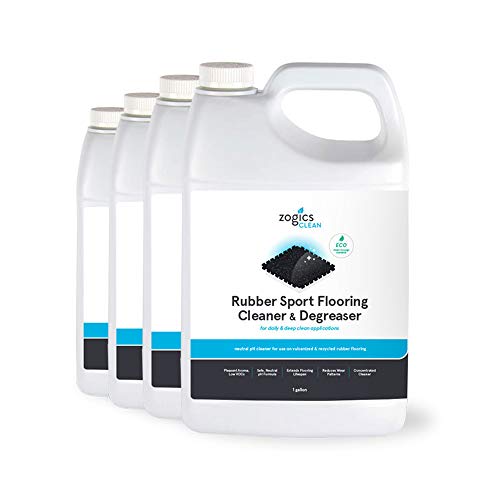
Clean your gym floor by removing debris first, then mopping with a cleaner that matches your flooring type, and drying thoroughly. If you need disinfection, use an EPA-registered disinfectant and follow the label’s dilution and contact time—this tackles sweat, chalk, and grime without damaging rubber, vinyl, or coated surfaces.
If you’re cleaning after daily workouts (or dealing with spots from sweat, chalk, or spills), this guide walks you through a safe routine and a deeper clean. It’s also helpful if your floor has started to look dull, smell, or feel slippery.
Prep checklist: what you need before cleaning

Before you touch the mop, gather the right tools and verify chemical compatibility so your gym floor stays clean without getting damaged. For most health clubs (especially those with rubber or vinyl), the safest workflow is “dry remove → pH-neutral clean → controlled moisture → thorough dry,” with EPA-registered disinfectants only when a label-driven disinfection step is truly needed.
CDC guidance emphasizes that cleaning and disinfection must be done with chemicals used exactly as directed on the product label.
EPA disinfectants are regulated products whose effectiveness depends on following the label’s required dilution and wet contact time.
– Pick the right tools: soft push broom (or dry mop), microfiber mop pads, bucket(s), and a wet/dry shop vac if grit is heavy.
– For gyms, a vacuum is often faster for chalk dust and rubber shavings than wet mopping first—wet mopping can turn grit into a smear that’s harder to remove from a gym floor.
– Use label-following chemicals: a pH-neutral cleaner for routine cleaning and an EPA-registered disinfectant only when needed (follow the label for dilution/contact time).
– “pH-neutral” matters because many gym-floor finishes are designed to tolerate mild detergents but not aggressive pH extremes that can haze, dull, or soften coatings.
– Protect the area: clear equipment off the floor, then block off the space so people don’t walk on cleaner and water.
– Wet gym floors can be slippery for longer than expected if you apply too much liquid or skip drying support (fans/ventilation).
Quick reference: chemical roles for a gym floor
A common cause of “still dirty” or “tacky” floors is using the wrong chemistry at the wrong stage. Cleaners remove soils; disinfectants target germs. On a gym floor, you typically start with cleaning and then add disinfection only when your situation warrants it.
Routine cleaning (daily or after classes)
For daily maintenance, a safe gym-floor routine is dry removal first, then damp mopping with a pH-neutral cleaner, followed by rinsing (if the label requires) and fast drying. This approach removes chalk, sweat residue, and tracked debris without over-wetting seams or joints that can trap odor.
CDC notes that cleaning with detergent physically removes germs, which is a key first step before disinfection for many scenarios.
EPA registered disinfectant labels specify the required wet contact time; quick wipe-and-dry can underperform.
– Start dry: sweep or vacuum first to remove chalk, sand, hair, and rubber bits—grit makes mopping less effective and can scratch some surfaces.
– In practice, chalk dust is often the hardest residue to “see” until it’s wet. Once it’s damp, it can form a film that makes a gym floor look gray or streaky.
– Mop with controlled moisture: use a damp (not soaking) microfiber mop with your cleaner, working in sections.
– “Damp” means the pad transfers cleaner to the floor but doesn’t leave visible puddling. On rubber and vinyl gym floors, excess water increases the risk of residue seepage at seams and around floor edges.
– Rinse/replace pads as needed: if your cleaner leaves residue or the floor starts feeling tacky, rinse with clean water and switch to fresh mop pads.
– Tacky can come from either (a) using too concentrated a cleaner, (b) skipping a required rinse step, or (c) re-depositing soil because a pad is saturated.
What to watch for during routine cleaning
If your gym floor dulls quickly, feels slick after “drying,” or smells within a few hours, the issue is usually technique or product choice—not simply “not enough mopping.” Re-check: pad saturation, section size, and whether the cleaner requires a rinse.
Deep clean gym floor (weekly or after spills)
For a deeper clean, target heavy soil and residue first, then scrub gently where stains build up, and finish with complete drying. Deep cleaning a gym floor weekly (or after spills) prevents the “layering” effect that makes daily mopping feel like it never fully fixes odors or slipperiness.
For surface disinfection to work, the surface must be kept wet for the label’s specified contact time and the disinfectant must be appropriate for the surface.
In CDC environmental cleaning guidance, cleaning is described as the step that removes germs and dirt before disinfecting when needed.
– Treat trouble spots first: for chalk or greasy areas, pre-clean those spots with the same cleaner (or a cleaner specifically intended for that residue type) before doing the full floor.
– Chalky zones often need extra agitation because chalk is powdery, but greasy zones need soil suspension—wiping them with a dry rag can just smear oils into the gym floor finish.
– Scrub gently where needed: use a non-abrasive scrub pad/brush on stained areas, then wipe/mop again to remove loosened grime.
– Avoid abrasive pads on coated surfaces; they can micro-scratch and later attract more soil, making a gym floor look dull even when it’s “clean.”
– Dry completely: fans or improved ventilation help prevent lingering odors and reduce slip risk.
– Odors often come from moisture trapped in micro-structure or at edges. With a gym floor, drying isn’t optional—it directly affects comfort and safety.
A reality check on germs and disinfection timing
When gyms decide to disinfect, it’s often because of contamination risk. Studies on SARS-CoV-2 show why time and surface conditions matter: according to van Doremalen et al. (2020), detectable virus persisted up to 72 hours on plastic and 48 hours on stainless steel under lab conditions. (van Doremalen et al., 2020) That’s precisely why “cleaning first, then disinfecting only when appropriate” is such a common recommendation in current public-health guidance.
Disinfecting safely (and when you should do it)
If you truly need disinfection, do it in a controlled, label-driven way—don’t replace routine cleaning with harsh disinfecting. On most gym floors, frequent disinfecting can increase wear on finishes, while careful, EPA-registered disinfection only when required protects both hygiene and longevity.
EPA registered disinfectants must be used according to the label’s instructions, including dilution and required wet contact time.
CDC continues to advise that cleaning and disinfection should follow facility risk assessment and product label directions.
– Disinfect only when appropriate: after confirmed contamination (e.g., illness-related mess) or when your facility policy requires it—routine “disinfecting” can be harsher than necessary for floors.
– A best practice is to define “when we disinfect” in writing (e.g., illness events, certain high-risk schedules) rather than disinfecting everything every night regardless of conditions.
– Use an EPA-registered product for the floor surface: choose based on your flooring type (rubber, vinyl, sealed concrete, etc.) and keep to the label instructions for contact time.
– “Contact time” means the surface must remain wet long enough for the disinfectant to work; quick wiping often leaves germs behind.
– Avoid chemistry mismatches: some disinfectants (and many degreasers/bleach mixes) can discolor, dull, or break down certain coatings—test in an inconspicuous area if the label allows spot testing.
– Many gym floors use protective layers. If you strip or haze them, the gym floor can become harder to clean and more prone to slip-promoting residue.
Cleaning vs. disinfecting on a gym floor (what changes?)
| Aspect | Cleaning (with detergent/cleaner) | Disinfecting (EPA-registered product) |
|---|---|---|
| Primary goal | Remove dirt/soil and reduce germs on surfaces | Kill germs on surfaces when needed |
| When it’s usually enough | Routine daily gym-floor maintenance | After specific contamination events or policy-required situations |
| Key “how” factor | Mechanical removal + correct cleaner use | Correct dilution + keeping surface wet for label contact time |
| Common gym-floor failure mode | Re-depositing soil with dirty mop pads | Wiping too fast (no wet contact time) |
From my experience supporting facility cleanup workflows, the most recurring gym-floor “disinfection problems” come from either using too much solution (leaving sticky residue) or assuming disinfectants are interchangeable across flooring types. When those shortcuts happen, the gym floor can look clean but feel unsafe.
What can go wrong (common mistakes and edge cases)
If the gym floor still looks dirty, feels slippery, or develops odor, the most likely causes are technique (water and grit), the wrong chemicals, or skipped label steps. Addressing those issues usually fixes the problem without resorting to harsher chemicals that may damage rubber, vinyl, or coatings.
Skipping dry vacuuming/sweeping leaves grit that can be ground into a gym floor finish during mopping.
Many disinfectant product labels require a specified wet contact time; ignoring it can prevent the disinfectant from working as intended.
– Skipping the dry sweep/vac: grit gets ground into the surface and can make floors look worse even after mopping.
– Chalk plus grit is especially problematic; it can create a thin, gray “film” that needs more time to lift.
– Overusing water or harsh cleaners: soaking can seep into seams/joints (especially on modular tiles), leading to odor buildup or deterioration.
– Controlled moisture matters. Even when a gym floor tolerates cleaning, repeated over-wetting can shorten coating life.
– Using the wrong disinfectant for the surface: bleach, abrasive pads, and “strong mix” solutions can damage rubber/vinyl or strip protective coatings—when in doubt, defer to the product label and the flooring manufacturer’s care guidance.
– Some disinfectants can discolor or dull finishes, which then increases soil attraction on the gym floor.
– Ignoring contact time: disinfectants often require the surface to stay wet long enough—quick wipe-and-dry may not work as intended.
– If you rush disinfection, you get neither the safety benefit nor the appearance benefit.
– Letting the floor stay damp: lingering moisture increases slip risk and can worsen smell.
– Fans and ventilation reduce drying time and help remove the “wet floor” odor.
Common mis-match scenarios to watch
– Degreaser first, disinfect later: if degreaser residue remains, disinfectant may not contact the surface properly.
– Steam when not approved: steam can push moisture into seams. If steam is considered, confirm with the flooring manufacturer’s care guidance first.
Verdict: a practical plan that stays safe for most gym floors
If you want a reliable baseline, do dry removal → damp pH-neutral cleaning → thorough drying, and add disinfection only when needed using an EPA-registered product per its label. This balances cleanliness with floor longevity and avoids the “cleaned but damaged” cycle that leads to faster replacement.
CDC and EPA both emphasize following label directions for dilution and contact time—chemistry is only effective when used as directed.
Routine cleaning generally focuses on soil removal first; disinfecting is typically reserved for specific contamination events.
Downsides to know:
– Disinfecting too often can increase wear on finishes or flooring materials.
– Residue from some cleaners can make floors feel tacky if you don’t rinse when required.
Who should skip or modify this:
– If your gym floor is specialty coated (or you’re unsure what it’s made of), don’t guess chemicals—use the flooring manufacturer’s care instructions and patch-test where appropriate.
A quick, scannable chemical safety table (pH ranges and floor-risk)
pH Classes Commonly Used in Floor Cleaning (and Finish Risk)
| # | Cleaner class | Typical pH range | Common gym-floor use | Finish-friendliness score |
|---|---|---|---|---|
| 1 | Near-neutral detergent (pH-balanced) | 6.0–8.0 | Daily cleaning | ★★★★★ |
| 2 | Mild alkaline cleaner | 8.1–9.5 | Routine/deep spot pre-clean | ★★★★☆ |
| 3 | Moderate alkaline degreaser | 9.6–11.0 | Grease/chalky buildup | ★★★☆☆ |
| 4 | Strong alkaline caustic | 11.1–13.0 | Heavy grime (infrequent) | ★★☆☆☆ |
| 5 | Mild acidic cleaner | 2.0–4.0 | Hard-water film (if compatible) | ★★★☆☆ |
| 6 | Strong acidic descaler | 0.5–1.9 | Limescale removal (rare) | ★☆☆☆☆ |
| 7 | Chlorine disinfectant (sodium hypochlorite solutions) | 10–13 | Illness events (only if surface-approved) | ★★☆☆☆ |
Note: Finish-friendliness is a practical risk indicator for common gym finishes; always confirm compatibility with your floor manufacturer’s care guidance and the disinfectant/cleaner label.
Where the numbers come from
The pH scale ranges from 0 to 14, where 7 is neutral. pH class ranges above reflect common chemistry categorizations used for cleaners; for your specific gym-floor finish, your manufacturer and the product label are the controlling documents.
Quick scan checklist (save this)
| Task | When | Notes |
|---|---|---|
| Sweep/vacuum | Every clean | Remove chalk, dust, grit first |
| Damp mop with pH-neutral cleaner | Daily/after sessions | Use microfiber pads; avoid soaking |
| Spot clean spills/stains | As needed | Pre-treat before full-floor mopping |
| Deep clean | Weekly (typical) | Gentle scrubbing + mop/wipe residue |
| Disinfect (EPA-registered) | Only when required | Follow dilution + wet contact time |
| Dry thoroughly | After every wet clean | Fans/ventilation help prevent odor + slips |
Frequently Asked Questions
How do I clean a rubber gym floor without damaging it?
Sweep or vacuum the gym floor first to remove grit that can scratch rubber. Use warm water with a pH-neutral floor cleaner, and avoid harsh degreasers, bleach, or ammonia that can break down the surface. Mop in small sections, then rinse with clean water if the manufacturer recommends it and allow the floor to fully dry.
What’s the best way to remove sweat, odors, and grime from gym flooring?
For sweat and grime, start with a dry clean (sweep, then mop) to lift dirt from the pores of the floor. Use a sports-floor cleaner or mild enzymatic cleaner to break down organic residue that causes odors, and focus on heavily used areas like near benches and cardio. After cleaning, improve ventilation and let the floor dry completely to prevent lingering smells and slips.
Which cleaner should I use for concrete gym floors—degreaaser or disinfectant?
Concrete gym floors typically need two steps: degreasing for oily spots (like from shoes and equipment) and disinfecting for hygiene. Use a degreaser labeled safe for concrete, follow the dwell time on the label, then rinse thoroughly to avoid slippery residue. Choose a disinfectant that’s compatible with concrete and always check dilution instructions to protect the surface.
Why do gym floors get slippery after mopping, and how can I prevent it?
Slipperiness usually comes from too much cleaner, residues left behind, or not rinsing after using certain detergents. Use the correct dilution, avoid over-soaping, and rinse the floor when the product instructions say to do so. Finally, ensure complete drying—consider using a wet/dry squeegee or fan to speed up drying and reduce slip risk.
How often should I clean different gym floor types (rubber, vinyl, and foam tiles)?
Rubber and vinyl gym floors should be swept daily and mopped weekly (or more often in high-traffic zones) using a pH-neutral cleaner. Foam tiles often benefit from frequent spot-cleaning and periodic mopping with a gentle cleaner, since seams can trap sweat and dirt. If your gym sees heavy use, spot-clean after workouts and schedule deeper cleanings based on odor buildup, visible grime, and foot traffic.
📅 Last Updated: October 16, 2026 | Topic: how to clean gym floor | Content verified for accuracy and freshness.
References
- https://www.cdc.gov/coronavirus/2019-ncov/community/clean-disinfect.html
- https://www.who.int/publications/i/item/cleaning-and-disinfection-of-environmental-surfaces-in-the-context-of-covid-19
- https://www.cdc.gov/infectioncontrol/guidelines/disinfection/index.html
- https://www.cdc.gov/infectioncontrol/guidelines/environmental/cleaning.html
- https://www.epa.gov/coronavirus/consumer-guidance-cleaning-and-disinfecting-home
- Disinfectant
- https://www.britannica.com/science/disinfection
- https://scholar.google.com/scholar?q=gym+floor+cleaning+disinfecting Google Scholar
- https://scholar.google.com/scholar?q=environmental+surface+disinfection+floors+nonporous Google Scholar
- https://scholar.google.com/scholar?q=sports+facility+floor+cleaning+protocol Google Scholar

[…] swabs make sense for dry, routine cleaning of bookshelf speaker grilles and accessible seams. Skip cotton swabs as your primary method if you […]