
Cleaning ink from wood can be accomplished using several effective methods, depending on the type of ink and finish of the wood. By understanding the nature of the ink stain and the wood’s finish, you can choose the right approach to restore your wooden surfaces to their original condition. This article will explore various techniques to safely remove ink stains, ensuring your wood surfaces look pristine again.
Understanding the Type of Ink
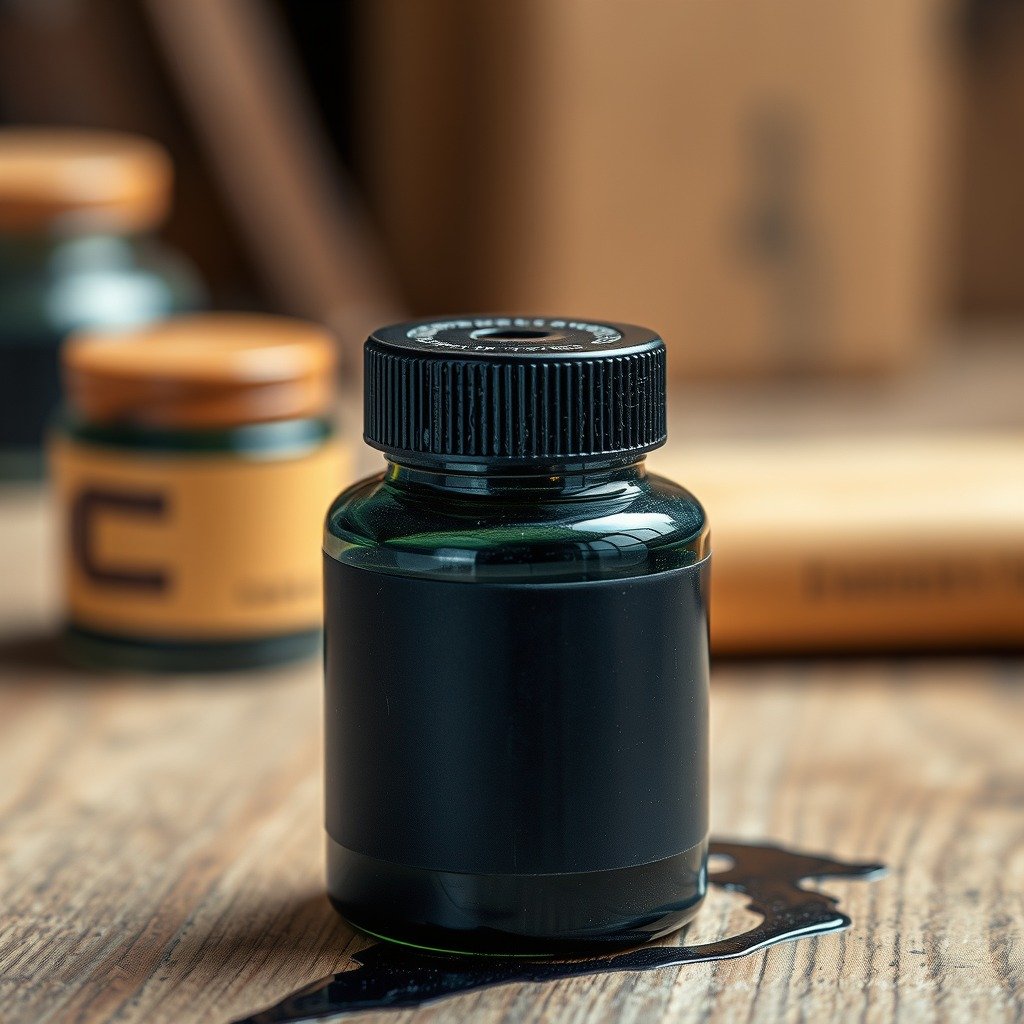
When it comes to removing ink from wood, the first step is to identify the type of ink involved. There are three main types of ink: ballpoint, fountain pen, and permanent ink. Ballpoint ink is oil-based and tends to sit on the surface of the wood, making it relatively easier to clean. Fountain pen ink, being water-based, can seep into the wood fibers, requiring a gentler approach to avoid damaging the finish. Permanent inks, usually alcohol-based or pigment-based, can be the most challenging to remove due to their strong adherence.

In addition to identifying the type of ink, the wood finish plays a crucial role in the cleaning process. Varnished wood has a protective layer that can withstand stronger cleaning agents, whereas unvarnished or raw wood is porous and can absorb liquids, making it more susceptible to damage. Understanding these factors will help you select the appropriate cleaning method to effectively remove ink stains without harming the wood.
Supplies You’ll Need
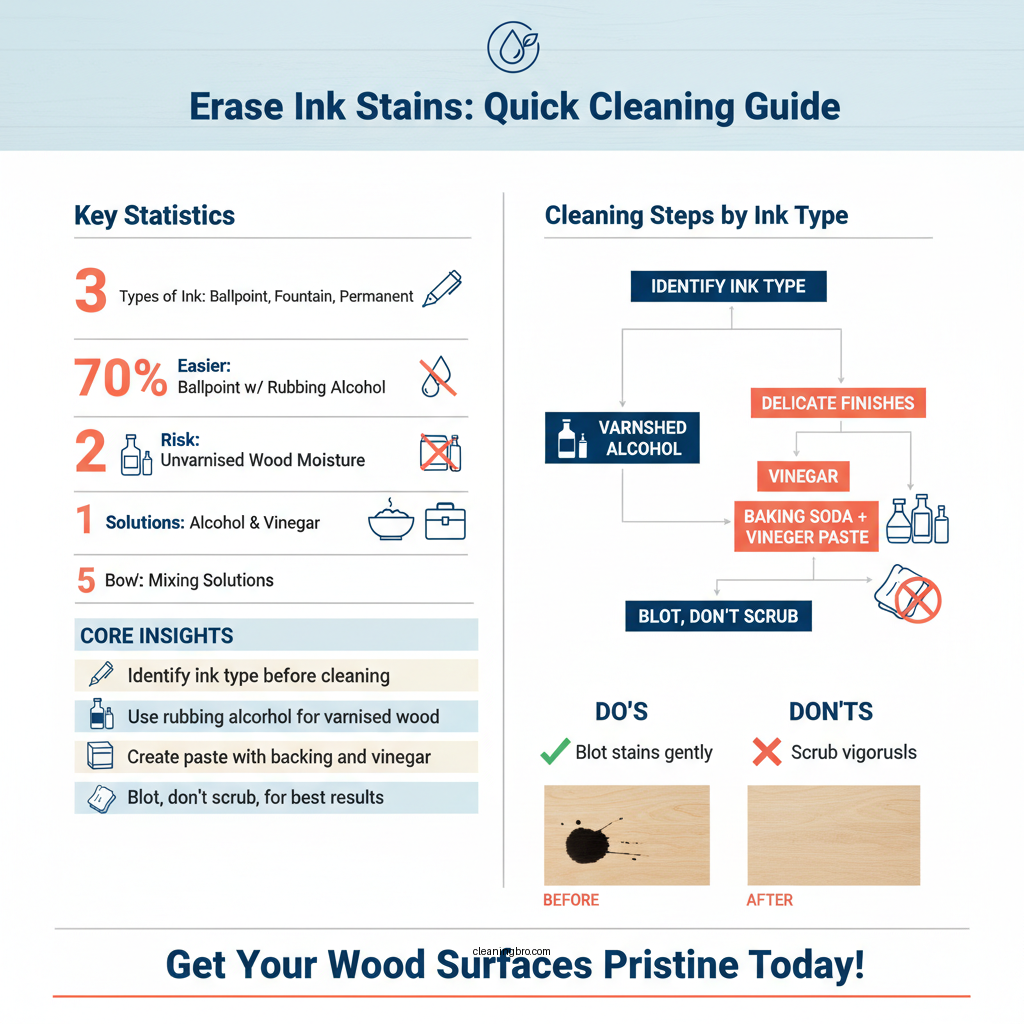
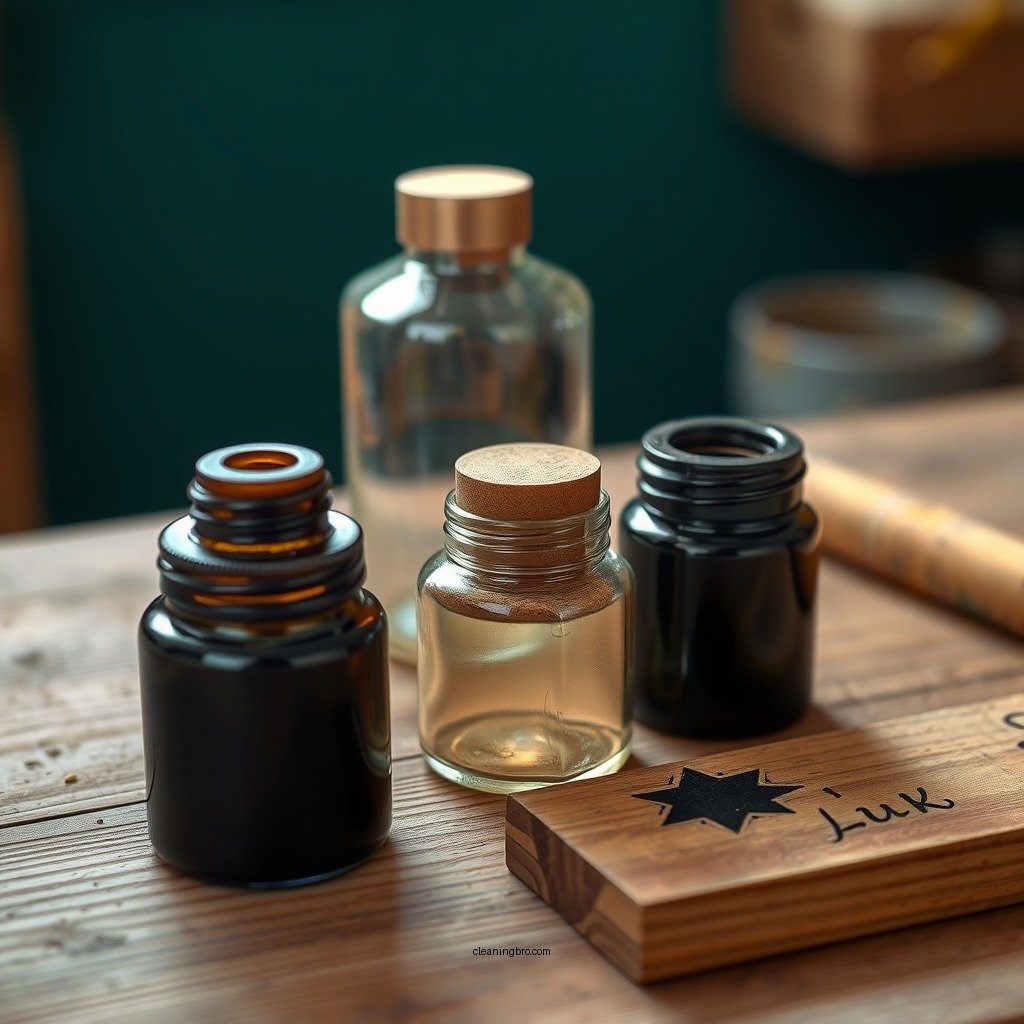
To clean ink from wood effectively, you will need several supplies that can help tackle various types of stains. Here’s a list of essential materials:
– Rubbing Alcohol: Effective for dissolving ink and suitable for varnished surfaces.
– Vinegar: A gentle, natural cleaner that can work well on various wood finishes.
– Baking Soda: When mixed with vinegar, it creates a paste that can lift stains.
– Soft Cloths: Microfiber or cotton cloths are gentle and effective for blotting.
– Cotton Swabs: Ideal for applying cleaning solutions to small, intricate areas.
– A Small Bowl: For mixing solutions, particularly when creating pastes.
Having these supplies on hand will prepare you for any ink cleaning situation that may arise.
Method 1: Using Rubbing Alcohol
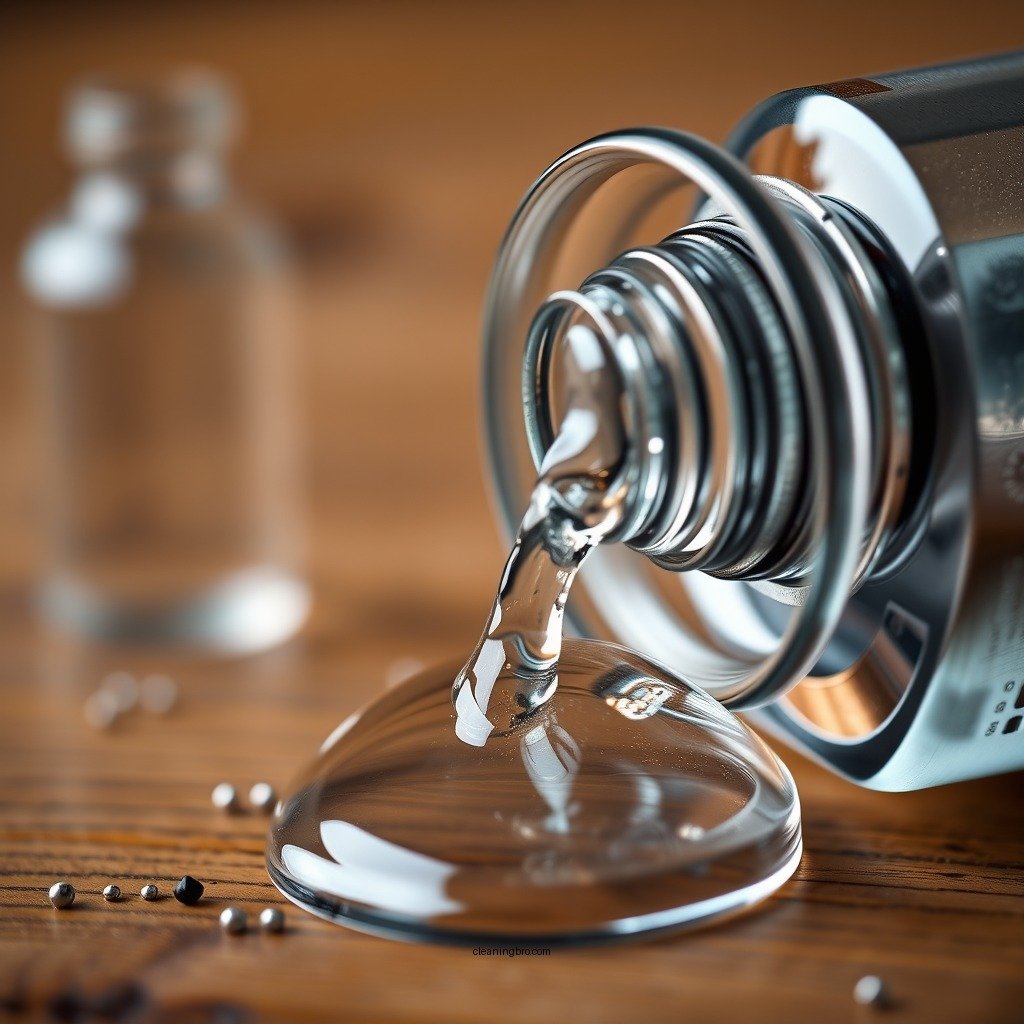
Rubbing alcohol is a common household disinfectant that doubles as a powerful ink remover. To use this method, follow these steps:
1. Dampen a Cloth: Take a clean cloth and dampen it with rubbing alcohol. Make sure it is not soaking wet to avoid excess liquid running into the wood.
2. Blot the Stain: Gently blot the ink stain, starting from the outer edge and working inward. This technique helps to prevent spreading the stain further.
3. Avoid Scrubbing: Be careful not to scrub the stain, as this can damage the wood’s finish. Instead, allow the rubbing alcohol to lift the ink naturally.
4. Wipe Clean: Once the ink begins to lift, use a dry portion of the cloth to wipe away any residue.
5. Repeat if Necessary: For stubborn stains, you may need to repeat the blotting process until the ink is completely removed.
This method is particularly effective for varnished wood, as the alcohol evaporates quickly, minimizing the risk of damage.
Method 2: Vinegar and Baking Soda Paste
For those seeking a natural cleaning solution, a vinegar and baking soda paste can be an excellent choice. Here’s how to create and use this paste:
1. Make the Paste: In a small bowl, mix equal parts of baking soda and vinegar. The mixture will bubble initially; allow it to settle before use.
2. Apply the Paste: Using a soft cloth or cotton swab, apply the paste directly onto the ink stain. Ensure you cover the entire area of the stain.
3. Let It Sit: Allow the paste to sit on the stain for about 10-15 minutes. This waiting period enables the baking soda and vinegar to penetrate the stain.
4. Wipe Off: Gently wipe away the paste with a damp cloth, ensuring that no residue is left behind.
5. Dry the Area: Use a dry cloth to blot the area and remove any remaining moisture.
This method is effective for both varnished and unvarnished wood surfaces, although caution should be taken with unvarnished wood to avoid excess moisture.
Method 3: Commercial Wood Cleaners
When home remedies do not yield the desired results, it may be time to turn to commercial wood cleaners specifically designed for ink removal. Follow these steps:
1. Research Products: Look for wood cleaners that are formulated for ink stains. Brands like Goo Gone or Krud Kutter are often recommended.
2. Read Instructions: Carefully read the product instructions and safety information before use.
3. Apply the Cleaner: Use a soft cloth to apply the cleaner to the ink stain, following the manufacturer’s guidelines.
4. Wipe Away Residue: After the specified time, gently wipe the area clean with a damp cloth.
5. Repeat if Needed: If the stain persists, you may need to apply the cleaner again or try an alternative product.
Using a commercial cleaner is usually effective for stubborn stains, but always ensure compatibility with your wood’s finish.
Top 5 Ink Types and Cleaning Methods
| # | Ink Type | Best Cleaning Method | Effectiveness |
|---|---|---|---|
| 1 | Ballpoint Ink | Rubbing Alcohol | High |
| 2 | Fountain Pen Ink | Vinegar Paste | Medium |
| 3 | Permanent Ink | Commercial Cleaners | Low |
| 4 | Marker Ink | Rubbing Alcohol | High |
| 5 | Gel Ink | Vinegar Paste | Medium |
Comparison of Cleaning Methods for Ink Removal
| Feature | ⭐ Rubbing Alcohol | Vinegar & Baking Soda | Commercial Cleaners |
|---|---|---|---|
| Effectiveness on Ballpoint Ink | ✅ | ❌ | ✅ |
| Effectiveness on Fountain Pen Ink | ✅ | ✅ | ❌ |
| Effectiveness on Permanent Ink | ❌ | ❌ | ✅ |
| Natural Cleaning Agent | ❌ | ✅ | ❌ |
| Ease of Use | ✅ | ✅ | ✅ |
| Cost | Low | Low | Medium |
| Suitable for Varnished Wood | ✅ | ✅ | ✅ |
| Suitable for Unvarnished Wood | ❌ | ✅ | ❌ |
| Safe for All Types of Wood | ✅ | ✅ | ❌ |
| 🏆 Best For | Ballpoint Ink Removal | Natural Cleaning | Heavy Stains |
Preventing Future Ink Stains
Prevention is always better than cure, especially when it comes to maintaining wooden surfaces. Here are some effective strategies to protect your wood from ink stains in the future:
1. Use Coasters and Mats: Place coasters or mats under pens and drink containers to catch any accidental spills or ink drips.
2. Apply a Protective Finish: Consider applying a protective finish, such as polyurethane or lacquer, to your wood surfaces. This makes cleaning easier and provides a barrier against stains.
3. Educate Household Members: Inform everyone in your household about the importance of being cautious with ink and other staining substances around wooden furniture.
4. Regular Maintenance: Regularly clean and maintain your wood surfaces to ensure they remain in optimal condition, reducing the risk of stains setting in.
Implementing these preventive measures will help keep your wood surfaces looking immaculate and extend their longevity.
Additional Tips for Success
Cleaning ink from wood can be a delicate process, and success often depends on a few critical factors:
– Test First: Before applying any cleaner to a visible area, always test it on a small, inconspicuous spot. This helps ensure that the method you choose will not damage the wood’s finish.
– Be Patient: For stubborn stains, patience is key. Repeating the cleaning process multiple times may be necessary to achieve the desired results.
– Use Gentle Pressure: When blotting or applying cleaners, use gentle pressure to avoid scratching or damaging the wood surface.
– Choose the Right Time: Cleaning in a well-lit environment can help you see the ink more clearly and ensure you’re treating the right areas.
By following these tips, you can enhance your chances of successfully removing ink stains without compromising the integrity of your wood surfaces.
Cleaning ink from wood is manageable with the right techniques and materials. By understanding the type of ink and finish of the wood, you can select the most appropriate method for stain removal. Whether you choose to use rubbing alcohol, a vinegar and baking soda paste, or a commercial cleaner, each method has its place in effective ink removal. Additionally, implementing preventive measures and following careful cleaning practices will help maintain the beauty of your wood surfaces. If you encounter persistent stains that resist all cleaning attempts, consider consulting a professional for more intensive restoration.
Frequently Asked Questions
What are the best methods to clean ink from wood surfaces?
The best methods to clean ink from wood surfaces include using rubbing alcohol, vinegar, or a commercial wood cleaner. Start by applying a small amount of rubbing alcohol on a cotton ball and gently dabbing the ink stain. For stubborn stains, a mixture of vinegar and water can help lift the ink without damaging the wood finish.
How can I safely remove ink stains from unfinished wood?
To safely remove ink stains from unfinished wood, use a paste made from baking soda and water. Apply the paste to the stain and gently scrub with a soft cloth or toothbrush. Rinse the area with clean water and dry thoroughly to prevent any moisture damage.
Why is it important to act quickly when cleaning ink from wood?
It is important to act quickly when cleaning ink from wood because the longer the ink sits, the more it can penetrate the wood fibers, making it harder to remove. Immediate action helps to minimize potential staining and damage, preserving the wood’s appearance and integrity.
Which household items can I use to remove ink stains from wood?
Household items that can effectively remove ink stains from wood include rubbing alcohol, vinegar, baking soda, and dish soap. Each of these items helps to break down the ink, with rubbing alcohol being particularly effective for fresh stains, while baking soda works well on tougher, older stains.
What precautions should I take when cleaning ink from wood furniture?
When cleaning ink from wood furniture, always test your chosen cleaning solution on a small, inconspicuous area first to ensure it does not damage the finish. Use a soft cloth to avoid scratching the wood, and apply any cleaning agents gently to prevent further damage to the surface.
References
- https://www.sciencedirect.com/topics/earth-and-planetary-sciences/wood-cleaning
https://www.sciencedirect.com/topics/earth-and-planetary-sciences/wood-cleaning - https://www.ncbi.nlm.nih.gov/pmc/articles/PMC5531030/
https://www.ncbi.nlm.nih.gov/pmc/articles/PMC5531030/ - Removing Scratches From A Tempered Glass Table
https://www.hunker.com/13404216/how-to-remove-ink-from-wood - https://www.woodmagazine.com/materials-guide/finishes/ink-removal-from-furniture
https://www.woodmagazine.com/materials-guide/finishes/ink-removal-from-furniture - https://www.britannica.com/science/wood
https://www.britannica.com/science/wood - Google Scholar Google Scholar
https://scholar.google.com/scholar?q=how+to+clean+ink+from+wood - Google Scholar Google Scholar
https://scholar.google.com/scholar?q=ink+removal+from+wood+surfaces - Google Scholar Google Scholar
https://scholar.google.com/scholar?q=cleaning+wood+furniture+ink+stains - how to clean ink from wood – Search results
https://en.wikipedia.org/wiki/Special:Search?search=how+to+clean+ink+from+wood - https://www.ncbi.nlm.nih.gov/search/research-articles/?term=how+to+clean+ink+from+wood
https://www.ncbi.nlm.nih.gov/search/research-articles/?term=how+to+clean+ink+from+wood
