How to Clean ITE Receiver on Hearing Aid
Cleaning the ITE (In-The-Ear) receiver on your hearing aid is essential for maintaining optimal performance and sound quality. Regular cleaning helps to remove debris, wax, and moisture that can negatively impact the functionality of your device. In this guide, we will walk you through the necessary tools and techniques to ensure that your hearing aid receiver remains in excellent condition, thereby enhancing your overall hearing experience.
Understanding Your Hearing Aid
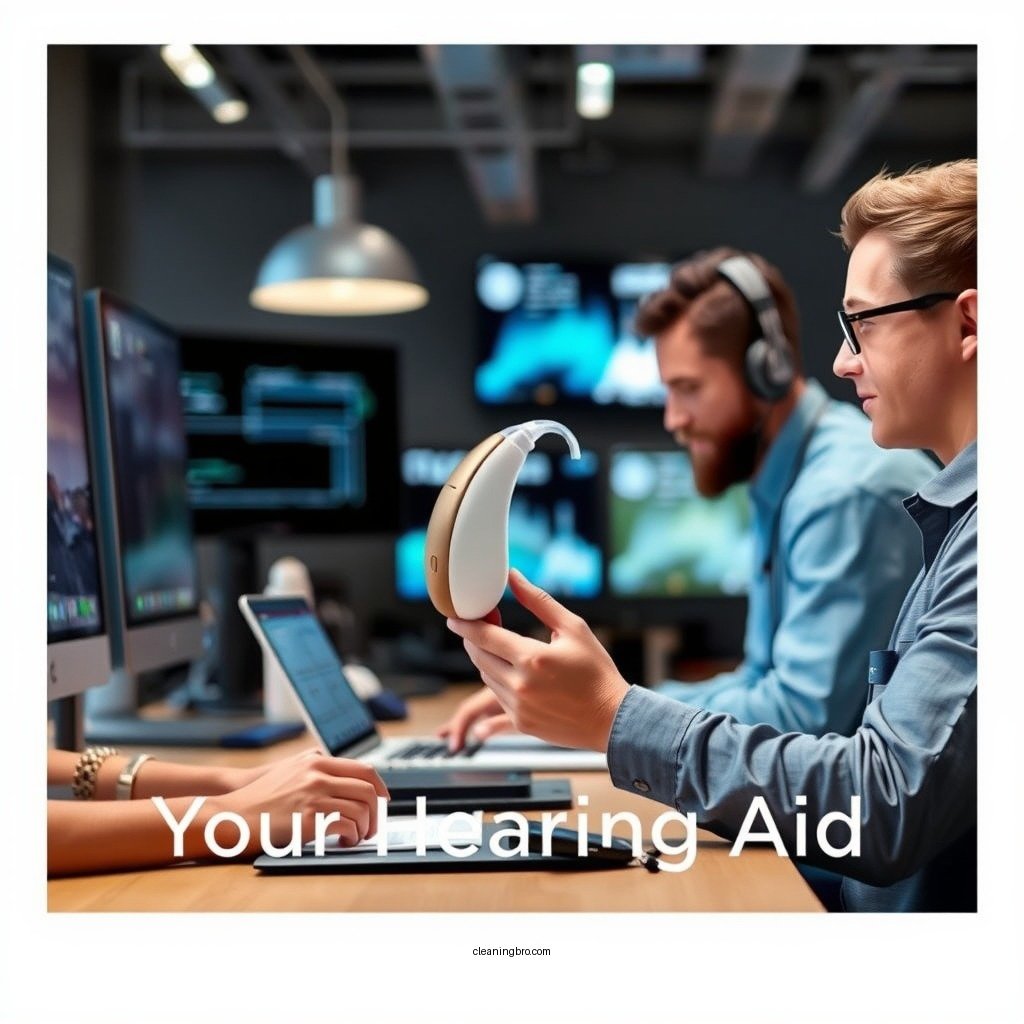
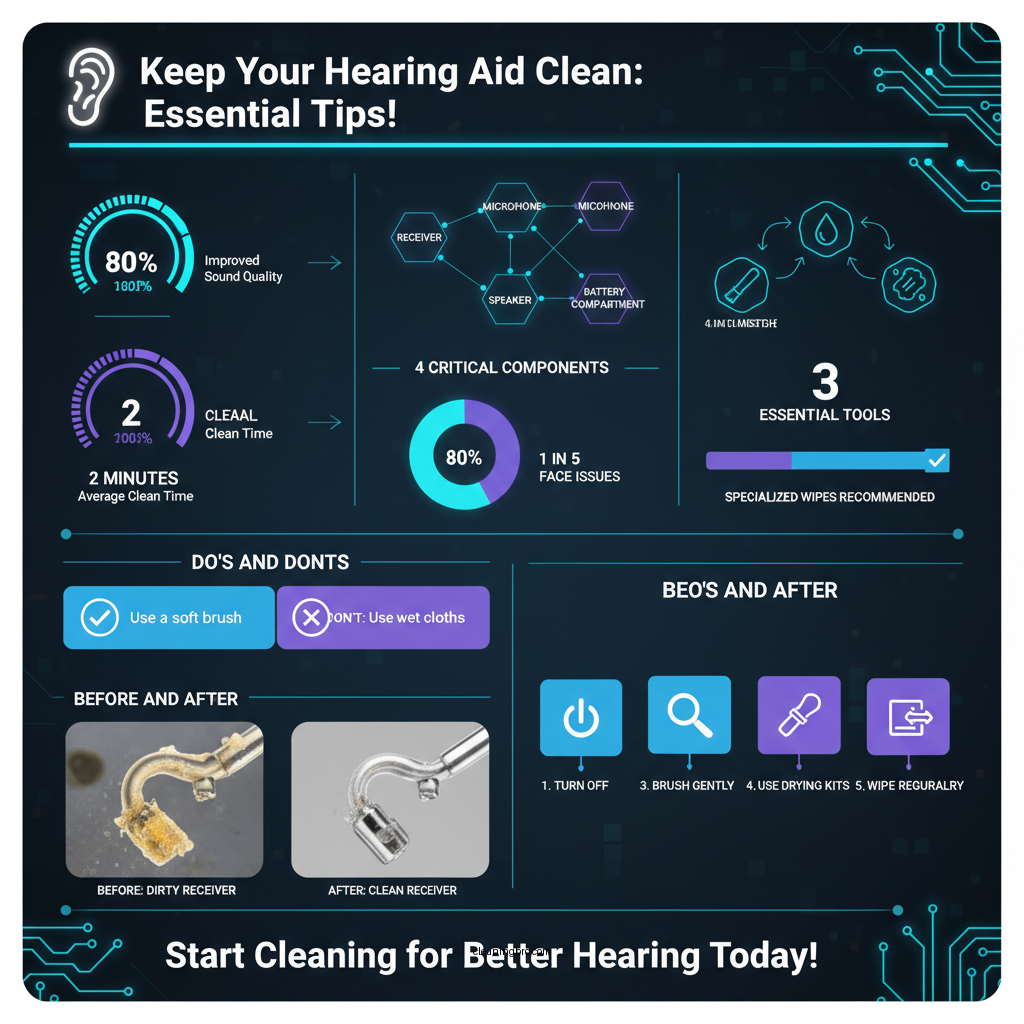
The ITE receiver is a crucial component of your hearing aid, responsible for converting electrical signals into sound. This small device fits directly in the ear canal, which makes it susceptible to earwax, moisture, and other environmental factors. Understanding the various parts of your hearing aid can greatly assist in the cleaning process. Key components include:
– Microphone: Captures sound from the environment.
– Amplifier: Increases the sound signal for better clarity.
– Receiver/Speaker: Converts the amplified signal into sound waves.
– Battery Compartment: Houses the power source for your hearing aid.
Familiarizing yourself with these parts not only aids in cleaning but also helps you spot any potential issues during routine maintenance.
Essential Tools for Cleaning
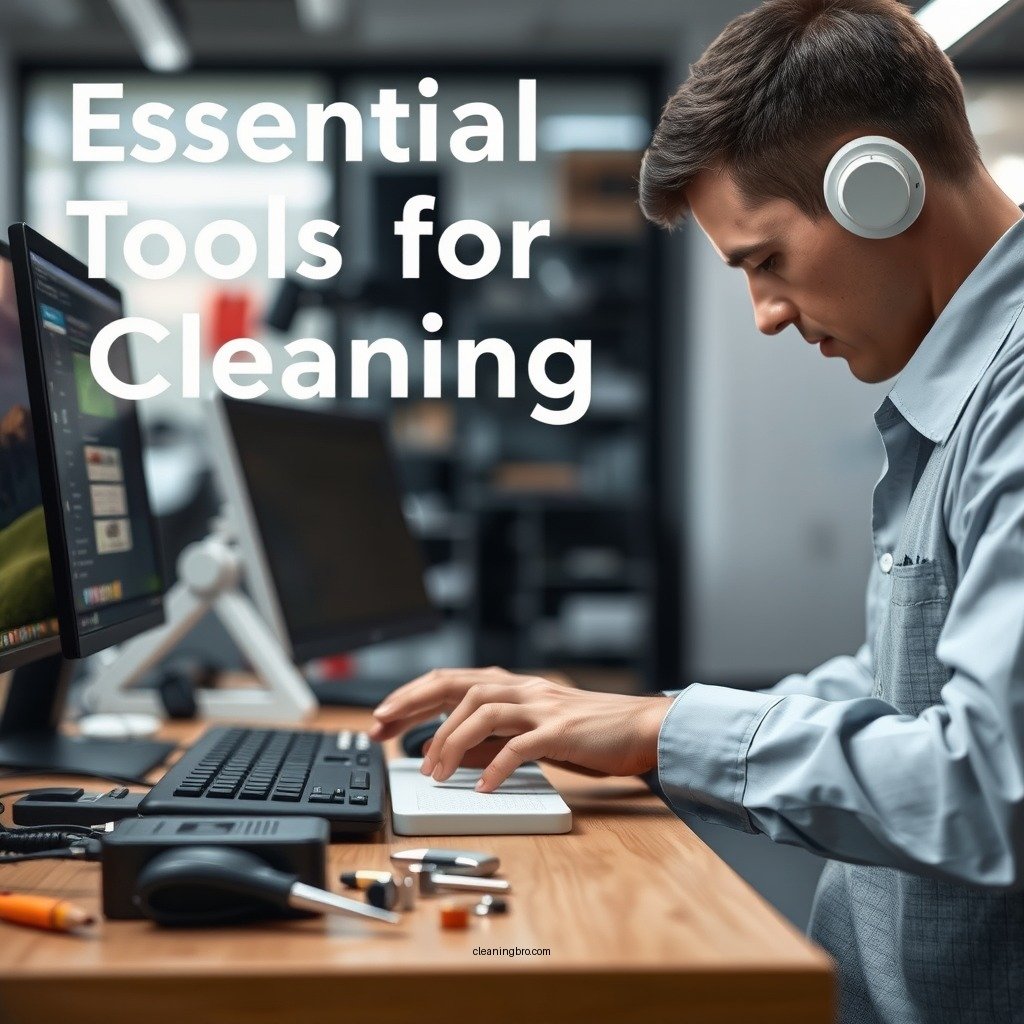
To effectively clean your ITE receiver, you will need a few simple yet essential tools:
– Soft, Dry Cloth: Use this to wipe the exterior of your hearing aid gently. A microfiber cloth is ideal as it does not scratch the surface.
– Small Soft Brush or Hearing Aid Cleaning Tool: A specialized cleaning tool will assist in removing debris and earwax from the receiver without causing damage. This brush typically has soft bristles that can navigate tight spaces.
– Drying Kit or Dehumidifier: If your hearing aid has been exposed to moisture, a drying kit can help absorb any lingering dampness.
– Cleaning Wipes: Opt for wipes specifically designed for hearing aids to ensure that you do not cause any harm to the device while cleaning.
Step-by-Step Cleaning Process
1. Turn Off Your Hearing Aid: Before beginning the cleaning process, it’s crucial to turn off your hearing aid to prevent any accidental damage or malfunction.
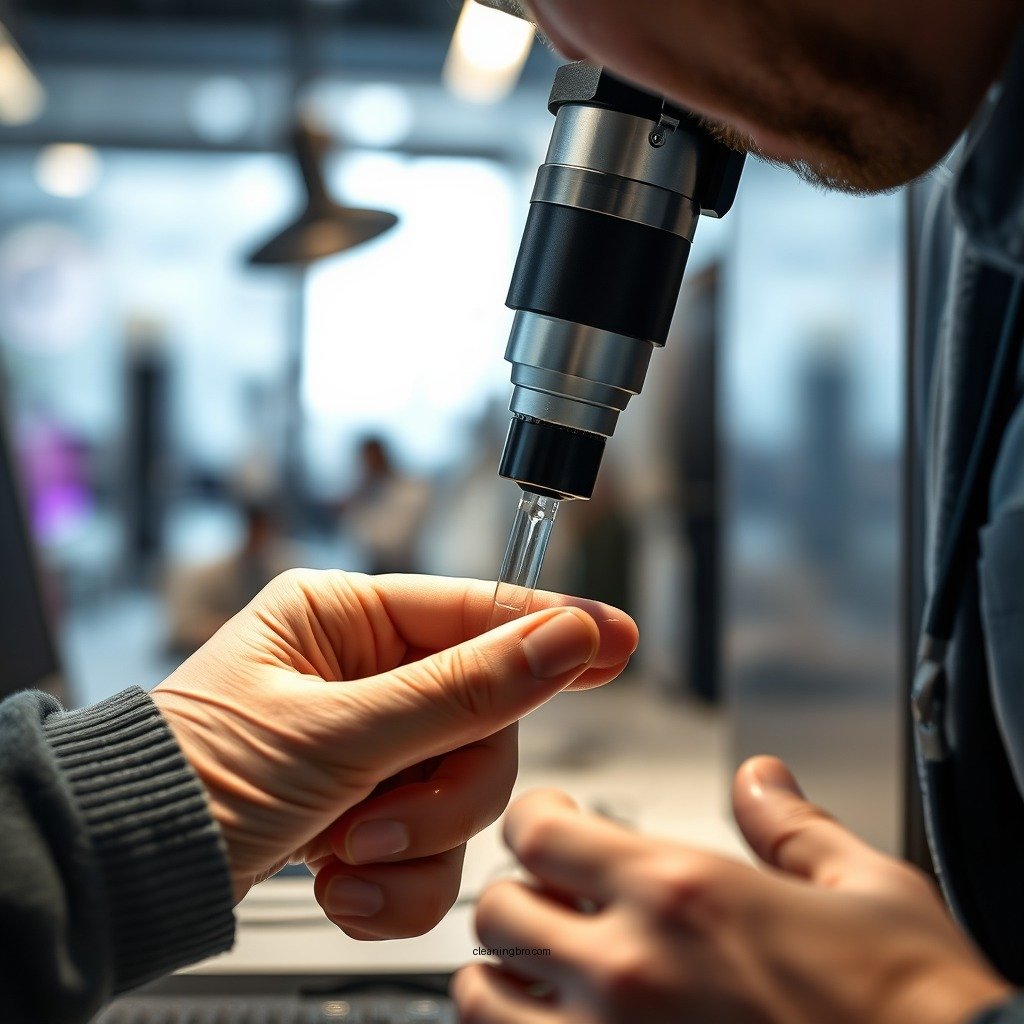
2. Inspect the Receiver: Look for any visible debris or wax buildup around the receiver. This will help you know where to focus your cleaning efforts.
3. Gently Brush the Receiver: Using your small brush or hearing aid cleaning tool, gently brush away any wax or debris. Be careful not to push the debris further into the receiver.
4. Wipe Down the Exterior: Use your soft, dry cloth to wipe down the exterior of the hearing aid. This removes any dirt or oils that may have accumulated on the surface.
5. Check the Battery Compartment: If applicable, remove the battery and check the compartment for any moisture or corrosion. Clean it gently if necessary.
6. Reassemble and Test: Once you’ve completed the cleaning, reassemble your hearing aid and test it to ensure it’s working properly.
Top 5 Hearing Aid Maintenance Tools (2024)
| # | Tool | Purpose | Cost |
|---|---|---|---|
| 1 | Hearing Aid Brush | Debris Removal | $10 |
| 2 | Cleaning Wipes | Surface Cleaning | $5 |
| 3 | Drying Kit | Moisture Absorption | $20 |
| 4 | Hearing Aid Cleaner Spray | Deep Cleaning | $15 |
| 5 | Multi-Tool Kit | Comprehensive Cleaning | $30 |
Dealing with Moisture
Moisture can be particularly detrimental to the performance of your hearing aid. To mitigate the risks associated with humidity, consider the following strategies:
– Use a Drying Kit or Dehumidifier: These specialized kits can help absorb moisture that may have accumulated inside your hearing aid, prolonging its lifespan and maintaining sound quality. It’s advisable to use these kits regularly, especially if you live in a humid environment or sweat frequently.
– Avoid Heat Sources: Excessive heat can damage the sensitive components of your hearing aid. Avoid exposing it to direct sunlight, hot car interiors, or other heat sources.
– Daily Maintenance: Incorporate daily checks to ensure that your hearing aid is free from moisture. Using a soft cloth to wipe it down after wearing can help minimize moisture buildup.
Regular Maintenance Tips
To keep your hearing aid functioning optimally, adhere to these maintenance tips:
– Daily Cleaning: Aim to clean your hearing aid every day or as recommended by your audiologist. Regular cleaning prevents the accumulation of debris and moisture.
– Proper Storage: Store your hearing aid in a safe, dry place when not in use. A designated case can provide protection against dust and accidental damage.
– Battery Care: If your hearing aid uses disposable batteries, ensure you replace them regularly. For rechargeable models, keep them charged as per the manufacturer’s guidelines.
– Avoid Self-Repairs: If you encounter any issues with your hearing aid that cleaning cannot resolve, consult your audiologist. Attempting to repair the device yourself can lead to further damage.
Types of Hearing Aid Maintenance Tools
| Feature | ⭐ Hearing Aid Brush | Cleaning Wipes | Drying Kit |
|---|---|---|---|
| Effectiveness | ✅ Excellent | ✅ Good | ✅ Excellent |
| Ease of Use | ✅ Simple | ✅ Simple | ✅ Requires Setup |
| Portability | ✅ Compact | ✅ Compact | ✅ Bulky |
| Cost | $10 | $5 | $20 |
| Availability | ✅ Widely Available | ✅ Widely Available | ✅ Limited |
| User Ratings | ★★★★☆ | ★★★☆☆ | ★★★★☆ |
| Maintenance Frequency | Daily | Weekly | Monthly |
| Replacement Cycle | Every 6 months | As Needed | Every 1-2 years |
| 🏆 Best For | General Cleaning | Surface Maintenance | Moisture Control |
When to Seek Professional Help
Even with regular cleaning and maintenance, there may be times when you need to seek professional assistance. Consider consulting your audiologist in the following situations:
– Persistent Sound Quality Issues: If you notice that your hearing aid isn’t functioning as it should, or if the sound quality has diminished despite your cleaning efforts, it may be time for a professional evaluation.
– Physical Damage: If your hearing aid has been dropped or exposed to moisture, a professional can assess and repair any damage that may not be visible.
– Routine Check-ups: Regular visits to your audiologist can help catch potential issues before they become serious and ensure that your hearing aid is functioning optimally.
Seeking professional help can provide peace of mind and ensure that your hearing aid continues to serve you effectively.Maintaining the ITE receiver on your hearing aid is vital for ensuring it functions properly and enhances your hearing experience. By following these cleaning steps and tips, you can help extend the life of your hearing aid and enjoy better sound quality. Remember to incorporate regular maintenance into your routine, and don’t hesitate to reach out to a professional if needed. Keeping your hearing aid clean and well-maintained is not just about functionality; it’s about enhancing your quality of life through better hearing.
Frequently Asked Questions
How do I properly clean the ite receiver on my hearing aid?
To properly clean the ite receiver on your hearing aid, first, ensure that the device is turned off and remove it from your ear. Use a soft, dry cloth to gently wipe the receiver and remove any earwax or debris. It’s also advisable to use a small brush designed for hearing aids to reach hard-to-clean areas, ensuring that the receiver remains clear for optimal sound quality.
What tools do I need to clean the ite receiver on my hearing aid?
To clean the ite receiver on your hearing aid, you will need a soft, dry cloth, a small brush or hearing aid cleaning tool, and a mild cleaning solution or wipes specifically designed for hearing aids. These tools will help you effectively remove dirt and wax buildup without damaging the delicate components of your device.
Why is it important to clean the ite receiver on my hearing aid regularly?
Regular cleaning of the ite receiver on your hearing aid is crucial to maintain sound clarity and device performance. Accumulation of earwax and debris can obstruct sound transmission, leading to muffled audio and potentially damaging the receiver. Cleaning helps extend the lifespan of your hearing aid and ensures you receive the best auditory experience.
What is the best method for removing stubborn wax from the ite receiver?
The best method for removing stubborn wax from the ite receiver involves using a combination of a soft brush and a damp cloth. First, gently brush the receiver to dislodge any wax, then use a slightly damp cloth to wipe it down. Avoid using excessive moisture or harsh chemicals, as these can damage the electronic components of the hearing aid.
Which cleaning products are safe to use on my ite receiver?
When cleaning your ite receiver, it’s best to use products specifically designed for hearing aids, such as alcohol-free wipes or cleaning sprays. Avoid household cleaners, as they may contain harsh chemicals that could harm the device. Always check the manufacturer’s recommendations for any specific cleaning products they endorse for your hearing aid model.
References
- Page Not Found – Site Help – Mayo Clinic
https://www.mayoclinic.org/diseases-conditions/hearing-loss/symptoms-causes/syc-20366008 - Hearing Aids — Styles/Types & How They Work | NIDCD
https://www.nidcd.nih.gov/health/hearing-aids - https://www.ncbi.nlm.nih.gov/books/NBK456186/
https://www.ncbi.nlm.nih.gov/books/NBK456186/ - https://www.hhs.gov/guidance/sites/default/files/hhs-guidance-documents/Cleaning%20Hearing%20Aids.pdf
https://www.hhs.gov/guidance/sites/default/files/hhs-guidance-documents/Cleaning%20Hearing%20Aids.pdf - https://www.who.int/news-room/fact-sheets/detail/hearing-loss
https://www.who.int/news-room/fact-sheets/detail/hearing-loss - https://www.ncbi.nlm.nih.gov/pmc/articles/PMC7152993/
https://www.ncbi.nlm.nih.gov/pmc/articles/PMC7152993/ - Hearing aid | Types, Benefits & Uses | Britannica
https://www.britannica.com/science/hearing-aid - Google Scholar Google Scholar
https://scholar.google.com/scholar?q=how+to+clean+ite+receiver+on+hearing+aid - Google Scholar Google Scholar
https://scholar.google.com/scholar?q=cleaning+hearing+aids - Google Scholar Google Scholar
https://scholar.google.com/scholar?q=hearing+aid+maintenance+and+care