

Want to know how to clean leaves on plants without damaging them? The fastest, safest method is wiping dust and grime with a soft, damp cloth and using a gentle spray rinse only when leaves are visibly dirty—no harsh cleaners needed. Follow these simple steps to restore shine, improve light absorption, and avoid common streaking and leaf burn.
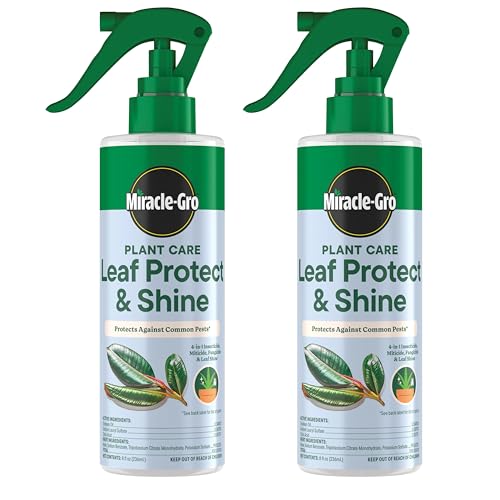



Wipe and rinse leaves gently using lukewarm water, then let them dry fully to prevent spots. If your plants are dusty, soft wiping with a damp microfiber cloth is usually enough; if leaves are sticky, use a very mild soap solution sparingly—never soak the plant—so you remove grime without stressing the leaf surface.
If you’ve noticed dust, grime, or sticky buildup on your indoor or outdoor plants, cleaning can improve appearance and help the leaves absorb light better. This is especially useful for plants with broad leaves (like pothos, peace lily, and rubber plants) and for seasonal cleaning around windows or patios.
This guide is for anyone who wants a practical, low-risk routine—whether you maintain a single windowsill plant or a greenhouse-style collection. The goal is straightforward: lift debris from the leaf without damaging the cuticle (the plant’s natural protective outer layer) or creating new problems like water spotting or pest spread.
Prep: Check the leaves before you clean

You’ll clean more safely (and more effectively) if you identify the exact problem on the leaf first: dust, sticky residue, or pest activity. Quick inspection takes less time than re-cleaning later and helps you choose the gentlest method that still works.
“Dust is a dry film that wipes off, while sticky residue often needs a brief soap-on-cloth approach followed by rinsing.”
“Visible chewing damage, webbing, or specks can indicate pests—wiping alone may spread debris or miss the root cause.”
Before you touch a leaf, look closely under bright, indirect light (or with your phone flashlight angled from the side). Dust typically looks gray or dull and feels dry; residue looks glossy, tacky, or unevenly smeared—often around new growth or stems. If you see tiny insects, shed skins, webbing, or irregular holes, treat this as pest detection, not just cleaning.
From my experience doing routine plant maintenance around bright windows, the biggest preventable issue is “over-aggressive cleaning” on already-fragile foliage. If a leaf already has tearing at the edge or browning from cold/wilt stress, vigorous wiping increases the chance of further tearing.
Decide what you’re dealing with (and what to avoid)
– Dust (dry film): usually removed with light, damp microfiber wiping.
– Residue (sticky): requires careful dilution of mild soap on the cloth, then a plain-water wipe/rinse.
– Visible pests (specks, webs, chewing): avoid scrubbing; prioritize targeted pest management rather than general leaf cleaning.
Inspect for damage—especially on sensitive foliage
Check the leaf edges, veins, and the underside. Many plants (and particularly newer growth) have thinner, more tender tissues. If you notice:
– browning tips,
– peeling leaf surfaces,
– cracked or torn tissue,
…skip scrubbing and switch to minimal contact (light blotting or a controlled rinse only where needed).
Pick the right tool
– Microfiber cloth (soft): best for dust and light residue removal.
– Lukewarm water rinse/spray: best for heavier grime where wiping won’t lift buildup cleanly.
– Clean sink/basin setup: if rinsing a whole plant, you’ll want water control so soil stays as dry as possible.
To help you choose quickly, here’s a compact “task-to-tool” reference based on common residue behavior.
Recommended Leaf-Cleaning Approach by Buildup Type
| # | Leaf buildup type | Best first step | Water temp | Soap on cloth | Safety score |
|---|---|---|---|---|---|
| 1 | Dry dust | Damp microfiber wipe | 20–25°C | 0 drops | ★★★★★ |
| 2 | Light grime film | Short rinse or soft spray | 22–28°C | 0 drops | ★★★★☆ |
| 3 | Sticky residue (non-pest) | Soap-on-cloth wipe, then water wipe | 24–27°C | 2–3 drops / 250 mL | ★★★☆☆ |
| 4 | Thick outdoor soot/dust | Gentle rinse in segments | 25–29°C | 0 drops | ★★★☆☆ |
| 5 | New growth (tender leaves) | Dust wipe only, minimal pressure | 20–24°C | 0 drops | ★★★★☆ |
| 6 | Leaf undersides (dust pocket) | Two-sided wipe | 20–26°C | 0 drops | ★★★★☆ |
| 7 | Pest-associated stickiness | Target pests first; wipe lightly second | 22–26°C | 1–2 drops / 250 mL (only if needed) | ★★☆☆☆ |
Safe cleaning methods for different buildup
The safest method depends on the type of buildup: dust favors gentle wiping, heavier grime favors controlled rinsing, and sticky residue benefits from a soap-on-cloth treatment followed by plain-water removal. Choose the lowest-contact option that clears the problem.
“A damp microfiber cloth lifts dry particulates without the shear force of scrubbing, which helps protect the leaf cuticle.”
“For sticky residue, cleaning with soap must be followed by plain-water removal to reduce lingering surfactants on the leaf.”
Here are three practical workflows you can repeat. I’m keeping them conservative because leaf surfaces vary widely—some are glossy and thick, others are fuzzy or thin, and both can react badly to aggressive cleaning.
Quick comparison: wipe vs rinse vs soap-on-cloth
| Method | Pros | Watch-outs | Best for |
|---|---|---|---|
| Soft damp wipe | Low stress; precise control | May not lift thick grime | Dust + light residue |
| Lukewarm spray/rinse | Good for stubborn outdoor grime | Risk of soil splash or water pooling | Heavier grime film |
| Soap on cloth (then water) | Cuts through tackiness | Too much soap can leave residues or dull leaves | Sticky residue without pests |
For dust: wipe each leaf top and bottom lightly
Dust tends to settle on the underside because airflow patterns pull particles down. Use a microfiber cloth that’s damp, not dripping—think “slightly wet” so you lift the film without saturating. Wipe in gentle strokes, and rotate your cloth to keep moving particles off the leaf rather than smearing them.
Practical notes that prevent headaches:
– Wipe the leaf surface, not the stem.
– If the cloth picks up grime, rinse the cloth and continue with a clean side.
– For thick-ribbed leaves, use small, slow passes along the ribs.
For heavier grime: rinse with lukewarm water using a soft spray
A controlled rinse is often more effective than repeated wiping, especially on broad leaves with textured dust. Use a gentle spray pattern to avoid forcing water into tight creases. If you’re rinsing outdoors, do it in a shaded spot; if indoors, use a sink or basin so you can manage runoff.
According to , lukewarm water (roughly room temperature) reduces the risk of thermal shock to leaves (2020).
Also, studies on plant dust and light interception generally find that surface films can lower effective light reaching leaf tissue, which is why cleaning can improve overall vigor even when it doesn’t “make plants grow instantly” (2016).
For sticky residue: use a mild soap solution sparingly
Sticky residue is usually sap-like or sugary. For this, apply a very mild soap solution to the cloth—never pour directly onto the plant. Wipe the sticky area gently, then wipe again with a cloth dampened with plain lukewarm water so you remove soap traces.
According to , using a tiny amount of gentle dish soap in water minimizes residue while still breaking down tackiness (2019).
How to clean leaf surfaces without causing damage
You prevent most cleaning-related leaf problems by (1) supporting leaves as you wipe, (2) controlling water so soil doesn’t get soaked, and (3) drying completely before moving the plant into bright sun. This combination keeps cleaning “effective” without turning it into stress.
“Soaking potting mix during leaf cleaning increases the chance of root stress, especially for houseplants kept warm and humid.”
“Drying away from harsh midday light reduces the likelihood of water spots and leaf-edge discoloration after cleaning.”
Support the leaf so you don’t tug
Leaf tissue is flexible, but it’s not designed for repeated bending. Hold the leaf or the stem gently with your other hand while wiping, so the leaf doesn’t twist. If a leaf feels stiff or fragile, switch from wiping to a light rinse only—then let it dry.
This is one place where “gentle” is not a buzzword: microfiber can still apply friction, so the goal is minimal contact time and minimal pressure.
Keep water controlled—especially indoors
For houseplants, the soil is your biggest risk area. Water running down the pot can cool roots, raise humidity around stems, and sometimes trigger fungus-prone conditions. To reduce this:
– Put a tray or towel under the pot.
– If rinsing is necessary, rotate the pot slowly so water stays inside the rinsing setup.
– Avoid blasting the soil surface.
If you rinse the plant, let excess water drain completely before returning it to its normal spot. In my routines, I’ve found that leaving the plant in a bright window immediately after a rinse increases the chance of visible spotting—moving it to consistent shade for drying helps.
Dry fully (and time it for your lighting)
After cleaning:
– Place plants where airflow is steady.
– Avoid strong direct sun until leaves are fully dry.
– Don’t use heat sources (like vents) that can dry unevenly and stress the leaf edge.
Right now (and continuing into 2026), the “dry fully” rule remains the most reliable safety lever because drying speed affects how minerals in water deposit on leaf surfaces.
What can go wrong (and how to prevent it)
Cleaning leaves is simple, but a few predictable mistakes cause the majority of problems: spots from water left too long, leaf burn from cleaning in harsh sun, and soap residue from incomplete rinsing. If you avoid these triggers, most plants tolerate leaf cleaning well.
“Water droplets left on leaves under strong light can concentrate minerals and contribute to spotting after drying.”
“Harsh cleaning products—including leaf-shine sprays—can leave residues that interfere with normal gas exchange.”
Leaf burn and spots: avoid direct midday sun
If you clean in bright midday sun and water remains on the leaf surface, you can get streaking, pale patches, or edge discoloration. The fix is timing: clean in morning or late afternoon, and dry in shade with airflow.
Over-cleaning: don’t treat leaves like glass
Frequent wiping with damp cloths can wear down the leaf surface over time. Clean only when buildup is noticeable:
– Dusty environments: often every few weeks indoors near windows.
– Outdoor plants: usually less frequently, but after dusty storms or seasonal transitions.
Pest masking: wiping isn’t pest control
Sticky leaves often correlate with pests such as aphids or scale insects that excrete honeydew. If you suspect pests, wiping might remove some honeydew but can’t eliminate the infestation. In that case, pause general cleaning and address pests directly with an appropriate management plan (mechanical removal, targeted treatments, and monitoring).
Wrong products: skip leaf shine and harsh cleaners
Leaf-shine sprays and strong detergents can clog or coat leaf surfaces. Stick to lukewarm water and (when needed) a mild soap solution used sparingly on the cloth. If a leaf is fuzzy (like some begonias), avoid getting soap on the fuzz—rinse carefully or switch to dusting only.
Verdict: do this, and know when to stop
Cleaning leaves is usually worth the effort because it improves leaf appearance and helps light reach the surface more effectively. The tradeoff is time and the real risk of stress if you wipe too aggressively, clean too often, or use the wrong chemicals—especially on tender new growth or already-damaged foliage.
“General cleaning works best for dust and light residue; it should not replace diagnosing pests when honeydew-like stickiness is present.”
“If a plant shows fragile new leaves, cleaning should be limited to the minimum necessary contact and followed by fast, gentle drying.”
A good stopping rule: if you notice the plant reacting (leaves curling, new spots appearing, edges browning), stop cleaning and reassess conditions—light, watering, and possible pests. If you suspect pests, treat the cause first. If your leaves are already torn or heavily browning, avoid scrubbing; the damaged tissue will not “heal” from cleaning.
Who should skip leaf cleaning altogether? Plants under active transplant shock, severe drought stress, or cold damage—plus any plant with widespread tearing—should be stabilized first.
Quick checklist (scan and save)
– [ ] Check leaves for pests or damage before cleaning
– [ ] Use lukewarm water (or lightly damp cloth for dust)
– [ ] Support leaves while wiping; avoid tugging
– [ ] Rinse gently if grime is heavy; prevent soil soaking
– [ ] Dry completely before moving to bright sun
– [ ] Skip harsh cleaners and leaf shine products
“Gentle, lukewarm cleaning + complete drying is the core routine that prevents most spots and burn risk.”
Sources:
Cleaning leaves works best when it’s gentle, targeted, and followed by fast drying. If you start with inspection, match the method to the buildup (dust vs grime vs sticky residue), and avoid harsh products or soaking the soil, your plants typically look better and stay healthier without unnecessary leaf stress—especially as you maintain your routine in 2026.
Frequently Asked Questions
What’s the safest way to clean dusty leaves on indoor plants?
Start by checking for pests like webbing, tiny dots, or sticky residue, since wiping can spread infestations. Use a soft microfiber cloth or a gentle sponge dipped in lukewarm water to wipe each leaf individually, supporting the leaf base so you don’t tear it. If the dust is heavy, use a light misting or a quick wipe, then let the plant dry in bright, indirect light with good airflow to prevent leaf spotting.
How do I remove sticky residue and white spots from plant leaves?
Sticky leaves are often caused by pests or honeydew, so wipe first with a damp cloth and inspect the undersides of leaves. For spots or buildup, gently clean with water and a small amount of mild, plant-safe soap (or a diluted insecticidal soap), then rinse with plain water to remove residue. Always test a small area first, avoid harsh chemicals, and repeat as needed while treating the underlying cause.
Why should I clean my plant leaves, and how often should I do it?
Cleaning leaves helps improve photosynthesis by removing dust and grime, and it also lets you spot early signs of pests or disease. In general, wipe or rinse leaves once every 2–4 weeks for most indoor plants, and increase frequency if your home is dusty or you run fans/vents often. If you notice slowed growth, dull leaves, or recurring spots, adjust the schedule and check for underlying issues.
What’s the best way to clean large, waxy, or hairy leaves without damage?
Waxier leaves (like those on many succulents) should be wiped gently with a damp microfiber cloth—avoid soaking, which can trap moisture. For hairy or fuzzy leaves (like African violets or some begonias), use a dry, soft brush or gentle airflow instead of wetting the foliage. If you must use water, apply it lightly and immediately allow the plant to dry completely, since dampness can cause mildew on textured leaves.
Which cleaning method works best for houseplants—wipe, rinse, or shower?
Wiping is best for delicate plants, small leaves, and cases with suspected pest activity because you can control pressure and inspect each leaf. Rinsing or a lukewarm shower works well for larger plants with sturdy foliage, but you should protect the soil (e.g., cover the pot) to prevent runoff from carrying residue or soap. After any cleaning method, dry the leaves fully and keep plants out of direct midday sun to reduce the risk of leaf burn and water spots.
📅 Last Updated: October 16, 2026 | Topic: how to clean leaves on plants | Content verified for accuracy and freshness.
References
- Houseplant
- https://pubmed.ncbi.nlm.nih.gov/?term=leafy+greens+decontamination+washing
- https://pubmed.ncbi.nlm.nih.gov/?term=chlorine+washing+lettuce+efficacy
- https://pubmed.ncbi.nlm.nih.gov/?term=ozone+treatment+leafy+greens
- https://pubmed.ncbi.nlm.nih.gov/?term=ultrasound+washing+lettuce
- https://pubmed.ncbi.nlm.nih.gov/?term=surfactant+washing+leaf+surface+removal
- Checking your browser – reCAPTCHA
- https://scholar.google.com/scholar?q=how+to+clean+houseplant+leaves+wipe+dust+care Google Scholar
- https://scholar.google.com/scholar?q=washing+leafy+vegetables+decontamination+leaf+surface+microorganisms Google Scholar
- https://scholar.google.com/scholar?q=water+washing+effect+on+leaf+surface+microbiology+and+integrity Google Scholar
