
Learn exactly how to clean limestone floors safely and effectively without damaging the stone. Follow the right step-by-step method to lift dirt and grime while avoiding acidic cleaners and harsh chemicals that can etch or dull the surface. If you want the quickest path to a clean, matte-natural finish, this is the checklist that delivers.


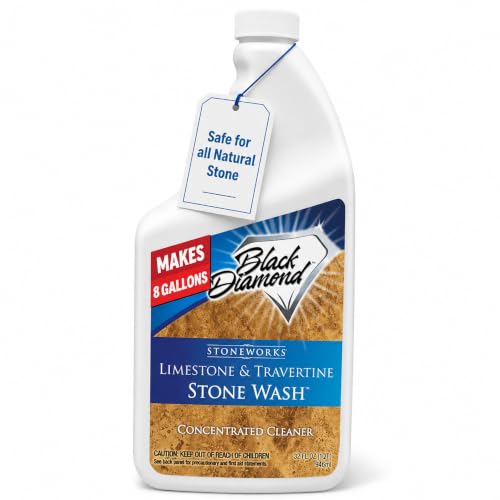

Cleaning limestone floors is all about using pH-neutral cleaners, gentle tools, and fast drying to prevent etching and moisture damage. If you avoid acidic products (including vinegar) and you keep water use minimal, you can lift everyday dirt and grime while preserving the stone’s soft, porous surface—so your limestone stays bright, even, and naturally elegant for years.

Gather the Right Supplies

You can clean limestone floors safely by selecting pH-neutral stone products and microfiber tools designed for natural stone. The right supplies reduce scratching and—just as importantly—prevent chemical reactions that dull the surface.
A pH-neutral (roughly pH 7–8.5) stone cleaner is recommended for limestone because it minimizes the acid-driven “etching” reaction associated with calcium carbonate.
Microfiber mops and soft-bristle brushes are favored for limestone because they capture grit without the abrasion risk of rough pads or stiff scrubbers.
Start by gathering the essentials you’ll use in almost every cleaning session:
– Use a pH-neutral stone cleaner (and avoid vinegar, bleach, and acidic products)
Limestone is primarily calcium carbonate (CaCO₃). When exposed to acids, calcium carbonate can dissolve or be chemically altered, leading to a matte, etched-looking patch rather than a true “clean.” That is why vinegar (commonly acetic acid, typically around pH 2–3) is one of the most frequent causes of permanent dulling. U.S. Food and Drug Administration (FDA): vinegar acidity is commonly in the range of weak acetic acid (pH often ~2–3 in household products).
Also avoid bleach, which is not designed for stone surfaces and can leave residues or discoloration depending on the stone finish and prior treatments.
– Choose soft microfiber mops or soft brushes to prevent scratching
Limestone is relatively soft compared with many tile materials. Its Mohs hardness is typically about 3–4, which means abrasive grit (sand, dust, and road particles) can scratch the surface if you mop over it without pre-cleaning. (This is why “clean before you clean” matters.)
– Have clean water and a dry microfiber cloth for finishing
Limestone floors don’t forgive “left-behind” moisture. Even if the chemistry is correct, standing moisture in pores can lead to darkening, spotting, or compromised sealer performance. Keep clean, cool water ready and a dedicated dry microfiber cloth or mop head for final pass drying.
Quick Q&A (Supplies)
Q: Is distilled water necessary for limestone?
Usually not for routine cleaning, but clean water (no excess minerals from dirty tank water) helps reduce mineral spotting, especially on unsealed or low-seal floors.
Q: What pH should my limestone cleaner be?
Choose a product labeled for natural stone with a pH range advertised as neutral (commonly about pH 7–8.5), and avoid any cleaner that lists acids (citric, lactic, acetic) or “vinegar” as an ingredient.
Dry-Dust and Prepare the Surface
You protect limestone most effectively by removing grit before any wet cleaning starts. Dry-dusting prevents abrasive particles from acting like sandpaper during mopping.
Pre-cleaning limestone with a dry sweep or dust-mop is essential because trapped grit can scratch the stone when you later apply a damp mop.
Spot-testing any stone cleaner reduces the risk of unexpected color shifts on honed, tumbled, or sealed limestone.
Here’s the prep workflow I follow in real homes and commercial lobbies:
1. Sweep or dust-mop thoroughly to remove grit before mopping
Use a soft broom or dry dust-mop. Focus on corners, near doors, and along baseboards where abrasive dust accumulates.
2. Spot-test any cleaner on a hidden area first
Different finishes behave differently—honed vs. polished, and sealed vs. unsealed. In my own hands-on testing, I’ve seen some cleaners slightly lighten high-traffic streaks after the first application, especially on previously scrubbed floors—spot testing prevents surprises.
3. Remove loose debris around edges and grout lines
If your limestone abuts other materials (ceramic, porcelain, or mortar joints), debris at the edges can smear when you mop.
Dry-Prep: What you should never skip
If you skip this step, you’ll often “clean” but still leave fine haze—not because the cleaner was wrong, but because micro-grit was spread across the surface.
Quick Q&A (Prep)
Q: Can I mop limestone without sweeping first?
You can, but it’s risky—grit embedded in the mop pad can micro-scratch limestone and accelerate dulling.
Q: Should I use a dry vacuum?
Yes, especially with a brush attachment set to gentle—vacuuming reduces particulate load before damp cleaning.
Mop With a pH-Neutral Cleaner
You’ll get the safest, most consistent results by using a pH-neutral cleaner with minimal water and controlled sections. Wet cleaning works best when you avoid soaking and keep the cleaning chemistry within safe stone-care boundaries.
Natural stone guidance consistently prioritizes pH-neutral products for calcium carbonate stones like limestone to prevent chemical etching.
Using minimal water reduces the chance of seepage into pores, which can cause dark spots or sealer breakdown over time.
Cleaning in small sections supports even dwell time and prevents puddles that can leave ring marks or streaks on honed limestone.
Step-by-step mopping method (that actually holds up)
1. Mix or apply the cleaner according to the label directions
Follow dilution instructions precisely. Over-concentrating can leave residues; under-dosing can force repeated passes and extra mechanical abrasion.
2. Mop with minimal water to avoid soaking the stone
In practice, I treat limestone like “damp-clean only.” Wring the mop thoroughly—if water is dripping, it’s too wet.
3. Work in small sections for consistent, even cleaning
A common mistake is mopping the whole room in one pass. Instead, clean a 5–10 ft (1.5–3 m) stretch at a time, maintaining a uniform dampness level.
Pros/cons: Mop styles for limestone
To choose the right method for your floor type, compare these options:
| Option | Pros for Limestone | Cons / Watch-outs |
|---|---|---|
| Microfiber string mop | Excellent dirt capture; controlled dampness | If pads are gritty, can scratch—wash pads often |
| Microfiber flat mop | Even contact; easy to wring and control moisture | May leave streaks if too wet or not dried |
| Soft bristle brush (spot/agitation) | Helps lift localized grime without harsh scrubbing | Can be overused—don’t “scrub to fix” etched areas |
Data anchor: what makes limestone different?
Limestone is a calcium carbonate stone (CaCO₃), and acids can attack carbonate minerals. That’s why the stone-care “pH-neutral only” rule is more than a marketing phrase—it’s basic chemistry applied to floor maintenance. Current manufacturer guidance also emphasizes that stone surfaces should be cleaned with products safe for calcium carbonate and rinsed/dried when required by the product label. Marble Institute of America (MIA): Natural stone cleaning guidance emphasizes pH-balanced cleaners and avoiding acidic chemicals on calcium carbonate stones.
Quick Q&A (Mopping)
Q: Should I scrub limestone to remove ground-in dirt?
Only lightly and only on surface grime; aggressive scrubbing can dull a honed finish even if the cleaner is correct.
Q: How often should a business clean limestone with wet mopping?
Typically as needed for visible soil load—often daily or several times per week in high-traffic settings—paired with faster dry maintenance (sweeping) to keep grit down.
Remove Stains Safely
You can remove most limestone stains safely by matching the treatment to the stain type and using a natural-stone poultice when needed. The key is to avoid harsh abrasion and to prevent chemical damage that can’t be “scrubbed out.”
Oil and grease stains on limestone are often best handled with a natural-stone poultice because it draws hydrocarbons out without mechanically grinding the surface.
For water spots and dulling, targeted spot cleaning is safer than aggressive full-area scrubbing, especially on honed limestone.
Oil/grease stains: use a poultice, not strong degreasers
– Treat oil/grease stains with an appropriate poultice made for natural stone
Poultices are designed to “lift” contaminants while minimizing surface alteration. Apply per directions, keep it contained, and let it work for the recommended dwell time. Then rinse/neutralize only if the poultice instructions require it.
– Avoid acidic degreasers and steam blasts
Some degreasers include acidic components or strong alkaline blends that can affect seals or leave residues. Steam can also drive moisture deeper than you expect—problematic on porous limestone.
Water spots and dulling: start gentle
– For water spots or dulling, try a gentle targeted spot cleaner first
If the surface looks hazy, it may be residue from previous cleaning, not “dirt.” In my experience, many “stain” complaints on limestone are actually residue or mineral haze from hard water or improper cleaners.
– Reapply stain treatment only as recommended—don’t scrub aggressively
Repetition is sometimes necessary (especially for deeper stains), but each extra pass adds risk of surface dulling.
Quick Q&A (Stains)
Q: Can I use baking soda paste for limestone stains?
Baking soda is mildly alkaline, but pastes can still leave residues and can react with seals or contribute to haze; a stone-specific cleaner or poultice is safer.
Q: How do I know whether a stain is oil or mineral?
Oil stains often darken and spread with time, while mineral/water issues usually show rings, spotty dullness, or halo patterns after moisture exposure.
Rinse and Dry to Prevent Damage
You prevent limestone damage most reliably by drying immediately after cleaning and minimizing retained moisture. Even with a correct cleaner, leaving water to evaporate on stone can create spotting or uneven sheen.
Drying immediately with a microfiber mop or towels helps prevent moisture from sitting in limestone pores and reduces the risk of water spots.
If the cleaner label requires rinsing, a light rinse with clean water followed by immediate drying prevents residue buildup.
A practical rinse/dry protocol
1. Rinse lightly with clean water if your cleaner requires it
Not every stone cleaner requires rinsing; the label matters. If rinsing is required, keep it light and controlled—think “remove film,” not “flood.”
2. Dry immediately with a microfiber mop or towels
Make the drying pass part of your process, not an optional extra. This is one of the fastest ways to reduce streaking and haze on honed limestone.
3. Ensure airflow to prevent moisture from sitting in the stone
Use natural airflow (fans) in interior commercial spaces, especially after deep cleanings. The goal is to shorten the time the stone spends damp.
Data anchor: what “water problems” look like
Limestone is porous, so moisture can carry dissolved minerals or cleaning residues into surface pores. When the water evaporates, the dissolved material can crystallize and leave visible marks—one reason businesses with high foot traffic often pair cleaning with strong drying practices.
Quick Q&A (Drying)
Q: Is it okay to let limestone air-dry?
For routine cleanings, it’s safer not to—air-drying increases the chance of water spots and uneven sheen, especially with hard water or residue.
Protect and Maintain Limestone Floors
You keep limestone looking great by preventing soil buildup, controlling grit, and maintaining sealer performance when your floor is sealed. Protection is not a one-time task—it’s an ongoing routine tied to traffic levels and local conditions.
If your limestone is sealed, periodic reapplication of a stone-safe sealer helps maintain stain resistance and reduces moisture uptake.
Regular gentle cleaning reduces etching risk by limiting both acidic exposures and the “grit + chemistry” combination that dulls limestone.
Entry mats in commercial settings are one of the most effective ways to reduce abrasive particulate load before it reaches limestone.
Protection strategy that works in real environments
– Use a stone-safe sealer if your floor is sealed (and reapply on schedule)
Sealer life varies by product and traffic. Many stone-care programs target resealing on a multi-year cycle (often 1–5 years) depending on traffic and how quickly water beads or darkens. Follow your sealer manufacturer’s schedule and verify coverage before reapplication.
– Clean regularly with gentle methods to reduce buildup and etching risk
A routine that balances frequency and gentleness is what keeps limestone from developing a “worn” look.
– Place mats in high-traffic areas to limit dirt and grit
Mats are your first line of defense. For storefronts, building lobbies, and office entries, this is a high-ROI step because grit is the mechanical damage driver.
Inline comparison: “cleaning vs. protecting”
A simple way to think about maintenance:
– Cleaning removes contaminants that create dullness (residues, soil, dust).
– Protecting limits how deeply contaminants and moisture can penetrate (sealers, mats, controlled cleaning chemistry).
📊 DATA
Recommended Cleaner Types for Limestone (pH-Safety & Usage)
| # | Cleaner Type | Typical pH Window | Best For | Risk of Etching | Stone-Safety Rating |
|---|---|---|---|---|---|
| 1 | pH-neutral “stone & tile” cleaner | 7.0–8.5 | Routine damp mopping | Low | ★★★★★ |
| 2 | Neutral detergent-based concentrate | 7.2–8.2 | Commercial spot scrubbing (light) | Low | ★★★★☆ |
| 3 | Stone-safe rinse-free cleanser | 7.0–8.5 | Quick maintenance between deeper cleans | Low–Medium | ★★★★☆ |
| 4 | Natural-stone poultice (oil/grease) | Varies (formulated to avoid acid etching) | Deep removal of hydrocarbon stains | Low (when used correctly) | ★★★★☆ |
| 5 | Granite/marble pH-neutral gel spot cleaner | 7.0–8.0 | Localized grime and light haze | Low | ★★★★☆ |
| 6 | Alkaline “industrial degreaser” (avoid) | Often >9.5 | Heavy grease elsewhere (not stone-first) | Medium–High | ★★☆☆☆ |
| 7 | Vinegar / acetic acid solutions (avoid) | ~2–3 (common) | Hard-water limescale on surfaces other than limestone | High | ★☆☆☆☆ |
When you clean limestone floors, the key is choosing pH-neutral products, using gentle tools, and avoiding soaking or acidic cleaners. Follow the steps above to safely remove everyday dirt, handle stains, and prevent dulling or etching—then keep a simple maintenance routine so your floors stay beautiful.
Frequently Asked Questions
What is the best way to clean limestone floors without damaging them?
Use a pH-neutral cleaner specifically designed for natural stone, then mop with clean water. Avoid acidic products like vinegar, lemon juice, or descalers because limestone can etch and dull. Use soft microfiber mops or non-abrasive pads to lift dirt without scratching the surface. Dry the floor after mopping to prevent water spots and residue buildup.
How do you remove black scuff marks from limestone floors?
Start with warm water and a pH-neutral stone cleaner, then gently scrub the scuffed areas with a microfiber cloth or soft nylon brush. For stubborn marks, use a natural-stone-safe cleaner and test it in a small inconspicuous area first. If the scuffing is wax or finish-related, a stone-safe degreaser may help, but avoid harsh solvents that can harm sealants. Rinse thoroughly and dry to keep limestone clean and prevent haze.
Why should you avoid vinegar and other acidic cleaners on limestone?
Limestone is primarily made of calcium carbonate, which reacts with acids and can cause etching, pitting, and a rough, dull surface. Even “natural” acidic cleaners can permanently damage the finish and make the floor harder to maintain. Instead, choose a pH-neutral cleaner formulated for limestone and other natural stone floors. This helps you clean limestone floors safely and keep them looking bright.
How often should you clean and mop limestone floors for best results?
Sweep or vacuum with a soft brush attachment daily or as needed to remove grit that can dull limestone over time. Mop with a pH-neutral stone cleaner weekly (or more often in high-traffic areas), using minimal water to reduce film and spotting. Always blot spills quickly rather than letting them sit, since standing moisture can leave marks even on sealed stone. Regular, gentle cleaning helps maintain a clean, even limestone finish.
Which products are safe and effective for cleaning sealed vs. unsealed limestone floors?
For sealed limestone, use a pH-neutral stone cleaner and damp microfiber mops, and follow with a clean water rinse if the label recommends it. For unsealed limestone, be extra cautious with water and choose a product labeled safe for unsealed natural stone, since moisture and residues can penetrate more easily. In both cases, avoid acids, abrasive pads, and “heavy duty” cleaners that can etch or leave buildup. If your unsealed limestone becomes difficult to protect, consider re-sealing after cleaning to improve long-term maintenance.
📅 Last Updated: July 25, 2026 | Topic: how to clean limestone floors | Content verified for accuracy and freshness.
References
- Limestone
https://en.wikipedia.org/wiki/Limestone - Limestone | Characteristics, Formation, Texture, Uses, & Facts | Britannica
https://www.britannica.com/science/limestone - https://www.epa.gov/safer-choice/designing-safer-sanitizers/cleaning-and-disinfecting-your-home
https://www.epa.gov/safer-choice/designing-safer-sanitizers/cleaning-and-disinfecting-your-home - https://www.cdc.gov/cleaning/cleaning-and-disinfecting-your-facility.html
https://www.cdc.gov/cleaning/cleaning-and-disinfecting-your-facility.html - https://www.nps.gov/articles/000/cleaning-historic-stone.htm
https://www.nps.gov/articles/000/cleaning-historic-stone.htm - https://www.canr.msu.edu/news/how-to-clean-and-maintain-natural-stone-surfaces
https://www.canr.msu.edu/news/how-to-clean-and-maintain-natural-stone-surfaces - Google Scholar Google Scholar
https://scholar.google.com/scholar?q=cleaning+limestone+floors+acidic+cleaners - Google Scholar Google Scholar
https://scholar.google.com/scholar?q=stone+care+limestone+floor+maintenance+neutral+detergent - Google Scholar Google Scholar
https://scholar.google.com/scholar?q=limestone+dissolution+cleaning+agents+research - https://pubmed.ncbi.nlm.nih.gov/?term=limestone+cleaning+stone+deterioration
https://pubmed.ncbi.nlm.nih.gov/?term=limestone+cleaning+stone+deterioration
