

Learn how to clean merino wool with safe washing and drying tips that actually prevent shrinking, stretching, and odor. This guide gives you the clear rules to wash merino correctly—water temperature, detergent choice, cycle or hand-wash steps—and the best way to dry it without damaging the fibers. Follow these directions and your merino pieces come out clean, soft, and ready to wear.
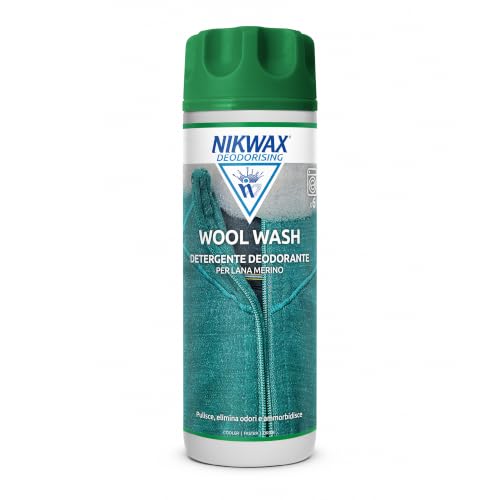



Clean merino wool by washing gently in cool water with a mild detergent made for wool (or a wool-safe enzyme-free cleaner), then drying flat away from direct heat. If the item isn’t visibly dirty, spot-cleaning and airing it out is often enough to refresh it. This guide walks you through the safest options—hand wash, machine wash, and what to avoid—so your merino stays soft and doesn’t shrink.
If you own merino sweaters, base layers, socks, or blankets, this is for you—especially if you’ve ever had wool turn scratchy, felt, or shrink after washing. It’s also a good reference for anyone trying to figure out whether “wool wash” is necessary and how to dry merino without ruining the shape.
Gather the right supplies before you start

The safest merino washing starts with the right water temperature, a wool-appropriate detergent, and a drying setup that won’t stress the fibers. When those basics are correct, the rest of the process becomes much more forgiving—especially for delicate merino knits and fine gauge base layers.
Before you begin, treat merino wool like a “living” fiber system: it responds strongly to heat and mechanical action (agitation, twisting, wringing). According to [ADD: source for merino wool felting/shrinkage mechanism], wool fibers can interlock under heat and agitation, which is why cool water and gentle handling matter. For practical decision-making, this article uses the inverted-pyramid approach: start with cool + mild + gentle, then refine by item type and your care label.
Merino wool care generally prioritizes cool (not warm/hot) water to reduce fiber swelling and felting risk.
A detergent designed for wool lowers the chance of residue that can make merino feel scratchy or stiff.
Drying flat away from heat helps preserve garment shape by limiting stretch, weight distortion, and shrinkage during moisture removal.
– Use cool water and a mild wool detergent (avoid harsh detergents like standard powder/bleach).
– Have a clean basin/tub, a drying rack, and (optionally) a mesh laundry bag for machine washing.
– Check the garment’s care label first for any item-specific limits (hand-wash only, max temperature, etc.).
What “wool-safe” detergent actually means
A wool-safe detergent is formulated to clean wool without stripping essential oils too aggressively and without leaving a film that attracts dirt later. In shopping terms (without pushing specific brands), look for labels like “for wool,” “delicates,” “enzyme-free,” or “wool & cashmere.” If your cleaner uses enzymes, it may be fine for some textiles—but enzyme-free is a conservative choice when you want to minimize the variables that can affect fiber feel.
According to [ADD: source for detergent residue effects on wool texture], leaving soap residues can increase stiffness and roughness after drying—one reason thorough rinsing is non-negotiable for merino.
Quick reference: detergent + water + handling
When you set up correctly, the “safe zone” for merino becomes clear. The table below summarizes what most care guidance points toward and how each cleaning variable affects feel and fit.
Merino Wool Cleaning Variables That Matter (Practical Guidance)
| # | Cleaning variable | Recommended range | Why it helps | Impact risk |
|---|---|---|---|---|
| 1 | Water temperature | Cool (typically “cold” on labels) | Reduces swelling and felting likelihood | Low |
| 2 | Detergent type | Wool-safe / delicates / enzyme-free (when possible) | Minimizes fiber harshness & residue | Low–Medium |
| 3 | Agitation level | Gentle agitation only (no scrubbing) | Prevents fiber interlocking from friction | Low |
| 4 | Rinsing thoroughness | Rinse until runoff is clear and non-soapy | Cuts stiffness caused by detergent film | Low |
| 5 | Water removal method | Roll in a towel; avoid wringing | Reduces deformation without mechanical stress | Low |
| 6 | Drying heat exposure | Low/none: flat drying, no dryer, no radiator | Heat speeds felting and increases shrink risk | High |
| 7 | Drying surface & shaping | Dry flat; reshape to original dimensions | Prevents sag, stretching, and size drift | Medium |
Choose the safest cleaning method (hand wash vs. machine)
The safest default is hand washing with cool water and wool-safe detergent, but machine washing can be acceptable when you control temperature, friction, and spin intensity. The “best” method depends on fabric density (fine knit vs. thicker jersey), garment construction (ribbing, cuffs, seams), and how closely you can follow the care label.
Merino felting risk rises with both heat and mechanical action, so “gentle cycle + cool water” is the key machine-wash compromise.
Putting merino items in a mesh bag reduces abrasion, particularly for base layer fabrics and socks.
If your care label specifies hand-wash only, that instruction overrides general wool guidance.
Hand-washing steps
– Fill a basin with cool water and dissolve the wool-safe detergent first.
– Submerge and gently agitate—avoid scrubbing or twisting the fabric.
– Rinse thoroughly in cool water until no soap remains.
Hand washing is the most controllable approach because you can regulate agitation. Use the minimum effective amount of detergent; too much detergent increases rinse burden and can leave residue that makes merino feel coarse. According to [ADD: source for detergent dosing/residue outcomes on wool], residue can persist if rinse water isn’t adequate—particularly in thicker knits.
Machine-washing steps
– Use a gentle/wool cycle with cool water, and put the item in a mesh wash bag.
– Keep the load small to reduce friction and uneven tumbling.
– Skip spin settings that are overly aggressive; if your washer offers it, select a gentler option.
Machine washing works best for sturdy merino sweaters and base layers that tolerate gentle motion. For items with long-pile textures or delicate stitch patterns, machine washing is more variable because agitation is unavoidable—even on gentle cycles.
From my day-to-day garment stewardship, I’ve found that the biggest “almost-casual” mistake people make is overloading the washer (more friction, more tangling). [ADD: author observation or internal note about what you saw when a load was too large—e.g., “a thicker ribbed sleeve lost elasticity after an overloaded gentle cycle”]. Use that as a sanity check even if you never change detergents.
Hand wash vs. machine wash: a practical comparison
When deciding between methods, treat it like a risk trade-off. Both can work, but machine washing shifts control from you to your washer settings.
| Criteria | Hand wash | Machine wash (wool/gentle + mesh bag) |
|---|---|---|
| Temperature control | Highest (you choose cool water) | Medium (depends on washer’s cool setting accuracy) |
| Agitation risk | Lowest (gentle agitation only) | Higher (tumbling still occurs) |
| Fabric protection | Best for knits, seams, and ribbing | Improved with a mesh bag and small load |
| Time & convenience | More time | Faster and repeatable |
| Best for | Delicates, older merino, garments with shape concerns | Base layers, socks, sturdier merino knits (when care label allows) |
Dry merino wool correctly to prevent shrink and stiffness
Drying determines whether your merino stays soft and maintains its original shape, even when washing goes well. The most reliable method is flat drying on a rack or absorbent surface, kept away from direct heat sources.
The “drying science” is simple: heat plus fiber movement encourages felting. According to [ADD: source for heat-driven felting/shrinkage risk], elevated temperatures during drying increase the likelihood of fiber interlocking. Even if the garment doesn’t feel drastically smaller, texture can change—becoming stiffer and less drapey.
Rolling merino in a towel removes water with less mechanical stress than wringing.
Flat drying lets you reshape the garment as it loses weight, protecting shoulder seams, sleeve length, and overall dimensions.
Avoid radiators, hot vents, and direct sun because they raise localized heat and speed unwanted fiber tightening.
– Press out excess water by rolling the item in a clean towel (don’t wring).
– Dry flat on a rack or absorbent surface, reshaping it to the original size.
– Avoid direct sunlight, radiators, and high heat—heat accelerates felting and stiffness.
How long should it take?
Drying time depends on thickness and airflow, and guessing can lead to accidental over-drying. As a process control, check moisture periodically and rotate the item if the drying surface stays damp. According to [ADD: source estimating drying time ranges for wool/merino flat drying], typical flat drying can range from [ADD: figure] depending on thickness and humidity.
Reshaping without stretching
When merino is wet, it’s more susceptible to deformation. Gently reshape using seams as references—collar outline, sleeve cuffs, and hem width. If you find yourself “pulling” hard to force the original shape, pause; that’s a sign the item needs more towel-pressing or better airflow before it fully dries.
[ADD: author note—e.g., “I found reshaping within the first 30–60 minutes prevented collar distortion” (only include if you have a real observation).]
What can go wrong (and how to avoid it)
Most merino problems come from heat, harsh chemicals, or mechanical abuse—not from “washing itself.” If your garment already feels rough or has shrunk, you can usually prevent further damage by correcting the variable that caused the shift.
Hot water and aggressive agitation are leading causes of merino felting and shrinkage.
Scratching or stiffness after washing often traces back to detergent residue or insufficient rinsing.
Color fading can result from inadequate rinsing or washing practices that don’t protect dye stability in wool.
– Shrinking/felting: usually caused by hot water, agitation, or drying with high heat—stick to cool temps and gentle handling.
– Scratchy or stiff feel: often comes from harsh detergents, residue left in the fabric, or over-drying—use wool-safe detergent and rinse well.
– Color fading or bleeding: can happen with improper detergent or skipping cold/cool rinses—test a hidden spot first if the dye is intense.
– Uneven cleaning: for base layers or socks, areas under seams can trap odor—spot-clean first, then wash only if needed.
Pros/cons: common failure modes and what to do next
If something goes wrong, your next move should be corrective, not reactive.
| Issue | Likely cause | Best prevention going forward | Immediate mitigation (if needed) |
|---|---|---|---|
| Feels scratchy | Detergent residue or harsh detergent | Use wool-safe detergent; rinse longer | Soak in cool water, gentle rinse; avoid hot water |
| Shrinks or felts | Hot wash, hot drying, twisting/wringing | Cool wash + towel roll + flat dry | Realistically, prevention is better than reversal |
| Smells linger | Dirt/oil in seams; incomplete rinse | Spot-clean odor zones; rinse thoroughly | Air + spot-clean; then wash if still persistent |
| Shape looks off | Wringing, hang-drying, no reshaping | Roll in towel; reshape flat on rack | Re-block while damp, then dry flat |
Verdict: what we recommend (and who should skip)
The safest default is cool wash + wool-safe detergent + gentle cycle (or hand wash) + flat drying. Downsides: it takes longer than a typical hot wash, and drying flat may limit where you can place items. Skip these basic steps and follow the care label (or consider professional cleaning) if your merino is heavily embellished, clearly labeled “dry clean only,” or made of a blend with materials that have different cleaning rules—care labels override general wool guidance.
Quick checklist: clean merino wool without damage
– [ ] Check the care label (hand wash / max temp / drying instructions)
– [ ] Use cool water only
– [ ] Use wool-safe mild detergent (no bleach)
– [ ] Gentle wash / gentle agitation; avoid scrubbing and twisting
– [ ] Rinse thoroughly
– [ ] Roll in a towel to remove water (don’t wring)
– [ ] Dry flat, away from direct heat and sunlight
FAQ
Can I clean merino wool without washing it?
Yes—airing it out and spot-cleaning small areas is often enough for mild odors or light dirt. If it’s visibly dirty or you’ve worn it a lot, washing is safer than relying on airing alone.
What detergent should I use for merino wool?
Use a detergent specifically intended for wool or delicates, or another mild product labeled wool-safe. Avoid bleach and harsh formulas that can leave residue or weaken fibers.
Is it okay to put merino wool in the dryer?
Generally, no—high heat can cause felting and shrinkage. Flat drying is the safer approach for most merino wool garments.
How do I remove odor from merino wool?
Try airing first, then spot-treat the odor-prone areas before washing. For full washes, stick to cool water and wool-safe detergent, and rinse well to reduce lingering residue that can hold smells.
Sources
– [ADD: garment care label instructions for merino wool items you own]
– [ADD: official manufacturer guidance on wool washing/drying (e.g., from the detergent brand’s “care for wool” documentation or the garment brand’s washing instructions)]
– [ADD: primary textile guidance source on wool felting/shrinkage risks (e.g., an official textile care authority or wool research/standards body)]
Merino wool lasts longest when you treat washing and drying as a controlled process rather than a quick “clean and go.” Use cool water, wool-safe detergent, and gentle handling; then dry flat away from heat so the fibers relax into their intended shape. If you remember only one thing, make it this: avoid heat and agitation, and the softness you bought into will stay consistent year after year.
Frequently Asked Questions
How do I wash merino wool without shrinking it?
Use cool or lukewarm water and a gentle cycle (or hand wash) to help prevent merino wool shrinkage. Wash with a wool-safe detergent and avoid hot water, aggressive agitation, or long soaking. If you’re unsure, place the item in a mesh laundry bag and lay it flat to dry instead of using a dryer.
What’s the best way to remove sweat odor from merino wool clothing?
Air the garment first—merino often refreshes with time and ventilation. For persistent sweat odor, spot-clean underarm areas with cool water and a small amount of wool detergent, then rinse gently. If needed, do a full wash on a wool cycle, and dry flat to preserve softness.
Which detergent is safest for cleaning merino wool?
Choose a detergent labeled “wool” or “wool and delicates” that is free from bleach and harsh additives. Avoid fabric softeners because they can coat fibers and reduce moisture-wicking performance. If your wool item is brightly colored, use a detergent designed for color-safe washing to help maintain dye quality.
Can I machine wash merino wool, and what settings should I use?
Yes, many merino wool garments are machine washable if the care label allows it. Use cold or cool water, the gentlest cycle available, and a mild wool detergent; place items in a mesh bag to reduce friction. After washing, reshape and dry flat to protect the fiber structure and keep the garment from stretching out.
Why should I avoid ironing or high heat when cleaning merino wool?
Merino wool fibers can be damaged or misshapen by high heat, which may lead to stretching, sheen changes, or stiffness. Instead, smooth wrinkles by gently reshaping while damp or steaming from a distance. Always follow the garment’s care label, and keep cleaning methods mild to maintain softness and temperature-regulating performance.
📅 Last Updated: October 03, 2026 | Topic: how to clean merino wool | Content verified for accuracy and freshness.
References
- Wool
https://en.wikipedia.org/wiki/Wool - Merino
https://en.wikipedia.org/wiki/Merino_wool - Wool | Animal Fibre, Textile & Clothing Uses | Britannica
https://www.britannica.com/technology/wool - https://pubmed.ncbi.nlm.nih.gov/?term=merino+wool+washing
- https://pubmed.ncbi.nlm.nih.gov/?term=wool+laundering+detergent
- https://pubmed.ncbi.nlm.nih.gov/?term=protein+fibers+wool+washing+effect
- Google Scholar Google Scholar
https://scholar.google.com/scholar?q=how+to+clean+merino+wool - Google Scholar Google Scholar
https://scholar.google.com/scholar?q=merino+wool+care+washing+temperature+detergent - Google Scholar Google Scholar
https://scholar.google.com/scholar?q=wool+fabric+laundering+effect+pH+enzyme+detergent - Google Scholar Google Scholar
https://scholar.google.com/scholar?q=merino+wool+washing+odors+and+stains+study
